Mr. Harrison's Confessions
by Elizabeth Gaskell
On This Page
Description
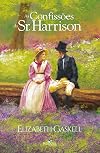
This charming and witty prequel to Cranford is a neglected Gaskell classic with all the period detail, distinctively drawn characters, and a well-knitted plot associated with her worksEnjoying the comforts of his well-kept home, country doctor William Harrison is prevailed upon by his longtime friend Charles, a bachelor, to dispense some advice on the "wooing and winning" of women's affections. So begins the fascinating and varied recollections of one of Gaskell's best-loved characters. show more Lured to rural Duncombe by the promise of a partnership in a country practice, William finds himself trapped in claustrophobic provincial life where society is apparently presided over by the scheming of a set of under-occupied middle-aged women. Their supposed matchmaking prowess in fact leaves much to be desired; so much so, indeed, that before long the hapless young physician finds himself betrothed to three women-none of whom is the beautiful Sophy, the woman he truly desires. Chaotic, hilarious, and poignant, this comedy of manners-and of errors-will resonate with Gaskell aficionados and newcomers alike. show lessTags
Recommendations



















Member Reviews
This novella is a prequel to Gaskell's more famous novel Cranford , featuring the amorous and other travails of Dr Frank Harrison in the fictional town of Duncombe (based on Knutsford in Cheshire). His name is amorously linked to almost every woman of note in the town due to comedic misunderstandings. At the same time, there are some poignant moments, such as the death of little Walter and the medical disagreement he has with Dr Morgan over whether a local gardener's arm needs to be amputated after an accident. I enjoyed this and prefer it to Cranford, which dragged and whose characters didn't appeal to me.
It was some time ago that I first heard of Mr Harrison’s Confessions, this edition produced by Hesperus, who make very attractive books. Now whenever it was that I read a review of it, it simply sounded very charming indeed, and didn’t particularly ring any bells – but it really should have done. I was a little confused by the ‘Prequel to Cranford’ tag – although the story is very much in the tradition of Cranford, we are in a different town among different people. The reason I already knew the story is because Mr Harrison’s Confessions was told by the BBC in the Cranford TV series. A little research, however, tells me that the novella Mr Harrison’s Confessions, is an accepted part of The Cranford Chronicles which also show more include the stories of My Lady Ludlow. I see that Vintage publishes the entire Cranford Chronicles in one volume, which is a great looking edition too. I suppose I was a little disappointed that it wasn’t an entirely new story for me – but such is the warmth and charm of the story and Elizabeth Gaskell’s telling of it that I quickly got over that.
Mr Harrison is a young doctor, and as the novella opens he is settling down to tell his old friend Charles, newly arrived home from Ceylon, the story of his “winning and wooing” the story of how he met and eventually married the woman who is upstairs putting the baby to bed. This is merely the framing of William Harrison’s own story, the story of how he arrived in the small country town of Duncombe to work alongside Mr Morgan his father’s cousin, in his rural practice. Mr Morgan is a well-established member of the community already, and his hope is that in time, he will be able to hand his practice over to his young partner. cranfrod street
“Duncombe calls itself a town, but I should call it a village. Really, looking from Jocelyn’s, it is a very picturesque place. The houses are anything but regular; they may be mean in their details, but altogether they look well; they have not that flat unrelieved front, which many towns of far more pretensions present. Here and there a bow window – every now and then a gable, cutting up against the sky – occasionally a projecting upper storey – throws good effect of light and shadow along the street; and they have a queer fashion of their own of colouring the whitewash of some of the houses with a sort of pink blotting-paper tinge, more like the stone of which Mayence is built than anything else. It may be in very bad taste, but to my mind it gives a rich warmth to the colouring.”
Mr Harrison’s arrival is noted immediately by all the key inhabitants of the town, and as soon as he has put his bag down in the lodgings arranged by Mr Morgan, he is visited several times. Mr Harrison proceeds to set several single ladies heart’s a-flutter – although he himself remains, for some time, blissfully unaware of the effect he has. Duncombe – like Cranford of course – is a town in which resides many single ladies, the majority of them no longer really young. These ladies, with little to occupy them count on the ministrations of the local doctor whenever they feel they need him – whether they actually do or not is another matter. Soon after Mr Harrison’s arrival he meets Sophy, the vicar’s pretty daughter, a young angel, who is uncomplainingly helping to raise her younger siblings after their mother’s death. Sophy is one of those Victorian heroines who are a little too good to be true (I might have liked her better had she had a bit more spirit). We never get to know Sophy really very well however, it is enough that she is pretty and good and William loses his heart to her. Pretty Sophy serves only to distract the young doctor to such an extent that he is completely blinded to the series of embarrassing attachments and misunderstandings that soon result from his presence in the town.
“Before the end of the evening, we were such great friends that she brought me down the late Mr Rose’s picture to look at. She told me she could not bear herself to gaze upon the beloved features; but that, if I would look upon the miniature, she would avert her face. I offered to take it into my own hands, but she seemed wounded at the proposal, and said she never, never could trust such a treasure out of her own possession; so she turned her head very much over her left shoulder, while I examined the likeness held by her extended right arm.”
Mr Harrison is settles in a small house, looked after by a housekeeper, the recently widowed Mrs Rose, the two are quite companionably suited as Mr Rose’s husband was a doctor, and soon Mrs Rose’s terrible grief over her loss begins to abate. Nearby live the Misses Tomkinson’s, the elder sister treating her younger sister (who herself is not much short of middle age) as an almost child, Miss Caroline, is prone to fainting fits and other imagined ills, and Mr Harrison spends a lot of time re-assuring the poor woman. Meanwhile Mr Bullock and his second wife seem rather anxious to rid themselves of the awkward young Miss Bullock through matrimony, and so her stepmother makes sure she is thrown in the way of the good doctor during a picnic, when naturally William can only think of Sophy.
Elizabeth Gaskell’s novels and stories often depict the realities of life for people in Victorian England, and this is no exception. Wrapped around the charming story of rural town life, romance, gossip and misunderstanding are stories that would have been part and parcel of everyday life for people in the 1850’s. Sudden illness comes to the vicarage and William struggles to help, while a working man with a large family has his livelihood threatened by an accident, which could lead to an amputation. William has to fight to have his more modern medical attitudes taken seriously by his older, more traditional partner.
This really is a lovely little novella, a delightful quick read which will delight fans of Cranford and other works by Elizabeth Gaskell. show less
Mr Harrison is a young doctor, and as the novella opens he is settling down to tell his old friend Charles, newly arrived home from Ceylon, the story of his “winning and wooing” the story of how he met and eventually married the woman who is upstairs putting the baby to bed. This is merely the framing of William Harrison’s own story, the story of how he arrived in the small country town of Duncombe to work alongside Mr Morgan his father’s cousin, in his rural practice. Mr Morgan is a well-established member of the community already, and his hope is that in time, he will be able to hand his practice over to his young partner. cranfrod street
“Duncombe calls itself a town, but I should call it a village. Really, looking from Jocelyn’s, it is a very picturesque place. The houses are anything but regular; they may be mean in their details, but altogether they look well; they have not that flat unrelieved front, which many towns of far more pretensions present. Here and there a bow window – every now and then a gable, cutting up against the sky – occasionally a projecting upper storey – throws good effect of light and shadow along the street; and they have a queer fashion of their own of colouring the whitewash of some of the houses with a sort of pink blotting-paper tinge, more like the stone of which Mayence is built than anything else. It may be in very bad taste, but to my mind it gives a rich warmth to the colouring.”
Mr Harrison’s arrival is noted immediately by all the key inhabitants of the town, and as soon as he has put his bag down in the lodgings arranged by Mr Morgan, he is visited several times. Mr Harrison proceeds to set several single ladies heart’s a-flutter – although he himself remains, for some time, blissfully unaware of the effect he has. Duncombe – like Cranford of course – is a town in which resides many single ladies, the majority of them no longer really young. These ladies, with little to occupy them count on the ministrations of the local doctor whenever they feel they need him – whether they actually do or not is another matter. Soon after Mr Harrison’s arrival he meets Sophy, the vicar’s pretty daughter, a young angel, who is uncomplainingly helping to raise her younger siblings after their mother’s death. Sophy is one of those Victorian heroines who are a little too good to be true (I might have liked her better had she had a bit more spirit). We never get to know Sophy really very well however, it is enough that she is pretty and good and William loses his heart to her. Pretty Sophy serves only to distract the young doctor to such an extent that he is completely blinded to the series of embarrassing attachments and misunderstandings that soon result from his presence in the town.
“Before the end of the evening, we were such great friends that she brought me down the late Mr Rose’s picture to look at. She told me she could not bear herself to gaze upon the beloved features; but that, if I would look upon the miniature, she would avert her face. I offered to take it into my own hands, but she seemed wounded at the proposal, and said she never, never could trust such a treasure out of her own possession; so she turned her head very much over her left shoulder, while I examined the likeness held by her extended right arm.”
Mr Harrison is settles in a small house, looked after by a housekeeper, the recently widowed Mrs Rose, the two are quite companionably suited as Mr Rose’s husband was a doctor, and soon Mrs Rose’s terrible grief over her loss begins to abate. Nearby live the Misses Tomkinson’s, the elder sister treating her younger sister (who herself is not much short of middle age) as an almost child, Miss Caroline, is prone to fainting fits and other imagined ills, and Mr Harrison spends a lot of time re-assuring the poor woman. Meanwhile Mr Bullock and his second wife seem rather anxious to rid themselves of the awkward young Miss Bullock through matrimony, and so her stepmother makes sure she is thrown in the way of the good doctor during a picnic, when naturally William can only think of Sophy.
Elizabeth Gaskell’s novels and stories often depict the realities of life for people in Victorian England, and this is no exception. Wrapped around the charming story of rural town life, romance, gossip and misunderstanding are stories that would have been part and parcel of everyday life for people in the 1850’s. Sudden illness comes to the vicarage and William struggles to help, while a working man with a large family has his livelihood threatened by an accident, which could lead to an amputation. William has to fight to have his more modern medical attitudes taken seriously by his older, more traditional partner.
This really is a lovely little novella, a delightful quick read which will delight fans of Cranford and other works by Elizabeth Gaskell. show less
A prequel to [b:Cranford|182381|Cranford|Elizabeth Gaskell|https://i.gr-assets.com/images/S/compressed.photo.goodreads.com/books/1375746052l/182381._SY75_.jpg|1016559], this is a delightful little tale about a young doctor’s experiences when starting off his career. Mr. Harrison comes to practice with Mr. Morgan, who advises him to be nice and develop a bedside manner with the female patients to put them at ease. As you can guess, misunderstandings and hilarity ensue. Very lighthearted and sweet, but thinly plotted, just as Cranford was. If you like a sort of slice of life book, this is a lovely one.
One of the greatest novellas/short stories (I don't know which it is) that I have ever had the pleasure to read. The layers of hilarity are brilliant.
Read it and laugh.
Read it and laugh.
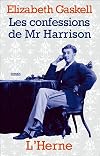
J'ai découvert cette auteur anglaise du 19e siècle avec grand plaisir. Elle raconte ici avec humour et ironie les aventures d'un jeune médecin, nouvellement arrivé dans une petite ville, ses espoirs et ses quiproquos amoureux. Du Jane Austen version masculine. Un très joli moment de lecture!
Feb 12, 2013French
Ratings
Members
- Recently Added By
Lists

19th Century
190 works; 16 members
Out of Copyright
244 works; 14 members

Victorian Period
113 works; 10 members

Funny Classics
20 works; 2 members

1850s
17 works; 2 members

Books Read in 2017
4,249 works; 130 members

Tagged 19th Century
104 works; 7 members
Author Information

231+ Works 30,531 Members
Elizabeth Gaskell was born on September 29, 1810 to a Unitarian clergyman, who was also a civil servant and journalist. Her mother died when she was young, and she was brought up by her aunt in Knutsford, a small village that was the prototype for Cranford, Hollingford and the setting for numerous other short stories. In 1832, she married William show more Gaskell, a Unitarian clergyman in Manchester. She participated in his ministry and collaborated with him to write the poem Sketches among the Poor in 1837. Our Society at Cranford was the first two chapters of Cranford and it appeared in Dickens' Household Words in 1851. Dickens liked it so much that he pressed Gaskell for more episodes, and she produced eight more of them between 1852 and 1853. She also wrote My Lady Ludlow and Lois the Witch, a novella that concerns the Salem witch trials. Wives and Daughters ran in Cornhill from August 1864 to January 1866. The final installment was never written but the ending was known and the novel exists now virtually complete. The story centers on a series of relationships between family groups in Hollingford. Most critics agree that her greatest achievement is the short novel Cousin Phillis. Gaskell was also followed by controversy. In 1853, she offended many readers with Ruth, which explored seduction and illegitimacy that led the "fallen woman" into ostracism and inevitable prostitution. The novel presents the social conduct in a small community when tolerance and morality clash. Critics praised the novel's moral lessons but Gaskell's own congregation burned the book and it was banned in many libraries. In 1857, The Life of Charlotte Brontë was published. The biography was initially praised but angry protests came from some of the people it dealt with. Gaskell was against any biographical notice of her being written during her lifetime. After her death on November 12, 1865, her family refused to make family letters or biographical data available. (Bowker Author Biography) show less
Work Relationships
Is contained in
Common Knowledge
Classifications
Statistics
- Members
- 107
- Popularity
- 303,230
- Reviews
- 5
- Rating
- (3.53)
- Languages
- 6 — Catalan, English, French, German, Italian, Spanish
- Media
- Paper, Audiobook, Ebook
- ISBNs
- 21
- ASINs
- 8