On This Page
Description
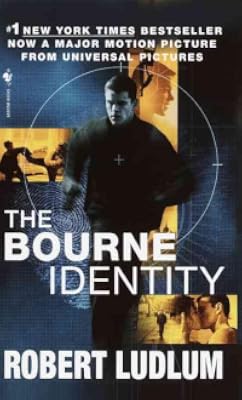
#1 NEW YORK TIMES BESTSELLERHis memory is a blank. His bullet-ridden body was fished from the Mediterranean Sea. His face has been altered by plastic surgery. A frame of microfilm has been surgically implanted in his hip. Even his name is a mystery. Marked for death, he is racing for survival through a bizarre world of murderous conspirators—led by Carlos, the world’s most dangerous assassin. Who is Jason Bourne? The answer may kill him.
BONUS: This edition includes an excerpt from show more Robert Ludlum's The Bourne Supremacy.. show less
Tags
Recommendations
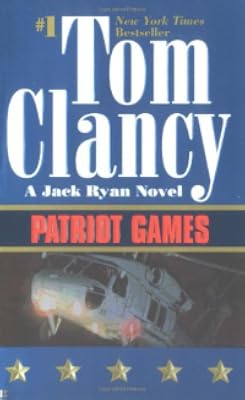
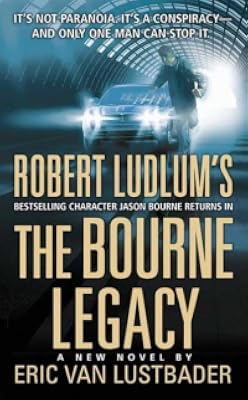
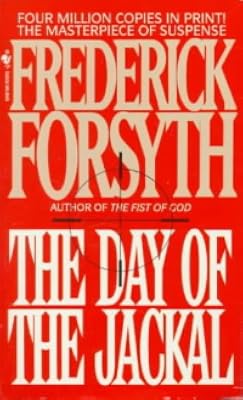

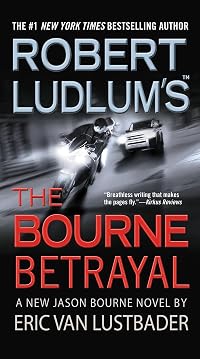

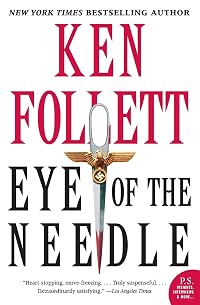
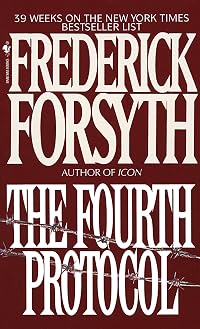
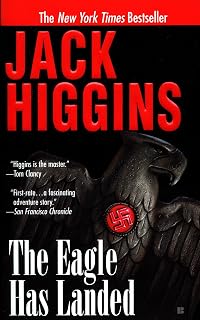
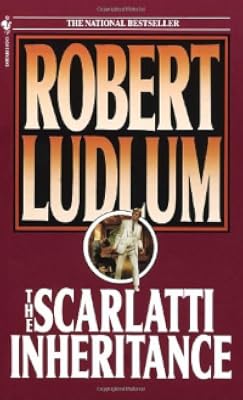
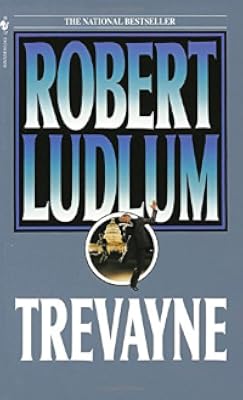
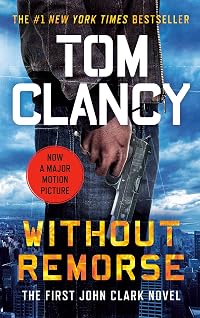
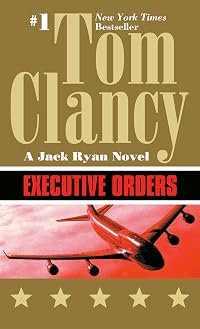
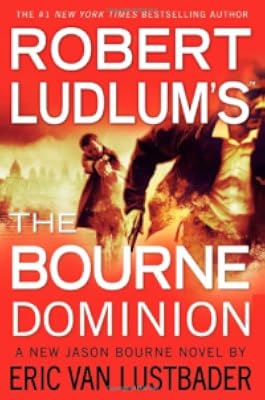
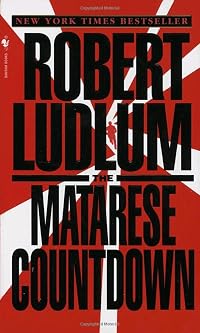
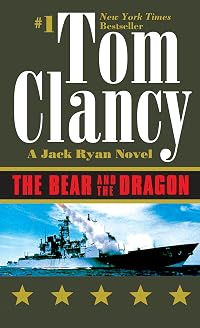
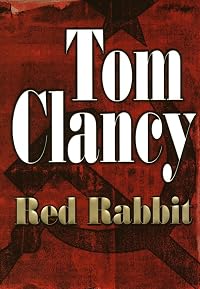
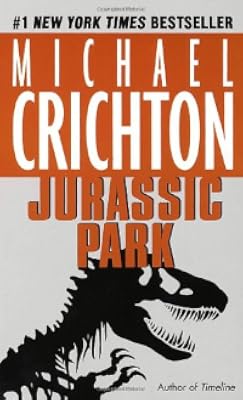
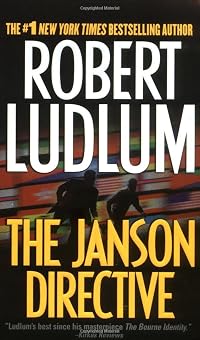
Member Recommendations
AFHeart An assassin who is an unlikely hero.
Member Reviews
Wow, by the end of chapter one I was already thinking this was one of the most ludicrous novels I've ever read. And given that I've been reading through a suspense novel recommendation list, with such doozies as Vince Flynn's Term Limits, Brad Thor's The Lions of Lucerne and Matthew Reilly's Ice Station that means Ludlum is setting a really low, low.
OK, there weren't any giant mutant seals at least, but right in the first pages our hero, later to be known as Jason Bourne, is shot multiple times. With one of those shots his "skull is ripped open." Not merely cracked, mind you, but ripped open. Bourne falls into the sea...and survives. But wait, it gets better! The fishermen who pick him up take him to this alcoholic doctor. Taking lots show more of liquids and starches to sober up, this doctor does brain surgery on Bourne! At his home! (Oh, and btw, if my use of italics and exclamation points irritate you--you're not going to last long with Ludlum--he uses them as if he's paid for each use.)
And then? Bourne wakes up with amnesia. But wait! Somehow in the midst of his solo brain surgery, the good doctor noticed the microchip in Bourne's hip with clues to his identity!
All I can say is, if after a first chapter like that one you continued reading, you got what you deserved. Several hours of your life you're going to wish you could get back. show less
OK, there weren't any giant mutant seals at least, but right in the first pages our hero, later to be known as Jason Bourne, is shot multiple times. With one of those shots his "skull is ripped open." Not merely cracked, mind you, but ripped open. Bourne falls into the sea...and survives. But wait, it gets better! The fishermen who pick him up take him to this alcoholic doctor. Taking lots show more of liquids and starches to sober up, this doctor does brain surgery on Bourne! At his home! (Oh, and btw, if my use of italics and exclamation points irritate you--you're not going to last long with Ludlum--he uses them as if he's paid for each use.)
And then? Bourne wakes up with amnesia. But wait! Somehow in the midst of his solo brain surgery, the good doctor noticed the microchip in Bourne's hip with clues to his identity!
All I can say is, if after a first chapter like that one you continued reading, you got what you deserved. Several hours of your life you're going to wish you could get back. show less
If you think you know the story of Jason Bourne because you've seen the movies...think again. The book is quite different, with lots more motivation for the romance and of course much more time to follow Bourne as he slowly figures out the puzzle of his identity. It's an extremely compelling story, it's like putting together a puzzle--piece by piece you figure out with Bourne what his past was and why so many people are after him. The faithful female who stands by his side--despite their fears that he is a murder or worse--give a wonderful human element to the story as well (even if it's a bit unbelievable). A must listen or read for fans of thriillers, highly entertaining.
I’m not a violent person. I grew up watching American TV serials where the Lone Ranger shot revolvers out of baddies’ hands (who then merely had a sprained wrist to nurse) or comedies such as The Three Stooges which — like a Tom and Jerry cartoon — allowed the victims to recover with a shake of the head after a potentially life-threatening concussion to the brainbox department. Violence was depicted, the consequences papered over. I was uncomfortable with it, but that was all that was on offer.
These days, as it has been for several decades now, violence is more graphic in entertainment media, whether films, comics or video games. Not just villains are hurt but innocent bystanders and targeted victims. The alarm is raised every show more so often about how the consumption of this vicariously experienced violence without appreciation of the consequences stunts one’s capacity to exhibit empathy and how it can encourage sociopathic and psychopathic tendencies. I mention this not to stir up more argument and controversy but to contextualise my normal avoidance of thrillers in whatever form.
However, I was drawn to The Bourne Identity not just because I’d been persuaded to watch the 2002 film adaptation but because of reading an impressive graphic novel: in Watchmen violence is a given, doled out by villains and vigilantes alike. And yet I found the latter a thoughtful novel which, rather than revelling in gratuitous aggression, tried to ask deep and pertinent questions about its nature and apparent justification. Did Ludlum’s 1980 novel also posit similar questions?
A mysterious stranger is discovered floating in the Mediterranean off Marseilles, the victim of violence. Though nursed back to physical health over a period of six months he suffers from mental disorientation: he has almost total amnesia over who or what he is or why he is in this part of the world. As he tries to regain his memory clues to his past surface by way of instinctive actions, headaches and isolated words and images. His journey to recover his identity takes him via Zurich and Paris to New York; he comes into contact with a number of individuals who might or might not prove trustworthy; and he exhibits a degree of empathy which might be seen as surprising in one who recognises he might well be a notorious assassin.
Robert Ludlum, who died in 2001, is too well-known as a thriller writer for me to expand on his biography other than to say that his experiences as a US Marine, followed by a spell as actor and theatre producer, add authority to his descriptions of covert operations, his understanding of character motivation and his plotting. Apparently a short spell of amnesia himself was yet another personal experience to draw on, and we mustn’t forget the turbulent seventies when several terrorist atrocities made headlines around the world, suggesting that clandestine organisations with apparently different political objectives were prepared to link up to achieve their aims. The Bourne Identity and Ludlum’s other novels are set against this background, invoking a rather different atmosphere from that of the Bond novels of Ian Fleming, who had died in 1964 at the height of the Cold War.
The amnesiac’s search for his lost identity leads him to the name Jason Bourne. On several levels this is an interesting choice of name, as good writers rarely settle on characters’ names at random: the Greek hero Jason was also on a quest, so the forename is very appropriate; the surname Bourne is related to bourne, meaning a stream, also appropriate not just because Jason is fished out of the waters of the Med but because he is, in a sense, baptised into a new life. This idea of baptism is underlined by Jason’s being treated by Dr Washburn who, in a sense, ministers at Jason’s rebirth. And Ludlum may well have had the Biblical story of Jonah and the Whale in mind, a tale which has a parallel in the hero Jason’s being regurgitated by the dragon guarding the Golden Fleece at Colchis. Jason is no amoral anti-hero: like a chivalrous knight he avoids collateral damage and rescues damsels in distress. In this case the damsel is the Canadian economist Marie St Jacques, but she proves to be no less able than Bourne, playing the role of sorceress Medea to Jason’s Greek hero. In Apollonius of Rhodes’ version of the Argonaut tale Medea is abandoned by Jason, and several times this looks to be the likely fate of Marie.
Why do I dwell on this novel’s possible classical allusions? Well, principally because there are the obvious references to a mysterious operation called Medusa, which supposedly operated in the jungles of the Far East, though rightly the creature (whose gaze literally was petrifying) is connected with another Greek hero, Perseus. Meanwhile, poor Jason seems to be constantly assailed by other assassins, who spring up rather like the warriors of Medea’s father Aeëtes of Colchis, created after Jason has to sow the teeth of another dragon in a field; in myth Jason defeats them by distracting them with a clever ruse involving a precious stone.
Jason’s links turn out to be with an undercover US organisation called Treadstone, but his most dangerous adversary is the infamous terrorist known as Carlos the Jackal. Carlos is a real person, his given name Ilich Ramírez Sánchez, who at the time of writing is still alive and in prison in France. Introducing a non-fictional character into the storyline for me detracts from the novel’s credibility, and the 2002 film wisely chose to drop this narrative thread (along with much of plot). Drawing Carlos and Jason together in an extended Biblical motif of rival brothers also to me seems a little heavy-handed though I do admit it’s ingenious; and while the climax of the whole cat-and-mouse game allows for one aspect of Jason’s quest to continue in a sequel, answers to Jason’s search for identity are largely resolved so that he, and we, are at last allowed some closure. Those answers involve brothers too, though not the murderous kind represented by Cain and Abel.
I end, as I started, by mentioning violence. Ludlum maintains an old-fashioned stance, at odds with what we know of clandestine warriors. Bourne has a humanitarian instinct to preserve life wherever possible, and to only injure and kill when his opponents have no compunction in maiming or assassinating him. But Ludlum also maintains a contradictory admiration for Jason’s vigilante leanings, as when Bourne feels no regret whenever deceiving or stealing from those he judges to be rather less than innocent in their dealings. That very concept — that the ends justify the means — is one that, along with many others, I remain profoundly uncomfortable with. But it does make for a wonderfully engrossing page-turner.
http://wp.me/s2oNj1-identity show less
These days, as it has been for several decades now, violence is more graphic in entertainment media, whether films, comics or video games. Not just villains are hurt but innocent bystanders and targeted victims. The alarm is raised every show more so often about how the consumption of this vicariously experienced violence without appreciation of the consequences stunts one’s capacity to exhibit empathy and how it can encourage sociopathic and psychopathic tendencies. I mention this not to stir up more argument and controversy but to contextualise my normal avoidance of thrillers in whatever form.
However, I was drawn to The Bourne Identity not just because I’d been persuaded to watch the 2002 film adaptation but because of reading an impressive graphic novel: in Watchmen violence is a given, doled out by villains and vigilantes alike. And yet I found the latter a thoughtful novel which, rather than revelling in gratuitous aggression, tried to ask deep and pertinent questions about its nature and apparent justification. Did Ludlum’s 1980 novel also posit similar questions?
A mysterious stranger is discovered floating in the Mediterranean off Marseilles, the victim of violence. Though nursed back to physical health over a period of six months he suffers from mental disorientation: he has almost total amnesia over who or what he is or why he is in this part of the world. As he tries to regain his memory clues to his past surface by way of instinctive actions, headaches and isolated words and images. His journey to recover his identity takes him via Zurich and Paris to New York; he comes into contact with a number of individuals who might or might not prove trustworthy; and he exhibits a degree of empathy which might be seen as surprising in one who recognises he might well be a notorious assassin.
Robert Ludlum, who died in 2001, is too well-known as a thriller writer for me to expand on his biography other than to say that his experiences as a US Marine, followed by a spell as actor and theatre producer, add authority to his descriptions of covert operations, his understanding of character motivation and his plotting. Apparently a short spell of amnesia himself was yet another personal experience to draw on, and we mustn’t forget the turbulent seventies when several terrorist atrocities made headlines around the world, suggesting that clandestine organisations with apparently different political objectives were prepared to link up to achieve their aims. The Bourne Identity and Ludlum’s other novels are set against this background, invoking a rather different atmosphere from that of the Bond novels of Ian Fleming, who had died in 1964 at the height of the Cold War.
The amnesiac’s search for his lost identity leads him to the name Jason Bourne. On several levels this is an interesting choice of name, as good writers rarely settle on characters’ names at random: the Greek hero Jason was also on a quest, so the forename is very appropriate; the surname Bourne is related to bourne, meaning a stream, also appropriate not just because Jason is fished out of the waters of the Med but because he is, in a sense, baptised into a new life. This idea of baptism is underlined by Jason’s being treated by Dr Washburn who, in a sense, ministers at Jason’s rebirth. And Ludlum may well have had the Biblical story of Jonah and the Whale in mind, a tale which has a parallel in the hero Jason’s being regurgitated by the dragon guarding the Golden Fleece at Colchis. Jason is no amoral anti-hero: like a chivalrous knight he avoids collateral damage and rescues damsels in distress. In this case the damsel is the Canadian economist Marie St Jacques, but she proves to be no less able than Bourne, playing the role of sorceress Medea to Jason’s Greek hero. In Apollonius of Rhodes’ version of the Argonaut tale Medea is abandoned by Jason, and several times this looks to be the likely fate of Marie.
Why do I dwell on this novel’s possible classical allusions? Well, principally because there are the obvious references to a mysterious operation called Medusa, which supposedly operated in the jungles of the Far East, though rightly the creature (whose gaze literally was petrifying) is connected with another Greek hero, Perseus. Meanwhile, poor Jason seems to be constantly assailed by other assassins, who spring up rather like the warriors of Medea’s father Aeëtes of Colchis, created after Jason has to sow the teeth of another dragon in a field; in myth Jason defeats them by distracting them with a clever ruse involving a precious stone.
Jason’s links turn out to be with an undercover US organisation called Treadstone, but his most dangerous adversary is the infamous terrorist known as Carlos the Jackal. Carlos is a real person, his given name Ilich Ramírez Sánchez, who at the time of writing is still alive and in prison in France. Introducing a non-fictional character into the storyline for me detracts from the novel’s credibility, and the 2002 film wisely chose to drop this narrative thread (along with much of plot). Drawing Carlos and Jason together in an extended Biblical motif of rival brothers also to me seems a little heavy-handed though I do admit it’s ingenious; and while the climax of the whole cat-and-mouse game allows for one aspect of Jason’s quest to continue in a sequel, answers to Jason’s search for identity are largely resolved so that he, and we, are at last allowed some closure. Those answers involve brothers too, though not the murderous kind represented by Cain and Abel.
I end, as I started, by mentioning violence. Ludlum maintains an old-fashioned stance, at odds with what we know of clandestine warriors. Bourne has a humanitarian instinct to preserve life wherever possible, and to only injure and kill when his opponents have no compunction in maiming or assassinating him. But Ludlum also maintains a contradictory admiration for Jason’s vigilante leanings, as when Bourne feels no regret whenever deceiving or stealing from those he judges to be rather less than innocent in their dealings. That very concept — that the ends justify the means — is one that, along with many others, I remain profoundly uncomfortable with. But it does make for a wonderfully engrossing page-turner.
http://wp.me/s2oNj1-identity show less
The Bourne Identity is the story of a man who loses his memory in a violent event at sea. He is rescued by fishermen and delivered to a doctor on a remote island south of France where his body is healed but his mind remains injured. Not knowing who he is and with only a single clue - a bank in Zurich and a bank account number surgically hidden on his body - the man leaves to find out the answers to who he is. From this basic premise Robert Ludlum introduces us to the very enigmatic man variously known as Jason Bourne, Cain, and Delta. Bourne must discover who he is, and in the process must fight for his life from the assassin Carlos and the US Government.
The Bourne Identity was originally published in 1980, and maybe had I read the show more book back in the 80's (I grew up reading Tom Clancy, Larry Bond, and other similar writers) I might have given the book version a higher rating. Certainly the book is action-packed, moving rapidly across Europe and the US as Jason Bourne and his hostage/companion/lover Marie St. Jacques try to stay one step ahead of Carlos's assassins while trying to find Carlos to stop him. However, I have read the book version well after the Borne movies have been released starting Matt Damon. And because of that I have been spoiled and become jaded to the book. This is one of those rare instances where I think Hollywood has done a great job and made a product that is better than the book.
The movie version and the book follow very similar paths at the beginning, introducing us to the character who loses his memory and must travel to Zurich to try and start to piece together who he is. But from there the book and movie take divergent paths. The Bourne of the movies is a soldier and assassin who is not only skilled at physical attacks but uses his wits. Matt Damon's Bourne is crafty and wily more often out smarting his opponents as opposed to confronting them and killing them (though he does his share of that too). Ludlum's Bourne is equally skilled in physical attacks and defense, but his wit is lacking. He is a fighting machine that charges through like a bull in a China shop, not a skilled tactician. There are glimmers of whit and intelligence, but usually Bourne just bumbles along making the situation worse. For example, in the book Borne is following one of Carlos's minions who leads Bourne to the famed assassin. Bourne - struggling with a terrible case of PTSD - blunders forward to attack Carlos, causing the assassin to flee and alert him that Bourne is close to him. I can only imagine that had the scene been played in the movie version (the writer's of the movie scoured all references the the mythical assassin from their version) that Damon's Bourne would have been able to slyly follow the assassin, leading him into a trap that would have given the advantage of the hunt to Bourne.
In addition Ludlum's Bourne is kind of an asshole and thug more often than not. He uses force and intimidation rather than guile and diplomacy to get what he wants, and usually makes the situation worse because of it. I will chalk up some of this to Bourne suffering from amnesia and severe PTSD, but his actions greatly lessened my enjoyment of the character.
The Bourne Identify is a good book, but it doesn't live up to the image that the Hollywood version has created for me of the character. If you enjoy action-packed books, with lots of twists and turns and quite a few gotcha type plot twists, then you will enjoy the read. If you want to follow a compelling character who you want to root for then I recommend that you stick with the movie version. show less
The Bourne Identity was originally published in 1980, and maybe had I read the show more book back in the 80's (I grew up reading Tom Clancy, Larry Bond, and other similar writers) I might have given the book version a higher rating. Certainly the book is action-packed, moving rapidly across Europe and the US as Jason Bourne and his hostage/companion/lover Marie St. Jacques try to stay one step ahead of Carlos's assassins while trying to find Carlos to stop him. However, I have read the book version well after the Borne movies have been released starting Matt Damon. And because of that I have been spoiled and become jaded to the book. This is one of those rare instances where I think Hollywood has done a great job and made a product that is better than the book.
The movie version and the book follow very similar paths at the beginning, introducing us to the character who loses his memory and must travel to Zurich to try and start to piece together who he is. But from there the book and movie take divergent paths. The Bourne of the movies is a soldier and assassin who is not only skilled at physical attacks but uses his wits. Matt Damon's Bourne is crafty and wily more often out smarting his opponents as opposed to confronting them and killing them (though he does his share of that too). Ludlum's Bourne is equally skilled in physical attacks and defense, but his wit is lacking. He is a fighting machine that charges through like a bull in a China shop, not a skilled tactician. There are glimmers of whit and intelligence, but usually Bourne just bumbles along making the situation worse. For example, in the book Borne is following one of Carlos's minions who leads Bourne to the famed assassin. Bourne - struggling with a terrible case of PTSD - blunders forward to attack Carlos, causing the assassin to flee and alert him that Bourne is close to him. I can only imagine that had the scene been played in the movie version (the writer's of the movie scoured all references the the mythical assassin from their version) that Damon's Bourne would have been able to slyly follow the assassin, leading him into a trap that would have given the advantage of the hunt to Bourne.
In addition Ludlum's Bourne is kind of an asshole and thug more often than not. He uses force and intimidation rather than guile and diplomacy to get what he wants, and usually makes the situation worse because of it. I will chalk up some of this to Bourne suffering from amnesia and severe PTSD, but his actions greatly lessened my enjoyment of the character.
The Bourne Identify is a good book, but it doesn't live up to the image that the Hollywood version has created for me of the character. If you enjoy action-packed books, with lots of twists and turns and quite a few gotcha type plot twists, then you will enjoy the read. If you want to follow a compelling character who you want to root for then I recommend that you stick with the movie version. show less
As trashy spy novels go, this one’s as good as any other, I suppose. It’s a good popcorn book but after 400 pages of repetitive phrases, two dimensional characters and a very convoluted and twisted plot, I lost interest and finished more out of a sense of duty and “let’s see how he writes himself out of this mess” than anything else. Of course, now I will be reading the others in this series because I’m mildly curious how Ludlum can string this plot across two more books, he could have just as easily wrapped it up in one with a lot of good editing. It would have been more interesting that way.
Ah, the age-old question: which is better? The novel or the film version of a story? In the case of the Bourne Identity, I'm going to say that they are equally good but are two separate stories. While Hollywood loves to take liberties with novels, the film version of Bourne Identity takes necessary liberties. Given that the novel was published in 1980, some updating of the story was required, such as:
1. Technology: the film makes great use of technology to tell a better story, technology that simply did not exist when Ludlum wrote his novel.
2. The enemy: the U.S. government is Jason Bourne's primary enemy in the film, but the novel holds two opposing enemies for him (more on that in a minute). Plus, the Cold War of 1980 offers an show more additional backdrop that simply does not exist today.
3. JB's backstory: given the shift in timeframe, Bourne's backstory in the film was updated to include more modern conflicts. In the novel, a key component of Bourne's history was the Vietnam War, which still played prominent role in the reader's memory.
Let's go back to point #2 above, the enemy. One of the reasons the novel is so compelling is that Bourne is trying to recover his identity while being hunted by two opposing enemies out to destroy him, the U.S. government for which he worked and a terrorist named Carlos. Carlos is completely eliminated from the film probably because of the level of complexity his presence brings to the story. That's a shame because the presence of a second, deadly enemy heightens the tension of the "hunt" for Bourne.
The token-female-love interest in both the film and the novel is Marie. In the novel, however, she is a Canadian government economist, rather than a German bystander, as in the film. Marie plays a bit more active role in the novel in helping Bourne understand and deal with his situation. Interestingly, I found the "love" story b/w them less believable in the novel, however; this may be due to her calling Bourne "my darling" a lot.
Finally, I felt that Bourne's psychological turmoil and inner conflict more compelling in the novel. He really struggles with the realization that he's probably not a nice guy, but someone who hurts and kills people. While Matt Damon is nice to look at for a couple of hours on screen, he doesn't deliver the same level of angst that the character in novel experiences. (less) show less
1. Technology: the film makes great use of technology to tell a better story, technology that simply did not exist when Ludlum wrote his novel.
2. The enemy: the U.S. government is Jason Bourne's primary enemy in the film, but the novel holds two opposing enemies for him (more on that in a minute). Plus, the Cold War of 1980 offers an show more additional backdrop that simply does not exist today.
3. JB's backstory: given the shift in timeframe, Bourne's backstory in the film was updated to include more modern conflicts. In the novel, a key component of Bourne's history was the Vietnam War, which still played prominent role in the reader's memory.
Let's go back to point #2 above, the enemy. One of the reasons the novel is so compelling is that Bourne is trying to recover his identity while being hunted by two opposing enemies out to destroy him, the U.S. government for which he worked and a terrorist named Carlos. Carlos is completely eliminated from the film probably because of the level of complexity his presence brings to the story. That's a shame because the presence of a second, deadly enemy heightens the tension of the "hunt" for Bourne.
The token-female-love interest in both the film and the novel is Marie. In the novel, however, she is a Canadian government economist, rather than a German bystander, as in the film. Marie plays a bit more active role in the novel in helping Bourne understand and deal with his situation. Interestingly, I found the "love" story b/w them less believable in the novel, however; this may be due to her calling Bourne "my darling" a lot.
Finally, I felt that Bourne's psychological turmoil and inner conflict more compelling in the novel. He really struggles with the realization that he's probably not a nice guy, but someone who hurts and kills people. While Matt Damon is nice to look at for a couple of hours on screen, he doesn't deliver the same level of angst that the character in novel experiences. (less) show less
I find the idea of the scenario to the Bourne Identity books and movies intriguing. The idea of a person who has been cut off from their past, what would any of us do then? It strips a person down to their core, their soul. To act and react based on no past or even current external forces is something we all wish for from time to time. But humans are meant to be connected to each other, and the agony of that loss of connectedness is what drives our connection with Jason Bourne. The old movie is like a cops and robbers film. The new movies draw on this idea but still keep Bourne rather aloof from the audience. I listened to the audio book of The Bourne Identity by Robert Ludlum and am so impressed. Ludlum's genius is in using that loss show more of connectedness and twisting Bourne's perceived situation to pull the reader in, to make us connect with Bourne even more than any of the other protagonists. Then when you find out Webb, the brother, is killed. The wife and two kids, were killed. His handler he doesn't remember existed, was killed. To see the chasm of un-connectedness that he doesn't even know of deepen and widen is what draws in the reader, fascinates the reader, and ironically connects the reader to Bourne. show less
Members
- Recently Added By
Published Reviews
Roman po kome je snimljen i cuveni istoimeni film sa Mat Dejmonom u glavnoj ulozi. Džejson Born je covek koji nema prošlost, a moguce je da nece imati ni buducnost. Jedino cega je svestan jeste da ga je Mediteransko more izbacilo na obalu i da mu je telo izrešetano. Polako ce shvatiti da se nalazi u zamršenoj slagalici iz koje nece moci da pobegne kao ni od svoje prošlosti. I niko ne show more može da mu pomogne, niko osim žene koja je nekada želela da pobegne od njega. show less
added by Sensei-CRS
Lists

1970s
657 works; 23 members

Unread books
1,063 works; 87 members

Watched the Movie, Probably Won't Read the Book
185 works; 34 members

The Guardian's 1000 Novels Everyone Must Read
1,005 works; 550 members

NPRs your picks: top 100 Killer Thrillers
100 works; 17 members

100 Mysteries and Thrillers to Read in a Lifetime
99 works; 22 members

Page Turners
185 works; 11 members

1980s
356 works; 23 members

Best Spy Fiction
153 works; 102 members

Books Read in 2022
5,166 works; 112 members

Mustich's 1000 Books to Read Before You Die: A Life Changing List
1,001 works; 19 members

Florida
366 works; 3 members

The 100 Best Crime Novels and Thrillers since 1945
100 works; 6 members
Tozai Mystery Best 100 | The Top 100 Mystery Novels
111 works; 3 members

1980 great books
63 works; 1 member
Author Information

193+ Works 76,927 Members
Robert Ludlum was born May 25, 1927 in New York City. He enlisted in the Marines at the age of eighteen and received a B.A. from Wesleyan University in 1951. He began acting professionally at the age of sixteen in the 1943 Broadway production of Junior Miss. He also had roles in summer stock and appeared in over 200 television dramas for such live show more programs as Studio One and Kraft Television Theater. He then tried producing with the 1956 Broadway production of The Owl and the Pussycat. He took the play, four years later, to his creation of Shopping-Center Theater at Playhouse-on-the-Mall in Paramus, New Jersey. His first novel, The Scarlatti Inheritance, was published in 1971. His other works include The Matlock Paper, The Chancellor Manuscript, The Bourne Identity, The Scorpio Illusion, The Matarese Countdown, and The Bancroft Strategy. He also wrote under the pseudonyms Jonathan Ryder and Michael Shepherd. He died on March 12, 2001 at the age of 74. (Bowker Author Biography) show less
Some Editions
Awards and Honors
Awards
Distinctions
Series

Belongs to Publisher Series
Work Relationships
Common Knowledge
- Canonical title*
- Der Borowski-Betrug
- Original title
- The Bourne Identity
- Alternate titles*
- Het Bourne Bedrog
- Original publication date
- 1980
- People/Characters
- Jason Bourne; Marie St. Jacques; Ilich Ramirez Sanchez; Cain; Dr. Geoffrey Washburn; Alexander "Alex" Conklin (show all 7); Madamme Lavier
- Important places
- Treadstone Seventy-One; Zürich, Zürich, Switzerland; Mediterranean Sea; Paris, Île-de-France, France
- Related movies
- The Bourne Identity (2002 | IMDb); The Bourne Identity (1988 | IMDb)
- Epigraph
- [None]
- Dedication
- For Glynis
A very special light we all adore.
With love and deep respect. - First words
- The New York Times, Friday, July 11, 1975, FRONT PAGE
DIPLOMATS SAID TO BE LINKED WITH FUGITIVE TERRORIST KNOWN AS CARLOS.
France expelled three high-ranking Cuban diplomats in connection with the worldwide sear... (show all)ch for the man called Carlos, who is believed to be an important link in an international terrorist network. (Preface)
The trawler plunged into the angry swells of the dark, furious sea like an awkward animal trying desperately to break out of an impenetrable swamp. - Last words
- (Click to show. Warning: May contain spoilers.)She walked slowly toward him. "Hello, David," she said.
- Publisher's editor*
- Haakman, Harry
- Blurbers*
- van Middendorp, Rob
- Original language*
- Engels
- Disambiguation notice
- Published in German as "Der Borowski-Betrug"; not to be confused with "Der Bourne Betrug" which is the German title for "Robert Ludlum's The Bourne Betrayal" by Eric Van Lustbader.
*Some information comes from Common Knowledge in other languages. Click "Edit" for more information.
Classifications
- Genres
- Suspense & Thriller, Fiction and Literature
- DDC/MDS
- 813.54 — Literature & rhetoric American literature in English American fiction in English 1900-1999 1945-1999
- LCC
- PZ4 .L9455 .B — Language and Literature Fiction and juvenile belles lettres Fiction and juvenile belles lettres Fiction in English
- BISAC
Statistics
- Members
- 10,746
- Popularity
- 882
- Reviews
- 165
- Rating
- (3.84)
- Languages
- 20 — Chinese, Czech, Danish, Dutch, English, Estonian, Finnish, French, German, Hungarian, Italian, Norwegian (Bokmål), Polish, Portuguese, Romanian, Russian, Serbian, Spanish, Swedish, Turkish
- Media
- Paper, Audiobook, Ebook
- ISBNs
- 141
- UPCs
- 2
- ASINs
- 62