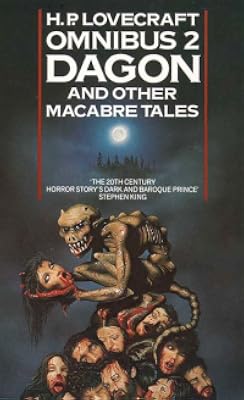
The H. P. Lovecraft Omnibus 2: Dagon and Other Macabre Tales
by H. P. Lovecraft
H. P. Lovecraft Omnibus (2), Lovecraft Arkham House Collections (3)
On This Page
Description
I cannot think of the deep sea without shuddering at the nameless things that may at this very moment be crawling and floundering on its slimy bed, worshipping their ancient stone idols and carving their own detestable likenesses on submarine obelisks of water-soaked granite.Tags
Recommendations







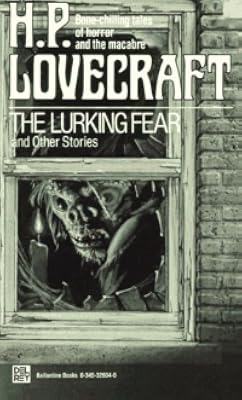


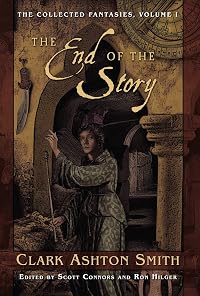
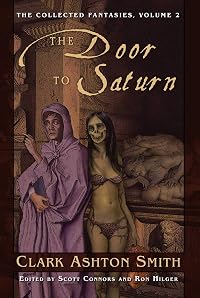


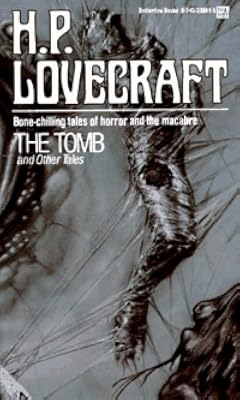













Member Recommendations

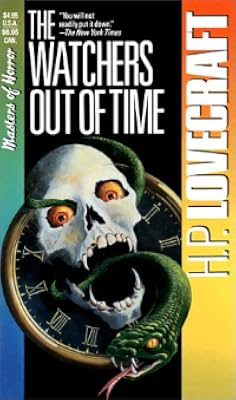
AndreasJ Dunsany was one of Lovecraft's main influences, and "Dagon" contains his most Dunsanian stories.
Member Reviews
Hace más de 20 años que leí por primera vez estos cuentos y siguen pareciéndome igual de inquietantes y extraordinarios. Lovecraft era capaz de escribir las historias más espeluznantes, que iban más allá de nuestra imaginación.
Hay veces que me pregunto qué seres invisibles estarán surcando el aire en mi misma habitación, inquietud que me viene después de leer el relato 'Del más allá'. Al igual que considero 'Herbert West, reanimador' uno de los relatos más macabros jamás escritos.
Para disfrutar de Lovecraft, hay que dejarse llevar por su prosa y abstraerse completamente en sus historias. Y si se leen de noche, mejor que mejor.
Estos son los cuentos contenidos en esta recopilación, con un pequeño apunte sobre cada uno de show more ellos:
- Dagón. Un naúfrago recuerda la visión de pesadilla que presenció en mitad del océano.
- La tumba. Jervas nos relata cómo llegó al centro para enfermos mentales en el que está recluido; de su afición por lo invisible y, sobre todo, de su obsesión por la cripta de los Hyde.
- Polaris. La Estrella Polar provoca en un hombre visiones cósmicas de una ciudad mítica de la que está seguro que es habitante.
- Más allá del muro del sueño. Testimonio de un empleado de una institución para enfermos mentales sobre sus experiencias con Joe Slater, recluído por asesinato, sobre la vida onírica durante el sueño.
- La Nave Blanca. Un farero es reclamado una noche de luna llena por un misterioso barco, con el que viajará a países más allá de los sueños.
- Arthur Jermyn. Arthur se suicidó prendiéndose fuego después de haber recibido cierto objeto. El relato trata de esclarecer tanto sus motivaciones, como las desgracias que acontecieron a sus antepasados. Parece que algo tuvo que ver una misteriosa ciudad perdida en la selva del Congo.
- Los gatos de Ulthar. En Ulthar está prohibido matar gatos...
- Celephais. Kuranes vive en sus sueños, donde busca desesperadamente la ciudad de Celephais.
- Del más allá. Crawford Tillinghast le hace una demostración a su mejor amigo del funcionamiento de su invento, una máquina que permite ver todos los mundos y seres invisibles que nos rodean.
- El templo. Un submarino alemán cae bajo la maldición de un objeto perteneciente a una remota civilización subacuática.
- El árbol. Historia sobre Kalós y Musides, dos escultores a los que se les encarga la realización de la más magnífica obra.
- El pantano de la luna. El protagonista nos relata la desaparición de su amigo Denys Barry, que compró un castillo en un pueblo de Irlanda para su restauración, y donde planeaba también desecar el pantano adyacente.
- La ciudad sin nombre. "Al acercarme a la ciudad sin nombre me di cuenta de que estaba maldita."
- Los otros dioses. Barzai y Atal, habitantes de Ulthar, quieren llegar al pico más alto del mundo, donde viven los dioses de la tierra, que detestan ser observados por los hombres.
- La búsqueda de Iranon. Iranon viaja de ciudad en ciudad cantando canciones, en busca de la mítica ciudad de Airá.
- Herbert West, reanimador. "Herbert West necesitaba cadáveres frescos porque el trabajo de su vida era la reanimación de los muertos." Historia en la que el amigo y ayudante de West nos narra todos los experimentos y horrores que ultimaron, hasta la misteriosa desaparición de West.
- El sabueso. El protagonista y St. John, amantes de las emociones fuertes y de lo esotérico, viajan a Holanda dispuestos a profanar la tumba de otro profanador muerto hace siglos. En su interior se encuentra un amuleto, que roban. Y mientras, en la noche, se oyen los aullidos del un sabueso gigantesco.
- Hipnos. Dos amigos experimentan con drogas para conocer lo irreal, lo oculto tras los sueños. Pero no son conscientes de los horrores que pueden encontrarse.
- El horror oculto. En la Montaña de las Tempestades se encuentra la mansión Martense, maldita desde hace siglos. En las aldeas vecinas se están cometiendo horribles crímenes, que un investigador está empeñado en descrifrar. ¿Qué abominaciones oculta esta montaña, que en las noches de tormenta se suceden las mayores pesadillas?
- Lo innombrable. Carter, escritor de relatos de terror, y Manton, un profesor amigo suyo, disertan sentados en una antigua tumba sobre el terror sin forma, lo innombrable, haciendo mención también de una historia de un ser monstruoso que habitaba en un ático. show less
Hay veces que me pregunto qué seres invisibles estarán surcando el aire en mi misma habitación, inquietud que me viene después de leer el relato 'Del más allá'. Al igual que considero 'Herbert West, reanimador' uno de los relatos más macabros jamás escritos.
Para disfrutar de Lovecraft, hay que dejarse llevar por su prosa y abstraerse completamente en sus historias. Y si se leen de noche, mejor que mejor.
Estos son los cuentos contenidos en esta recopilación, con un pequeño apunte sobre cada uno de show more ellos:
- Dagón. Un naúfrago recuerda la visión de pesadilla que presenció en mitad del océano.
- La tumba. Jervas nos relata cómo llegó al centro para enfermos mentales en el que está recluido; de su afición por lo invisible y, sobre todo, de su obsesión por la cripta de los Hyde.
- Polaris. La Estrella Polar provoca en un hombre visiones cósmicas de una ciudad mítica de la que está seguro que es habitante.
- Más allá del muro del sueño. Testimonio de un empleado de una institución para enfermos mentales sobre sus experiencias con Joe Slater, recluído por asesinato, sobre la vida onírica durante el sueño.
- La Nave Blanca. Un farero es reclamado una noche de luna llena por un misterioso barco, con el que viajará a países más allá de los sueños.
- Arthur Jermyn. Arthur se suicidó prendiéndose fuego después de haber recibido cierto objeto. El relato trata de esclarecer tanto sus motivaciones, como las desgracias que acontecieron a sus antepasados. Parece que algo tuvo que ver una misteriosa ciudad perdida en la selva del Congo.
- Los gatos de Ulthar. En Ulthar está prohibido matar gatos...
- Celephais. Kuranes vive en sus sueños, donde busca desesperadamente la ciudad de Celephais.
- Del más allá. Crawford Tillinghast le hace una demostración a su mejor amigo del funcionamiento de su invento, una máquina que permite ver todos los mundos y seres invisibles que nos rodean.
- El templo. Un submarino alemán cae bajo la maldición de un objeto perteneciente a una remota civilización subacuática.
- El árbol. Historia sobre Kalós y Musides, dos escultores a los que se les encarga la realización de la más magnífica obra.
- El pantano de la luna. El protagonista nos relata la desaparición de su amigo Denys Barry, que compró un castillo en un pueblo de Irlanda para su restauración, y donde planeaba también desecar el pantano adyacente.
- La ciudad sin nombre. "Al acercarme a la ciudad sin nombre me di cuenta de que estaba maldita."
- Los otros dioses. Barzai y Atal, habitantes de Ulthar, quieren llegar al pico más alto del mundo, donde viven los dioses de la tierra, que detestan ser observados por los hombres.
- La búsqueda de Iranon. Iranon viaja de ciudad en ciudad cantando canciones, en busca de la mítica ciudad de Airá.
- Herbert West, reanimador. "Herbert West necesitaba cadáveres frescos porque el trabajo de su vida era la reanimación de los muertos." Historia en la que el amigo y ayudante de West nos narra todos los experimentos y horrores que ultimaron, hasta la misteriosa desaparición de West.
- El sabueso. El protagonista y St. John, amantes de las emociones fuertes y de lo esotérico, viajan a Holanda dispuestos a profanar la tumba de otro profanador muerto hace siglos. En su interior se encuentra un amuleto, que roban. Y mientras, en la noche, se oyen los aullidos del un sabueso gigantesco.
- Hipnos. Dos amigos experimentan con drogas para conocer lo irreal, lo oculto tras los sueños. Pero no son conscientes de los horrores que pueden encontrarse.
- El horror oculto. En la Montaña de las Tempestades se encuentra la mansión Martense, maldita desde hace siglos. En las aldeas vecinas se están cometiendo horribles crímenes, que un investigador está empeñado en descrifrar. ¿Qué abominaciones oculta esta montaña, que en las noches de tormenta se suceden las mayores pesadillas?
- Lo innombrable. Carter, escritor de relatos de terror, y Manton, un profesor amigo suyo, disertan sentados en una antigua tumba sobre el terror sin forma, lo innombrable, haciendo mención también de una historia de un ser monstruoso que habitaba en un ático. show less
The ancient house has always been there, and people say One dwells therein who talks with the morning mists that come up from the deep, and perhaps sees singular things oceanward at those times when the cliff’s rim becomes the rim of all earth, and solemn buoys toll free in the white aether of faery. This they tell from hearsay, for that forbidding crag is always unvisited, and natives dislike to train telescopes on it. Summer boarders have indeed scanned it with jaunty binoculars, but have never seen more than the grey primeval roof, peaked and shingled, whose eaves come nearly to the grey foundations, and the dim yellow light of the little windows peeping out from under those eaves in the dusk. These summer people do not believe show more that the same One has lived in the ancient house for hundreds of years, but cannot prove their heresy to any real Kingsporter.
This volume includes a lot of Lovecraft's shorter stories, plus some of his earliest stories and unfinished fragments. My favourite stories include "The Strange High House in the Mist", which is extremely spooky and atmospheric without being frightening, and “The Moon-bog”, which warns anyone who makes a lot of money not under any circumstances to buy their ancestral home and decided to renovate it. That never ends well. At the other end of the spectrum is "The Horror at Red Hook" which is rather unpleasant.
The last ninety pages are taken up by Lovecraft's essay, "Supernatural Horror in Literature", which covers the history of supernatural literature from its roots in myths and legend, through the Gothic novels of the late 18th century, and ending with Arthur Machen and M. R. James. Lovecraft manages to be insulting about practically every author he mentions, even those whose work he rates highly, such as Edgar Allen Poe whose "pretence to profound and obscure scholarship, his blundering ventures in stilted and laboured pseudo-humor, and his often vitriolic outbursts of critical prejudice must all be recognized and forgiven", and mocks Lord Lytton's "amusingly serious occult studies".
Lovecraft doesn't seem worried about spoiling the end of the stories he mentions, but having read the essay I now have plenty more books and stories to add to my wish list. show less
This volume includes a lot of Lovecraft's shorter stories, plus some of his earliest stories and unfinished fragments. My favourite stories include "The Strange High House in the Mist", which is extremely spooky and atmospheric without being frightening, and “The Moon-bog”, which warns anyone who makes a lot of money not under any circumstances to buy their ancestral home and decided to renovate it. That never ends well. At the other end of the spectrum is "The Horror at Red Hook" which is rather unpleasant.
The last ninety pages are taken up by Lovecraft's essay, "Supernatural Horror in Literature", which covers the history of supernatural literature from its roots in myths and legend, through the Gothic novels of the late 18th century, and ending with Arthur Machen and M. R. James. Lovecraft manages to be insulting about practically every author he mentions, even those whose work he rates highly, such as Edgar Allen Poe whose "pretence to profound and obscure scholarship, his blundering ventures in stilted and laboured pseudo-humor, and his often vitriolic outbursts of critical prejudice must all be recognized and forgiven", and mocks Lord Lytton's "amusingly serious occult studies".
Lovecraft doesn't seem worried about spoiling the end of the stories he mentions, but having read the essay I now have plenty more books and stories to add to my wish list. show less
I haven't had any interest in reading more Lovecraft in a long time, but this has been sitting on my shelf taunting me to pick it up for probably years at this point. For the most part, it's pretty bland compared to other Lovecraft collections I've read, though it admittedly has a much more far-ranging and interesting selection than those other collections. Really, I'd say this is pretty skippable - the only stories worth looking up are The Unnameable, which feels like Lovecraft going after his critics, but in a charming sort of way, and Beyond the Walls of Eryx, which is actually a pretty unsettling science fiction story unfortunately compromised by Lovecraft's racism, which, on that note, I'm definitely done with Lovecraft now.
"De repente, me llamó la atención un objeto singular que había en la ladera opuesta, el cual se erguía enhiesto como a un centenar de yardas de donde estaba yo; objeto que brilló con un resplandor blanquecino al recibir de pronto los primeros rayos de la luna ascendente. "
Este cuento tiene todo lo que esperas de Lovecraft, misterio, atmosfera y un narrador que te hace dudar de todo. La ambientación hace sentir aprisionado y aunque hoy día no parezca terrorífico lo que ha trascendido es la sensacion de abandono y desesperanza.
El final
en el estilo de Lovecraft, obviamente.
Este cuento tiene todo lo que esperas de Lovecraft, misterio, atmosfera y un narrador que te hace dudar de todo. La ambientación hace sentir aprisionado y aunque hoy día no parezca terrorífico lo que ha trascendido es la sensacion de abandono y desesperanza.
El final
en el estilo de Lovecraft, obviamente.
Again (as with [b:The Tomb|8716987|The Tomb|H.P. Lovecraft|https://images.gr-assets.com/books/1330146818s/8716987.jpg|13589891]), rather amazing how the themes spring out fully formed; this time an unexpected, innocent encounter with ancient oceanic alien life provokes instant madness, also the barest suggestion that death may not allow escape. (Also evident is Lovecraft's amazing ability to make the reader actively wish for the immediate demise of his narrator almost as soon as said narration begins. This unfortunately works at cross-purposes to the feeling of horror and pity that would be required to make this story really work.)
(Moved 2015 review to the individual work Sept. 2017 to make room to review the collection under its own show more entry.) show less
(Moved 2015 review to the individual work Sept. 2017 to make room to review the collection under its own show more entry.) show less
A collection of Lovecraft's earlier works of short fiction. Some memorable, oft-reprinted works such as "From Beyond," "Beyond the Wall of Sleep" and the title story, and an about equal amount of stories that are more obscure for a reason: they're not very good. There is at least one story that Lovecraft himself didn't wish published.
"The Street" is rather amusing; a tale of swarthy invaders plotting to destroy America, it reads like a Republican tract!
There are much stronger reasonably-priced collections out there.
"The Street" is rather amusing; a tale of swarthy invaders plotting to destroy America, it reads like a Republican tract!
There are much stronger reasonably-priced collections out there.
The other reviewer is mistaken to call these texts unedited, for they are the editorial work of S. T. Joshi. Joshi has labored to restore these texts, as close as possible, to Lovecraft's original versions; but in some cases those originals are not extant, and thus Joshi, using his intimate familiarity with Lovecraft's narrative styles, gives us the texts to what he feels is as close as possible to the originals. This edition is called a "Corrected Edition," and it repairs some of the poor editorial choices made by August Derleth when the initial Arkham House editions were published. A valuable Note on the Texts is included which succinctly describes what is what, what the sources for these texts are, &c.
As a collection, this brings us show more Lovecraft in all of his creative variety. Although much of the contents is considered Lovecraft's "minor" tales, he was so original and possessed such a strange imagination that much of these stories are as fascinating and original as when they first appeared, almost one century ago. (It is weird to think how long ago these tales were written, because in my mind I still think of Lovecraft as a modern writer.) Lovecraft's originality comes, in part, from his working in all three genres of fantasy, science fiction and horror at times combining the genres so as to produce that which is now considered "Lovecraftian."
The book begins with an excellent and lengthy Introduction by one of the greatest horror writers of all time, T. E. D. Klein (if you've not read his paperback collection, DARK GODS, seek it out and be amazed!), and concludes with Lovecraft's own remarkable survey of weird fiction, "Supernatural Horror in Literature." If you are new to Lovecraft I wouldn't begin with this book, but would rather choose THE DUNWICH HORROR AND OTHERS from Arkham House, or THE CALL OF CTHULHU AND OTHER WEIRD STORIES from Penguin Modern Classics. show less
As a collection, this brings us show more Lovecraft in all of his creative variety. Although much of the contents is considered Lovecraft's "minor" tales, he was so original and possessed such a strange imagination that much of these stories are as fascinating and original as when they first appeared, almost one century ago. (It is weird to think how long ago these tales were written, because in my mind I still think of Lovecraft as a modern writer.) Lovecraft's originality comes, in part, from his working in all three genres of fantasy, science fiction and horror at times combining the genres so as to produce that which is now considered "Lovecraftian."
The book begins with an excellent and lengthy Introduction by one of the greatest horror writers of all time, T. E. D. Klein (if you've not read his paperback collection, DARK GODS, seek it out and be amazed!), and concludes with Lovecraft's own remarkable survey of weird fiction, "Supernatural Horror in Literature." If you are new to Lovecraft I wouldn't begin with this book, but would rather choose THE DUNWICH HORROR AND OTHERS from Arkham House, or THE CALL OF CTHULHU AND OTHER WEIRD STORIES from Penguin Modern Classics. show less
Members
- Recently Added By
Lists

Classics you know you should have read but probably haven't
421 works; 409 members

Books Read in 2018
4,360 works; 110 members

Books Read in 2022
5,226 works; 115 members
Author Information

1,933+ Works 74,055 Members
Howard Phillips Lovecraft, 1890 - 1937 H. P. Lovecraft was born on August 20, 1890 in Providence, Rhode Island. His mother was Sarah Susan Phillips Lovecraft and his father was Winfield Scott Lovecraft, a traveling salesman for Gorham & Co. Silversmtihs. Lovecraft was reciting poetry at the age of two and when he was three years old, his father show more suffered a mental breakdown and was admitted to Butler Hospital. He spent five years there before dying on July 19, 1898 of paresis, a form of neurosyphillis. During those five years, Lovecraft was told that his father was paralyzed and in a coma, which was not the case. His mother, two aunts and grandfather were now bringing up Lovecraft. He suffered from frequent illnesses as a boy, many of which were psychological. He began writing between the ages of six and seven and, at about the age of eight, he discovered science. He began to produce the hectographed journals, "The Scientific Gazette" (1899-1907) and "The Rhode Island Journal of Astronomy" (1903-07). His first appearance in print happened, in 1906, when he wrote a letter on an astronomical matter to The Providence Sunday Journal. A short time later, he began writing a monthly astronomy column for The Pawtuxet Valley Gleaner - a rural paper. He also wrote columns for The Providence Tribune (1906-08), The Providence Evening News (1914-18), The Asheville (N.C.) Gazette-News (1915). In 1904, his grandfather died and the family suffered severe financial difficulties, which forced him and his mother to move out of their Victorian home. Devastated by this, he apparently contemplated suicide. In 1908, before graduating from high school, he suffered a nervous breakdown. He didn't receive a diploma and failed to get into Brown University, both of which caused him great shame. Lovecraft was not heard from for five years, re-emerging because of a letter he wrote in protest to Fred Jackson's love story in The Argosy. His letter was published in 1913 and caused great controversy, which was noted by Edward F. Daas, President of the United Amateur Press Association (UAPA). Daas invited Lovecraft to join the UAPA, which he did in early 1914. He eventually became President and Official Editor of the UAPA and served briefly as President of the rival National Amateur Press Association (NAPA). He published thirteen issues of his own paper, The Conservative (1915-23) and contributed poetry and essays to other journals. He also wrote some fiction which titles include "The Beast in the Cave" (1905), "The Alchemist" (1908), "The Tomb" and "Dagon" (1917). In 1919, Lovecraft's mother was deteriorating, mentally and physically, and was admitted to Butler Hospital. On May 24, 1921, his mother died from a gall bladder operation. While attending an amateur journalism convention in Boston, Lovecraft met his future wife Sonia Haft Greene, a Russian Jew. They were married on March 3, 1924 and Lovecraft moved to her apartment in Brooklyn. Sonia had a shop on Fifth Avenue that went bankrupt. In 1925, Sonia went to Cleveland for a job and Lovecraft moved to a smaller apartment in the Red Hook district of Brooklyn. In 1926, he decided to move back to Providence. Lovecraft had his aunts bar his wife, Sonia, from going to Providence to start a business because he couldn't have the stigma of a tradeswoman wife. They were divorced in 1929. After his return to Providence, he wrote his greatest fiction, which included the titles "The Call of Cthulhu" (1926), "At the Mountains of Madness" (1931), and "The Shadow Out of Time" (1934-35). In 1932, his aunt, Mrs. Clark, died; and he moved in with his other aunt, Mrs. Gamwell, in 1933. Suffering from cancer of the intestine, Lovecraft was admitted to Jane Brown Memorial Hospital and on March 15, 1937 he died. (Bowker Author Biography) show less
All Editions
Some Editions
Series


Work Relationships
Contains
Common Knowledge
- Canonical title
- The H. P. Lovecraft Omnibus 2: Dagon and Other Macabre Tales
- Original title
- Dagon and Other Macabre Tales
- Original publication date
- 1985 (anthology) (anthology)
- Publisher's editor
- Colin J.E. Lupton
- Original language
- English
- Canonical DDC/MDS
- 813.087340
Classifications
- Genres
- Horror, Fiction and Literature, Fantasy
- DDC/MDS
- 813.087340 — Literature & rhetoric American literature in English American fiction in English By type Genre fiction Adventure fiction Horror fiction; Ghost fiction Weird fiction Cosmic horror
- LCC
- PS3523 .O833 .D3 — Language and Literature American literature American literature Individual authors 1900-1960
- BISAC
Statistics
- Members
- 1,452
- Popularity
- 16,185
- Reviews
- 19
- Rating
- (3.96)
- Languages
- 9 — Czech, English, French, German, Italian, Polish, Portuguese, Spanish, Swedish
- Media
- Paper, Audiobook, Ebook
- ISBNs
- 45
- ASINs
- 38