On This Page
Description
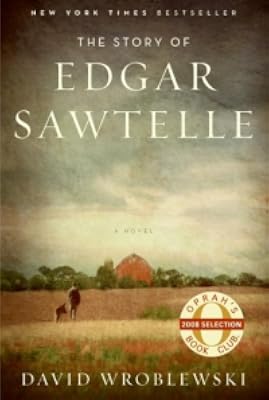
A tale reminiscent of "Hamlet" that also celebrates the alliance between humans and dogs follows speech-disabled Wisconsin youth Edgar, who bonds with three yearling canines and struggles to prove that his sinister uncle is responsible for his father's death.Tags
Recommendations
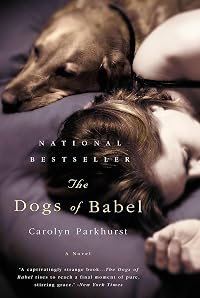
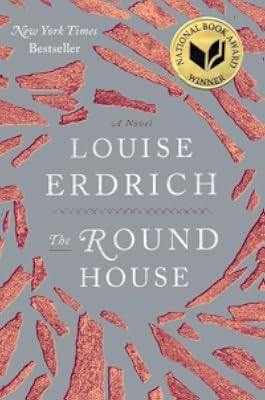
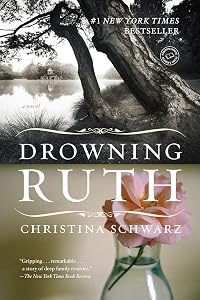
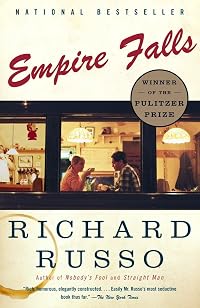
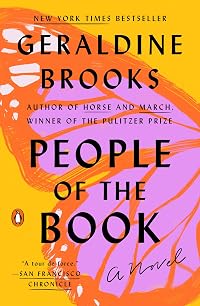
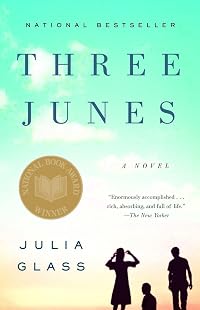
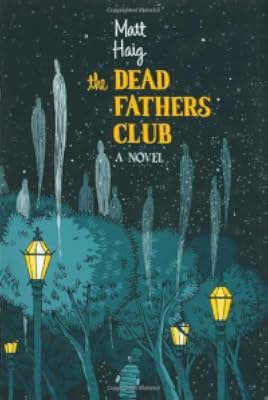
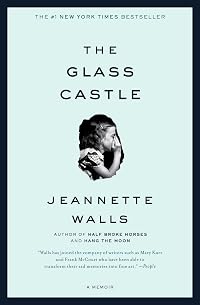
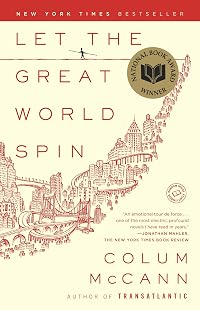
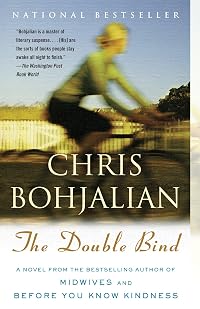
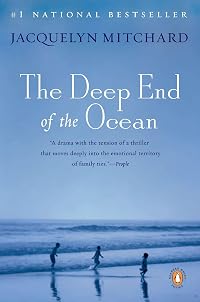
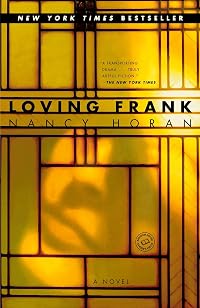

Member Recommendations
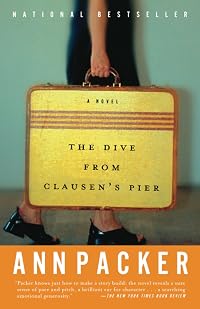
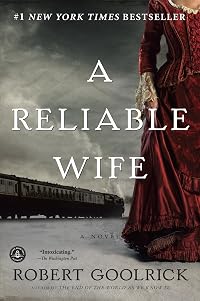
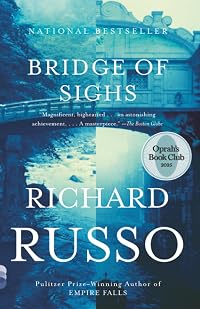
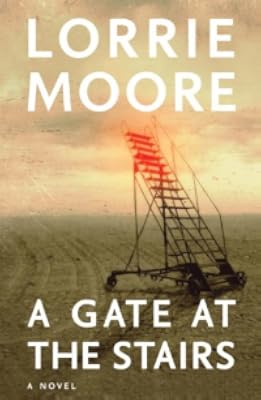
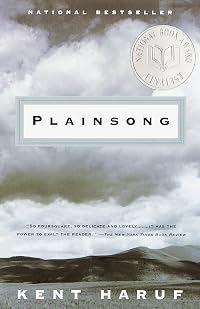
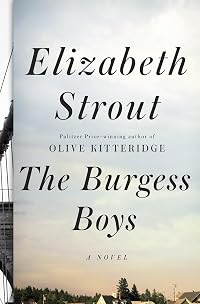
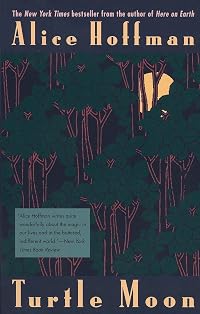
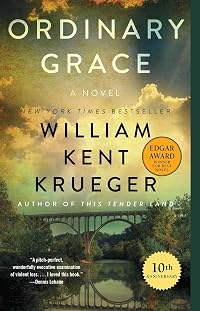
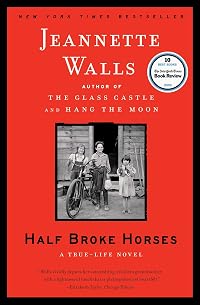
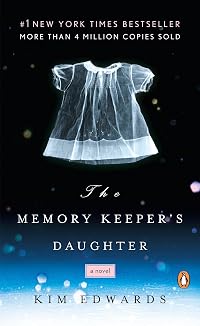
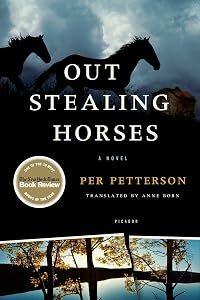
Bookshop_Lady Coming-of-age stories, family secrets, loss of parents - both wonderful books.
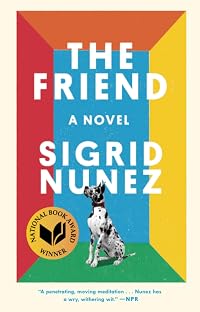
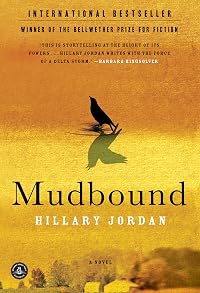
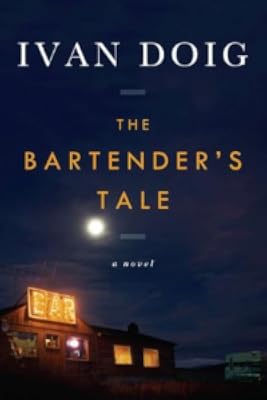
Ciruelo Both novels feature a sympathetic young man as the main character, an isolated rural setting, and a ghost.

LDVoorberg If you read and liked The Maestro as a teen, as an you'll probably like at least Part 2 of The Story of Edgar Sawtelle because of the adventure/survival aspect to the plot.
Member Reviews
This is two completely different books. The first couple hundred pages develop a rich atmosphere with complex characters and an interesting look at dog breeding. Then, somewhere along the line the writing style changes. The characters degenerate into complete morons and the story begins to feels like contrived suspense. It’s all plot driven, as the concept of show, don’t tell is flipped backward to just tell everything, especially those critical little details that were left out in earlier parts for no reason and are brought up just as they become relevant. And this goes on for several hundred pages. It's a very strange change. It feels like it was written by two different authors, one exceptionally crafty and the other blindly show more hacking out a plot without regard to story. show less
I'm not going to do this novel justice, but I'll do my best.
I read this book when it first came out twelve (!) years ago. It had two strikes against it at the time, and one plus. The two strikes were that it was absolutely not a book I would normally read. A family that raises dogs? A mute protagonist? Based on Hamlet? Hell no, count me out. And count me out twice as hard, because it was an Oprah's Book Club selection (I'd read a couple of her other choices and despised them both).
The one plus (which is a dubious one at best) was that Stephen King liked it. Dubious plus, because a lot of the stuff he likes ain't that good either.
Regardless, for whatever reason (maybe it was deeply discounted? I can't remember now), I bought it, I read show more it, and I absolutely loved it.
Loved it more than any other book I'd ever read.
In the twelve years since, I've learned to adore Shakespeare, so that Hamlet thing doesn't bother me at all now. And I'd been recommending it in the past three years at the bookstore I work at. But, if I was being honest, I couldn't remember a lot about the book anymore.
And then I got talking to someone who's since turned into (in the words of Jim Croce) "my best old ex-friend" who will never read this, because I've defriended them everywhere. Anyway, we'd planned a read of it, but then they got stupid and I got fed up. The re-read on my end was put on hold.
And then, it was autumn, and it just seemed right to read it again.
And that's the Story of Tobin Elliott coming to the re-read of The Story of Edgar Sawtelle. I will say I was nervous to pick this up again. Would I like it as much?
I shouldn't have worried. This book tugs at my heart like no other book ever has. Wroblewski's writing is beautiful to read, with sublime word choices creating wonderfully real imagery in my mind. The book is so grounded in perfect observations of the world that Edgar's world (and Almondine, his faithful dog) is as real as our own.
Which works perfectly when the author introduces some slight supernatural elements. They become as real and believable as all the rest.
Throughout the reading of this book, I laughed at the silliness of the dog's antics at times. I teared up at the tragic events. But I've done that with books before. King's [b:The Green Mile|11566|The Green Mile|Stephen King|https://i.gr-assets.com/images/S/compressed.photo.goodreads.com/books/1373903563l/11566._SY75_.jpg|15599] crushed me on three separate occasions toward the end of that particular story.
But here, for the first time, Wroblewski held a new power over me. With a simple sentence, he would reveal something, and I would groan with the knowledge of what that observation would bring to the characters. With a few words, he would make me gasp in revelation, or fear, or agony. Characters don't just die in this book, you know these characters, so their passing is a grief-stricken event for the reader. You feel their passing. You hurt for those left behind to mourn their passing.
Others have stated that there's no story here. Respectfully, they're wrong. There's two stories. There's the passing of a boy into manhood, a child who loses his father, and learns to take on the weights of the world, and to try to do what's right.
But the other story is about the Sawtelle dogs. We learn about them in the first half through Almondine, but we get to know them in the second half, and to realize their fate at the end.
And Wroblewski does it with large nods to both the aforementioned Hamlet, but also (and I'd somehow forgotten this) through Kipling's The Jungle Book. Not just paying lip service to either story, but incorporating important elements from each into his own story and bending them to his service, brilliantly.
This is the closest I think I'll ever come to reading an absolutely perfect novel. Twelve years ago, I declared this my absolute favourite book of all time. Today, I will hold that declaration up as truth. It still stands.
This is my favourite book.
Ever. show less
I read this book when it first came out twelve (!) years ago. It had two strikes against it at the time, and one plus. The two strikes were that it was absolutely not a book I would normally read. A family that raises dogs? A mute protagonist? Based on Hamlet? Hell no, count me out. And count me out twice as hard, because it was an Oprah's Book Club selection (I'd read a couple of her other choices and despised them both).
The one plus (which is a dubious one at best) was that Stephen King liked it. Dubious plus, because a lot of the stuff he likes ain't that good either.
Regardless, for whatever reason (maybe it was deeply discounted? I can't remember now), I bought it, I read show more it, and I absolutely loved it.
Loved it more than any other book I'd ever read.
In the twelve years since, I've learned to adore Shakespeare, so that Hamlet thing doesn't bother me at all now. And I'd been recommending it in the past three years at the bookstore I work at. But, if I was being honest, I couldn't remember a lot about the book anymore.
And then I got talking to someone who's since turned into (in the words of Jim Croce) "my best old ex-friend" who will never read this, because I've defriended them everywhere. Anyway, we'd planned a read of it, but then they got stupid and I got fed up. The re-read on my end was put on hold.
And then, it was autumn, and it just seemed right to read it again.
And that's the Story of Tobin Elliott coming to the re-read of The Story of Edgar Sawtelle. I will say I was nervous to pick this up again. Would I like it as much?
I shouldn't have worried. This book tugs at my heart like no other book ever has. Wroblewski's writing is beautiful to read, with sublime word choices creating wonderfully real imagery in my mind. The book is so grounded in perfect observations of the world that Edgar's world (and Almondine, his faithful dog) is as real as our own.
Which works perfectly when the author introduces some slight supernatural elements. They become as real and believable as all the rest.
Throughout the reading of this book, I laughed at the silliness of the dog's antics at times. I teared up at the tragic events. But I've done that with books before. King's [b:The Green Mile|11566|The Green Mile|Stephen King|https://i.gr-assets.com/images/S/compressed.photo.goodreads.com/books/1373903563l/11566._SY75_.jpg|15599] crushed me on three separate occasions toward the end of that particular story.
But here, for the first time, Wroblewski held a new power over me. With a simple sentence, he would reveal something, and I would groan with the knowledge of what that observation would bring to the characters. With a few words, he would make me gasp in revelation, or fear, or agony. Characters don't just die in this book, you know these characters, so their passing is a grief-stricken event for the reader. You feel their passing. You hurt for those left behind to mourn their passing.
Others have stated that there's no story here. Respectfully, they're wrong. There's two stories. There's the passing of a boy into manhood, a child who loses his father, and learns to take on the weights of the world, and to try to do what's right.
But the other story is about the Sawtelle dogs. We learn about them in the first half through Almondine, but we get to know them in the second half, and to realize their fate at the end.
And Wroblewski does it with large nods to both the aforementioned Hamlet, but also (and I'd somehow forgotten this) through Kipling's The Jungle Book. Not just paying lip service to either story, but incorporating important elements from each into his own story and bending them to his service, brilliantly.
This is the closest I think I'll ever come to reading an absolutely perfect novel. Twelve years ago, I declared this my absolute favourite book of all time. Today, I will hold that declaration up as truth. It still stands.
This is my favourite book.
Ever. show less
Occasionally, I forget I’m reading. Those rare, happy moments when the story completely transcends the page keep me coming back to the printed word again and again. [The Story of Edgar Sawtelle] captured my imagination in just such a way.
Advance praise for the book, and some early glowing reviews, created a level of hype that often does a book like this a disservice. Inevitably, the reading experience for every reader doesn’t match the hype. So, rather than lavish the book and its writer, David Wroblewski, with too many more superlatives, I just want to mention a couple of things in my encouragement to read this book.
One common thread for many of the negative reviews is a feeling that the ending cheats the reader in some way. My show more defense here is that the book is a re-working of Shakespere’s Hamlet. I am by no means a huge fan of the bard, but I know enough about his tragedies to know a little about what to expect in the last few scenes. And, while my expectations were met, the ending felt absolutely true to the themes of the book. Edgar, before setting himself on Hamlet’s fatal path, considers and decides that there are sometimes grave consequences for choices, even when those choices ring with sincere nobility and genuine goodness.
Another oft voiced complaint centers around Wroblewski’s narratives written from the perspectives of the dogs that are central to the story. In full disclosure, I am a dog person. But I found the short canine narratives compelling. They were balanced, neither over-humanized nor overly simplistic. Did Wroblewski accurately tap into the mind of a dog? Did he attribute too much or too little intelligence to their thought process? How are we to really know? But the short passages felt like an honest and instinctive attempt to describe how dogs relate to the world around them.
The final thing that should recommend this book to you is Wroblewski’s rare talent for language. The prose sings with a beauty that is rare in modern American literature. If anything breaks your reading trance, it will be the urge to pause and re-read, to bask in the talent of a true word-smith.
Five bones!!!!!
Another favorite read for the year. show less
Advance praise for the book, and some early glowing reviews, created a level of hype that often does a book like this a disservice. Inevitably, the reading experience for every reader doesn’t match the hype. So, rather than lavish the book and its writer, David Wroblewski, with too many more superlatives, I just want to mention a couple of things in my encouragement to read this book.
One common thread for many of the negative reviews is a feeling that the ending cheats the reader in some way. My show more defense here is that the book is a re-working of Shakespere’s Hamlet. I am by no means a huge fan of the bard, but I know enough about his tragedies to know a little about what to expect in the last few scenes. And, while my expectations were met, the ending felt absolutely true to the themes of the book. Edgar, before setting himself on Hamlet’s fatal path, considers and decides that there are sometimes grave consequences for choices, even when those choices ring with sincere nobility and genuine goodness.
Another oft voiced complaint centers around Wroblewski’s narratives written from the perspectives of the dogs that are central to the story. In full disclosure, I am a dog person. But I found the short canine narratives compelling. They were balanced, neither over-humanized nor overly simplistic. Did Wroblewski accurately tap into the mind of a dog? Did he attribute too much or too little intelligence to their thought process? How are we to really know? But the short passages felt like an honest and instinctive attempt to describe how dogs relate to the world around them.
The final thing that should recommend this book to you is Wroblewski’s rare talent for language. The prose sings with a beauty that is rare in modern American literature. If anything breaks your reading trance, it will be the urge to pause and re-read, to bask in the talent of a true word-smith.
Five bones!!!!!
Another favorite read for the year. show less
The Story of Edgar Sawtelle was a bit of a surprise. It is slow read, carefully presenting details of the environment and the characters for about 80 percent of the book. Then, in the final section, the story speeds up, switching perspectives more frequently to show the events from different points of view. It was very effective building to the climax.
I found the ending abrupt and heartbreaking, evidence of a well written book.
I found the ending abrupt and heartbreaking, evidence of a well written book.
Plot wise, this is Shakespeare's Hamlet - except brought into the modern era (1950s and 60s) and in rural Wisconsin. However, other than plot, this bears no resemblance to Shakespeare. Rather than being concise like Shakespeare and telling the story in about 100 pages, this author takes nearly 600. Despite these excess pages, the author doesn't really reach the psychological depths that Hamlet does. For some reason, he inundates the reader with mundane details that have nothing to do with progressing the storyline (for instance, a long narrative about the previous owner of the Sawtelle place, which never reveals itself to be necessary to the plot). Also, despite the lengthy and unnecessary detailing in the beginning of the book, show more questions are still left unanswered at the end of the book. The main characters are dog breeders and there are pages and pages and pages of descriptions about dogs, dog breeding, and dog training. I found this incredibly boring and at first chalked it up to not being a dog person. However, I realized that 1) if I was reading a novel that gave this much detail about cats, I would still be bored out of my brains and 2) this author had a way of writing that, to me, made an encounter with a ghost seem like the dullest thing that could possibly happen to a person. There were a few chapters written from the perspective of the family dog(s), which was just way too cheesy for me (I could deal with a dead mother narrating a chapter in Faulkner's As I Lay Dying because that revealed important details that would otherwise be missing, but these dog-narrated chapters didn't add much to the story). Overall, the book was interminably long and excessively dull. I definitely would not recommend - go read Hamlet instead (or even re-read Hamlet instead). show less
I’m having a hard time explaining how I feel about this one. It’s been a long time since a book so completely enraptured me and then utterly broke my heart. For starters, it is so beautifully written and it’s a tribute to the writer’s skill (I still can’t believe this is the author’s first novel), that I became so attached to the characters, especially the dogs. I’ve always been an animal lover and I have a really hard time with anything bad happening to animals in books, (Where the Red Fern Grows, The Yearling.) I’m particularly sensitive to cruelty to dogs and horses for some reason and so there were a few parts that were hard for me to read. Don’t get me wrong, this isn’t a book about cruelty towards animals, but show more the dogs are main characters in the book and there are some tough scenes. I’ve never read a book that expressed the psychology of a dog in such a vivid way.
Edgar is born mute to devoted parents who own a unique dog breeding and training company in Wisconsin. From the earliest chapters, where we meet Edgar’s parents Trudy and Gar, the story hooked me completely. It’s a slow moving novel, one that you sink into and hardly notice when 100 pages have past. The story is a loose retelling of Hamlet. The local vet, Doctor Papineau is Polonius, his son is the county sheriff and fills the role of Laertes. Edgar’s loyal dog, Almondine, is a twist on Ophelia. Now keep in mind that it’s not an exact retelling and so not all of the characters share the fates of their Hamlet counterparts, but knowing the general story in advance certainly cloaks the entire novel in a layer of portentousness.
The moments where the story was the most closely aligned with Shakespeare’s original tale were actually the sections that I thought didn’t work as well as the rest of the book. Maybe because it took the mystery out of it or maybe because it’s such a strong story in its own right, that adding a supernatural element and relying heavily on the revenge tale took away from the powerful characters Wroblewski created in the Sawtelle family.
It’s strange, the book could absolutely have 200 pages cut from its bulk to move the story along at a faster clip, but at the same time, the quiet moments where very little happened were some of my favorites. When Edgar is with his dogs, training or spending time with them, that’s when I felt the most connected to him as a character. When the plot was rolling forward with its tone of impending doom, headed inevitably towards the Hamlet conclusion, those were my least favorite parts. They felt a bit more forced, like they were violating the actions we had grown to expect from certain characters.
BOTTOM LINE: I couldn’t put it down, even when I was worried about a character or heartbroken over a scene, I still didn’t want to let it go. I almost felt tense while reading certain sections, but then I would relax into the comfortable comradery Edgar had with the dogs. It’s one of the most unique reading experiences I’ve had in a long time and I know I’ll be thinking about Edgar, Almondine, Tinder, Essay and Baboo for a long time. The only reason it didn’t get 5 stars is because I can’t imagine putting myself through reading it again.
“From the look on his face I could see he was one of the lucky ones; one of those people who liked doing what they’re good at. That’s rare.” show less
Edgar is born mute to devoted parents who own a unique dog breeding and training company in Wisconsin. From the earliest chapters, where we meet Edgar’s parents Trudy and Gar, the story hooked me completely. It’s a slow moving novel, one that you sink into and hardly notice when 100 pages have past. The story is a loose retelling of Hamlet. The local vet, Doctor Papineau is Polonius, his son is the county sheriff and fills the role of Laertes. Edgar’s loyal dog, Almondine, is a twist on Ophelia. Now keep in mind that it’s not an exact retelling and so not all of the characters share the fates of their Hamlet counterparts, but knowing the general story in advance certainly cloaks the entire novel in a layer of portentousness.
The moments where the story was the most closely aligned with Shakespeare’s original tale were actually the sections that I thought didn’t work as well as the rest of the book. Maybe because it took the mystery out of it or maybe because it’s such a strong story in its own right, that adding a supernatural element and relying heavily on the revenge tale took away from the powerful characters Wroblewski created in the Sawtelle family.
It’s strange, the book could absolutely have 200 pages cut from its bulk to move the story along at a faster clip, but at the same time, the quiet moments where very little happened were some of my favorites. When Edgar is with his dogs, training or spending time with them, that’s when I felt the most connected to him as a character. When the plot was rolling forward with its tone of impending doom, headed inevitably towards the Hamlet conclusion, those were my least favorite parts. They felt a bit more forced, like they were violating the actions we had grown to expect from certain characters.
BOTTOM LINE: I couldn’t put it down, even when I was worried about a character or heartbroken over a scene, I still didn’t want to let it go. I almost felt tense while reading certain sections, but then I would relax into the comfortable comradery Edgar had with the dogs. It’s one of the most unique reading experiences I’ve had in a long time and I know I’ll be thinking about Edgar, Almondine, Tinder, Essay and Baboo for a long time. The only reason it didn’t get 5 stars is because I can’t imagine putting myself through reading it again.
“From the look on his face I could see he was one of the lucky ones; one of those people who liked doing what they’re good at. That’s rare.” show less
David Wrobleweski grabs the reader's heart and imagination early on in The Story of Edgar Sawtelle and doesn't let go. Wrobleweski creates a setting in which the reader feels long grass scratching the characters' legs, smells the barn filled with dogs, and hears the silence of Edgar's inability to speak. The reader gets immersed in Edgar's life, but often feels as disconnected as the characters within the pages of The Story of Edgar Sawtelle are from one another. Wrobleweski weaves a tale family function and dysfunction that draws the reader into the lives of the characters in way that at times feels voyeuristic. While at times the reader feels uncertain about the decisions of the characters and will be hesitant to read on in case show more something happens to one of the dogs, the need to know will overwhelm that hesitancy. The Story of Edgar Sawtelle develops the story that needs to be told without apologizing for the journey on which it takes the reader even when exposing the darkness and the mysteries that can develop in family dynamics. show less
Members
- Recently Added By
Published Reviews
ThingScore 94
The Story of Edgar Sawtelle is a dutiful procession through the main events of [Hamlet]. The Mousetrap scene, in which Edgar trains his dogs to act out his father’s murder in front of Claude, is marvelous—Wroblewski loves writing about dogs and he’s great at it—but the other pages are still covered by translucent drafter’s blueprints. Here’s Polonius, the meddler, here’s Laertes, show more the avenging son, and so on. (The Laertes figure isn’t introduced until page 489 and he’s as puzzled as the rest of us about why he’s supposed to kill a fourteen-year-old boy.) Wroblewski is only at pains to apply himself when there’s a chance his characters might become complicated and unsympathetic. show less
added by Shortride
The Story of Edgar Sawtelle, all 566 pages, is surprising and rewarding. It's worth savoring, both its story and its storytelling.
added by Katya0133
High literary art from a talent that bears watching.
added by Katya0133
Lists

Recommend the 20 best books you've read in the last five years
2,168 works; 608 members

Favourite Books
1,820 works; 308 members

Favorite Long Books
330 works; 42 members

Oprah's Book Club (original and 2.0)
91 works; 21 members

Best 21st Century Books (So Far)
679 works; 86 members

Magic Realism
371 works; 52 members

Unread books
1,063 works; 86 members

Top Five Books of 2015
811 works; 240 members

Favorite Animal Fiction
359 works; 156 members

Five star books
1,767 works; 110 members

Books Set in Wisconsin
25 works; 7 members

Powell's Indiespensable
79 works; 6 members

A Novel Cure
742 works; 23 members

Adult Books for YA Readers
194 works; 6 members

Stories Inspired by Other Fiction
127 works; 24 members
First Novels
373 works; 17 members

BingoDOG - Animals in Adult Fiction
78 works; 20 members

Biggest Disappointments
606 works; 165 members

Fiction with Men's Given Names in the Title
302 works; 10 members

Swinging Seventies
255 works; 18 members

Indie Next Picks
196 works; 4 members

Retellings of Shakespeare Plays
42 works; 12 members

AP Lit
363 works; 6 members

Bookshelf from Interstellar
62 works; 1 member
Author Information

4 Works 9,435 Members
David Wroblewski is the author of the internationally bestselling novel The Story Of Edgar Sawtelle, a 2008 Oprah Book Club pick, a Barnes and Noble Discover Great New Writers selection, winner of the 2008 Colorado Book Award, Indie Choice Best Author Discovery award, and the Midwest Bookseller Association's Choice award. The Story of Edgar show more Sawtelle has been translated into over 25 languages. David holds a degree in computer science from the University of Wisconsin and an M.F.A. in Creative Writing from the Warren Wilson M.F.A. Program for Writers. (Bowker Author Biography) show less
Some Editions
Awards and Honors
Awards
Distinctions
Notable Lists
Series

Belongs to Publisher Series
btb (74256)
Work Relationships
Has the (non-series) prequel
Was inspired by
Common Knowledge
- Canonical title
- The Story of Edgar Sawtelle
- Original title
- The Story of Edgar Sawtelle
- Alternate titles
- Edgar Sawtelle
- Original publication date
- 2008-06-01; 2008
- People/Characters
- Edgar Sawtelle; Gar Sawtelle; Trudy Sawtelle; Claude Sawtelle; John Sawtelle; Mary Sawtelle (show all 13); Forte (dog); Gary Papineau; Schultz; Almondine (dog); Dr. Page Papineau; Louisa Wilkes; Ida Paine
- Important places
- Wisconsin, USA; Pusan, South Korea
- Epigraph
- There is a grandeur in this view of life, with its several powers, having been originally breathed into a few forms or into one; and that, whilst this planet has gone cycling on according to the fixed law of gravity, from so ... (show all)simple a beginning endless forms most beautiful and most wonderful have been, and are being, evolved. ~Charles Darwin, The Origin of Species
- Dedication
- For Arthur and Ann Wroblewski
- First words
- After dark the rain began to fall again, but he had already made up his mind to go and anyway it had been raining for weeks.
- Quotations
- High in the crown of a charred tree, an owl revolved its dished face, and one branch down, three small replicas followed.
He thought of his father standing in the barn doorway peering skyward as a thunderstorm approached, while his mother shouted, ‘Gar, get indoors, for God’s sake.’ That was how it was, sometimes. You put yourself in front... (show all) of the thing and waited for whatever was going to happen and that was all. It scared you and it didn’t matter. You stood and faced it. There was no outwitting anything. … It was not a morbid thought, just the world as it existed. Sometimes you looked the thing in the eye and it turned away. Sometimes it didn’t.
He’d left in confusion, but his return was clarifying. So much of what had been obscure while he faced away was now evident. … So much of the world was governed by chance. … Life was a swarm of accidents waiting in the ... (show all)treetops, descending upon any living thing that passed, ready to eat them alive. You swam in a river of chance and coincidence. You clung to the happiest accidents—the rest you let float by. … Some things were certain—they had already happened—but the future would not be divined. … The future was no ally. A person had only his life to barter with.
Most people thought training meant forcing their will on a dog. Or that training required some magical gift. Both ideas were wrong. Real training meant watching, listening, diverting a dog’s exuberance, not suppressing it. ... (show all)You couldn’t change a river into a sea, but you could trace a new channel for it to follow. - Last words
- (Click to show. Warning: May contain spoilers.)Essay stepped into the grass. She stood, paw lifted to her chest, nose raised to scent the air, watching it all. For an instant, as the morning light brightened, everything in the field stood motionless. She looked behind her one last time, into the forest and along the way they'd come, and when she was sure all of them were together now and no others would appear, she turned and made her choice and began to cross.
- Publisher's editor
- Boudreaux, Lee; Ottewell, Miranda
- Blurbers
- King, Stephen; Livesey, Margot; Sofer, Dalia; Doty, Mark; Russo, Richard
- Original language*
- Engels
*Some information comes from Common Knowledge in other languages. Click "Edit" for more information.
Classifications
Statistics
- Members
- 9,203
- Popularity
- 1,163
- Reviews
- 428
- Rating
- (3.73)
- Languages
- 11 — Catalan, Czech, Dutch, English, French, German, Italian, Norwegian (Bokmål), Portuguese, Spanish, Swedish
- Media
- Paper, Audiobook, Ebook
- ISBNs
- 56
- ASINs
- 34