We Drink from Our Own Wells: The Spiritual Journey of a People
by Gustavo Gutierrez
On This Page
Description
An insightful presentation of a Latin American spirituality based on the experience of the poor and their struggle for life.Tags
Recommendations















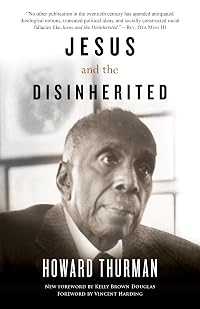





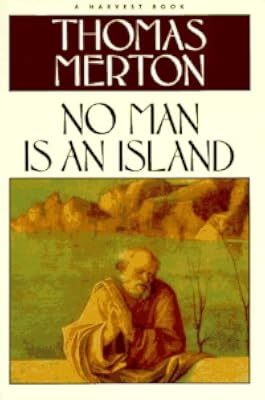










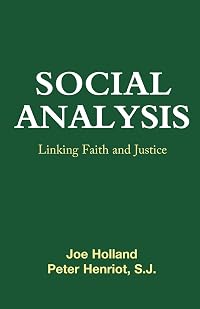


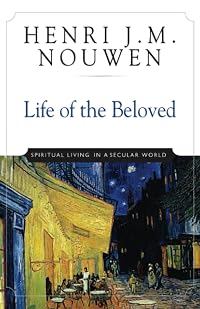

Member Reviews
Starting with the advice of Saint Bernard of Clairvaux that spirituality be rooted in one's own experience, the author makes this very explicitly a spirituality of the Christians at the base of the Latin American church. This book will be helpful to United States readers who are curious as to how the soul is nourished in the highly politicized climate in which Latin American Christians live their faith.
Ratings
Members
- Recently Added By
Author Information

78+ Works 3,289 Members
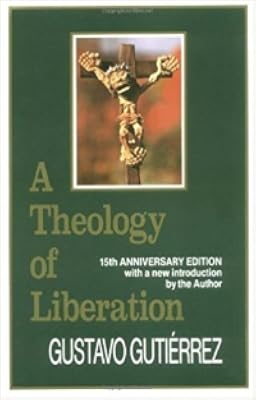
A Peruvian Catholic priest, Gustavo Gutierrez was born to mestizo parents in a barrio of Lima, Peru. Often called the founder of liberation theology in Latin America, he studied philosophy at the University of Louvain in Belgium and took his doctorate in theology at the University of Lyon in France in 1959. Returning to Lima in 1960, Gutierrez show more taught theology at the Catholic University in Lima. His own background and identification with the poor soon prompted him to work among the dispossessed peasant families crowding Lima's barrios. His experiences led to a break with the Catholic hierarchy and traditional church teachings in the 1960s and 1970s. Gutierrez rejects the existing Catholic view of poverty. In his view, while God regarded all people as equals, he held a special concern for the impoverished and disinherited. Gutierrez believes that God not only supports the poor's struggle for justice but also wishes the teachings of his church to ensure their liberation. In theological terms, this entails liberation from unjust social classes, from a sense of fate, and from personal sin and guilt. Therefore, Gutierrez fiercely argues, the church has a duty to take the lead in redeeming society and helping end the social, political, and economic conditions that entrap Latin Americans in poverty. His forthright explication of these views in A Theology of Liberation (1971) brought him worldwide attention. Almost overnight, these beliefs helped shape both a religious and a political agenda known as "liberation theology," which has spread throughout Latin America. (Bowker Author Biography) show less
Classifications
Statistics
- Members
- 441
- Popularity
- 69,770
- Reviews
- 1
- Rating
- (4.08)
- Languages
- English, Spanish, Swedish
- Media
- Paper, Ebook
- ISBNs
- 10
- ASINs
- 6