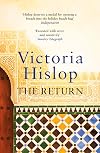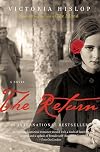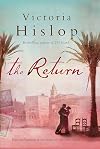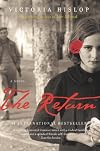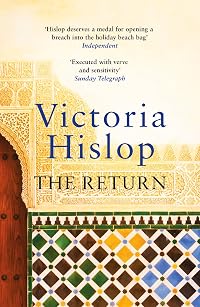
The Return
by Victoria Hislop
On This Page
Description
Already a #1 bestseller in the UK, The Return is a captivating new novel of family, love, and betrayal set against a backdrop of civil war, flamenco, and fiery Spanish passion. The author of the beloved international bestseller The Island, Victoria Hislop now transports the reader to Granada, Spain, in a time of historic turmoil. The Return is a colorful and spellbinding saga of a family inspired by music and dance, only to be torn apart by fragile hearts and divided loyalties during the show more bitter war that brought the dictator Generalissimo Francisco Franco to power. show lessTags
Recommendations













Member Reviews
This book provides the reader with a sense of the personal cost of the Spanish civil war on families. The writing is competent if not dazzling, and both the frame story and the historical story embedded in it are quite compelling. Hislop gave me exactly what I was looking for: a fine sense of southern Spanish culture both in the present and during the time of the Spanish Civil War. Ms. Hislop's writing is so vividly detailed that you feel as if you are whisked away on an epic adventure to Spain where you have a front seat to bullfights, flamenco dancing, and a stroll through the streets of Granada. My favorite character was Mercedes - her love for Flamenco and her guitarist Javier were an inspiration
Hislop sets The Return amidst the Spanish Civil War, a bloody and fascinating period of the twentieth century—and yet somehow produced a bloodless and flaccid book. She doesn't wear her research lightly, ladling on the exposition with a heavy hand (while still making some mistakes about modern Spain which made me doubt her historical accuracy) which made me find an account of such an important conflict boring. The narrative arc was constructed entirely of clichés, the characters flat and undeveloped, the prose leaden, and the ending at once predictable yet unbelievable. Not recommended.
 This review was written for LibraryThing Early Reviewers.
After reading The Island and loving it, I was really excited to find The Return in a book store in Heathrow airport. I read 200 pages on the flight back to the US. I found the first half of the book more engaging than the second half, which deals in great detail with the Spanish Civil War. It is a little reminiscent in structure and content to The Island in that the narrative moves between the present and the past, and in that there is once again a family secret begging to be uncovered. In the first half of the book we are introduced to two friends who travel to Spain to dance. The mood is upbeat and fun. When the story of the Spanish Civil War begins to unfold the mood becomes very somber. The atrocities of war are described in great show more detail and the novel becomes somewhat laborious. Still, an excellent and interesting read. The passages on flamenco music and dancing are truly inspiring. show less
This novel was an unexpected gem. To help explain how riveting it was for me: it takes me awhile to get into new books, and I have never really been able to read more than a page or two while flying as planes scare me to death. I started this novel on a cross-country flight and it was so good there were moments I forgot I was in a plane!
The novel contains the present-day story of Sonia, an Englishwoman who is learning to dance salsa and flamenco and goes to Granada to further her dancing skills. She is unhappily married to a stuffy, likely alcoholic, man named James and the trip to Granada clarifies her feelings about her marriage.
Set into, and connected with, Sonia's own story, is the story of the Ramirez family, which Sonia learns show more slowly through her conversations with Miguel, the elderly owner of a cafe she frequents in Granada. Miguel illuminates for Sonia, and for the readers, the little-known history of the Spanish civil war and the rise of fascism in Spain. The history is brought to life through the story of the Ramirezes, whose family and history is irrevocably altered by the civil war.
Yes, the novel is a bit predictable in some places. But it is also illuminative, gut-wrenching, and thought-provoking. Beautiful language and an engrossing plot bring history to life. show less
The novel contains the present-day story of Sonia, an Englishwoman who is learning to dance salsa and flamenco and goes to Granada to further her dancing skills. She is unhappily married to a stuffy, likely alcoholic, man named James and the trip to Granada clarifies her feelings about her marriage.
Set into, and connected with, Sonia's own story, is the story of the Ramirez family, which Sonia learns show more slowly through her conversations with Miguel, the elderly owner of a cafe she frequents in Granada. Miguel illuminates for Sonia, and for the readers, the little-known history of the Spanish civil war and the rise of fascism in Spain. The history is brought to life through the story of the Ramirezes, whose family and history is irrevocably altered by the civil war.
Yes, the novel is a bit predictable in some places. But it is also illuminative, gut-wrenching, and thought-provoking. Beautiful language and an engrossing plot bring history to life. show less
This review was written for LibraryThing Early Reviewers.When Sonia, a middle-aged British woman struggling to find space within her own marriage, travels to Spain for her friend's birthday, stories of Granada's vivid past are awakened -- and her innate love of dancing is encouraged and ignited.
When Sonia meets elderly Miguel, the owner of a local cafe, she takes an immediate interest in the dynamic photos hanging on the walls of his shop -- and those of the young woman in many of them. Over time, Miguel shares with her the heartbreaking stories of the Spanish Civil War, focusing particularly on the Ramirez family -- the original owners of the cafe he took over many decades earlier. Concha and Pablo ran their shop in relative security with their four children: Antonio, the kind eldest son; show more Ignacio, the tempestuous bull fighter; Emilio, the gentle guitarist; and Mercedes, their fiery young flamenco dancer and only daughter. As the war rages on and politics begin to consume the Ramirez family, and all of Spain, the fates of each are decided.
Victoria Hislop's The Return is an engrossing work of historical fiction that drops you immediately onto the cobbled streets of Spain, slipping you seamlessly into the bullfighting ring with Ignacio or in a dank space with Mercedes, pounding out a rhythm with Javier, her love -- and famed guitar player. As conditions worsen, troops move into town and the peaceful life they knew evaporates, the story focuses on elements of survival -- and how each must come to terms with where the future will take them.
Hislop's descriptions are so vivid and piercing, much of the language stopped me dead in my tracks. Her descriptions of Mercedes' passion for Javier definitely pulled at my heart, and I breathed shallowly through each of their love-tense scenes. As battles continue and the war takes them farther from one another, I hoped right along with our young dancer that they would find each other again.
Going into The Return, my knowledge of the Spanish Civil War was confined to the fact that I knew there had been one; I couldn't have told you anything at all about it. After finishing the novel, I definitely have a sense of the horrors of what happened there and have done some additional research on my own. Hislop does a masterful job of weaving the war's events into the backdrop of our Ramirez clan, always keeping it in context to what they were going through. In this way, it never felt dull or pedantic; because I was waiting to see what would befall Mercedes, for example, I made my way quickly through the historical scenes to glean as much as I could about what would probably happen to her.
A fantastic, sweeping story that will draw you into a much different time and place. I was completely captivated and, though I tend to shy away from stories of war, adored spending so much time in Spain. Lovers of historical fiction will delight in the incredibly detailed descriptions, and readers will absorb this story of family, politics, faith, passion and, ultimately, redemption. show less
When Sonia meets elderly Miguel, the owner of a local cafe, she takes an immediate interest in the dynamic photos hanging on the walls of his shop -- and those of the young woman in many of them. Over time, Miguel shares with her the heartbreaking stories of the Spanish Civil War, focusing particularly on the Ramirez family -- the original owners of the cafe he took over many decades earlier. Concha and Pablo ran their shop in relative security with their four children: Antonio, the kind eldest son; show more Ignacio, the tempestuous bull fighter; Emilio, the gentle guitarist; and Mercedes, their fiery young flamenco dancer and only daughter. As the war rages on and politics begin to consume the Ramirez family, and all of Spain, the fates of each are decided.
Victoria Hislop's The Return is an engrossing work of historical fiction that drops you immediately onto the cobbled streets of Spain, slipping you seamlessly into the bullfighting ring with Ignacio or in a dank space with Mercedes, pounding out a rhythm with Javier, her love -- and famed guitar player. As conditions worsen, troops move into town and the peaceful life they knew evaporates, the story focuses on elements of survival -- and how each must come to terms with where the future will take them.
Hislop's descriptions are so vivid and piercing, much of the language stopped me dead in my tracks. Her descriptions of Mercedes' passion for Javier definitely pulled at my heart, and I breathed shallowly through each of their love-tense scenes. As battles continue and the war takes them farther from one another, I hoped right along with our young dancer that they would find each other again.
Going into The Return, my knowledge of the Spanish Civil War was confined to the fact that I knew there had been one; I couldn't have told you anything at all about it. After finishing the novel, I definitely have a sense of the horrors of what happened there and have done some additional research on my own. Hislop does a masterful job of weaving the war's events into the backdrop of our Ramirez clan, always keeping it in context to what they were going through. In this way, it never felt dull or pedantic; because I was waiting to see what would befall Mercedes, for example, I made my way quickly through the historical scenes to glean as much as I could about what would probably happen to her.
A fantastic, sweeping story that will draw you into a much different time and place. I was completely captivated and, though I tend to shy away from stories of war, adored spending so much time in Spain. Lovers of historical fiction will delight in the incredibly detailed descriptions, and readers will absorb this story of family, politics, faith, passion and, ultimately, redemption. show less
Sonia is taking a trip from London to Granada for her friend Maggie's birthday. She's recently discovered a love for dancing and she and Maggie intend on taking Salsa lessons while in Spain. While Maggie is foot loose and fancy free, Sonia is bogged down by her marriage to James, an alcoholic with a touch of a controlling streak. One morning, while her friend was sleeping off a steaming night spent at a dance club, Sonia found herself drinking coffee at El Barril, a local cafe. Miguel, the cafe's elderly owner, engages Sonia in conversation when he sees her tour book. This begins a friendship between the two. It may lack the sensuality of Maggie's vacation fling, but it warms Sonia to her deceased mother's homeland. When Maggie decides show more impulsively to move to Granada shortly thereafter, Sonia must return for a visit. It is there that she learns more about Spain's Civil War and the history of the Ramirez family.
What could be more inviting of a story than a pleasant location and a cup of coffee? I found this to be the perfect way to move from the Granada of 2001 to the Granada of the Civil War and back. I enjoyed the friendship that developed between Miguel and Sonia and I could see her finding his company and his stories intriguing and satisfying. His passion may be for the past, but the fact that there is something he cares for so much that draws her attention. Her far younger husband lost even that long ago. There was nothing between the two but friendship, yet James had every cause to be jealous. He just didn't know exactly why.
Flamenco dancing, bullfighting, and the flamenco guitar and passionate, vivacious, and colorful. They are the driving force of the Ramirez family and they so brilliantly portray Granada before Franco's army came. I could almost feel the life behind Mercedes, Ignacio, and Emilio when they were at one with their family's and their country's culture. In contrast, the Spanish Civil War was brutal, dark and terrifying. No one was safe from the threat of death, often an ugly, violent death. Artists, homosexuals, innocent women and children, and those who voiced their opinion on both sides of the war were in constant danger of imprisonment and execution. This novel highlighted Granada's poet Federico García Lorca. Not only was his death unnecessary, it was carried out in a vicious way that almost only seems possible in the midst of the emotions of a Civil War. Just as with Mercedes' dancing, Hislop made the chaos and destruction of the war come to life. As ugly as the war was, knowing that her dancing shoes were never far from her was a beautiful and powerful statement of hope and destiny.
The Return is an amazing journey into the Granada both in modern day and the 1930s. While I liked Sonia, my heart was with the Ramirez family. That the four children were each coming into their own as Francisco Franco and his army began the coup d'état which led to the Spanish Civil War. As vividly as I could see Granada through each of the Ramirez children's dreams, I could feel the terror on her streets, in her cafes, and inside her bedrooms. Once again, an inviting work of historical fiction has awakened in me an interest in a time period I previously knew very little about. I wish I could pick up For Whom the Bell Tolls and Guernica right now and read more about it. That is the sign of a wonderful novel. show less
What could be more inviting of a story than a pleasant location and a cup of coffee? I found this to be the perfect way to move from the Granada of 2001 to the Granada of the Civil War and back. I enjoyed the friendship that developed between Miguel and Sonia and I could see her finding his company and his stories intriguing and satisfying. His passion may be for the past, but the fact that there is something he cares for so much that draws her attention. Her far younger husband lost even that long ago. There was nothing between the two but friendship, yet James had every cause to be jealous. He just didn't know exactly why.
Flamenco dancing, bullfighting, and the flamenco guitar and passionate, vivacious, and colorful. They are the driving force of the Ramirez family and they so brilliantly portray Granada before Franco's army came. I could almost feel the life behind Mercedes, Ignacio, and Emilio when they were at one with their family's and their country's culture. In contrast, the Spanish Civil War was brutal, dark and terrifying. No one was safe from the threat of death, often an ugly, violent death. Artists, homosexuals, innocent women and children, and those who voiced their opinion on both sides of the war were in constant danger of imprisonment and execution. This novel highlighted Granada's poet Federico García Lorca. Not only was his death unnecessary, it was carried out in a vicious way that almost only seems possible in the midst of the emotions of a Civil War. Just as with Mercedes' dancing, Hislop made the chaos and destruction of the war come to life. As ugly as the war was, knowing that her dancing shoes were never far from her was a beautiful and powerful statement of hope and destiny.
The Return is an amazing journey into the Granada both in modern day and the 1930s. While I liked Sonia, my heart was with the Ramirez family. That the four children were each coming into their own as Francisco Franco and his army began the coup d'état which led to the Spanish Civil War. As vividly as I could see Granada through each of the Ramirez children's dreams, I could feel the terror on her streets, in her cafes, and inside her bedrooms. Once again, an inviting work of historical fiction has awakened in me an interest in a time period I previously knew very little about. I wish I could pick up For Whom the Bell Tolls and Guernica right now and read more about it. That is the sign of a wonderful novel. show less
I like books that stay with me after I’ve finished reading them. The re-telling of the Spanish Civil War by Victoria Hislop in ‘The Return’ made me want to read more history books about the period. Before we lived in Spain I knew little about the Civil War. If pressed, I would quote only Picasso’s Guernica, the death of Lorca, and George Orwell fighting with the International Brigades. That, and Gary Cooper and Ingrid Bergman in the film of Hemingway’s ‘For Whom the Bell Tolls’.
So, ‘The Return’ added a new layer to my understanding of Andalucía’s experience in the war and particularly of Granada. The legacy is there, if you look for it. Even in modern-day Malaga, evidence of the savage bombing of the port can be show more seen in the ugly apartment blocks built on derelict land. Thankfully the Old Town, catedrál and Alcazaba survived reasonably unscathed. It was impossible to visit Ronda for the weekly supermarket shop without seeing the Puente Nuevo and shuddering at the memory of the 512 suspected Nationalists who were marched off the bridge into the Tajo, the gorge, in the first month of the war. The atrocity is said to be the inspiration for a similar scene in ‘For Whom the Bell Tolls’. Both sides committed unaccounted-for atrocities. Even after Franco’s death in 1975 many people did not discuss the war in what was an unofficial pacto de olvido, a pact of forgetting.
There are tales today of Andalucían villages still split by Republican/Nationalist sympathies and modern-day incomers innocently putting their foot in it. Thankfully that didn’t happen to us. But the frequent small memorials at the roadside are 21st century reminders of men marched out of villages, executed and their bodies dumped. Spain is still coming to terms with its past. In 2007 the Socialist Government of José Luis Rodríguez Zapatero passed the Law of Historical Memory condemning General Franco’s uprising and dictatorship, banning symbols and references to the regime on public buildings, and ordering the removal of monuments to Franco. Many roadside remains of the executed have been located and reburied. Victoria Hislop’s ‘The Return’ makes the subject more alive than many history books.
Read more of my book reviews at http://www.sandradanby.com/book-reviews-a-z/ show less
So, ‘The Return’ added a new layer to my understanding of Andalucía’s experience in the war and particularly of Granada. The legacy is there, if you look for it. Even in modern-day Malaga, evidence of the savage bombing of the port can be show more seen in the ugly apartment blocks built on derelict land. Thankfully the Old Town, catedrál and Alcazaba survived reasonably unscathed. It was impossible to visit Ronda for the weekly supermarket shop without seeing the Puente Nuevo and shuddering at the memory of the 512 suspected Nationalists who were marched off the bridge into the Tajo, the gorge, in the first month of the war. The atrocity is said to be the inspiration for a similar scene in ‘For Whom the Bell Tolls’. Both sides committed unaccounted-for atrocities. Even after Franco’s death in 1975 many people did not discuss the war in what was an unofficial pacto de olvido, a pact of forgetting.
There are tales today of Andalucían villages still split by Republican/Nationalist sympathies and modern-day incomers innocently putting their foot in it. Thankfully that didn’t happen to us. But the frequent small memorials at the roadside are 21st century reminders of men marched out of villages, executed and their bodies dumped. Spain is still coming to terms with its past. In 2007 the Socialist Government of José Luis Rodríguez Zapatero passed the Law of Historical Memory condemning General Franco’s uprising and dictatorship, banning symbols and references to the regime on public buildings, and ordering the removal of monuments to Franco. Many roadside remains of the executed have been located and reburied. Victoria Hislop’s ‘The Return’ makes the subject more alive than many history books.
Read more of my book reviews at http://www.sandradanby.com/book-reviews-a-z/ show less
Members
- Recently Added By
Author Information

22+ Works 4,856 Members
Victoria Hislop (née Hamson; born 1959) is an English author who studied at St. Hilda's College, Oxford. She worked in publishing and as a journalist before becoming an author. Her novel The Island (2005) was a number one bestseller in Britain. Her other works include The Return, The Thread and The Sunrise. (Bowker Author Biography)
Some Editions
Common Knowledge
- Canonical title
- The Return
- Original title
- The Return
- Original publication date
- 2008
- People/Characters
- Sonia Cameron; Maggie; Concha Ramirez Dominguez; Pablo Garcia Ramirez; Mercedes Ramirez; Antonio Ramirez (show all 11); Emilio Ramirez; Ignacio Lopez Ramirez; Javier Miguel Montero; Jack Haynes; James Cameron
- Important places
- Granada, Andalusia, Spain; London, England, UK
- Important events
- Spanish Civil War (1936 | 1939)
- Dedication
- For Emily and William, with love
- First words
- Just moments before, the two women had taken their seats, the last of the audience to be admitted before the surly gitano slid the bolts decisively across the door.
- Quotations
- Eventually, terrified of what was happening above them but fearful of remaining for too long below, people would come up into the light, emerging into a street where buildings had been dissected like cakes with a carving knif... (show all)e.
- Last words
- (Click to show. Warning: May contain spoilers.)Her footsteps were light. Her heart was dancing.
Classifications
Statistics
- Members
- 792
- Popularity
- 35,334
- Reviews
- 42
- Rating
- (3.50)
- Languages
- 13 — Chinese, Danish, Dutch, English, Finnish, French, German, Greek, Hebrew, Italian, Norwegian (Bokmål), Norwegian, Portuguese
- Media
- Paper, Audiobook, Ebook
- ISBNs
- 43
- ASINs
- 8