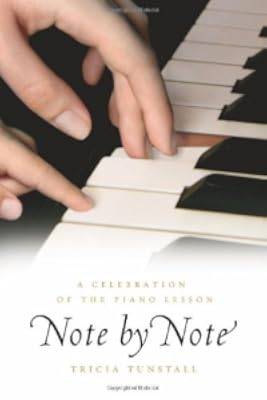
Note by Note: A Celebration of the Piano Lesson
by Tricia Tunstall
On This Page
Description
In this luminous book, Tricia Tunstall explores the enduring fascination of the piano lesson. Even as everything else about the world of music changes, the piano lesson retains its appeal. Drawing on her own lifelong experience as a student and teacher, Tunstall writes about the mysteries and delights of piano teaching and learning. What is it that happens in a piano lesson to make it such a durable ritual? In a world where music is heard more often on the telephone and in the elevator than show more in the concert hall, why does the piano lesson still have meaning in the lives of children? What does it matter whether one more child learns to play Bach's Minuet in G? Note by Note is in part a memoir in which Tunstall recalls her own childhood piano teachers and their influence. As she observes, the piano lesson is unlike the experience of being coached on an athletic team or taught in a classroom, in that it is a one-on-one, personal communication. Physically proximate, mutually concentrating on the transfer of a skill that is often arduous, complicated and frustrating, teacher and student occasionally experience breakthroughs-moments of joy when the student has learned something, mastered a musical passage or expressed a feeling through music. The relationship is not only one-way: teaching the piano is a lifelong endeavor of particular intensity and power. Anyone who has ever studied the piano-or wanted to-will cherish this gem of a book. show lessTags
Recommendations

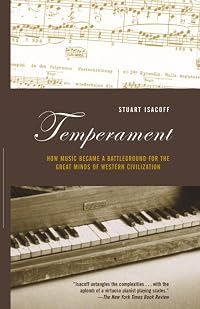
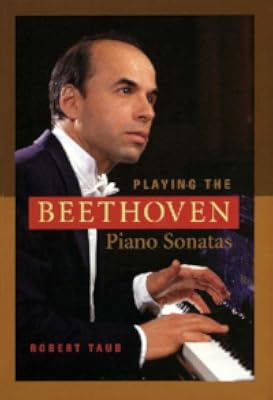
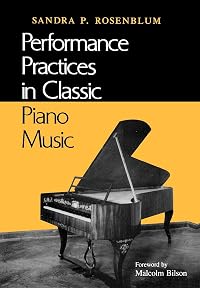
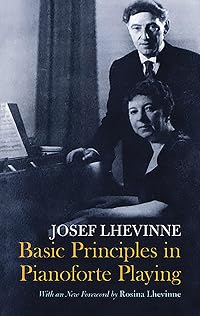


Member Reviews
I don't remember a time when I couldn't play the piano. My mother was a piano teacher, and she gave me my first music lesson at age 4. It wasn't too long before I began taking lessons from one of my mother's former teachers.
My mother taught mainly college students, usually beginners, for college credit. When I was sick and stayed home from school, I usually spent the day in my room listening to my mother's piano students, often hearing the same pieces multiple times throughout the day.
It's been years since I took a piano lesson or eavesdropped on my mother's lessons. Tricia Tunstall's book brought those memories flooding back. While my mother had a gift for teaching adult beginners, Tunstall's gift seems to be instilling children with a show more love for music by identifying the musical styles that appeal to them and showing them how to express themselves through music. Tunstall spends time learning about each student's musical taste, and she encourages exploration and spontaneity as well as structure and technique.
Throughout the book, Tunstall talks about the intimacy of the piano lesson and the relationship of teacher and student:
When my students strive toward mastery, they expand and deepen what they know about human feeling. The vast challenges of technical development are always, finally, in the service of emotional exploration: discussing a three-against-two figure, one may suddenly find oneself discussing sorrow, and a fingering change can open the way to jubilation. Teacher and student take turns leading and following one another through the possibilities of feeling; it is a kind of intimacy all the richer for being mediated by the beauty of music.
Tunstall's book truly is a celebration of the piano lesson. It reminded me of the ways in which music has enriched my life, and it has encouraged me to experiment with new styles and techniques as well as to improve my technical skills. Who knows – maybe I'll even take up lessons again! show less
My mother taught mainly college students, usually beginners, for college credit. When I was sick and stayed home from school, I usually spent the day in my room listening to my mother's piano students, often hearing the same pieces multiple times throughout the day.
It's been years since I took a piano lesson or eavesdropped on my mother's lessons. Tricia Tunstall's book brought those memories flooding back. While my mother had a gift for teaching adult beginners, Tunstall's gift seems to be instilling children with a show more love for music by identifying the musical styles that appeal to them and showing them how to express themselves through music. Tunstall spends time learning about each student's musical taste, and she encourages exploration and spontaneity as well as structure and technique.
Throughout the book, Tunstall talks about the intimacy of the piano lesson and the relationship of teacher and student:
When my students strive toward mastery, they expand and deepen what they know about human feeling. The vast challenges of technical development are always, finally, in the service of emotional exploration: discussing a three-against-two figure, one may suddenly find oneself discussing sorrow, and a fingering change can open the way to jubilation. Teacher and student take turns leading and following one another through the possibilities of feeling; it is a kind of intimacy all the richer for being mediated by the beauty of music.
Tunstall's book truly is a celebration of the piano lesson. It reminded me of the ways in which music has enriched my life, and it has encouraged me to experiment with new styles and techniques as well as to improve my technical skills. Who knows – maybe I'll even take up lessons again! show less
It wasn't a bad little book, but it didn't meet my expectations. I was looking for something full of joy about learning to play the piano—a bit inspiring, perhaps.
And, it was...at points. However, much of the book, while pleasant, was just a series of rather ordinary stories about children who were her piano students. Some of them (a rather significant percentage, it seemed) were fairly gifted, others seemed more run-of-the-mill in the abilities. However, very few had stories that seemed anything other what you'd hear if you asked your neighbor about their child.
On the other hand, Ms. Tunstall's love for the piano and love of teaching the piano came through quite clearly and it was a pleasure to share it. I also enjoyed the chapter on show more recitals, for it perfectly captured the absolute dread that they invoke in students and confirmed my belief that all piano teachers are sadists who enjoy humiliating their students. *smile*
The final chapter of the book, which veered suddenly from everyday stories to her romance with her former husband, divorce and then his death, seemed terribly out of place. Even though he was her final piano teacher, it did not fit with the rest of the book and was awkward to read.
In summary, I didn't mind reading it, but I don't really recommend it. show less
And, it was...at points. However, much of the book, while pleasant, was just a series of rather ordinary stories about children who were her piano students. Some of them (a rather significant percentage, it seemed) were fairly gifted, others seemed more run-of-the-mill in the abilities. However, very few had stories that seemed anything other what you'd hear if you asked your neighbor about their child.
On the other hand, Ms. Tunstall's love for the piano and love of teaching the piano came through quite clearly and it was a pleasure to share it. I also enjoyed the chapter on show more recitals, for it perfectly captured the absolute dread that they invoke in students and confirmed my belief that all piano teachers are sadists who enjoy humiliating their students. *smile*
The final chapter of the book, which veered suddenly from everyday stories to her romance with her former husband, divorce and then his death, seemed terribly out of place. Even though he was her final piano teacher, it did not fit with the rest of the book and was awkward to read.
In summary, I didn't mind reading it, but I don't really recommend it. show less
I can't imagine reading this if one did not play the piano. The personal "memoir" part at the end seemed out of place. Almost like the publisher wanted the author to stretch out the book. Either that or she didn't know how else to end it. Parts of the book sparkled with keen observations.
A good advertisement for Tunstall's own piano studio, and there are some good paragraphs on the lesson and the recital, but overall not much to take away in this heavily padded little book.
Ratings
Members
- Recently Added By
Author Information
3 Works 121 Members
Tricia Tunstall has served as Adjunct Professor of Music at Drew Univeristy and at Bergen College.
Common Knowledge
- Dedication
- For Adam and Evan
Classifications
Statistics
- Members
- 82
- Popularity
- 381,025
- Reviews
- 4
- Rating
- (3.31)
- Languages
- English
- Media
- Paper, Ebook
- ISBNs
- 3
- ASINs
- 1