On This Page
Description
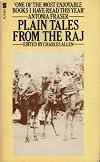
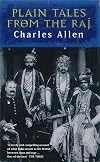
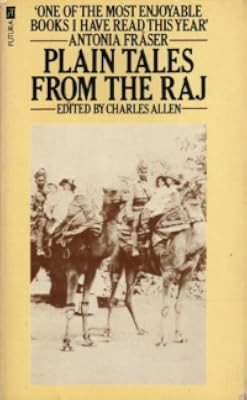
The Raj was, for two hundred years, the jewel in the British imperial crown. Although founded on military expansionism and undoubted exploitation, it developed over the centuries into what has been called 'benign autocracy' - the government of many by few, with the active collaboration of most Indians in recognition of a desire for the advancement of their country. Charles Allen's classic oral history of the period that marked the end of British rule was first published a generation ago. Now show more reissued as the imperial century closes, this brilliantly insightful and bestselling collection of reminiscences illustrates the unique experience of British India: the sadness and luxury for some; the joy and deprivation for others. show lessTags
Recommendations







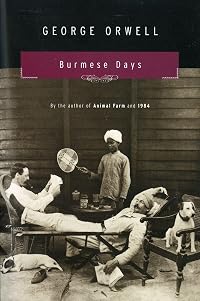

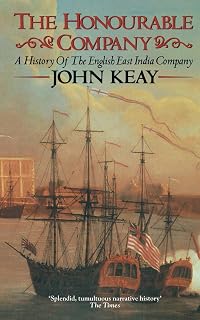

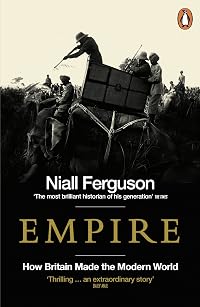


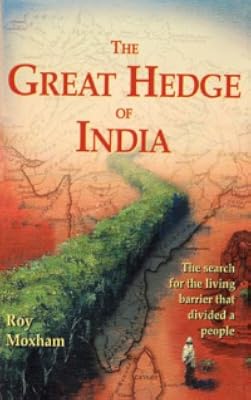





Member Recommendations

John_Vaughan Charles Allen interviewed actual surving members of Kipling's Raj for a BBC series and in Plain Tales it is their voices we hear.

Member Reviews
Tough going. Not a book you can read right through. I found I was only able to read short bits at a time, so I read the book slowly over a few months. I did find it worth it though. I am very interested in the subject and era it described, and it is fascinating.
Many - possibly all the participants in Charles Allen's oral history will now be dead, and yet their voices come through clearly, full of reminiscence of a bygone age. This is a very readable and compelling book and quite poignant as it recreates life during a time which has often been romanticised. The truth of course is quite different, and athough there were privileges there were also hardships, and life was not always easy. There was also a terrible snobbery, and the conventions and traditions of various sections of society were petty and suffocating.
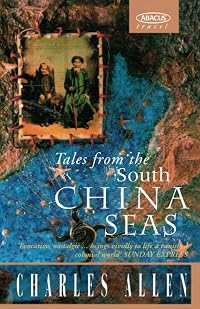
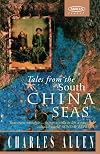
This is the first book of a trilogy based on the personal and recorded accounts of residents of the British Empire between the world wars and the closing stages of British rule. This book is on India, the sequel on Africa is Tales from the Dark Continent, and the third on the magical lands of the ”Far East” is Tales from the South China Seas. These books are edited extracts from the British Broadcasting Company Radio archives. Charles Allen, the ‘oral historian’ for the series was himself born (1940) in India to a family of six generations who served in the British Raj.
Each of the chapters (of all the books in the series) are edited narrations from BBC radio 4 interviews with the actual raconteurs. Many of them, if not most, are show more now gone of course, so these works form their last true oral history.
Despite our rather jaundiced modern view of imperialism these fascinating accounts show some of the very positive benefits of realistically benevolent government. These voices from an imperial past offer insights into the motivation of the British Raj in India, including a sense of giving service, great courage and leadership and of personal sacrifices. But they also reveal the class-ridden lifestyle of relative luxury that was perhaps at the core of the eventual resentment and strengthening of the Indian emotional need for independence. show less
Each of the chapters (of all the books in the series) are edited narrations from BBC radio 4 interviews with the actual raconteurs. Many of them, if not most, are show more now gone of course, so these works form their last true oral history.
Despite our rather jaundiced modern view of imperialism these fascinating accounts show some of the very positive benefits of realistically benevolent government. These voices from an imperial past offer insights into the motivation of the British Raj in India, including a sense of giving service, great courage and leadership and of personal sacrifices. But they also reveal the class-ridden lifestyle of relative luxury that was perhaps at the core of the eventual resentment and strengthening of the Indian emotional need for independence. show less
This book is the result of oral histories of some of the participants of the Raj, including Lady Lawrence - who likely was in her 90's when interviewed. Lawrence nee Napier, was a well-known British novelist who married a member of the ICS (Indian Civil Service) and wrotean account of her time in India that historian Margaret MacMillan called (the one that) stands out among the hundreds of memoirs of the Raj with its wit, intelligence, and understanding. She writes with a clarity and elegance that help to bring that vanished world alive. I was able to secure the reprint rights and in 1991, reprinted Lady Lawrence's Indian Embers. In Plain tales of the Raj, you catch an insight into that remarkable period.
Curious collection of memories and stories from pre-independence India. Interesting to compare this with the fictionalized tales of Kipling (not to mention Harry Flashman) and my own visits to modern India.
A superb collection of stories and anecdotes highlighting the social history of India during the Raj. I found it to be of immense help in researching my family's sixty year sojourn in "Injia's sunny climes". A must read for all who had family who served in the John Company, British military or ICS.
What an interesting book. It's based on a BBC radio series broadcast in 1974. They interviewed men and women who actually lived in India during the period of the British Raj.
Members
- Recently Added By
Published Reviews
However, this oral tradition also provides some of the ammunition that might be levelled against this book as being a rather muted collection of nostaligic reminescinces of a bygone era. Indeed, the contributors do sometimes lapse into sentimentalism and see their role in India through somewhat rose tinted glasses. In addition, this book presents a very upper middle class view of the world, show more but then again most Anglo-Indians were drawn from this very class and I think that it is worth allowing these individuals their nostalgia in return for their highly illuminating and informative anecdotes about a period of history that is slipping quickly from human experience and memory. show less
added by John_Vaughan
Author Information

24+ Works 2,297 Members
Charles Allen was born in India, where six generations of his family served under the Raj. He lives in London and Somerset
Series

Work Relationships
Is contained in
Has the (non-series) sequel
Common Knowledge
- Original publication date
- 1975
- People/Characters
- Rosamond Lawrence (Lady Lawrence)
- Important places
- British India; India
- Important events
- British Raj (1857 | 1947)
- Dedication
- To the men, women and children, British, Anglo-Indian and Indian who were the British Raj in India
- First words
- The Shrine of the 'Baba-log' She will be zealous in guarding her children from promiscuous intimacy with the native servants, whose propensity to worship at the shrine of the Baba-log is unhappily apt to demoralize the ... (show all)small gods and goddesses they serve....The sooner after the fifth year a child can leave India, the better for its future welfare. One after one the babies grow into companionable children. One after one Englan claims them, till the mother's heart and house are left unto her desolate. Maud Diver The Englishwoman in India 1909 'I grew up in bright sunshine, I grew up with tremendous space, I grew up with animals, I grew up with excitement, I grew up believing that white people were superior.'
- Last words
- (Click to show. Warning: May contain spoilers.)Lastly, there was England and Home: 'The coast of England was green and white and the most beautiful sight I've ever seen in my life; little villages nestling in the folds of the hills, the white of the cliffs and, after being without colour for so long, the green of the grass - and to cap it all, when we got to Southampton it was snowing.'
- Blurbers
- Fraser, Antonia
Classifications
Statistics
- Members
- 429
- Popularity
- 71,775
- Reviews
- 9
- Rating
- (3.86)
- Languages
- English
- Media
- Paper, Ebook
- ISBNs
- 8
- ASINs
- 9