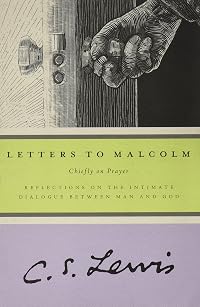
Letters to Malcolm: Chiefly on Prayer
by C. S. Lewis
On This Page
Description
In the form of warm, relaxed letters to a close friend, C. S. Lewis meditates on many puzzling questions concerning the intimate dialogue between man and God. He considers practical and metaphysical aspects of prayer, such as when we pray and where. He questions why we seek to inform God in our prayers if he is omniscient, whether there is an ideal form of prayer, and which of our many selves we show to God while praying. The concluding letter contains provocative thoughts about "liberal show more Christians," the soul, and resurrection. show lessTags
Recommendations
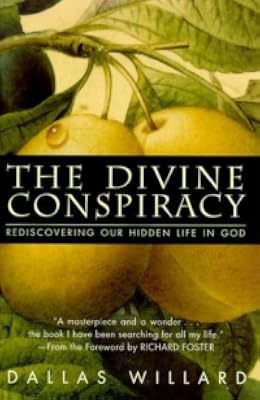
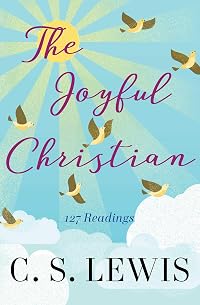
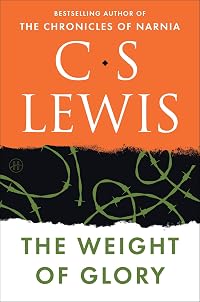
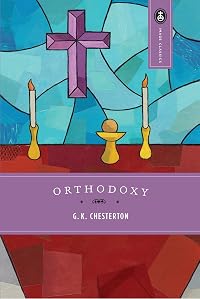
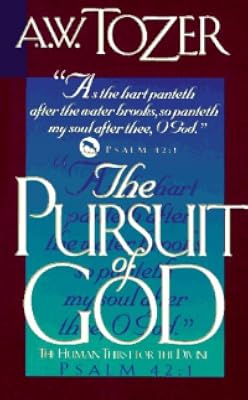
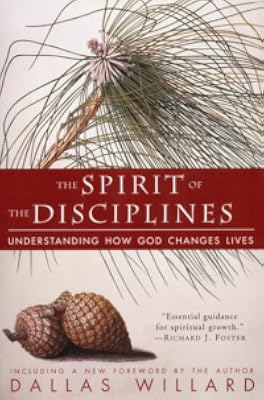
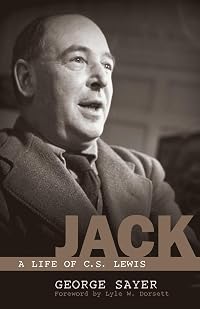
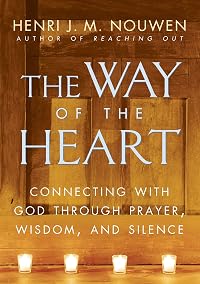
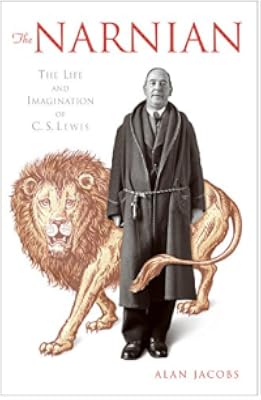

Member Recommendations

Member Reviews
You might want to disagree - even strenuously - at some points, but it's such a great read: very suggestive, at times sublime, always delightfully written. One to return to methinks.
It did not occur to me as I began reading this book that it was, in fact, Lewis's last work – written only months before his death in 1963. But, the fact began to dawn on me as the author's character bled through each successive page – mature, at the height of his creativity, vulnerable as one with nothing to prove. What a blessing it was to hear him admit the burden of prayer in his next to last chapter! Lewis's golden insights are scattered all across this book, and I only regret they will be difficult to relocate without a good table of contents. His several comments on the Lord's Prayer were excellent, especially the bit in Chapter 5 about "Thy will be done," with an emphasis on avoiding the sin of "Encore," and the bit in show more Chapter 20 (at least it comes near the Lord's Prayer) about forgiving and being forgiven as being one and the same acts. His point about adjectives being more "real" than nouns in Chapter 16 was perfect. His thoughts on liturgy and praying the prayers of others in Chapters 1 & 2 were so insightful. There was so much more, as it seems there was a golden insight around each and every corner. The only material I could not follow was his idea of God answering every prayer from the beginning, as He exists out of time. It sounded too much like Deism (though I'm sure Lewis would have a good explanation for why it is not) to say every single answer was set in motion from Creation. show less
Lewis writes to a fictitious friend Malcolm on the topic of the mystery of prayer in a deceptively simple manner. It doesn't take long to read this book, but the seeds planted by Lewis may take a long time to grow. He doesn't claim to be an expert on the subject yet he covers a range of ideas from petitionary prayer to penitential prayer. His reflections provide insights from his personal experiences rather than instruction and theology.
Like Lewis, I sometimes find prayer an "irksome" task. I found comfort that such a brilliant mind shared some of my own thoughts and failings: Prayer is irksome. An excuse to omit it is never unwelcome. When it is over, this casts a feeling of relief and holiday over the rest of the day. We are reluctant show more to begin. We are delighted to finish. Lewis has experienced the difficulties of achieving this most intimate relationship with God. He urges readers to "begin where we are" and reminds us to "lay before Him what is in us, not what ought to be in us."
This is the last book C. S. Lewis wrote. It was published after his death on November 22, 1963. U.S. readers will probably recognize that as the date of John F. Kennedy's assassination. While Lewis does not get the recognition of JFK, he is one of my favorite authors. He not only makes spirituality accessible, he makes it fun through The Chronicles of Narnia and some of his satires such as The Screwtape Letters. His books have opened up a new way for me to look at religion and spirituality. show less
Like Lewis, I sometimes find prayer an "irksome" task. I found comfort that such a brilliant mind shared some of my own thoughts and failings: Prayer is irksome. An excuse to omit it is never unwelcome. When it is over, this casts a feeling of relief and holiday over the rest of the day. We are reluctant show more to begin. We are delighted to finish. Lewis has experienced the difficulties of achieving this most intimate relationship with God. He urges readers to "begin where we are" and reminds us to "lay before Him what is in us, not what ought to be in us."
This is the last book C. S. Lewis wrote. It was published after his death on November 22, 1963. U.S. readers will probably recognize that as the date of John F. Kennedy's assassination. While Lewis does not get the recognition of JFK, he is one of my favorite authors. He not only makes spirituality accessible, he makes it fun through The Chronicles of Narnia and some of his satires such as The Screwtape Letters. His books have opened up a new way for me to look at religion and spirituality. show less
What is there to be said that has not been said before about Clive Staples Lewis? So my review will be short.
His musings left me yearning for a simpler time when letter-writing wasn't an art-form, when discussion and disagreement wasn't a declaration of personal war, and when it was kosher to talk about such things. I was also highly impressed at the small, but poignant, backstory he created for his correspondent.
His musings left me yearning for a simpler time when letter-writing wasn't an art-form, when discussion and disagreement wasn't a declaration of personal war, and when it was kosher to talk about such things. I was also highly impressed at the small, but poignant, backstory he created for his correspondent.
show more 多年前買的書,今天終於看完。我覺得魯益師真的很有趣,他是一個很認真思考的人,對於知識份子對基督教會友怎樣的質疑也很了解,在書裡會略微提及,也會提出他對於他們質疑的內容的想法。他的回應不是那種「信就對了」的單純相信路線,他真的很認真在思考、會對一些未知事物做一些猜想。如果你也愛思考,讀他的書會很過癮。這本書主要是談各種禱告的內容以及禱告的功能,過程中略略談到決定論、神秘經歷、人與神如何連結、人的歡愉、懺悔、聖餐禮、新天新地、身體復活....等議題。
我買了這本書之後的多年來一直以為這本書是他與友人之間的書信往來集結而成。真的閱讀,然後去調查他到底是寫信給誰之後,發現寫信對象完全是虛構人物,只是以書信體為媒介,陳述自己對禱告與信仰的思考。太震驚了哈哈。他寫的真的很像真的信。 show less
我買了這本書之後的多年來一直以為這本書是他與友人之間的書信往來集結而成。真的閱讀,然後去調查他到底是寫信給誰之後,發現寫信對象完全是虛構人物,只是以書信體為媒介,陳述自己對禱告與信仰的思考。太震驚了哈哈。他寫的真的很像真的信。 show less
I listened to this on audiobook and so there were frequent interruptions. Nevertheless, out of the 15 CS Lewis books I've read, this is probably my least favorite. The book primarily consists of speculations and musing on prayer with very few conclusions. I certainly differer from Lewis on praying for the dead and the existence of purgatory both of which he referenced but chose not to defend.As anything written by Lewis does, the book contains flashes of brilliance and a heap of great one-liners, though fewer than usual. Recommended only for those who like reading the monologue letter style that Lewis uses in Screwtape Letters or for those who intend to read all of Lewis' works.
There is no preface, description, or backstory given to this volume of letters (or to any of the letters individually). Nowhere in the book or the title or the backcover does it even say who Malcolm was(/is). So its interesting in that there's no knowledge of who anyone is (other than obviously knowing who CS Lewis is), and knowing nothing about the letters other than that the general theme will be 'prayer'.
There is also no return letters from Malcolm, so everything is in kind of just a vacuum. No dates, no explanations behind anything, just 'here you go'.
I'm not a religious man really by any stretch anymore (grew up in a Christian house, grew up always going to church). I'm not anti-religious, just more or less 'non-religious'. BUT, show more I've always been intrigued and fond of CS Lewis' writing, both theological and fictional. ... this grouping of letters though, leaves something to be desired though. Without knowing the context (not getting to know who Malcolm is, or seeing his letters), it's a bit odd. Plus there's jumps in context because of it. The book also closes out on their talk of heaven and getting to meet in real life again, but not much of a closure on the ending.
Overall interesting, but just more of a curiosity sake than anything else. A few theological gems in there however. And interesting read for those seeking enlightenment on prayer though.
_____EDIT:
Well.... after reading the bio of the 'novel' here, I see its all fictitious letters that CS Lewis wrote, in the same vain as The Screwtape Letters. (Might be why the only writing on the front/back cover of this is a blurb saying "From the writer of The Screwtape Letters".) Would have been nice to know it was fictional letters rather than thinking this was his real letters to an individual, might have given some context. This was in the religion section at the Hershey Library, which includes both fictional and non-fictional religious works, so there was no indicator of that. Well, at least it was good to find out and not be ignorant of that in the future, heh. show less
There is also no return letters from Malcolm, so everything is in kind of just a vacuum. No dates, no explanations behind anything, just 'here you go'.
I'm not a religious man really by any stretch anymore (grew up in a Christian house, grew up always going to church). I'm not anti-religious, just more or less 'non-religious'. BUT, show more I've always been intrigued and fond of CS Lewis' writing, both theological and fictional. ... this grouping of letters though, leaves something to be desired though. Without knowing the context (not getting to know who Malcolm is, or seeing his letters), it's a bit odd. Plus there's jumps in context because of it. The book also closes out on their talk of heaven and getting to meet in real life again, but not much of a closure on the ending.
Overall interesting, but just more of a curiosity sake than anything else. A few theological gems in there however. And interesting read for those seeking enlightenment on prayer though.
_____EDIT:
Well.... after reading the bio of the 'novel' here, I see its all fictitious letters that CS Lewis wrote, in the same vain as The Screwtape Letters. (Might be why the only writing on the front/back cover of this is a blurb saying "From the writer of The Screwtape Letters".) Would have been nice to know it was fictional letters rather than thinking this was his real letters to an individual, might have given some context. This was in the religion section at the Hershey Library, which includes both fictional and non-fictional religious works, so there was no indicator of that. Well, at least it was good to find out and not be ignorant of that in the future, heh. show less
Members
- Recently Added By
Published Reviews
Lewis, gerespecteerd om onconventionele studies over o.m. engelen en verdriet, schrijft hier, zonder enige concessie dan hoe het hoort over wat hij doet als hij bidt. Bidden bewerkt een verandering - van passief naar actief - '... in plaats van slechts bekend te zijn, tonen wij onszelf...' (p. 19). Ter sprake komen de gebedshouding, de bedes van het Onze Vader, gebedsintenties, (ver)horen van show more gebed e.a. Dit boekje bevat 22 brieven van Lewis. Ze worden niet ingeleid. Daarom weet de lezer niet wie Malcolm is aan wie de brieven gericht zijn en waarom zijn aandeel in de correspondentie ontbreekt. Verbazing wekt ook het tijdstip van verschijnen: de eerste druk van de Nederlandse vertaling verscheen 25 jaar na het overlijden van de auteur. Een (korte) verantwoording is gepast bij een uitgave als deze! Ten slotte: het boekje leest vlot, bevat veel heldere uitspraken en puntige formuleringen die de lezer uitnodigen zelf verder te denken. Aanbevolen voor ieder die de weeë smaak die veel lectuur over bidden teweegbrengt, weg wil slikken.
(Biblion recensie, J. Wilts.) show less
(Biblion recensie, J. Wilts.) show less
added by karnoefel
Lists

Non-Fiction Worth Reading
1,016 works; 256 members

CCE 100 Great Books List
145 works; 8 members

Books Read in 2014
2,343 works; 89 members

Books Read in 2017
4,249 works; 130 members

Books Read in 2003
257 works; 7 members

Read in 2003
81 works; 1 member
Talk Discussions
Past Discussions
Letters to Malcom in Friends of Jack (C.S. Lewis) (December 2016)
Author Information

537+ Works 524,144 Members
C. S. (Clive Staples) Lewis, "Jack" to his intimates, was born on November 29, 1898 in Belfast, Ireland. His mother died when he was 10 years old and his lawyer father allowed Lewis and his brother Warren extensive freedom. The pair were extremely close and they took full advantage of this freedom, learning on their own and frequently enjoying show more games of make-believe. These early activities led to Lewis's lifelong attraction to fantasy and mythology, often reflected in his writing. He enjoyed writing about, and reading, literature of the past, publishing such works as the award-winning The Allegory of Love (1936), about the period of history known as the Middle Ages. Although at one time Lewis considered himself an atheist, he soon became fascinated with religion. He is probably best known for his books for young adults, such as his Chronicles of Narnia series. This fantasy series, as well as such works as The Screwtape Letters (a collection of letters written by the devil), is typical of the author's interest in mixing religion and mythology, evident in both his fictional works and nonfiction articles. Lewis served with the Somerset Light Infantry in World War I; for nearly 30 years he served as Fellow and tutor of Magdalen College at Oxford University. Later, he became Professor of Medieval and Renaissance English at Cambridge University. C.S. Lewis married late in life, in 1957, and his wife, writer Joy Davidman, died of cancer in 1960. He remained at Cambridge until his death on November 22, 1963. (Bowker Author Biography) show less
Work Relationships
Is contained in
The C. S. Lewis Collection: Signature Classics and Other Major Works: The Eleven Titles Include: Mere Christianity; The Screwtape Letters, Miracles; The ... Surprised by Joy; and Letters to Malcolm by C. S. Lewis
Is abridged in
Common Knowledge
- Canonical title*
- Cartas a Malcolm
- Original title
- Letters to Malcolm: Chiefly on Prayer
- Original publication date
- 1964
- First words
- I am all in favour of your idea that we should go back to your old plan of having a more or less set subject - an agendum - for our letters.
- Quotations
- Nothing makes an absent friend so present as a disagreement. [p. 3]
We have no non-religious activities; only religious and irreligious. [p. 30]
And this, you see, makes the choice between ready-made prayers and one's own words rather less important for me than it apparently is for you. For me words are in any case secondary. They are only an anchor. ... (show all);Or, shall I say, they are the movements of a conductor's baton: not the music. They serve to canalise the worship or penitence or petition which might without them--such are our minds--spread into wide and shallow puddles. It does not matter very much who first put them together. If they are our own words they will soon, by unavoidable repetition, harden into a formula. If they are someone els's, we shall continually pour into them our own meaning. [p. 11] - Last words
- (Click to show. Warning: May contain spoilers.)Till Saturday.
- Blurbers
- Phillips, J. B.
*Some information comes from Common Knowledge in other languages. Click "Edit" for more information.
Classifications
- Genres
- Religion & Spirituality, Nonfiction, General Nonfiction
- DDC/MDS
- 248.3 — Religion Christian practice & observance Christian experience, practice, life Prayer and private worship
- LCC
- BV210.2 .L44 — Philosophy, Psychology and Religion Practical Theology Practical Theology Worship (Public and private) Prayer
- BISAC
Statistics
- Members
- 2,665
- Popularity
- 6,999
- Reviews
- 29
- Rating
- (3.89)
- Languages
- 12 — Czech, Dutch, English, Finnish, French, German, Italian, Norwegian (Bokmål), Spanish, Swedish, Portuguese (Portugal), Portuguese (Brazil)
- Media
- Paper, Audiobook, Ebook
- ISBNs
- 34
- ASINs
- 34