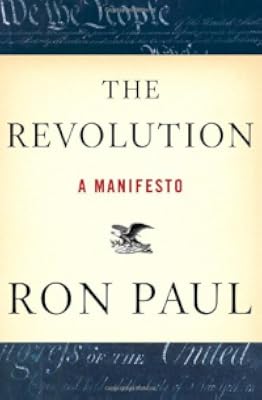
The Revolution: A Manifesto
by Ron Paul
On This Page
Description
Congressman Ron Paul (TX-R)--presidential candidate, popular ideologue, debate favorite, and creator of one of the largest grassroots campaigns in history--sets forth his revolutionary manifesto and challenges America to make the tough changes needed to survive.Tags
Recommendations

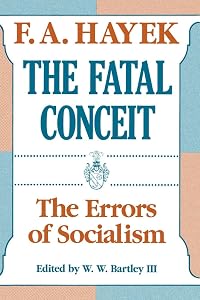
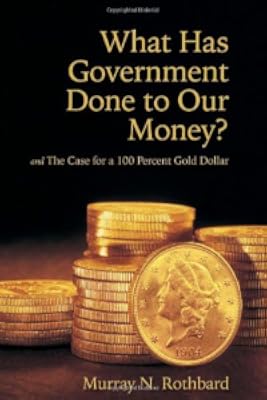
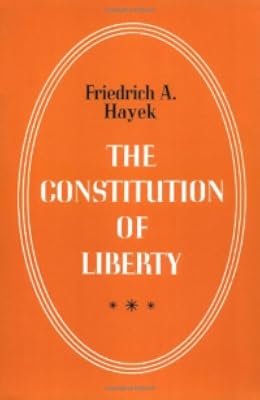

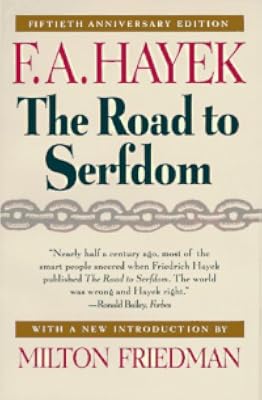
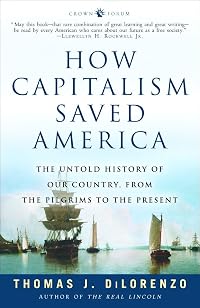
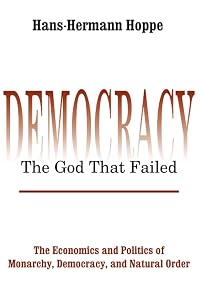
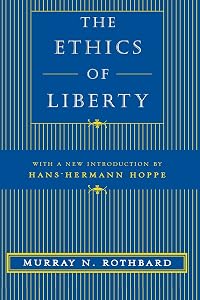

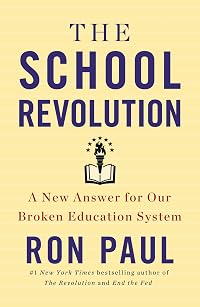

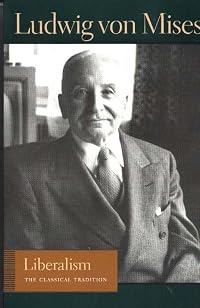
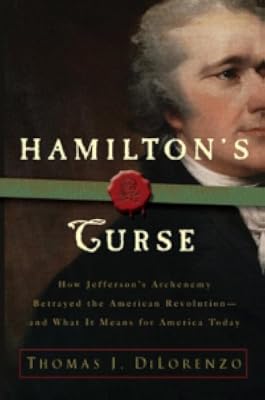
Member Recommendations
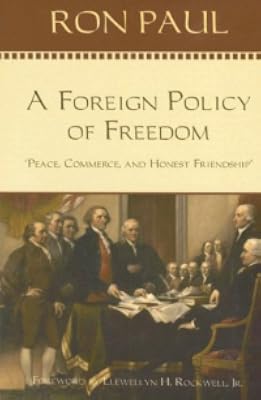
markusnenadovus This goes in more detail on foreign policy (it is a collection of his speeches)
Member Reviews
This is a book that the average American ought to read. Frequently called a "kook" by his detractors, Ron Paul is the only politician who has the courage to tell the truth about the state of the United States, what once made it great and set it apart from the rest of the world, and what needs to be done to return peace and prosperity to it. Like all books dedicated to political reality it is smeared by those who love misery, destruction, and the end of personal liberty in the hopes that people will refrain from reading it. These people know that if the average American knew the facts they would revolt against the status quo and anyone tied to it.
To be more specific this book talks about the necessity of following the entire show more Constitution rather than cherry-picking it to support one group's agenda at the expense of the rest of the Constitution, the necessity of a non-interventionist foreign policy (you know, like the one that we used to have historically that made us peaceful, prosperous, and loved the world over), and the necessity of capitalism as the only moral system of economics (something that should sound familiar to readers of Ayn Rand's novels).
The only weak point in his arguments occurs when he tries to support the elimination of Roe v Wade. Throughout the book he proclaims that the government cannot interfere in issues best left to individuals because even the best intentioned blanket legislation will have unintended negative consequences for individuals. He then turns around and says that the government should legislate the incredibly sticky issue of abortion. He seems to be mostly aiming at late-term abortions but what he calls for is a blanket legislation of ALL abortion. The only difference is that he says the blanket legislation should come from state governments rather than the national government. This only lowers the scope of the legislation, however. The issue would be left to a smaller collective but a collective none the less. What is true of the national government ought to be true of state and local governments as well. This lapse in an otherwise consistent message lowers Dr. Paul's credibility somewhat. Still, this is one of the most consistent political messages you will find from any politician and more consistent than the ideas of many who don't even have the fear of losing their job in periodic elections as a hurdle. show less
To be more specific this book talks about the necessity of following the entire show more Constitution rather than cherry-picking it to support one group's agenda at the expense of the rest of the Constitution, the necessity of a non-interventionist foreign policy (you know, like the one that we used to have historically that made us peaceful, prosperous, and loved the world over), and the necessity of capitalism as the only moral system of economics (something that should sound familiar to readers of Ayn Rand's novels).
The only weak point in his arguments occurs when he tries to support the elimination of Roe v Wade. Throughout the book he proclaims that the government cannot interfere in issues best left to individuals because even the best intentioned blanket legislation will have unintended negative consequences for individuals. He then turns around and says that the government should legislate the incredibly sticky issue of abortion. He seems to be mostly aiming at late-term abortions but what he calls for is a blanket legislation of ALL abortion. The only difference is that he says the blanket legislation should come from state governments rather than the national government. This only lowers the scope of the legislation, however. The issue would be left to a smaller collective but a collective none the less. What is true of the national government ought to be true of state and local governments as well. This lapse in an otherwise consistent message lowers Dr. Paul's credibility somewhat. Still, this is one of the most consistent political messages you will find from any politician and more consistent than the ideas of many who don't even have the fear of losing their job in periodic elections as a hurdle. show less
This is the Libertarian book of the twenty-first century, written by ten-term congressman Ron Paul.
Paul defends liberty and freedom as no other politician does. (Even moreso than those in the so-called Libertarian Party.) In this book, he gives a description of what he sees as the principles of liberty: namely, the right to life, liberty, and the pursuit of happiness as promised by the Constitution and the Founding Fathers. This includes an embracing of the free market, and rejection of all forms of welfare—corporate or otherwise.
From the start, Paul wastes no time as other political writers do, viz. giving a description of his life as a child, what religion he was apart of, how he met his wife, etc. The Revolution is described as a show more “Manifesto,” and it is exactly that. No, there isn't any political posturing here; only what he believes to be true.
That said, it's quite readable. It isn't dry or boring, as you would expect from a treatise of this nature. Instead, he keeps it lively by weaving the text with real world examples of why his principles hold correct. He demonstrates the inability of the American political system to handle real change; he points out the rising debt caused by bipartisan policies that no other politician addresses. His prose hits hard and fast. He makes his point clearly, succinctly, and it is clear that there is something unique about this politician. It may be that—despite some flaws in his platforms—he is at least consistent. No knobbly-kneed bipartisanship here.
The topic he chooses the delve into first is the one of the most needed attention at the moment: Foreign Policy. (The very fact that he got into foreign policy before addressing other minor issues is another thing that makes Senator Paul stand out.) His stance on foreign policy is that of Thomas Jefferson, who valued “peace, commerce, and honest friendship with all nations” above all other policies.
Paul frequently invokes a number of authorities to prove his point, and they aren't all dead white males. He also uses history to prove his point in a way that few politicians dare. Reading the book, you get the feeling that the man knows what he is talking about, and if he doesn't, he is at least knowledgeable enough to change his mind.
Paul speaks of economic liberty, as well as money, what he calls “the forbidden issue in American politics.” The latter section was the most informing to me because I—like most Americans, probably—have never found the issue of paper money...to be an issue. This ignorance is quickly dissected by Paul, who convinced me there was at least some merit to his argument that money may not come from nowhere (unbacked by a hard currency), and its value may not be maintained efficiently through a centralized agency. The most enjoyable part of the book has to be his writing on civil liberties in America. He takes a strong stance—which his voting record will show—against intrusions into the lives of Americans by their government. He makes a strong case for freedom in the face of tyranny. Once again, another issue Paul tackles that most politicians tiptoe around.
Even if you aren't a libertarian, or Republican, or Democrat, Ron Paul's views are still worth considering. His exposition on the philosophy of liberty will, at the very least, explain the popular support behind him. It will show what his passionate followers see in him, which are his ideas, not the man himself.
Ron Paul's The Revolution is a worthy addition to any bookshelf. show less
Paul defends liberty and freedom as no other politician does. (Even moreso than those in the so-called Libertarian Party.) In this book, he gives a description of what he sees as the principles of liberty: namely, the right to life, liberty, and the pursuit of happiness as promised by the Constitution and the Founding Fathers. This includes an embracing of the free market, and rejection of all forms of welfare—corporate or otherwise.
From the start, Paul wastes no time as other political writers do, viz. giving a description of his life as a child, what religion he was apart of, how he met his wife, etc. The Revolution is described as a show more “Manifesto,” and it is exactly that. No, there isn't any political posturing here; only what he believes to be true.
That said, it's quite readable. It isn't dry or boring, as you would expect from a treatise of this nature. Instead, he keeps it lively by weaving the text with real world examples of why his principles hold correct. He demonstrates the inability of the American political system to handle real change; he points out the rising debt caused by bipartisan policies that no other politician addresses. His prose hits hard and fast. He makes his point clearly, succinctly, and it is clear that there is something unique about this politician. It may be that—despite some flaws in his platforms—he is at least consistent. No knobbly-kneed bipartisanship here.
The topic he chooses the delve into first is the one of the most needed attention at the moment: Foreign Policy. (The very fact that he got into foreign policy before addressing other minor issues is another thing that makes Senator Paul stand out.) His stance on foreign policy is that of Thomas Jefferson, who valued “peace, commerce, and honest friendship with all nations” above all other policies.
Paul frequently invokes a number of authorities to prove his point, and they aren't all dead white males. He also uses history to prove his point in a way that few politicians dare. Reading the book, you get the feeling that the man knows what he is talking about, and if he doesn't, he is at least knowledgeable enough to change his mind.
Paul speaks of economic liberty, as well as money, what he calls “the forbidden issue in American politics.” The latter section was the most informing to me because I—like most Americans, probably—have never found the issue of paper money...to be an issue. This ignorance is quickly dissected by Paul, who convinced me there was at least some merit to his argument that money may not come from nowhere (unbacked by a hard currency), and its value may not be maintained efficiently through a centralized agency. The most enjoyable part of the book has to be his writing on civil liberties in America. He takes a strong stance—which his voting record will show—against intrusions into the lives of Americans by their government. He makes a strong case for freedom in the face of tyranny. Once again, another issue Paul tackles that most politicians tiptoe around.
Even if you aren't a libertarian, or Republican, or Democrat, Ron Paul's views are still worth considering. His exposition on the philosophy of liberty will, at the very least, explain the popular support behind him. It will show what his passionate followers see in him, which are his ideas, not the man himself.
Ron Paul's The Revolution is a worthy addition to any bookshelf. show less
Ron Paul is awesome. I have yet to find any point that he makes that I disagree with. I was not necessarily surprised by anything in The Revolution, as I was a pretty ardent follower of Dr. Paul's since before he was a presidential contender for the second time (in the 2008 election cycle). Nevertheless, it was refreshing to read all of his views in a single text that is clear and well-written.
Dr. Paul starts out in a fashion that some might consider ironical given that he wrote the book during his bid for the office of POTUS. He basically describes the situation that anyone who has ever seriously investigated a "third-party" candidate already knows about: Namely, that the "choices" offered by the two major parties are effectively not show more really choices. There are a whole lot of assumptions built into the political race process that Dr. Paul says we are never allowed to question: Like, why do we assume that the government has the right to take any taxes from us, rather than arguing what the appropriate amount of taxation (which would theft if anybody else tried it) should be?
I won't go through the book chapter by chapter, but he basically works his way through various issues that most candidates simply aren't willing to question fundamentally. He tackles foreign policy (why do we still need 64,000 troops in Germany?), trade (why do "free trade" agreements need 3,000 pages of legislation?), economics (what is the purpose of the Fed and do we even need it?), civil liberties (why do some people get so uptight about rights affirmed by the first amendment but willingly give up rights affirmed by other amendments?) and many other topics.
The only qualm I have with the book is an inconsistency in the citation of sources for various data, but considering it is written for a popular audience and not a scholarly one, it might be forgiven. Dr. Paul does give a bibliography at the end for anyone who wants to know more about the various topics he discusses. I am sure to tackle many of the books on the list in the near future (some of them I already own...). show less
Dr. Paul starts out in a fashion that some might consider ironical given that he wrote the book during his bid for the office of POTUS. He basically describes the situation that anyone who has ever seriously investigated a "third-party" candidate already knows about: Namely, that the "choices" offered by the two major parties are effectively not show more really choices. There are a whole lot of assumptions built into the political race process that Dr. Paul says we are never allowed to question: Like, why do we assume that the government has the right to take any taxes from us, rather than arguing what the appropriate amount of taxation (which would theft if anybody else tried it) should be?
I won't go through the book chapter by chapter, but he basically works his way through various issues that most candidates simply aren't willing to question fundamentally. He tackles foreign policy (why do we still need 64,000 troops in Germany?), trade (why do "free trade" agreements need 3,000 pages of legislation?), economics (what is the purpose of the Fed and do we even need it?), civil liberties (why do some people get so uptight about rights affirmed by the first amendment but willingly give up rights affirmed by other amendments?) and many other topics.
The only qualm I have with the book is an inconsistency in the citation of sources for various data, but considering it is written for a popular audience and not a scholarly one, it might be forgiven. Dr. Paul does give a bibliography at the end for anyone who wants to know more about the various topics he discusses. I am sure to tackle many of the books on the list in the near future (some of them I already own...). show less
I selected Ron Paul's book mostly because I have found his views via the Presidential debates to be interesting and unique to him. Although this book was published in 2008, it very much reflects the Ron Paul we hear today. Clearly, he is controversial in many of his views. He supports ending foreign aid and eliminating our military presence in over 130 countries world wide. And he makes a solid case.
I do not believe Ron Paul is electable today. While I believe his views make total sense, they do not reflect the belief system of the majority of Americans.
All the same, I believe Paul is right and the majority of Americans are not. Our system of government operates in denial, and Americans are in denial. With 15+ Trillion in debts, our show more house has become a house of cards. But everywhere you hear that America is the strongest, the most free, the most prosperous nation on Earth. And Americans buy this like it was written in stone, like we are, let's be honest, infallible.. And if it were true, Ron Paul would indeed be a chicken little.
Out nation is on the brink of economic collapse. It's no longer a question of if, but when. Were that collapse to occur very soon, well, Ron Paul's chances of being elected would soar. I see that collapse as his only realistic opportunity to reach the Presidency. Once it arrives, I predict this book and others he has written will soar in popularity, and Paul may well become remembered for his great wisdom and foresight.
I'm not seeking or expecting most who read my words to jump on this wagon. It's not my purpose, and I am satisfied with my views without the need of a "congregation" to give them "substance". My real purpose is to encourage readers to give his words , and reasons, some serious thought.. They will in my opinion prove to be very prophetic.. We need a savior, but for some reason, we first need to have the huge crisis before we can realize we need a savior.
I just hope we can survive. show less
I do not believe Ron Paul is electable today. While I believe his views make total sense, they do not reflect the belief system of the majority of Americans.
All the same, I believe Paul is right and the majority of Americans are not. Our system of government operates in denial, and Americans are in denial. With 15+ Trillion in debts, our show more house has become a house of cards. But everywhere you hear that America is the strongest, the most free, the most prosperous nation on Earth. And Americans buy this like it was written in stone, like we are, let's be honest, infallible.. And if it were true, Ron Paul would indeed be a chicken little.
Out nation is on the brink of economic collapse. It's no longer a question of if, but when. Were that collapse to occur very soon, well, Ron Paul's chances of being elected would soar. I see that collapse as his only realistic opportunity to reach the Presidency. Once it arrives, I predict this book and others he has written will soar in popularity, and Paul may well become remembered for his great wisdom and foresight.
I'm not seeking or expecting most who read my words to jump on this wagon. It's not my purpose, and I am satisfied with my views without the need of a "congregation" to give them "substance". My real purpose is to encourage readers to give his words , and reasons, some serious thought.. They will in my opinion prove to be very prophetic.. We need a savior, but for some reason, we first need to have the huge crisis before we can realize we need a savior.
I just hope we can survive. show less
I pretty much agreed with Paul on everything but his first chapter regarding noninterventionalism. While I do think diplomacy should always be tried first, the fact is, people who are willing to die to kill you aren't into listening to what you have to say. I think Paul's thoughts here are very simplistic and naive. What I needed to know from him is what constitutes war? And if he wants to remove our military forces from most countries in the world, how are we to keep tabs on what others may be planning? I felt like he revealed little about what he'd do.
I believe the only reason Ron Paul has not been assassinated to date is because he has not become a big enough threat to the powers that be.
From his new book, The Revolution: A Manifesto...
“This much is true: you have been lied to, robbed, and used by your own government - the people you elected into office and the people you should be able to trust.”
What Ron Paul doesn’t tell us, of course, is that the people elected to office are not the power behind the thrown. Politics is a game, and it’s played at our expense. So long as each citizen follows along with eyes closed, concerned about his or her own petty world, ignoring the larger arena in which we all suffer, there can be no revolution. And at this point in the game, without show more a revolution, freedom cannot survive.
This is the urgent message to America... that freedom is not FREE, but must be won...and won before it’s too late. Beyond a certain point in the game, only internal revolution will work, We are now at that point.
America will not see the likes of Ron Paul in future elections unless the powers that be are broken. These power heads do not suffer truth bearers lightly, something America should have learned from the assassination of JFK.
People like Ron Paul, speaking truthfully on the economy, terrorism, foreign policy, the war on drugs, the housing bubble, the Federal Reserve, civil liberties, and everything else in between, may be the last bastion of hope available to a nation whose people wallow in ignorance of the juggernaut that swiftly races to crush them.
I urge you to get a copy of this book. Forewarned is forearmed. Take advantage of the reading list at the back of the book; learn the truth of Ron Paul’s assertions. And if it’s not too late already, take up the cause of freedom.
Linda Camp
The CAMP Report
Citizens Against Media Propaganda show less
From his new book, The Revolution: A Manifesto...
“This much is true: you have been lied to, robbed, and used by your own government - the people you elected into office and the people you should be able to trust.”
What Ron Paul doesn’t tell us, of course, is that the people elected to office are not the power behind the thrown. Politics is a game, and it’s played at our expense. So long as each citizen follows along with eyes closed, concerned about his or her own petty world, ignoring the larger arena in which we all suffer, there can be no revolution. And at this point in the game, without show more a revolution, freedom cannot survive.
This is the urgent message to America... that freedom is not FREE, but must be won...and won before it’s too late. Beyond a certain point in the game, only internal revolution will work, We are now at that point.
America will not see the likes of Ron Paul in future elections unless the powers that be are broken. These power heads do not suffer truth bearers lightly, something America should have learned from the assassination of JFK.
People like Ron Paul, speaking truthfully on the economy, terrorism, foreign policy, the war on drugs, the housing bubble, the Federal Reserve, civil liberties, and everything else in between, may be the last bastion of hope available to a nation whose people wallow in ignorance of the juggernaut that swiftly races to crush them.
I urge you to get a copy of this book. Forewarned is forearmed. Take advantage of the reading list at the back of the book; learn the truth of Ron Paul’s assertions. And if it’s not too late already, take up the cause of freedom.
Linda Camp
The CAMP Report
Citizens Against Media Propaganda show less
Ron Paul has been on the mark about the political climate in America for a long time. He predicted the result of the federal reserve interference causing a false economic boom that led to the housing bubble.
His views on our military interference overseas should not be ignored. The blowback caused by our policies and the expense to our budget. If we stopped the wars we could use that money towards our social security.
The media doesn't admit the Fannie Mae and Freddie Mac policies, the bailouts or the role the federal reserve caused in all of this.
It's depressing the new chapter written in 2009 before the bulk of those bailouts even happened [or the bonuses that were given]. He really hit home that the bill didn't pass the first time show more around but once the lobbyists and bankers called it was passed. The voters didn't matter.
It's doubly sickening during the current election to read about the Iraq sanctions and that Iran was proven not to have a nuclear weapon. He predicted they'd come up with a reason anyway and they have.
Sanctions included.
We're still where we were in 2008.
He covers the drug wars, warrant-less wiretapping and other losses to our civil liberties.
How our forebears never intended for the federal government to have such reach in power.
Even if you don't agree with Ron Paul's ideas about the gold standard [or the story fed to you about the media] it's hard to argue that the federal reserve has messed with inflation and how the costs directly affect the poor who don't get the created money first.
If it's not possible to return to the gold standard we still need to audit the federal reserve.
Glenn Greenwald just wrote an op-ed for the Guardian about which US presidents committed the worst assaults to our civil liberties that I recommend reading.
Who is the worst civil liberties president in US history?Where do the abuses of the last decade from Bush and Obama rank when compared to prior assaults in the name of war? show less
His views on our military interference overseas should not be ignored. The blowback caused by our policies and the expense to our budget. If we stopped the wars we could use that money towards our social security.
The media doesn't admit the Fannie Mae and Freddie Mac policies, the bailouts or the role the federal reserve caused in all of this.
It's depressing the new chapter written in 2009 before the bulk of those bailouts even happened [or the bonuses that were given]. He really hit home that the bill didn't pass the first time show more around but once the lobbyists and bankers called it was passed. The voters didn't matter.
It's doubly sickening during the current election to read about the Iraq sanctions and that Iran was proven not to have a nuclear weapon. He predicted they'd come up with a reason anyway and they have.
Sanctions included.
We're still where we were in 2008.
He covers the drug wars, warrant-less wiretapping and other losses to our civil liberties.
How our forebears never intended for the federal government to have such reach in power.
Even if you don't agree with Ron Paul's ideas about the gold standard [or the story fed to you about the media] it's hard to argue that the federal reserve has messed with inflation and how the costs directly affect the poor who don't get the created money first.
If it's not possible to return to the gold standard we still need to audit the federal reserve.
Glenn Greenwald just wrote an op-ed for the Guardian about which US presidents committed the worst assaults to our civil liberties that I recommend reading.
Who is the worst civil liberties president in US history?Where do the abuses of the last decade from Bush and Obama rank when compared to prior assaults in the name of war? show less
Members
- Recently Added By
Lists

Shaykh Hamza's Book Recommendations
439 works; 3 members
Author Information

25+ Works 2,885 Members
Ron Paul was born in Pittsburgh, Pennsylvania on August 20, 1935. He received a B.S. degree in biology from Gettysburg College in 1957 and a M.D. degree from the Duke University School of Medicine in 1961. He served as a flight surgeon in the United States Air Force from 1963 to 1965 and then the United States Air National Guard from 1965 to 1968. show more Afterward, he opened a private practice in obstetrics and gynecology in Texas. He served in the United States Congress from 1976 to 1984, and again from 1996 to the present. He has devoted his political career to the defense of individual liberty, sound money, and a non-interventionist foreign policy. He is the founder of the advocacy group Campaign for Liberty and has been called the "intellectual grandfather" of the Tea Party movement. He has written several books including The Case for Gold, The Revolution: A Manifesto, End the Fed, and Liberty Defined: 50 Essential Issues That Affect Our Freedom. (Bowker Author Biography) show less
Awards and Honors
Distinctions
Classifications
- Genres
- Politics and Government, Nonfiction, General Nonfiction, History
- DDC/MDS
- 973.931092 — History & geography History of North America United States 1901- New Millennium, Post 9/11 (2001-Present) George W. Bush (2001-2009) Sept 11 Attacks, Iraq War, Patriot Act
- LCC
- E901.1 .P38 .A3 — History of the United States Twenty-first century
- BISAC
Statistics
- Members
- 1,178
- Popularity
- 21,363
- Reviews
- 24
- Rating
- (4.22)
- Languages
- English
- Media
- Paper, Audiobook, Ebook
- ISBNs
- 6
- ASINs
- 6