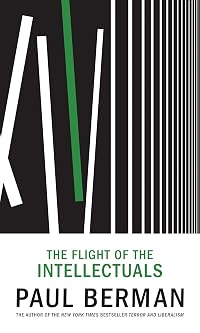
The Flight of the Intellectuals: The Controversy Over Islamism and the Press
by Paul Berman
On This Page
Description
Berman conducts a searing examination into the intellectual atmosphere of the moment and shows how some of the West's best thinkers and journalists have fumbled badly in their effort to grapple with Islamic ideas and violence.Tags
Recommendations
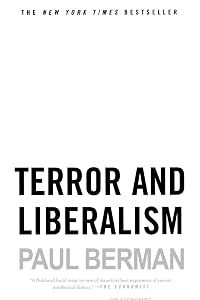







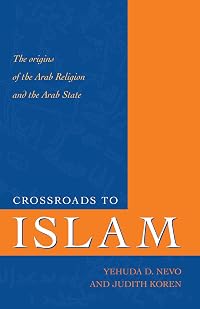

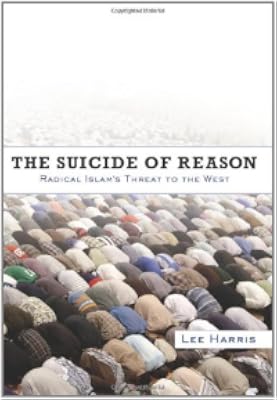

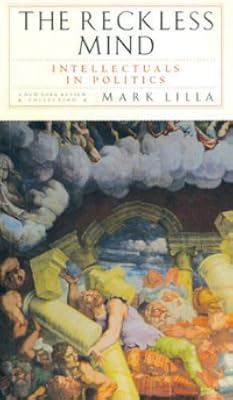

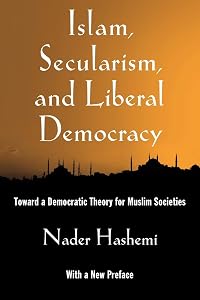




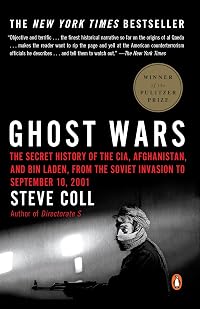

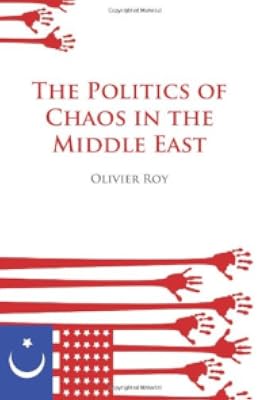
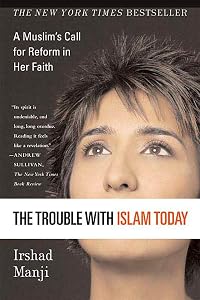
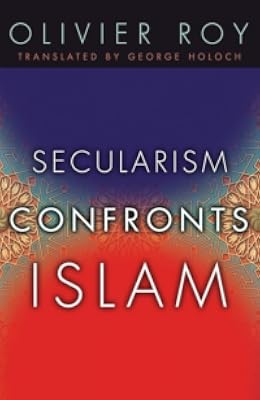
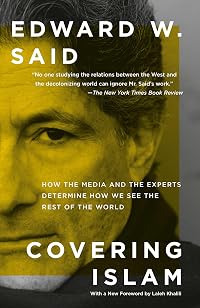
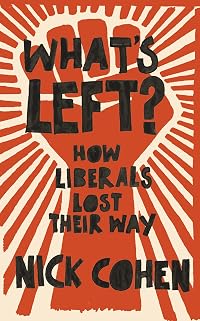
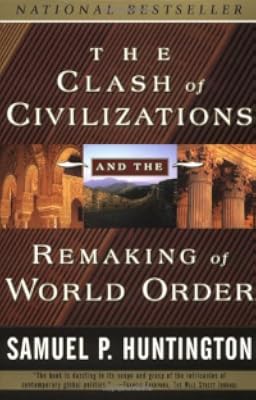
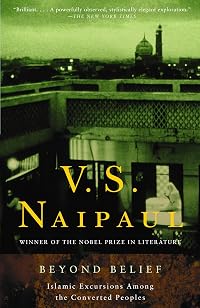
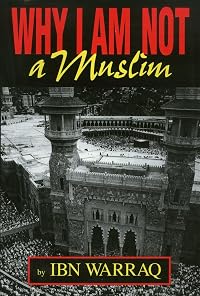
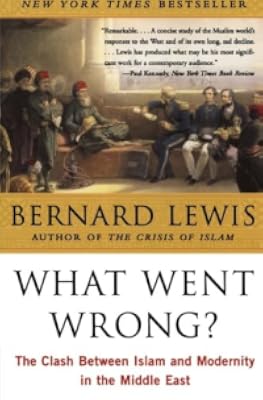


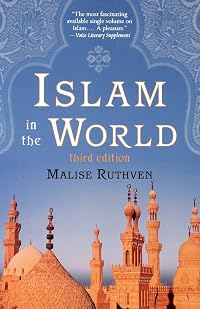
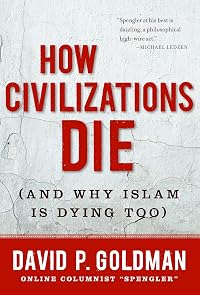



Member Recommendations
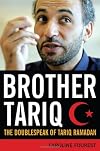
gmicksmith Fourest's work critically examines the double-speak of Ramadan, the foremost Islamist in the West.
Member Reviews
These two (speaking here of his earlier, Terror and Liberalism) little books by Berman are amongst the most insightful works on terrorism and the reactions by the Left and in the press that I have ever read. Berman leads us down a journalistic tour de force that grasps the achievements of the Enlightenment and the abysmal application of contemporary Leftism to the uncomfortable truths revealed by anti-jihadists.
In his first book, Terror, Berman wrote a bit on Tariq Ramadan who is the darling of the CAIR (Council on American Islamic Relations) and other non-indicted co-conspirators in the Holy Land Foundation trial and thus of interest. In his latest missive though Berman describes in much more detail the ideas of Ramadan and his show more reception in the press which is much more revealing. The promise of the book lived up to its billing. Berman convincingly demonstrates that the Western press is not seriously considering Islamist ideas. At an early age Ramadan distinguished himself and although he has denied it he apparently was a motive force behind the cancelling of Voltaire's play, Fanaticism, or Mahomet the Prophet. Nevertheless, he seems to have lived a charmed intellectual life; even polemicizing against Darwin in favor of Islamic theology and not suffering any condemnation as a result. There has more recently been some criticisms but Berman in his little book is very illuminating on the appeal and the danger of the Islamist Ramadan.
Caroline Fourest's Brother Tariq has been a critical appraisal which was followed by Paul Landau's work which I have not seen translated into English as of yet although the French original of The Saber and the Koran is available. The New York Times Magazine, in an article by Ian Buruma, remains a crucial source, and one which Berman delves into deeply in his work. The upshot of the discussions though is the undeserved reputation that Ramadan is something of an Islamist modernist, adapting the vagaries and barbarisms of Islam to the modern age, and performing this needed prospect well. Berman is more circumspect on this point and far more penetrating as a thinker.
Hassan al-Bana (Chapter Two) is too seminal a figure to ignore and Ramadan's family connection is bound to be critical. Al-Bana is a key player in the founding of the Muslim Brotherhood and if there is any truth to the notion that they are violent, then Ramadan at some level supports religious violence, although he is careful and nuanced in distancing himself from his famous forebears. The issue is clarified once we consider who was formerly attracted to the Brotherhood. The Grand Mufti of Jerusalem, Haj Amin al-Husseini, dedicated himself to similar ends. The union is ominous considering that as al-Bana was developing his cult of death the Mufti was forging an alliance with Adolf Hitler. Al-Bana created Islamism (p. 33), political Islam, to be distinguished from historical Islam. Unusual in the intricacies of academic politics, a second dissertation committee was formed for Ramadan so that he could pass his PhD thesis off, without honors, since it was an apologia of his grandfather's ideas. An adaptation of these ideas has never been published in English but one of Ramadan's French works is a recasting of his dissertation in which al-Bana is the hero of the Islamist modern age. No wonder the dissertation committee balked; Hamas is al-Bana's ideas personified. In fact, Hamas is the name of the Muslim Brotherhood opposing statehood for Israel. In Egypt, the Muslim Brotherhood is headed up by the prolific writer, Sheik Yusuf al-Qaradawi, leader of the Egyptian revolt against Mubarak in 2011. In the grand revival of the Caliphate as envisioned by the related figures the infidels will a doubled humility tax for remaining non-Muslims. The re-casting of a modern -ism, Islamism has been picked up as a theme in several Muslim intellectuals as well. Shorn of fascism and Nazism, Islamism centers around a totalitarian Muslim vision of modernity: religious fascism.
A Mufti is a scholar of Islamic law and Haj Amin al-Husseini is the key link between Islamism and Nazism as Jeffrey Herf has shown in Nazi Propaganda for the Arab World. One of the elements in the Nazi propaganda to recruit Islamism to its banner are the radio broadcasts that are long gone today. However, Herf discovered that the U.S. State Department translated those broadcasts for intelligence purposes and he reports the startling revelations in Propaganda. Hitler in these propaganda efforts become God's agent to defeat the News. Herf also reports that after Hitler's defeat leading Nazis fled to the Middle East, numerous of whom actually converted to Islam as well. Qaradawi, the Muslim Brotherhood spiritual leader today, echoes the exact same Nazi propaganda from the period during the 1930s and 1940s. show less
In his first book, Terror, Berman wrote a bit on Tariq Ramadan who is the darling of the CAIR (Council on American Islamic Relations) and other non-indicted co-conspirators in the Holy Land Foundation trial and thus of interest. In his latest missive though Berman describes in much more detail the ideas of Ramadan and his show more reception in the press which is much more revealing. The promise of the book lived up to its billing. Berman convincingly demonstrates that the Western press is not seriously considering Islamist ideas. At an early age Ramadan distinguished himself and although he has denied it he apparently was a motive force behind the cancelling of Voltaire's play, Fanaticism, or Mahomet the Prophet. Nevertheless, he seems to have lived a charmed intellectual life; even polemicizing against Darwin in favor of Islamic theology and not suffering any condemnation as a result. There has more recently been some criticisms but Berman in his little book is very illuminating on the appeal and the danger of the Islamist Ramadan.
Caroline Fourest's Brother Tariq has been a critical appraisal which was followed by Paul Landau's work which I have not seen translated into English as of yet although the French original of The Saber and the Koran is available. The New York Times Magazine, in an article by Ian Buruma, remains a crucial source, and one which Berman delves into deeply in his work. The upshot of the discussions though is the undeserved reputation that Ramadan is something of an Islamist modernist, adapting the vagaries and barbarisms of Islam to the modern age, and performing this needed prospect well. Berman is more circumspect on this point and far more penetrating as a thinker.
Hassan al-Bana (Chapter Two) is too seminal a figure to ignore and Ramadan's family connection is bound to be critical. Al-Bana is a key player in the founding of the Muslim Brotherhood and if there is any truth to the notion that they are violent, then Ramadan at some level supports religious violence, although he is careful and nuanced in distancing himself from his famous forebears. The issue is clarified once we consider who was formerly attracted to the Brotherhood. The Grand Mufti of Jerusalem, Haj Amin al-Husseini, dedicated himself to similar ends. The union is ominous considering that as al-Bana was developing his cult of death the Mufti was forging an alliance with Adolf Hitler. Al-Bana created Islamism (p. 33), political Islam, to be distinguished from historical Islam. Unusual in the intricacies of academic politics, a second dissertation committee was formed for Ramadan so that he could pass his PhD thesis off, without honors, since it was an apologia of his grandfather's ideas. An adaptation of these ideas has never been published in English but one of Ramadan's French works is a recasting of his dissertation in which al-Bana is the hero of the Islamist modern age. No wonder the dissertation committee balked; Hamas is al-Bana's ideas personified. In fact, Hamas is the name of the Muslim Brotherhood opposing statehood for Israel. In Egypt, the Muslim Brotherhood is headed up by the prolific writer, Sheik Yusuf al-Qaradawi, leader of the Egyptian revolt against Mubarak in 2011. In the grand revival of the Caliphate as envisioned by the related figures the infidels will a doubled humility tax for remaining non-Muslims. The re-casting of a modern -ism, Islamism has been picked up as a theme in several Muslim intellectuals as well. Shorn of fascism and Nazism, Islamism centers around a totalitarian Muslim vision of modernity: religious fascism.
A Mufti is a scholar of Islamic law and Haj Amin al-Husseini is the key link between Islamism and Nazism as Jeffrey Herf has shown in Nazi Propaganda for the Arab World. One of the elements in the Nazi propaganda to recruit Islamism to its banner are the radio broadcasts that are long gone today. However, Herf discovered that the U.S. State Department translated those broadcasts for intelligence purposes and he reports the startling revelations in Propaganda. Hitler in these propaganda efforts become God's agent to defeat the News. Herf also reports that after Hitler's defeat leading Nazis fled to the Middle East, numerous of whom actually converted to Islam as well. Qaradawi, the Muslim Brotherhood spiritual leader today, echoes the exact same Nazi propaganda from the period during the 1930s and 1940s. show less
El escritor y filosofo invita a los escritores e intelectuales a ser mas criticos ante las posiciones sesgadas del Islamismo y la realidad de los hechos que ocurren en nombre de los profetas o dioses que se proclaman
Jan 25, 2023Spanish
Ratings
Members
- Recently Added By
Published Reviews
Despite his implied claim to be one of the few journalists or intellectuals from Western backgrounds “to grapple seriously with the Islamist ideas,” phrases such as “carelessly adopted positions,” “flippant phrasing,” and “paucity of research” constantly spring to mind when reading his book.
added by Shortride
Lists

Radical Islam/Islamism
75 works; 6 members
Author Information

9+ Works 979 Members
Paul Berman writes about politics and literature for the New Republic, the New York Times Magazine, and other magazines
Common Knowledge
- Canonical title
- The Flight of the Intellectuals: The Controversy Over Islamism and the Press
Classifications
- Genres
- Nonfiction, Religion & Spirituality, General Nonfiction, History, Politics and Government, Philosophy
- DDC/MDS
- 320 — Society, government, & culture Political science Types of Government
- LCC
- BP67 .U6 .B47 — Philosophy, Psychology and Religion Islam. Bahaism. Theosophy, etc. Islam. Bahai Faith. Theosophy, etc. General History
- BISAC
Statistics
- Members
- 128
- Popularity
- 256,055
- Reviews
- 2
- Rating
- (4.00)
- Languages
- English, Spanish
- Media
- Paper, Ebook
- ISBNs
- 6
- ASINs
- 1