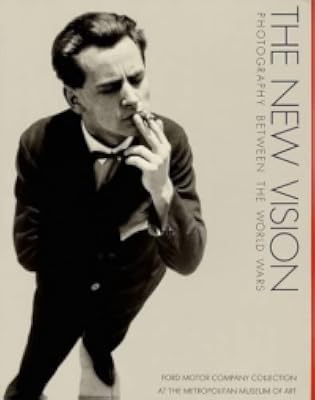
The New Vision, Photography Between the World Wars: Ford Motor Company Collection at the Metropolitan Museum of Art
by Maria Morris Hambourg, Christopher Phillips
Metropolitan Museum of Art Bulletin (v. 45, no. 4 Spr 1988)
On This Page
Description
A broad historical study of the provocative innovations of European and American photography between the World Wars. Presents more than 160 images from the Ford Motor Company Collection of photographs.Tags
Recommendations
























Member Reviews
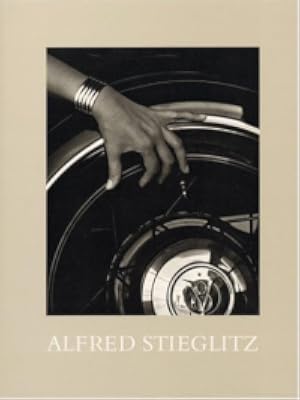
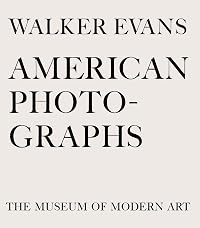
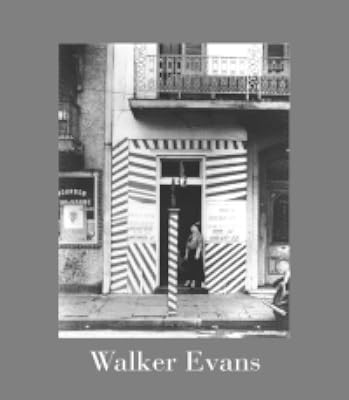
A broad historical study of the provocative innovations of European and American photography between the World Wars. This volume presents more than 160 images from the Ford Motor Company Collection, a group of about 500 photographs formed by John C. Waddell, which Ford Motor Company and the collector recently gave to the Metropolitan Museum. The photographs illustrated here by Man Ray, Walker Evans, Laszlo Moholy-Nagy, Andre Kertesz, Alfred Stieglitz, Berenice Abbott and some 70 other artists chart the urban, technological and psychological revolutions of the modern age.
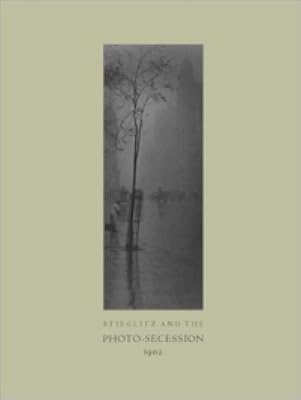
A decade after the establishment of the Department of Prints in the fall of 1916, the Metropolitan Museum began to collect photographs. The keystone of our holdings is show more the work of Alfred Stieglitz and a matchless collection of photographs by his most talented contemporaries that he gave to the Metropolitan in 1933. Stieglitz and his fellow Photo-Secessionists, working in soft-focus painterly techniques, won for the medium a large measure of respectability in the two decades before World War I. After the war a new generation of photographers turned from painterly styles and took radically different directions. Some of these young artists espoused the aesthetic principles of avant-garde movements—dadism, futurism, surrealism, constructivism; others were unaligned. But they all shared the belief that photography provided the appropriate technology and methods to record modern life. Indeed, much of the most progressive art of the 1920s and 1930s owes a great debt to their photographic visions.
Although photography is now the most ubiquitous and generally accessible of modern art media, it is not widely recognized that many of its forms—which today seem most new and which have been borrowed by modern painters—were discovered and creatively explored over half a century ago. Indeed, the photographs of the interwar period lie at the origin of our culture's visual sense of itself. These pictures are intriguing and often beautiful; if their lessons are not always easy, we are confident that the viewers' efforts will bring rich rewards. show less
A decade after the establishment of the Department of Prints in the fall of 1916, the Metropolitan Museum began to collect photographs. The keystone of our holdings is show more the work of Alfred Stieglitz and a matchless collection of photographs by his most talented contemporaries that he gave to the Metropolitan in 1933. Stieglitz and his fellow Photo-Secessionists, working in soft-focus painterly techniques, won for the medium a large measure of respectability in the two decades before World War I. After the war a new generation of photographers turned from painterly styles and took radically different directions. Some of these young artists espoused the aesthetic principles of avant-garde movements—dadism, futurism, surrealism, constructivism; others were unaligned. But they all shared the belief that photography provided the appropriate technology and methods to record modern life. Indeed, much of the most progressive art of the 1920s and 1930s owes a great debt to their photographic visions.
Although photography is now the most ubiquitous and generally accessible of modern art media, it is not widely recognized that many of its forms—which today seem most new and which have been borrowed by modern painters—were discovered and creatively explored over half a century ago. Indeed, the photographs of the interwar period lie at the origin of our culture's visual sense of itself. These pictures are intriguing and often beautiful; if their lessons are not always easy, we are confident that the viewers' efforts will bring rich rewards. show less
Hard-cover print books on photographic imagery are still infinitely superior to ebooks.
Members
- Recently Added By
Author Information

18+ Works 960 Members
Maria Morris Hambourg is Curator in Charge of the Department of Photographs, The Metropolitan Museum of Art.
9 Works 164 Members
Christopher Phillips is an educator, a freelance writer, and the founder of the non-profit Society for Philosophical Inquiry. (Bowker Author Biography)
All Editions
Awards and Honors
Awards
Series

Common Knowledge
- Canonical title
- The New Vision, Photography Between the World Wars: Ford Motor Company Collection at the Metropolitan Museum of Art
- Original publication date
- 1988
Classifications
Statistics
- Members
- 78
- Popularity
- 406,345
- Reviews
- 2
- Rating
- (3.50)
- Languages
- English
- Media
- Paper
- ISBNs
- 4
- ASINs
- 1