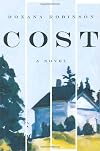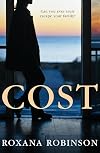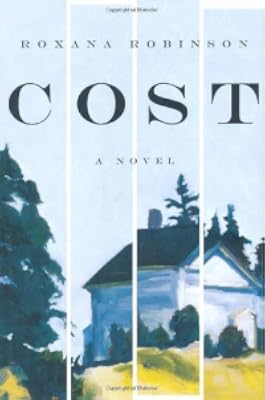
Cost
by Roxana Robinson
On This Page
Description
THE LUMINOUS AND GRIPPING NEW NOVEL FROM "ONE OF OUR BEST WRITERS" (JONATHAN YARDLEY, THE WASHINGTON POST) When Julia Lambert, an art professor, settles into her idyllic Maine house for the summer, she plans to spend the time tending her fragile relationships with her father, a repressive neurosurgeon, and her gentle mother, who is descending into Alzheimer's. But a shattering revelation intrudes: Julia's son Jack has spiraled into heroin addiction. In an attempt to save him, Julia marshals show more help from her looseknit clan: elderly parents; remarried ex-husband; removed sister; and combative eldest son. Ultimately, heroin courses through the characters' lives with an impersonal and devastating energy, sweeping the family into a world in which deceit, crime, and fear are part of daily life. Roxana Robinson is the author of Sweetwater, which Booklist called a "hold-your-breath novel of loss and love." Billy Collins praised Robinson as "a master at moving from the art of description to the work of excavating the truths about ourselves." In Cost, Robinson tackles addiction and explores its effects on the bonds of family, dazzling us with her hallmark subtlety and precision in evoking the emotional interiors of her characters. The result is a work in which the reader's sense of discovery and compassion for every character remains unflagging to the end, even as the reader, like the characters, is caught up in Cost's breathtaking pace. show lessTags
Recommendations



















Member Recommendations

Publerati Great writing and interesting characters, each book features multiple locations including the state of Maine.
Member Reviews
Early in Roxana Robinson’s “Cost” we learn of Edward Lambert that he enjoyed finding fault, it made him feel competent and sure of himself, useful. Finding what was wrong with a certain situation, person, or idea put him in control, and made him superior. We feel for his grown daughter, Julia, a New York artist and college professor, and understand why his presence at her Maine summer home puts her on edge, and makes her resent him.
In this realistic, perfectly-paced novel, Ms. Robinson presents the tragic story of loss accompanying the deadly heroin habit of Julia’s son Jack, which wraps the family up in his inexorable downward spiral. It starts with Edward. He has sailed through his life as a distinguished brain surgeon; he show more loves the prestige and the notoriety, and the power this gives him; he has developed a powerful ego. He sees himself as a virtuous standard, a member of an extremely exclusive society, but very late in life his wife’s fading faculties trigger worry and memories that begin to tell him and us a different tale. The leucotomies, the enforced surgeries on mental patients, the use of humans as little more than experimental subjects, these all come back to him, and as the trying events of his grandson’s drug habit proceed beyond his control, he begins to understand his own failing facilities, and wonders if he really was as fine an individual as he liked to believe.
This story recounts the unbearable cost of the young man’s heroin addiction, in terms of heartbreak and financial capital, and it may cost him his life if he can’t kick it. However, there’s another cost running through this plainly- and effectively-told tale. The toxicity flowing from Edward, the embittered and estranged patriarch, generates coldness and distance in his offspring. His two daughters, Julia and Harriet, barely speak, and their brother is nowhere to be found at this time of family crisis (he lives on the opposite coast). This negativity and mistrust lead directly to Jack’s addiction. His suffering is the cost of the way this family behaves; he needs to be emotionally elsewhere, not part of this family.
“Cost” thus holds up the unfeeling Lambert family for our review, at odds, unloving, ultimately ineffective in dealing with its youngest member’s crisis. The author seamlessly shifts points of view, so that we get internal dialogs from all major characters. These are perfect. They guide us through the treacherous waters of this family strife, and we end understanding all. Ms. Robinson’s powerful novel exposes this fractured family at its worst time; it is artfully, thoroughly done, and so harrowingly real. A serious, excellent, and thought-provoking piece. show less
In this realistic, perfectly-paced novel, Ms. Robinson presents the tragic story of loss accompanying the deadly heroin habit of Julia’s son Jack, which wraps the family up in his inexorable downward spiral. It starts with Edward. He has sailed through his life as a distinguished brain surgeon; he show more loves the prestige and the notoriety, and the power this gives him; he has developed a powerful ego. He sees himself as a virtuous standard, a member of an extremely exclusive society, but very late in life his wife’s fading faculties trigger worry and memories that begin to tell him and us a different tale. The leucotomies, the enforced surgeries on mental patients, the use of humans as little more than experimental subjects, these all come back to him, and as the trying events of his grandson’s drug habit proceed beyond his control, he begins to understand his own failing facilities, and wonders if he really was as fine an individual as he liked to believe.
This story recounts the unbearable cost of the young man’s heroin addiction, in terms of heartbreak and financial capital, and it may cost him his life if he can’t kick it. However, there’s another cost running through this plainly- and effectively-told tale. The toxicity flowing from Edward, the embittered and estranged patriarch, generates coldness and distance in his offspring. His two daughters, Julia and Harriet, barely speak, and their brother is nowhere to be found at this time of family crisis (he lives on the opposite coast). This negativity and mistrust lead directly to Jack’s addiction. His suffering is the cost of the way this family behaves; he needs to be emotionally elsewhere, not part of this family.
“Cost” thus holds up the unfeeling Lambert family for our review, at odds, unloving, ultimately ineffective in dealing with its youngest member’s crisis. The author seamlessly shifts points of view, so that we get internal dialogs from all major characters. These are perfect. They guide us through the treacherous waters of this family strife, and we end understanding all. Ms. Robinson’s powerful novel exposes this fractured family at its worst time; it is artfully, thoroughly done, and so harrowingly real. A serious, excellent, and thought-provoking piece. show less
"Her parents were drifting away, locked in a losing struggle with their bodies, their minds. The tide was going out."
Julia, a divorced art professor, is spending the summer at her Maine house when it becomes apparent that her younger son Jack has descended into the hell of heroin addiction. The novel follows Julia and her family's journey as they attempt to rescue Jack. The story, told from alternating points of view of the various family members, including Julia's parents, her father a cold and controlling retired neurosurgeon, her mother in the beginnings of Alzheimers, her ex-husband, Jack's older brother, and Jack himself, is a devastating one. It is not easy to read, and people more knowledgeable than me state that it paints an show more accurate description of the dirty side of an addict's life and what it is like to go through withdrawal an rehab, and of course how rarely rehab is successful. The focus is not entirely on the addict, however, but how addiction affects, and sometimes destroys, the entire family.
This is an excellent book. "Enjoyable" is not the word, but it is a book definitely well-worth reading. My only complaint is that Julia at times seemed too naive, too willing to accept Jack's lies and deceptions, and she took entirely too long to accept the reality of Jack's addiction. But, I suppose that's what a mother's love would do.
4 stars show less
Julia, a divorced art professor, is spending the summer at her Maine house when it becomes apparent that her younger son Jack has descended into the hell of heroin addiction. The novel follows Julia and her family's journey as they attempt to rescue Jack. The story, told from alternating points of view of the various family members, including Julia's parents, her father a cold and controlling retired neurosurgeon, her mother in the beginnings of Alzheimers, her ex-husband, Jack's older brother, and Jack himself, is a devastating one. It is not easy to read, and people more knowledgeable than me state that it paints an show more accurate description of the dirty side of an addict's life and what it is like to go through withdrawal an rehab, and of course how rarely rehab is successful. The focus is not entirely on the addict, however, but how addiction affects, and sometimes destroys, the entire family.
This is an excellent book. "Enjoyable" is not the word, but it is a book definitely well-worth reading. My only complaint is that Julia at times seemed too naive, too willing to accept Jack's lies and deceptions, and she took entirely too long to accept the reality of Jack's addiction. But, I suppose that's what a mother's love would do.
4 stars show less
Julie goes to stay in her beach house in Maine, with her parents coming to visit. Julie had already expected some problems, her parents are getting older, but there is a greater blow in store. In times of crisis, blood is thicker than water, but seeing their loved ones suffer pushes these ties to breaking point.
Robinson brings together a family under great strain, which is all to realistic. Julie and her ex-husband, like many middle-class parents are struggling to understand why their younger son went off the rails, when his brother didn't. Steven is bitter, tired of bailing out Jack, his younger brother. There are also unaired grievances between Julie and her sister, a wedge that has kept them apart. Their high-flying father is finding show more retirement difficult, both because he has plenty of time to reflect on his career and the decisions he made as well as watching his wife's Alzheimer's getting worse.
What makes this book so compelling is the way Robinson shifts the narrative from character to character, giving us the story from all sides, the saddest of which being the ever more confused thoughts of Julie's mother. Highly recommended. show less
Robinson brings together a family under great strain, which is all to realistic. Julie and her ex-husband, like many middle-class parents are struggling to understand why their younger son went off the rails, when his brother didn't. Steven is bitter, tired of bailing out Jack, his younger brother. There are also unaired grievances between Julie and her sister, a wedge that has kept them apart. Their high-flying father is finding show more retirement difficult, both because he has plenty of time to reflect on his career and the decisions he made as well as watching his wife's Alzheimer's getting worse.
What makes this book so compelling is the way Robinson shifts the narrative from character to character, giving us the story from all sides, the saddest of which being the ever more confused thoughts of Julie's mother. Highly recommended. show less
Cost by Roxana Robinson is a heartbreaking novel about a family coping with heroin abuse. Julia is a divorced college professor and artist trying to make it through the summer at her house in Maine with her elderly parents. Her mother, Katharine, is struggling with early signs of Alzheimer’s while Edward, her father, is often judgmental and condescending. Julia’s relationship with her parents is very strained. She’s sick of her father’s criticism and her mother is usually too confused to carry on a conversation with. When her oldest son, Steven, comes to visit he brings with him the news that he thinks his younger brother is doing heroin. and her mother is usually too confused to carry on a conversation with. When her oldest son show more comes to visit he brings with him the news that he thinks his younger brother is doing heroin.
Suddenly the family needs to come together to deal with this revelation. Julia calls on her ex-husband Wendell to bring their son up to Maine so they can confront him as a family. She also asks her estranged sister to come help as the family stages an intervention with the help of a professional who runs a rehab facility.
The book is narrated in multiple POV’s and we get a glimpse into each family member’s mind which really helps weave the story together. Julia is concerned and struggling to come to terms with the impact of her son Jack’s addiction. She tries so hard to will the problem away, to make it into anything but what it is. Then when she comes to terms with it, she’s haunted by the fact that there is very little she herself can do to help her son. As a mother myself I could feel her torment. My children are still little and I still have an element of control. I can make them go to school, clean their room, eat their veggies and I can help them correct their mistakes. I hate to think of the day when I become a bystander in their lives, unable to help them or make them choose the right path.
Watching her mother struggle with the loss of her memory is heartbreaking and I felt for the brother’s conflict, scared for his brother but feeling guilty for betraying his secret. The worst though was the look into Jack’s mind as he copes with heroin addiction and withdrawal. You could see the effect of the drug through his inner monologue as he wonders in a fit of withdrawal why everyone doesn’t keep a rock in their glove compartment to smash windows with. The way he’s able to justify all his actions through the drug is frightening, his mind was definitely not a pleasant place to be.
Roxana Robinson does a beautiful job in detailing the downward spiral of addiction and the way it affects the entire family. Julia’s family, once strained and distant, actually find itself stronger through working together to save Jack. It’s a good read but if you have any experience with addiction, some parts may hit very close to home. Proceed with tissues. show less
Suddenly the family needs to come together to deal with this revelation. Julia calls on her ex-husband Wendell to bring their son up to Maine so they can confront him as a family. She also asks her estranged sister to come help as the family stages an intervention with the help of a professional who runs a rehab facility.
The book is narrated in multiple POV’s and we get a glimpse into each family member’s mind which really helps weave the story together. Julia is concerned and struggling to come to terms with the impact of her son Jack’s addiction. She tries so hard to will the problem away, to make it into anything but what it is. Then when she comes to terms with it, she’s haunted by the fact that there is very little she herself can do to help her son. As a mother myself I could feel her torment. My children are still little and I still have an element of control. I can make them go to school, clean their room, eat their veggies and I can help them correct their mistakes. I hate to think of the day when I become a bystander in their lives, unable to help them or make them choose the right path.
Watching her mother struggle with the loss of her memory is heartbreaking and I felt for the brother’s conflict, scared for his brother but feeling guilty for betraying his secret. The worst though was the look into Jack’s mind as he copes with heroin addiction and withdrawal. You could see the effect of the drug through his inner monologue as he wonders in a fit of withdrawal why everyone doesn’t keep a rock in their glove compartment to smash windows with. The way he’s able to justify all his actions through the drug is frightening, his mind was definitely not a pleasant place to be.
Roxana Robinson does a beautiful job in detailing the downward spiral of addiction and the way it affects the entire family. Julia’s family, once strained and distant, actually find itself stronger through working together to save Jack. It’s a good read but if you have any experience with addiction, some parts may hit very close to home. Proceed with tissues. show less
This is a moving and wrenching novel. Apart from the tragedy of drug abuse, there is the tragedy of family relationships that are fractured and broken, mostly by fear and misunderstanding. There is a glimmer of hope (or maybe just my desire for a glimmer of hope) at the end of the novel - a sign that maybe in moving through tragedy this family might be able to open themselves up to each other. Oddly, this novel made me think of Norman McLean's novella "A River Runs Through It". Though the families are different, there is that thread of helplessness as you watch a loved one go beyond your reach.
Julia is an artist. She is divorced and her children are grown. The summer that the book opens finds her at the shabby Maine farmhouse on the coast that has been such a touchstone for her ever since she and her ex-husband found it many years before. Her parents, older and failing in small or large ways, are with her and she is struggling to manage her relationship with them when her oldest son grudgingly concedes that he thinks her younger son is quite probably addicted to heroin. As she tries to cope with the despair and denial she is feeling, she must try to also reach her most mercurial child, Jack, before he is so lost to her that he cannot be pulled back. As much as the focus in this novel is on Julia's efforts to save Jack, she show more must also face truths about herself and who she is as her life spins out of control, slave to her child's addiction.
Robinson uses multiple narrators in an effort to round the story out and to show the effects of addiction on a family as a whole but I enjoyed reading certain characters more than others so the constantly shifting narrator caused me some irritation--serious irritation at times. Jack's narration in particular, while perhaps authentic, was difficult and swampy to read. She's probably drawn precise and real characters in the throes of this situation but I couldn't find much sympathy in me for any of them.
Older son Ben wants to absent himself from the whole situation, angry he's been forced to "out" his brother. Ex-husband Wendell doesn't really want to be bothered or involved. Julia herself prefers to live in denial, searching for a magic bullet. Their quiet desperation and ineffective choices of coping skills are desperate but ultimately uninteresting. Throughout, the narrative felt very slow and heavy going, probably because of the heavy subject matter and the inevitable train-wreck. Robinson really captured the "slowing down of time" that seems to be a mark of heroin addiction but that very drawn-out feeling of being underwater is part of what made this such a difficult read to stay engaged with for me. show less
Robinson uses multiple narrators in an effort to round the story out and to show the effects of addiction on a family as a whole but I enjoyed reading certain characters more than others so the constantly shifting narrator caused me some irritation--serious irritation at times. Jack's narration in particular, while perhaps authentic, was difficult and swampy to read. She's probably drawn precise and real characters in the throes of this situation but I couldn't find much sympathy in me for any of them.
Older son Ben wants to absent himself from the whole situation, angry he's been forced to "out" his brother. Ex-husband Wendell doesn't really want to be bothered or involved. Julia herself prefers to live in denial, searching for a magic bullet. Their quiet desperation and ineffective choices of coping skills are desperate but ultimately uninteresting. Throughout, the narrative felt very slow and heavy going, probably because of the heavy subject matter and the inevitable train-wreck. Robinson really captured the "slowing down of time" that seems to be a mark of heroin addiction but that very drawn-out feeling of being underwater is part of what made this such a difficult read to stay engaged with for me. show less
I usually have trouble with multiple points of view, especially when they shift in the middle of a page, but I ended up really liking this book. The device resulted in a 360 degree portrayal of the family relationships that surrounded the heroin addiction of the youngest son, in a very convincing way. The intervention part seemed lifted from the TV show Intervention, but I guess all interventions are ultimately the same. A very compelling read.
Members
- Recently Added By
Published Reviews
ThingScore 100
Robinson has been perennially and somewhat reductively tagged a chronicler of WASP life. This designation, while factually accurate — as is the observation that her stories regularly address parenting and marital issues — doesn’t do her justice. These subjects — WASP life, domestic life — are often used as code for “small,” in the sense of both trivial and mean, and Robinson’s show more fiction is neither. In writing about characters whose lives are constrained, she makes them loom large. show less
added by LiteraryFiction
Author Information

13+ Works 1,933 Members
Roxana Robinson is an art historian and novelist and the author of ten books. Four of these were chosen as New York Times Notable Books, two as New York Times Editors' Choices. Her fiction has appeared in the New Yorker, the Atlantic, Harper's Best American Short Stories, Tin House, and has been anthologized and broadcast on National Public Radio, show more and she is a recipient of both NEA and Guggenheim Fellowships. show less
Awards and Honors
Awards
Distinctions
Common Knowledge
Classifications
Statistics
- Members
- 391
- Popularity
- 80,054
- Reviews
- 18
- Rating
- (3.69)
- Languages
- English, French
- Media
- Paper, Ebook
- ISBNs
- 9
- ASINs
- 2