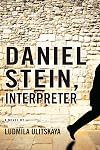
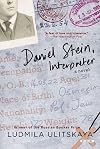
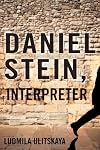
Daniel Stein, Interpreter
by Ludmila Ulitskaya
On This Page
Description
The novel tells the story of Daniel Stein, a Polish Jew who narrowly survives the Holocaust by working for the Gestapo as an interpreter. After the war, he converts to Catholicism, becomes a priest, enters the Order of Barefoot Carmelites, and finally emigrates to Israel. Despite this seemingly impossible progression, the life and destiny of Daniel Stein are not an invention- the character is based on the actual life of Oswald Rufeisen, the real Brother Daniel.--From front book jacket.Tags
Recommendations

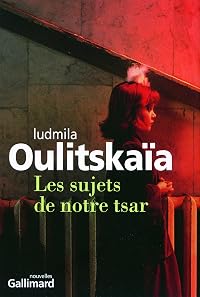



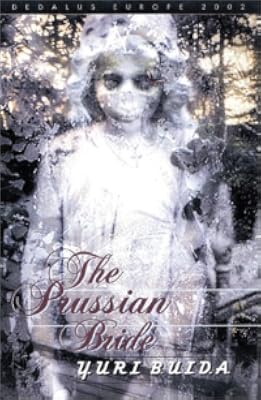
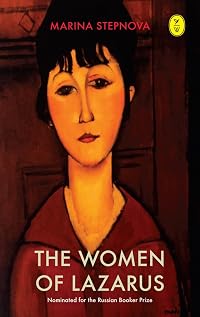

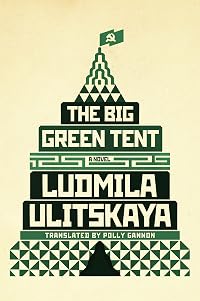




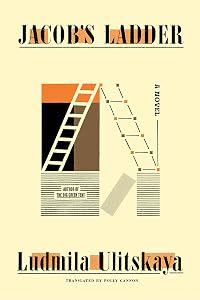










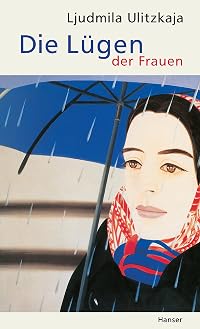
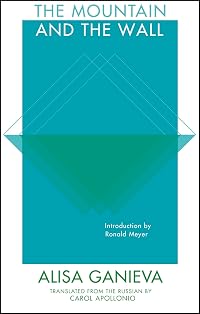


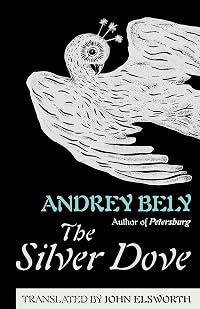
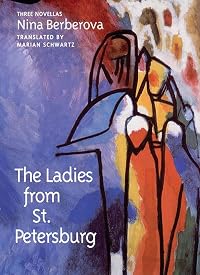
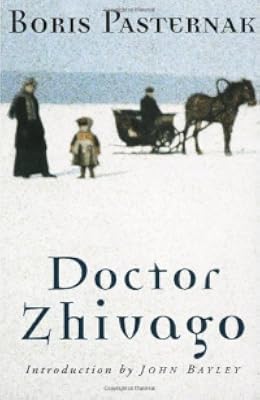
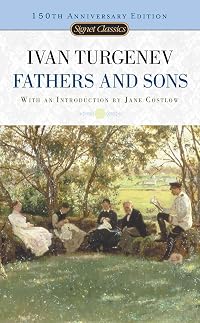

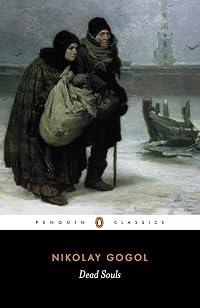
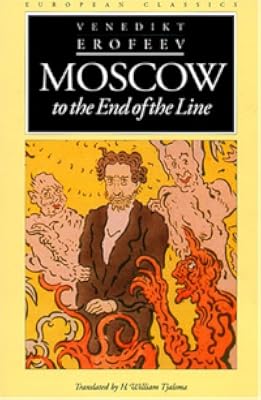

Member Recommendations
spiphany A central theme of both books is the examination of faith, both within and outside of organized religion
Member Reviews
„Kedves Ljaja! Írok és ömlik a könnyem. Nem vagyok igazi író. Az igazi író nem sír.”
(Ljudmila Ulickaja levele Jelena Kosztyukovicsnak)
Kedves Ljudmila! Ön igazi író – mert az igazi író sír. No persze, ez megint túlzás, mert hát annyi író van, aki igazi, és mind másféle. A jók olyan sokfélék, pont ez a jó bennük. A rosszak meg majd elmennek mentorálni valakit. Ön történelmet és vallástörténetet fordít: irodalomra. Ezt lehetne szenvtelenül is, de Önnek üzenete van, és ezt nagyon becsülöm. Ön talált egy csodálatos figurát, Daniel Steint, a zsidóból lett kármelita szerzetest, embermentőt, aki meglátta Jézusban a farizeusokkal vitázót, és ebből le is szűrte a tanulságot: a show more Szeretet nagyobb, mint a Törvény. És nem hogy leszűrte: annak szellemében is élte le életét. Daniel Stein megkapó, gazdag jelenség, nem csodálom, hogy amikor ábrázolni igyekszik őt, szétesik a lineáris cselekmény apró törmelékekre: levelekre, interjúkra, újságcikkekre. Merthogy Daniel olyan, akit nem lehet a hagyományos epika korlátai közé szorítani. De szabadjon megjegyeznem, Ön a szükségből erényt kovácsolt, mert ez a szétesett dokumentum(?)regény mindennél tökéletesebben illusztrálja a különböző hangok kakofóniáját, és egyben módot is nyújt számtalan fiktív szereplőjének, hogy megvédje saját nézeteit.
Az előbb azt írtam: Önnek üzenete van. Ezt még megfejelem picit: Ön didaktikus. Minden sora arról a mély bizonyosságról tanúskodik, hogy nem számít, miben hiszünk, a lényeg, hogy mit teszünk. Regényében a szereplők közötti törésvonalak nem vallásuk mentén képződnek, mert nem az az érdekes, hogy valaki katolikus, protestáns, ortodox, muzulmán vagy zsidó. A törésvonalak e csoportokon belül vannak: elválnak egymástól azok, akik képesek elfogadni, ha valaki különbözik tőlük, és azok, akik egyneműségre törekszenek. Maguk a csoportok szakadnak pluralistákra és fundamentalistákra – és ha közöttük nem lehet megegyezés, akkor ugyan hogy lehetne a különböző felekezetek között? Gyorsan megjegyezném: én nem szeretem a didaktikus prózát. De ezt a szöveget szerettem – adja magát a válasz, miért: mert egyetértek Önnel. És mert: Ön igazi író. Ön írt egy szép-keserű prózát az emberiségről. Van benne sok fájdalom, sok hit, és sok jó ember. És van benne egy Daniel Stein, akit külön megköszönök Önnek. Jó, hogy megírta őt, hogy irodalommá tette – egy könyv ér annyit, mint egy szobor. Még ha a galambok másképp is gondolják. show less
(Ljudmila Ulickaja levele Jelena Kosztyukovicsnak)
Kedves Ljudmila! Ön igazi író – mert az igazi író sír. No persze, ez megint túlzás, mert hát annyi író van, aki igazi, és mind másféle. A jók olyan sokfélék, pont ez a jó bennük. A rosszak meg majd elmennek mentorálni valakit. Ön történelmet és vallástörténetet fordít: irodalomra. Ezt lehetne szenvtelenül is, de Önnek üzenete van, és ezt nagyon becsülöm. Ön talált egy csodálatos figurát, Daniel Steint, a zsidóból lett kármelita szerzetest, embermentőt, aki meglátta Jézusban a farizeusokkal vitázót, és ebből le is szűrte a tanulságot: a show more Szeretet nagyobb, mint a Törvény. És nem hogy leszűrte: annak szellemében is élte le életét. Daniel Stein megkapó, gazdag jelenség, nem csodálom, hogy amikor ábrázolni igyekszik őt, szétesik a lineáris cselekmény apró törmelékekre: levelekre, interjúkra, újságcikkekre. Merthogy Daniel olyan, akit nem lehet a hagyományos epika korlátai közé szorítani. De szabadjon megjegyeznem, Ön a szükségből erényt kovácsolt, mert ez a szétesett dokumentum(?)regény mindennél tökéletesebben illusztrálja a különböző hangok kakofóniáját, és egyben módot is nyújt számtalan fiktív szereplőjének, hogy megvédje saját nézeteit.
Az előbb azt írtam: Önnek üzenete van. Ezt még megfejelem picit: Ön didaktikus. Minden sora arról a mély bizonyosságról tanúskodik, hogy nem számít, miben hiszünk, a lényeg, hogy mit teszünk. Regényében a szereplők közötti törésvonalak nem vallásuk mentén képződnek, mert nem az az érdekes, hogy valaki katolikus, protestáns, ortodox, muzulmán vagy zsidó. A törésvonalak e csoportokon belül vannak: elválnak egymástól azok, akik képesek elfogadni, ha valaki különbözik tőlük, és azok, akik egyneműségre törekszenek. Maguk a csoportok szakadnak pluralistákra és fundamentalistákra – és ha közöttük nem lehet megegyezés, akkor ugyan hogy lehetne a különböző felekezetek között? Gyorsan megjegyezném: én nem szeretem a didaktikus prózát. De ezt a szöveget szerettem – adja magát a válasz, miért: mert egyetértek Önnel. És mert: Ön igazi író. Ön írt egy szép-keserű prózát az emberiségről. Van benne sok fájdalom, sok hit, és sok jó ember. És van benne egy Daniel Stein, akit külön megköszönök Önnek. Jó, hogy megírta őt, hogy irodalommá tette – egy könyv ér annyit, mint egy szobor. Még ha a galambok másképp is gondolják. show less
An extraordinary tale in letters. Based on historical facts, no doubt (with some fictional changes, by the author's own admission - yet the gist stays true to facts). In the center - a 1942 escape of ghetto Jews in a Byelorussian town occupied by the Germans. The escape was masterminded and single-handedly organized by a disguised Polish Jew working for the Germans as an interpreter. After that, the story (still in letters and occasional diary notes and documents) spans the whole world: the Jewish interpreter becomes a Catholic priest and moves to Israel; other characters of all nationalities but, religion-wise, mostly of Judaic and Christian faith enter the story, and the "holy land" becomes the scene of a certain tag-of-war between show more Christianity and Judaism, at the same time managing to coexist in a sort of peace - there is actually more of this in the book than the enmity between Arabs and Israelis. Honest intimate glimpses into personal drama of individual lives - nothing like a letter to bring out one's most true thoughts on all kinds of matters, including religion.
Not being well-read on either Christianity or Judaism, I would have never sought out a book like this one. But it was given to me as a gift by a friend returning to Russia to try post-Soviet life there, and so the book was in my hands - to my delight it was a wonderful one. Apart from the historical significance, the writing is aesthetically beautiful, while also very natural and frank due to its letter format... show less
Not being well-read on either Christianity or Judaism, I would have never sought out a book like this one. But it was given to me as a gift by a friend returning to Russia to try post-Soviet life there, and so the book was in my hands - to my delight it was a wonderful one. Apart from the historical significance, the writing is aesthetically beautiful, while also very natural and frank due to its letter format... show less
This is a good book. It is also not clear that it should ever have been written.
The book revolves around the life of Daniel Stein, a young Polish Jew in pre-WWII Poland. At the time of the German invasion he succeeds in fleeing Eastwards. He manages to pass himself off as a Pole of German ancestry and finds himself employed as an interpreter, first of all by the Belorussian police collaborating with the German occupation, where he tries to prevent the local inhabitants from perishing just because they do not understand what it is they are meant to do. Then he is recruited by the Gestapo and helps a part of the local ghetto escape their planned annihilation.
After being found out, he is concealed in a convent where he ends up by show more converting to Catholicism. After the War, he is for a time a monk in Poland before emigrating to Israel where he establishes a church (of Elijah by the Spring) where he conducts services in Hebrew. While not enjoying the favour of church authorities, he gathers some followers around himself and finances his activities by doing guided tours around Israel.
The narrative is carried on in more-than-epistolary or semi-documentary style by means of extracts from letters, official reports, newspapers, cassettes sent in place of letters, but there is no effort to reproduce the appearance of these sources. It includes within itself escapees from the ghetto, Daniel’s family, a secret nun in Lithuania, her devilish temptations and fictive husband, Pope John Paul II, a repentant German girl who comes to aid Daniel Stein and carries on a twenty year affair with the gardener Musa. It also includes letters from Ulitskaya to her pal saying how difficult writing the book is.
Ludmila Ulitskaya can be an extremely artless writer, but she has the Thing, the ability to turn human experience into black-and-white patterns on the page and make it pass like a virus into the nerves of her readers. Especially as regards families, which I think is here as ever her main theme. I think her idea is that the family is the main thing, to keep it going and add to it, and the church is the same kind of thing but not as good. Daniel Stein certainly expounds the family-is-good motto in unplanned pregnancy and similar cases.
The character of Daniel Stein is closely modelled on Oswald (Daniel) Rufeisen, and it seems as if Ulitskaya started off with the idea of writing a factual book about Rufeisen and then got drawn into a novel instead. I’m not sure that was a good decision, but the novel is a good one and well worth reading. (see http://wp.me/pBfTB-MS for hyperlinks and possible amendments). show less
The book revolves around the life of Daniel Stein, a young Polish Jew in pre-WWII Poland. At the time of the German invasion he succeeds in fleeing Eastwards. He manages to pass himself off as a Pole of German ancestry and finds himself employed as an interpreter, first of all by the Belorussian police collaborating with the German occupation, where he tries to prevent the local inhabitants from perishing just because they do not understand what it is they are meant to do. Then he is recruited by the Gestapo and helps a part of the local ghetto escape their planned annihilation.
After being found out, he is concealed in a convent where he ends up by show more converting to Catholicism. After the War, he is for a time a monk in Poland before emigrating to Israel where he establishes a church (of Elijah by the Spring) where he conducts services in Hebrew. While not enjoying the favour of church authorities, he gathers some followers around himself and finances his activities by doing guided tours around Israel.
The narrative is carried on in more-than-epistolary or semi-documentary style by means of extracts from letters, official reports, newspapers, cassettes sent in place of letters, but there is no effort to reproduce the appearance of these sources. It includes within itself escapees from the ghetto, Daniel’s family, a secret nun in Lithuania, her devilish temptations and fictive husband, Pope John Paul II, a repentant German girl who comes to aid Daniel Stein and carries on a twenty year affair with the gardener Musa. It also includes letters from Ulitskaya to her pal saying how difficult writing the book is.
Ludmila Ulitskaya can be an extremely artless writer, but she has the Thing, the ability to turn human experience into black-and-white patterns on the page and make it pass like a virus into the nerves of her readers. Especially as regards families, which I think is here as ever her main theme. I think her idea is that the family is the main thing, to keep it going and add to it, and the church is the same kind of thing but not as good. Daniel Stein certainly expounds the family-is-good motto in unplanned pregnancy and similar cases.
The character of Daniel Stein is closely modelled on Oswald (Daniel) Rufeisen, and it seems as if Ulitskaya started off with the idea of writing a factual book about Rufeisen and then got drawn into a novel instead. I’m not sure that was a good decision, but the novel is a good one and well worth reading. (see http://wp.me/pBfTB-MS for hyperlinks and possible amendments). show less
The result of extensive and, probably, well carried out historical research, edited into a book of fiction written in a terribly flat style, as if by a nurse or some other non-professional who does not want to dispense with what they have come to know, want to bring it out into the world. Letters of the author complaining to a friend (incidentally, and if I am not mistaken, a Russian woman of letters and the translator of Umberto Eco's novels) about having to bear this immense pressure of ethical dilemmas and psychological darkness, are inserted into the "novel".
Its ethics are trivial (for the reader, mind you, not for the persons involved) and one keeps reading this partly out of mild curiosity as to the validity of one's own show more predictions, partly enjoying peeking into someone's letters, all written in the same style. There are no surprises on any level, no substantially new information, and what is left is an anecdote about someone one knew once. With some luck and perseverance, you could write three novels like this after talking to a bunch of random elderly passersby in any capital of the world these days. Not your "Alexandria Quartet". Not what you'd expect from literature. show less
Its ethics are trivial (for the reader, mind you, not for the persons involved) and one keeps reading this partly out of mild curiosity as to the validity of one's own show more predictions, partly enjoying peeking into someone's letters, all written in the same style. There are no surprises on any level, no substantially new information, and what is left is an anecdote about someone one knew once. With some luck and perseverance, you could write three novels like this after talking to a bunch of random elderly passersby in any capital of the world these days. Not your "Alexandria Quartet". Not what you'd expect from literature. show less
Affascinante storia vera (romanzata)
Members
- Recently Added By
Lists

Russian Literature
184 works; 32 members

Monastic life
31 works; 1 member

Favorite Books in Translation
320 works; 133 members
Author Information

96+ Works 2,538 Members
Ludmila Ulitskaya was born in Russia and trained as a geneticist, she turned to writing after she had been stripped of her scientific credentials in the 1970's for translating a banned novel - Leon Uris's Exodus - into Russian. She lives in Moscow.
Some Editions
Awards and Honors
Awards
Series
Belongs to Publisher Series
Common Knowledge
- Canonical title
- Daniel Stein, Interpreter
- Original title
- Даниэль Штайн, переводчик
- Original publication date
- 2006; 2011 (English Translation) (English Translation)
- People/Characters
- Oswald Rufeisen
- Important places
- Minsk, Belarus; Jerusalem, Israel
- Dedication
- I thank my God, I speak with tongues more than ye all:
Yet in the church I had rather speak five words with my
understanding, that by my voice I might teach others also,
than ten thousand words in an unknown tongue.<... (show all)br>
1 Corinthians, 14: 18-19 - First words
- I always freeze. Even in summer on a beach, under the burning sun, the cold in a backbone does not pass. (Proof against actual translation.)
I always feel cold. Even in summer at the beach with the sun blazing down there is a coldness in my spine.
-Actual translation - Last words
- (Click to show. Warning: May contain spoilers.)Everything. Kisses. Lucy. (Proof against actual translation.)
- Original language
- Russian
Classifications
- Genres
- Fiction and Literature, General Fiction, Historical Fiction
- DDC/MDS
- 891.73 — Literature & rhetoric Literatures of other languages East Indo-European and Celtic literatures Russian and East Slavic languages Russian fiction
- LCC
- PG3489.2 .L58 .D3613 — Language and Literature Slavic languages and literatures. Baltic languages. Albanian language Slavic. Baltic. Albanian Russian literature Individual authors and works 1961-2000
- BISAC
Statistics
- Members
- 208
- Popularity
- 157,065
- Reviews
- 7
- Rating
- (4.00)
- Languages
- 15 — Czech, English, Estonian, Finnish, French, German, Greek, Hungarian, Italian, Japanese, Polish, Romanian, Russian, Spanish, Swedish
- Media
- Paper, Ebook
- ISBNs
- 36
- ASINs
- 7