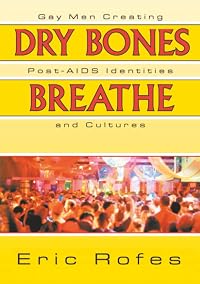
Dry Bones Breathe: Gay Men Creating Post-AIDS Identities and Cultures
by Eric Rofes
53 Members (3.50)
On This Page
Description
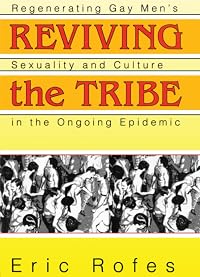
Dry Bones Breathe: Gay Men Creating Post-AIDS Identities and Cultures breaks new ground in offering an original and insightful interpretation of gay men's shifting experience of the AIDS epidemic. From Dry Bones Breathe, you'll gain a deeper understanding of current community debates focused on circuit parties, unprotected sex, and gay men's sexual cultures, and you will learn how social, political, and biomedical changes are dramatically transforming gay identities and cultures. Dry Bones show more Breathe is Eric Rofes'explosive follow-up to Reviving the Tribe, a book which broke open debates in gay communities around the world about sex, identity, and gay men's relationship to AIDS. In this volume, Rofes contends that most gay men no longer experience AIDS as the crisis they did during the 1980s. Gay men often attribute this shift to the advent of protozoa inhibitors, but Rofes explains how other factors, including the epidemic's predicted trajectory, new treatments for opportunistic infections, the passage of time, and the increasing diversity of gay men inhabiting communities throughout the country have set in motion the transformation of gay life. AIDS organizations and gay leaders, however, continue to assert that gay men experience AIDS as an emergency, resulting in a tremendous dissonance between gay leaders and their communities. In the midst of this controversy, Dry Bones Breathe lets you share in stories of hope and recovery and a new vision for AIDS work that demands a radical redesign of prevention, care, and activism. Dry Bones Breathe tackles several other issues concerning the powerful shifts occurring in gay communities and cultures by: explaining why an understanding of the terms "post-AIDS" and "post-crisis" is crucial to interpreting contemporary gay male cultures and what Australian prevention theorists have to offer gay men in the United States describing the "Protozoa Moment" and exploring how a dangerous obsession with pharmaceuticals is leading many to mistakenly attribute all changes in gay men's cultures to combination therapies examining the writings of Larry Kramer, Andrew Sullivan, Michelangelo Signorile, and Gabriel Rightly to illustrate how the crisis construct has unleashed a backlash against gay sexual cultures discussing the dramatic diminution in gay men's AIDS-related deaths in epicenter cities and the impact of shrinking obituary pages on gay men's mental health exploring the diverse relationships to the epidemic forged by young gay men, gay men of color, gay men from rural or small towns, and middle-aged men not infected with HI detailing how HI prevention and service organizations targeting gay men must redesign their mission and restructure their workIn response to continuing efforts to direct gay men back into a state of emergency, Dry Bones Breathe suggests that long-term prevention efforts must be constructed around something other than a crisis. While AIDS organizations look at gay men's diminished participation in AIDS activism, Rofes argues that these organizations should face how they have distanced themselves from the reality of most gay men's lives. From stories and experiences full of hope, anger, sadness, and strength, Dry Bones Breathe will teach you about gay men who no longer base their identities and cultures solely around AIDS. show lessTags
Recommendations


























Member Reviews
Members
- Recently Added By
Author Information
12+ Works 439 Members
Eric Rofes is associate professor of education at Humboldt State University in Northern California.
Common Knowledge
- Canonical title
- Dry Bones Breathe: Gay Men Creating Post-AIDS Identities and Cultures
- Original publication date
- 1998
Classifications
- Genres
- Sexuality and Gender Studies, Nonfiction, LGBTQ+, Anthropology, General Nonfiction, History, Literature Studies and Criticism
- DDC/MDS
- 305.38 — Society, government, & culture Social sciences, sociology & anthropology Social group - Age, Gender, Ethnicity People by gender or sex Specific groups of men
- LCC
- HQ76.2 .U5 .R625 — Social sciences The family. Marriage, Women and Sexuality The Family. Marriage. Women Sexual life Homosexuality. Lesbianism
- BISAC
Statistics
- Members
- 53
- Popularity
- 575,413
- Rating
- (3.50)
- Languages
- English
- Media
- Paper, Ebook
- ISBNs
- 4