On This Page
Description
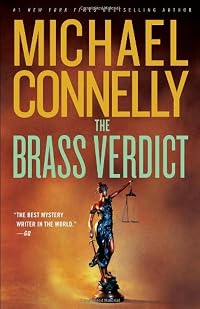
When Hollywood lawyer Jerry Vincent is murdered, Mickey Haller (of "The Lincoln Lawyer" fame) inherits his biggest case yet: the defense of Walter Elliott, a prominent studio executive accused of murdering his wife and her lover. But as Haller prepares for the case that could launch him into the big time, he learns that Vincent's killer may be coming for him next. Enter Harry Bosch. Determined to find Vincent's killer, he is not opposed to using Haller as bait. But as danger mounts and the show more stakes rise, these two loners realize their only choice is to work together.--Jacket. show lessTags
Recommendations

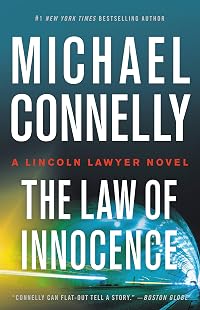
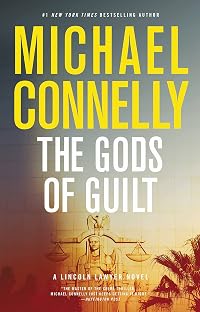
Member Reviews
The Brass Verdict marks the return of Michael Connelly’s new defense lawyer character, i.e. Mickey Haller, as he’s back from a stint in rehab and suddenly saddled with a murdered colleague’s entire caseload. The star client is a Hollywood producer who’s accused of blowing away his adulterous wife and her German playboy lover (sounds implausible, I know, but there you go . . .).
The Brass Verdict also receives several crucial visits from Connelly’s bread-and-butter police procedural stalwart Harry Bosch, who’s working the case of the murdered lawyer.
Since the book’s written in the first person, with Mickey Haller narrating, it’s primarily a legal thriller. But Connelly does a skillful job weaving in murder-mystery show more elements, with twists and ties between the two storylines neatly dovetailed and never distracting. Connelly really is one of the best in the business when it comes to putting together a compelling story that moves fast but never seems silly or impossible.
I’ve got just one beef with this book. On numerous occasions Connelly resorts to quite lengthy, pedantic, even clumsy bouts of rehashing. The most egregious is a faux news story by another recurring Connelly character, news reporter Jack McElvoy, that’s dumped in about two-thirds of the way through. It reads like an eighth-grader’s book review of the story up to that point. I started wondering if Connelly’s popularity is now so great, and his reading audience so broad, that he got sat down by his editor in a little meeting and told, ‘Look, Michael, great stories, great characters, great books – but we’re getting complaints from some readers that you’re just making it too hard for them to keep up. In this next book, why don’t you slow down, and throw in a few internal summaries here and there. Your long-time, loyal readers’ eyes will just glaze over and move ahead, but you’ll be doing a great service for the newbies who need their hands tenderly held just to make it through a murder mystery written in American vernacular. Everybody’s a winner!’
Or something like that.
Anyway, I guess there’s no great immediate harm done by dumbing things down a bit, but in the long view it’s a pity, in that Connelly seemed a real possibility to follow Raymond Chandler’s lead into the absolute inner circle of crime writers. But that appears less and less likely to happen, based on his past few books.
Never the less, this is an excellent read, and still highly recommended. show less
The Brass Verdict also receives several crucial visits from Connelly’s bread-and-butter police procedural stalwart Harry Bosch, who’s working the case of the murdered lawyer.
Since the book’s written in the first person, with Mickey Haller narrating, it’s primarily a legal thriller. But Connelly does a skillful job weaving in murder-mystery show more elements, with twists and ties between the two storylines neatly dovetailed and never distracting. Connelly really is one of the best in the business when it comes to putting together a compelling story that moves fast but never seems silly or impossible.
I’ve got just one beef with this book. On numerous occasions Connelly resorts to quite lengthy, pedantic, even clumsy bouts of rehashing. The most egregious is a faux news story by another recurring Connelly character, news reporter Jack McElvoy, that’s dumped in about two-thirds of the way through. It reads like an eighth-grader’s book review of the story up to that point. I started wondering if Connelly’s popularity is now so great, and his reading audience so broad, that he got sat down by his editor in a little meeting and told, ‘Look, Michael, great stories, great characters, great books – but we’re getting complaints from some readers that you’re just making it too hard for them to keep up. In this next book, why don’t you slow down, and throw in a few internal summaries here and there. Your long-time, loyal readers’ eyes will just glaze over and move ahead, but you’ll be doing a great service for the newbies who need their hands tenderly held just to make it through a murder mystery written in American vernacular. Everybody’s a winner!’
Or something like that.
Anyway, I guess there’s no great immediate harm done by dumbing things down a bit, but in the long view it’s a pity, in that Connelly seemed a real possibility to follow Raymond Chandler’s lead into the absolute inner circle of crime writers. But that appears less and less likely to happen, based on his past few books.
Never the less, this is an excellent read, and still highly recommended. show less
Wow what a great follow-up to "The Lincoln Lawyer". This book does not have sequel disease thank goodness, it was gripping from beginning to end.
It's been a couple years since the events in "The Lincoln Lawyer" and Mickey Haller has been retired from law for a year. After being shot in the last book his recovery caused him to become addicted to pain pills which led to him almost losing everything. When he's called into a judge's chambers and told that he has inherited a dead lawyer's practice, just like that Haller is back in the saddle again.
So "The Brass Verdict" focuses on Mickey doing what he can for his new clients and finding out that he might have a huge franchise case involving a Hollywood movie producer whose standing accused show more of murdering his wife and her lover.
Just like in "The Lincoln Lawyer" not all is as it appears and it takes a lot of twists and turns to find out who's truly innocent in this one.
We also get an appearance by another one of Michael Connelly's characters Harry Bosch. Now as many of you know this year I've had a kind of grudging respect, than love, than just general annoyance with Harry Bosch. I really do think that he's an intriguing character and Connolly has allowed him to grow. But the last couple of Bosch books have not exactly thrilled me. When Haller appeared in the Bosch books I already knew about the twosomes connection so getting to read it backwards like this was actually pretty cool. I always thought that in the Bosch books Mickey wasn't that interesting and was kind of a jerk, but when you read it from his point of view, he's actually a pretty straightforward person.
So Haller and Bosch are going head-to-head because the latter is trying to investigate the murder of the lawyer who left Haller the practice.
We do get welcome appearances by other characters that we've rad about from the prior books, Lorna, Mickey's second wife, and we get to see him interact more with his young daughter, and his former wife Maggie McPherson. We also get an introduction to another investigator, Cisco, that I really liked as well.
The writing was typical Connolly, you definitely know the man knows his way around a courtroom, knows how prosecutors and defense attorneys are supposed to prepare. And it was really cool to read about how juries are picked and to get to see people at trial.
I thought the flow was quite good in this one and there was nothing that I could actually quibble about when it came to the writing or flow.
I thought the setting of a different Los Angeles one that's kind of seedy and just not typical for people who aren't living as A list celebrities is always a nice and realistic read.
The ending definitely leaves some secrets revealed and I definitely didn't see a couple coming at all. show less
It's been a couple years since the events in "The Lincoln Lawyer" and Mickey Haller has been retired from law for a year. After being shot in the last book his recovery caused him to become addicted to pain pills which led to him almost losing everything. When he's called into a judge's chambers and told that he has inherited a dead lawyer's practice, just like that Haller is back in the saddle again.
So "The Brass Verdict" focuses on Mickey doing what he can for his new clients and finding out that he might have a huge franchise case involving a Hollywood movie producer whose standing accused show more of murdering his wife and her lover.
Just like in "The Lincoln Lawyer" not all is as it appears and it takes a lot of twists and turns to find out who's truly innocent in this one.
We also get an appearance by another one of Michael Connelly's characters Harry Bosch. Now as many of you know this year I've had a kind of grudging respect, than love, than just general annoyance with Harry Bosch. I really do think that he's an intriguing character and Connolly has allowed him to grow. But the last couple of Bosch books have not exactly thrilled me. When Haller appeared in the Bosch books I already knew about the twosomes connection so getting to read it backwards like this was actually pretty cool. I always thought that in the Bosch books Mickey wasn't that interesting and was kind of a jerk, but when you read it from his point of view, he's actually a pretty straightforward person.
So Haller and Bosch are going head-to-head because the latter is trying to investigate the murder of the lawyer who left Haller the practice.
We do get welcome appearances by other characters that we've rad about from the prior books, Lorna, Mickey's second wife, and we get to see him interact more with his young daughter, and his former wife Maggie McPherson. We also get an introduction to another investigator, Cisco, that I really liked as well.
The writing was typical Connolly, you definitely know the man knows his way around a courtroom, knows how prosecutors and defense attorneys are supposed to prepare. And it was really cool to read about how juries are picked and to get to see people at trial.
I thought the flow was quite good in this one and there was nothing that I could actually quibble about when it came to the writing or flow.
I thought the setting of a different Los Angeles one that's kind of seedy and just not typical for people who aren't living as A list celebrities is always a nice and realistic read.
The ending definitely leaves some secrets revealed and I definitely didn't see a couple coming at all. show less
As I wrote in the review for the first book in this series, The Lincoln Lawyer, I ended up reading the first three volumes back to back, which enhanced my experience with the continued journey of this new-to-me character.
On the heels of the final twist in book 1, where Mickey Haller was shot and seriously injured, we find the Lincoln Lawyer trying to pick up the pieces of his life: the injury resulted in his addiction to painkillers and that reflected quite negatively on his work. Imagine his surprise when he’s called by a judge who informs him of the murder of former colleague Jerry Vincent, who listed Mickey as his successor in the case of his premature death: suddenly saddled with a heavy caseload, in which a news-worthy murder show more trial stands out prominently, Haller decides that he will do his best to swim instead of sinking and launches himself bodily into what looks like a new lease in life.
The big case is a complicated one: movie producer Walter Elliot is accused of having murdered his wife and her lover when he discovered them in bed in the Elliots’ Malibu house. The man protests his innocence, and indeed the evidence is more circumstantial than anything else, but his overbearing attitude keeps grating on Mickey’s nerves and makes it more difficult than usual to maintain the emotional detachment he needs as a defense attorney. Moreover, it looks as if Jerry Vincent’s murder was tied to one of his pending cases, and Haller is not sure which one it was since the colleague’s important notes were in the briefcase that was stolen after he was killed, so Mickey must also keep watching behind his back for a potential threat to his life. As an added burden, the investigation for the Vincent case has been assigned to a certain Harry Bosch, and the two men clash immediately when having to tread the difficult waters of investigative needs versus client confidentiality, and it takes some time before the lawyer and the detective are able to find some common ground, and some mutual respect, that will allow them to do their respective jobs.
One of the qualities I most enjoy in Michael Connelly’s works is his ability to keep his characters in constant evolution from book to book, which confers them an added depth and a great deal of believability. Haller starts at a great disadvantage here, because he’s emerging from the tunnel of addiction and is trying very hard to regain the confidence of his first wife and their daughter, and also because he’s unsure about his grasp on the courtroom skills which served him so well in the past: Connelly’s main characters are flawed individuals driven to do their best in their line of work, and that drive sometimes leads them to tunnel vision, and yet that makes them more human and more approachable than the average book characters.
I particularly enjoyed the juxtaposition between Haller and Bosch here: where Haller is gifted with a good deal of quirky humor - more often than not aimed at himself - we get to understand him better as someone who knows all the nooks and crannies of the legal system and knows how to use them to his advantage, while the external focus on Bosch as another character rather than the protagonist shows us the sullen, antagonistic personality of the proverbial dog with a bone. In a way, they are similarly dedicated to their mission - Haller to his clients, Bosch to the victims - but their first encounter on the opposite sides of the fence is of course bound to ignite some fiery sparks: it will take a while, and some intriguing developments, for the two of them to realize that they might work for the same goal, even if they take different roads to get there. And of course the discovery of their connection - they are half brothers on their father’s side - does help in bridging part of the gap…
Story-wise, The Brass Verdict is your typical Connelly story, one that starts in a leisurely manner but gains speed and momentum as information and discoveries pile up and the tension increases along with the personal stakes: it’s interesting to note that the first words of the novel are “everybody lies”, which means that it would be better not to take anything we read at face value. Where Harry Bosch knows very well that felons lie (and sometimes even victims do…), we learn that indeed everybody - police officers, lawyers, witnesses, even judges - do lie when situations and their own interests are involved, so you can expect a good number of narrative twists and turns in this story. What positively surprised me in this new series, is that the courtroom drama can be as gripping and intriguing as any police investigation, since Michael Connelly shows here that his knowledge of the legal system is just as broad as that of police procedures: it takes great skills to keep courtroom back-and-forth as lively as a spirited car chase along the avenues of Los Angeles, and the author shows those skills quite well here - as an example, what might otherwise have been a mundane proceeding as that of jury selection is turned here into an intriguing look into applied psychology and mental fencing between prosecution and defense.
The Brass Verdict confirmed me that I have another winner in this series, and even though my TBR hardly needed it, I’m quite happy to have added it to my reading materials. show less
On the heels of the final twist in book 1, where Mickey Haller was shot and seriously injured, we find the Lincoln Lawyer trying to pick up the pieces of his life: the injury resulted in his addiction to painkillers and that reflected quite negatively on his work. Imagine his surprise when he’s called by a judge who informs him of the murder of former colleague Jerry Vincent, who listed Mickey as his successor in the case of his premature death: suddenly saddled with a heavy caseload, in which a news-worthy murder show more trial stands out prominently, Haller decides that he will do his best to swim instead of sinking and launches himself bodily into what looks like a new lease in life.
The big case is a complicated one: movie producer Walter Elliot is accused of having murdered his wife and her lover when he discovered them in bed in the Elliots’ Malibu house. The man protests his innocence, and indeed the evidence is more circumstantial than anything else, but his overbearing attitude keeps grating on Mickey’s nerves and makes it more difficult than usual to maintain the emotional detachment he needs as a defense attorney. Moreover, it looks as if Jerry Vincent’s murder was tied to one of his pending cases, and Haller is not sure which one it was since the colleague’s important notes were in the briefcase that was stolen after he was killed, so Mickey must also keep watching behind his back for a potential threat to his life. As an added burden, the investigation for the Vincent case has been assigned to a certain Harry Bosch, and the two men clash immediately when having to tread the difficult waters of investigative needs versus client confidentiality, and it takes some time before the lawyer and the detective are able to find some common ground, and some mutual respect, that will allow them to do their respective jobs.
One of the qualities I most enjoy in Michael Connelly’s works is his ability to keep his characters in constant evolution from book to book, which confers them an added depth and a great deal of believability. Haller starts at a great disadvantage here, because he’s emerging from the tunnel of addiction and is trying very hard to regain the confidence of his first wife and their daughter, and also because he’s unsure about his grasp on the courtroom skills which served him so well in the past: Connelly’s main characters are flawed individuals driven to do their best in their line of work, and that drive sometimes leads them to tunnel vision, and yet that makes them more human and more approachable than the average book characters.
I particularly enjoyed the juxtaposition between Haller and Bosch here: where Haller is gifted with a good deal of quirky humor - more often than not aimed at himself - we get to understand him better as someone who knows all the nooks and crannies of the legal system and knows how to use them to his advantage, while the external focus on Bosch as another character rather than the protagonist shows us the sullen, antagonistic personality of the proverbial dog with a bone. In a way, they are similarly dedicated to their mission - Haller to his clients, Bosch to the victims - but their first encounter on the opposite sides of the fence is of course bound to ignite some fiery sparks: it will take a while, and some intriguing developments, for the two of them to realize that they might work for the same goal, even if they take different roads to get there. And of course the discovery of their connection - they are half brothers on their father’s side - does help in bridging part of the gap…
Story-wise, The Brass Verdict is your typical Connelly story, one that starts in a leisurely manner but gains speed and momentum as information and discoveries pile up and the tension increases along with the personal stakes: it’s interesting to note that the first words of the novel are “everybody lies”, which means that it would be better not to take anything we read at face value. Where Harry Bosch knows very well that felons lie (and sometimes even victims do…), we learn that indeed everybody - police officers, lawyers, witnesses, even judges - do lie when situations and their own interests are involved, so you can expect a good number of narrative twists and turns in this story. What positively surprised me in this new series, is that the courtroom drama can be as gripping and intriguing as any police investigation, since Michael Connelly shows here that his knowledge of the legal system is just as broad as that of police procedures: it takes great skills to keep courtroom back-and-forth as lively as a spirited car chase along the avenues of Los Angeles, and the author shows those skills quite well here - as an example, what might otherwise have been a mundane proceeding as that of jury selection is turned here into an intriguing look into applied psychology and mental fencing between prosecution and defense.
The Brass Verdict confirmed me that I have another winner in this series, and even though my TBR hardly needed it, I’m quite happy to have added it to my reading materials. show less
Somewhat reluctant to venture into another of Connelly's framework characters, I couldn't resist the appearance of Bosch, as I am a completist, if nothing else. But I'm glad I dipped in here, because the Lincoln Lawyer is almost as good a character as Bosch....almost.
Mickey Haller is recovering from a violent episode and his practice is non-existent. An old pseudo-partner of his dies and a judge appoints Mickey to assume the dead lawyer's practice. Enter Bosch, who is investigating the murder, and preternaturally suspicious of defense attorneys. The two dance around each other throughout the book, each holding cards the other one needs to solve the case. Eventually, they forge a fragile partnership and solve the case. There's a big show more twist toward the end relating to Bosch and Haller that makes everything just that much more interesting, but I won't reveal it in case there's still someone out there who hasn't gotten addicted to these books. I'll be reading more of the Haller books, but primarily the ones with Bosch in them.
4 1/2 bones!!!!!
Recommended!!!!! show less
Mickey Haller is recovering from a violent episode and his practice is non-existent. An old pseudo-partner of his dies and a judge appoints Mickey to assume the dead lawyer's practice. Enter Bosch, who is investigating the murder, and preternaturally suspicious of defense attorneys. The two dance around each other throughout the book, each holding cards the other one needs to solve the case. Eventually, they forge a fragile partnership and solve the case. There's a big show more twist toward the end relating to Bosch and Haller that makes everything just that much more interesting, but I won't reveal it in case there's still someone out there who hasn't gotten addicted to these books. I'll be reading more of the Haller books, but primarily the ones with Bosch in them.
4 1/2 bones!!!!!
Recommended!!!!! show less
Partiamo subito dalla nota dolente che non ha niente a che vedere con il romanzo vero e proprio, ne con l'autore: gli autori italiani si venderebbero la mamma pur di far soldi e quindi, ovviamente, non si preoccupano minimamente di prendere in giro i lettori.
Questo romanzo NON è una nuova indagine di Harry Bosch, infatti non stiamo parlando di un Procedural ma bensì un Legal Thriller tutto incentrato sulla figura di Michey Haller, avvocato difensore che abbiamo già incontrato su "Avvocato di Difesa". Purtroppo Harry Bosch è solamente una figura marginale nel romanzo, sempre il caro e vecchio lupo solitario con una concezione di "legge" tutta sua ma, purtroppo, non abbastanza presente da poterlo chiamare co-protagonista.
Che sia show more l'inizio dell'effettiva "fine" di questo personaggio? Che Michael Connelly abbia deciso di far passare il testimone all'avvocato Haller? Non possiamo saperlo, certo è che leggendo questo romanzo - indiscutibilmente bello e in perfetto stile Connelly - viene un po' il magone nel vedere il nostro protagonista di sempre lasciato dietro il sipario.
Tornando al romando non possiamo che fare tanto di cappello all'Avvocato Haller che, benché non sia Bosch, ha abbastanza carisma da essere un gran bel personaggio.
Anche lui con una vita quasi devastata alle spalle (incidente quasi mortale, tossicodipendenza da medicinali, due matrimoni alle spalle...) ma con un codice d'onore, fino a ora flessibile, che sembra si stia risvegliando. Non c'è niente di meglio di un avvocato, incurante dell'innocenza o meno dei suoi clienti, che sembra avere un "rigurgito" di coscienza.
Un avvocato di difesa piuttosto noto che si becca una pallottola finendo in fin di vita, il ritorno al lavoro troppo presto, la dipendenza dagli antidolorifici, la famiglia completamente sfasciata, la disintossicazione e, dopo un anno sabbatico, la morte di un ex collega, un amico, che lo ributta nella mischia di nuovo. E' l'erede di tutti i casi dell'avvocato Jerry Vincent.
Fra i tanti casi comuni di Vincent c'è un caso particolare: Walter Elliot, il milionario proprietario di una delle più importanti case di produzione cinematografica di Hollywood, è accusato di aver piantato una pallottola in testa a moglie e amante.
E come se non bastasse si ritrova Bosch fra le scatole che gli rende la vita particolarmente difficile: uno degli assistiti di Vincent è molto probabilmente l'assassino che gli ha sparato due pallottole in testa. Inutile dire che Bosch non manca di far notare, con le buone e con le cattive (anche molto, molto cattive), che la prossima vittima potrebbe essere proprio lui.
Michael Connelly è sempre Connelly e se la cava egregiamente anche con i romanzi Legal, i colpi di scena sono inimmaginabili e i personaggi, come sempre, caratterizzati con cura assoluta. Quello che, prevediamo, diverrà il nuovo TEAM, affiancando Haller, è ben strutturato e originale... Come non apprezzare l'ex moglie che, indossando i panni di mamma chioccia, desidera riaccasare l'ex compagno? Impagabile.
Il caso si sbroglia grazie all'avvocato Haller che finirà per dare l'imbeccata finale perfino a Bosch che, però, non mancherà di colpire l'avvocato - e il lettore - con un colpo di scena non indifferente. Insomma, non sia mai che non sia il detective Bosch ad avere l'ultima parola! show less
Questo romanzo NON è una nuova indagine di Harry Bosch, infatti non stiamo parlando di un Procedural ma bensì un Legal Thriller tutto incentrato sulla figura di Michey Haller, avvocato difensore che abbiamo già incontrato su "Avvocato di Difesa". Purtroppo Harry Bosch è solamente una figura marginale nel romanzo, sempre il caro e vecchio lupo solitario con una concezione di "legge" tutta sua ma, purtroppo, non abbastanza presente da poterlo chiamare co-protagonista.
Che sia show more l'inizio dell'effettiva "fine" di questo personaggio? Che Michael Connelly abbia deciso di far passare il testimone all'avvocato Haller? Non possiamo saperlo, certo è che leggendo questo romanzo - indiscutibilmente bello e in perfetto stile Connelly - viene un po' il magone nel vedere il nostro protagonista di sempre lasciato dietro il sipario.
Tornando al romando non possiamo che fare tanto di cappello all'Avvocato Haller che, benché non sia Bosch, ha abbastanza carisma da essere un gran bel personaggio.
Anche lui con una vita quasi devastata alle spalle (incidente quasi mortale, tossicodipendenza da medicinali, due matrimoni alle spalle...) ma con un codice d'onore, fino a ora flessibile, che sembra si stia risvegliando. Non c'è niente di meglio di un avvocato, incurante dell'innocenza o meno dei suoi clienti, che sembra avere un "rigurgito" di coscienza.
Un avvocato di difesa piuttosto noto che si becca una pallottola finendo in fin di vita, il ritorno al lavoro troppo presto, la dipendenza dagli antidolorifici, la famiglia completamente sfasciata, la disintossicazione e, dopo un anno sabbatico, la morte di un ex collega, un amico, che lo ributta nella mischia di nuovo. E' l'erede di tutti i casi dell'avvocato Jerry Vincent.
Fra i tanti casi comuni di Vincent c'è un caso particolare: Walter Elliot, il milionario proprietario di una delle più importanti case di produzione cinematografica di Hollywood, è accusato di aver piantato una pallottola in testa a moglie e amante.
E come se non bastasse si ritrova Bosch fra le scatole che gli rende la vita particolarmente difficile: uno degli assistiti di Vincent è molto probabilmente l'assassino che gli ha sparato due pallottole in testa. Inutile dire che Bosch non manca di far notare, con le buone e con le cattive (anche molto, molto cattive), che la prossima vittima potrebbe essere proprio lui.
Michael Connelly è sempre Connelly e se la cava egregiamente anche con i romanzi Legal, i colpi di scena sono inimmaginabili e i personaggi, come sempre, caratterizzati con cura assoluta. Quello che, prevediamo, diverrà il nuovo TEAM, affiancando Haller, è ben strutturato e originale... Come non apprezzare l'ex moglie che, indossando i panni di mamma chioccia, desidera riaccasare l'ex compagno? Impagabile.
Il caso si sbroglia grazie all'avvocato Haller che finirà per dare l'imbeccata finale perfino a Bosch che, però, non mancherà di colpire l'avvocato - e il lettore - con un colpo di scena non indifferente. Insomma, non sia mai che non sia il detective Bosch ad avere l'ultima parola! show less
I never thought I’d run into a Michael Connelly book that I didn’t like. “The Brass Verdict” proved me wrong. A flimsy plot is shamelessly padded with tedious exposition about criminal trial procedure that is useful only if you’ve never watched an episode of “Law and Order.” Mickey Haller’s first-person narrative is uninspired and monotonous, displacing Connelly’s usual good dialogue. Harry Bosch, a far more interesting protagonist than Haller, is brought in as the detective in the case, but he can’t save the narrative. We’re in Haller’s head, not Bosch’s. I don’t consider myself a whodunit solving master, but I figured out the culprits and the motive about halfway through the book. After so many good books, show more I guess Connelly is entitled to a turkey. Give this one a pardon. show less
This was an interesting addition to the Harry Bosch series because we finally get to see Bosch interact with Mickey Haller (from the Lincoln Lawyer book and movie). And we learn that Bosch and Haller are half-brothers. In fact most of the action revolves around Haller with Bosch popping in and out.
Haller has been on a year's sabbatical when he gets a call to appear before the Chief Judge. He is told that a friend and sometime associate, Jerry Vincent, has been murdered and he left the continuance of his practice to Haller. There are a number of cases but the biggest one is the murder trial of Hollywood mogul Walter Elliott who is accused of murdering his wife and her lover. It is due to start shortly and the client agrees to go with show more Haller providing there is no delay in the trial. Harry Bosch is one of the detectives investigating Vincent's murder and he wants to know what is in the files that could help with the investigation. Haller agrees to work with him providing it doesn't breach client confidentiality. Haller and Bosch plant a news story that could put Haller in danger so Bosch assigns people to watch him. There isn't much evidence against Elliott and he says he is innocent. Haller finds a way to counter the gunshot residue found on his client's hands and it looks like Elliott will get off. Then fireworks explode and Haller learns something about the jury allocation process that points to tampering. Haller seems to be permanently off practising criminal law but we'll see. show less
Haller has been on a year's sabbatical when he gets a call to appear before the Chief Judge. He is told that a friend and sometime associate, Jerry Vincent, has been murdered and he left the continuance of his practice to Haller. There are a number of cases but the biggest one is the murder trial of Hollywood mogul Walter Elliott who is accused of murdering his wife and her lover. It is due to start shortly and the client agrees to go with show more Haller providing there is no delay in the trial. Harry Bosch is one of the detectives investigating Vincent's murder and he wants to know what is in the files that could help with the investigation. Haller agrees to work with him providing it doesn't breach client confidentiality. Haller and Bosch plant a news story that could put Haller in danger so Bosch assigns people to watch him. There isn't much evidence against Elliott and he says he is innocent. Haller finds a way to counter the gunshot residue found on his client's hands and it looks like Elliott will get off. Then fireworks explode and Haller learns something about the jury allocation process that points to tampering. Haller seems to be permanently off practising criminal law but we'll see. show less
Members
- Recently Added By
Lists

Legal Stories
84 works; 12 members

Jarett's Books
86 works; 1 member

Five star books
1,767 works; 110 members

Books Read in 2016
4,666 works; 199 members

Books Read in 2009
464 works; 11 members

Books Read in 2018
4,360 works; 110 members

Books Read in 2022
5,168 works; 114 members

Books - Connolly, Michael: Bosch
44 works; 1 member
Author Information

160+ Works 154,697 Members
Michael Connelly was born in Philadelphia, Pennsylvania on July 21, 1956. He graduated from the University of Florida in 1980 where he majored in journalism and minored in creative writing. After graduation, he worked at newspapers in Daytona Beach and Fort Lauderdale, Florida, specializing in the crime beat. In 1986, he interviewed survivors of a show more plane crash with two other reporters and the magazine story subsequently written on the crash was on the short list for the Pulitzer Prize for feature writing. This story led to a job as a crime reporter for the Los Angeles Times. After three years there, he began writing his first novel. His first novel, The Black Echo, was published in 1992 and won the Edgar Award for best first novel. He is the author of the Harry Bosch series, the Jack McEvoy series, and the Mickey Haller series. He has won numerous awards including the Anthony Award, Macavity Award, Shamus Award, Dilys Award, Nero Award, Barry Award, Ridley Award, Maltese Falcon Award (Japan), .38 Caliber Award (France), Grand Prix Award (France), Premio Bancarella Award (Italy), and the Pepe Carvalho Award (Spain). (Bowker Author Biography) show less
Some Editions
Awards and Honors
Awards
Distinctions
Series


Belongs to Publisher Series
Work Relationships
Is contained in
The Closers / Chasing the Dime / The Brass Verdict / The Last Coyote / Trunk Music / City of Bones by Michael Connelly
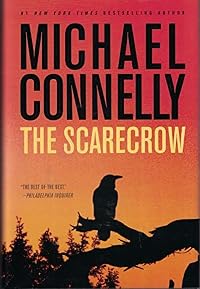
Jack McEvoy Appearances: The Poet / A Darkness More Than Night / The Brass Verdict / The Scarecrow by Michael Connelly
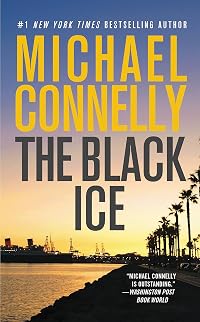
The Black Echo / The Black Ice / The Concrete Blonde / The Last Coyote / The Poet / Trunk Music / Blood Work / Angels Flight / Void Moon / A Darkness More Than Night / City of Bones / Lost Light / The Narrows / The Closers / The Lincoln Lawyer / Echo Park / The Overlook / The Brass Verdict / Nine Dragons / The Reversal by Michael Connelly
Common Knowledge
- Canonical title
- The Brass Verdict
- Original title
- The Brass Verdict
- Original publication date
- 2008-10-14
- People/Characters
- Mickey Haller; Hieronymus 'Harry' Bosch; Walter Elliot; Jerry Vincent; Jack McEvoy; Lorna Taylor (show all 8); Patrick Henson; Dennis Wojciechowski
- Important places
- Los Angeles, California, USA
- Dedication
- In memory of Terry Hansen and Frank Morgan
- First words
- Everybody lies.
- Last words
- (Click to show. Warning: May contain spoilers.)By the time I backed the Lincoln out and had it pointed down the hill, I could see the sun was spinning gold on the Pacific.
- Original language
- English
Classifications
Statistics
- Members
- 5,263
- Popularity
- 2,590
- Reviews
- 170
- Rating
- (3.87)
- Languages
- 16 — Catalan, Czech, Danish, Dutch, English, Finnish, French, German, Greek, Italian, Norwegian (Bokmål), Norwegian, Polish, Portuguese, Spanish, Swedish
- Media
- Paper, Audiobook, Ebook
- ISBNs
- 110
- UPCs
- 1
- ASINs
- 43