Ephemeral Bodies: Wax Sculpture and the Human Figure (Getty Research Institute)
by Roberta Panzanelli
18 Members (4.00)
On This Page
Description
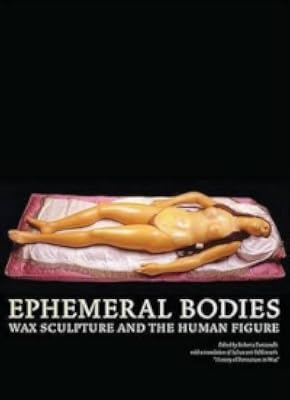
The material history of wax is a history of disappearance--wax melts, liquefies, evaporates, and undergoes innumerable mutations. Wax is tactile, ambiguous, and mesmerizing, confounding viewers and scholars alike. It can approximate flesh with astonishing realism and has been used to create uncanny human simulacra since ancient times--from phallic amulets offered to heal distressing conditions and life-size votive images crammed inside candlelit churches by the faithful, to exquisitely show more detailed anatomical specimens used for training doctors and Medardo Rosso's "melting" portraits. The critical history of wax, however, is fraught with gaps and controversies. After Giorgio Vasari, the subject of wax sculpture was abandoned by art historians; in the twentieth century it once again sparked intellectual interest, only soon to vanish. The authors of the eight essays in Ephemeral Bodies--including the first English translation of Julius von Schlosser's seminal "History of Portraiture in Wax" (1910-11)--break new ground as they explore wax reproductions of the body or body parts and assess their conceptual ambiguity, material impermanence, and implications for the history of Western art. show lessTags
Member Reviews
Members
- Recently Added By
Author Information
3 Works 53 Members
Classifications
Statistics
- Members
- 18
- Popularity
- 1,389,436
- Rating
- (4.00)
- Languages
- English
- Media
- Paper
- ISBNs
- 1