41 Members (3.67)
On This Page
Description
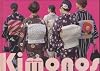
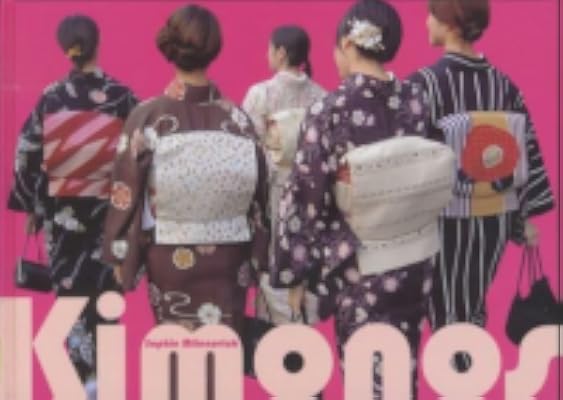
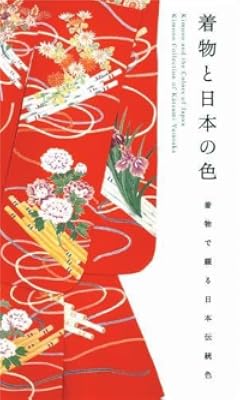
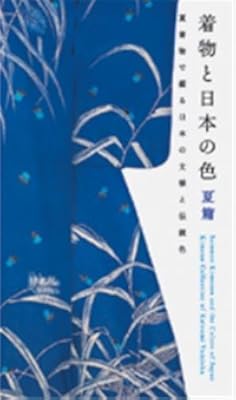
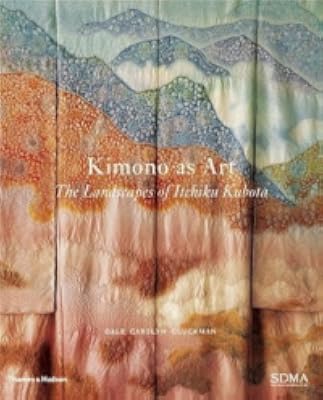
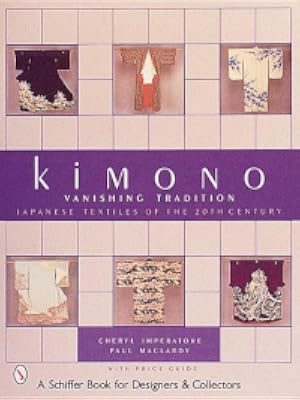
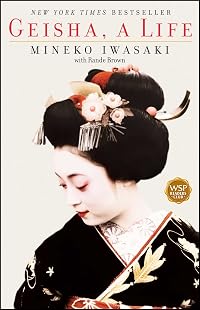
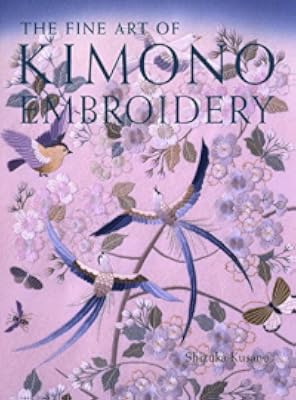
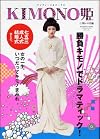
The kimono is one of the most emblematic symbols of Japan. It is rich in symbolism and social messages. It is not only a garment: It gathers a wealth of codes and traditions. It is the essence of Japanese culture itself.The principles that rule its making were established in the 17th century and haven't changed since. However, the kimono exists today in endless varieties thanks to the diversity of fabric, weaving techniques, and printing patterns. The simple T shape of the kimono can have show more thousands of different appearances, depending on the style of folds and tucks of fabric.Wearing a kimono and knotting an obi--the wide belt that secures the garment--according to traditional rule is extremely difficult. This expertise was once transmitted from mother to daughter, but now there are specialized schools from which one can get a diploma on proper kimono etiquette. An expertise is necessary to avoid unacceptable mistakes: Lively colors are for unmarried girls only and long-sleeved kimonos are not to be worn by married women.With original photographs and drawings, Kimonos beautifully illustrates the various facets of the garment, historically and in modern times. Its elegant layout evokes the grace of Japanese graphics. show lessTags
Recommendations


























Member Recommendations


Member Reviews
Members
- Recently Added By
Author Information
1 Work 41 Members
Series

Common Knowledge
- Canonical title
- Kimonos
Classifications
- Genres
- Nonfiction, Art & Design, History
- DDC/MDS
- 391.00952 — Society, government, & culture Customs, etiquette & folklore Costume and personal appearance Standard subdivisions History, geographic treatment, biography Asia Japan
- LCC
- TT504.6 .J3 .M5513 — Technology Handicrafts. Arts and crafts Handicrafts. Arts and crafts Clothing manufacture. Dressmaking. Tailoring
- BISAC
Statistics
- Members
- 41
- Popularity
- 718,627
- Rating
- (3.67)
- Languages
- English, French, German, Spanish
- Media
- Paper
- ISBNs
- 4