On This Page
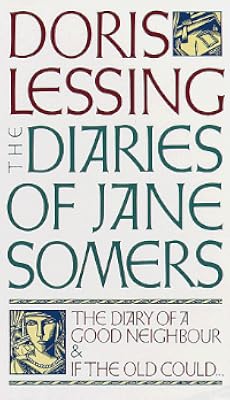
Description
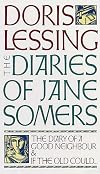
First published in 1984, under a pseudonym, as 'The Diary of a Good Neighbour' and 'If the Old Could ...', now published as 'The Diaries of Jane Somers', this is in many ways classic Lessing. As resonant with social and political themes as 'The Golden Notebook', Lessing returns to the realism of her early fiction with the wisdom and experience of maturity. The diaries introduce us to Jane, an intelligent and beautiful magazine editor concerned with success, clothes and comfort. But her real show more inadequacy is highlighted when first her husband, then her mother, die from cancer and Jane feels strangely removed. In an attempt to fill this void, she befriends ninety-something Maudie, whose poverty and squalor contrast so radically with the glamour and luxury of the magazine world. The two gradually come to depend on each other - Maudie delighting Jane with tales of London in the 1920s and Jane trying to care for the rapidly deteriorating old woman. 'The Diary of Jane Somers' contrasts the helplessness of the elderly with that of the young as Jane is forced to care for her nineteen-year-old drop-out niece Kate who is struggling with an emotional breakdown. Jane realises that she understands young people as little as she so recently did the old. show lessTags
Recommendations



















Member Reviews
This is a combination of two separately published novels: [The Diary of a Good Neighbour] and [If the Old Could….].in 1983 and 1984. They were originally published under the authorship of one Jane Somers, but by the time the second of the novels was published the cat was well out of the bag and Doris Lessing was identified as the author of both. In the preface to this 1984 edition; Lessing explains her reason for attempting to hide her identity:
She wanted to be reviewed on merit, as a new writer, without the benefit of a “name”: to get free of that cage of associations and labels that every writer has to learn to live with.
Two: She wanted to cheer up young writers who often have such a hard time of it.
Another reason was that some show more reviewers had hated her Canopus series (science fiction) saying why did she not get back to writing realistically as she had done before.
Lessing states that her ruse was successful as none of the reviewers recognised the true identity of the author. Whatever reasons Lessing had for trying to trick the critics and the publishing industry I am amazed that no one (as she claimed) recognised the hand of Lessing when they were originally published. These two novels with hindsight are obviously the work of Doris Lessing and not only that but in my opinion they rank as some of her finest achievements.
They are written in the first person by Jane Somers who we learn is a successful assistant editor of a major British women’s journal. She has spent most of her working life at the magazine and by sheer hard work and competence has become the guiding hand of Lilith (the magazine). She has sacrificed family life and family duties in her rise to the top and now in her early fifties recognises the gaps that may occur in the life of a successful business women. Familiar Lessing themes are explored again throughout the novels: the difficulties of being a successful women in a man’s world, especially as she is perceived by others, the sacrifices that have to be made along the way, mother and daughter relationships, all tied up in typical Lessing reality mode, choosing this time the care of the elderly as a focus in the first novel and an affair with a married man in the second. However the major impact this book had on me was Lessing’s attitude to children: seen in some respects as blood sucking dependences.
Lessing has never been frightened to voice her concerns over social issues that may go full square against public opinion. She is on relatively safe ground with care of the elderly especially when many of us today may feel some guilt as to how we ‘looked after’ aged and ill relatives, but some people will not agree with her central characters views of children. Jane Somers is steeped in the culture of the very upmarket Lilith which concentrates on the fashion industry. She is particularly careful about her appearance especially her clothes, choosing the very best materials and having many of them made to her own specifications. This extremely smartly dressed woman helps out an elderly woman in a local grocery store finding herself walking back with her to a hovel of a flat. She is shocked by the living conditions that old Maudie has to bear and is intrigued by the hostility that Maudie shows to all attempts to help her. Jane gets drawn into Maudie’s shrunken world and finds herself running errands for her and taking time to sit with her. Jane’s guilt at how little care she showed to her husband who died of cancer and how little time she had for her own mother when she was dying plays some part in her quest to help Maudie. She struggles, but finally becomes Maudie’s only friend and ends up being her main carer. Lessing does not spare her readers any of the details of caring for an elderly women dying of stomach cancer, who refuses to call on professional help. The reader feels that it is certainly good for the soul of Jane Somers.
The second of the two novels finds Jane still working at Lilith but saddened by Maudie’s death. She has found another of the local old women to minister to, but the emotional gap in her life is filled by providing space in her very fine apartment for two of her sisters teenage children. Jill is ambitious and sees Jane as a route into working at the magazine. Jane sees her potential and gets her a job, but as soon as Jill moves out her sister Kate arrives on her doorstep expecting the same help. Kate however is one of those people who seem to be adrift in her own private world and refuses to do anything for herself. Meanwhile due to a chance encounter outside an underground station Jane has fallen in love with Richard. They have a platonic relationship meeting at lunchtimes and the odd evening. Richard does not want to talk about his situation and it soon becomes obvious that he is married, especially when the couple see one of his children spying on them. Richard is trailed by his daughter Kathleen and Jane finds that Kate is doing something similar. When Richard’s son successfully fools his father so that he can replaces him at one of his assignations with Jane, then the love affair is in its death throes. The children (late teens and early twenties) have made it impossible.
It would seem that Lessing is out to smash the myth that having children spells happiness, putting a light to the fire under the baby illusion. Adults are so obsessed with their children, so exhausted by the task of looking after them that they have no energy and no freedom for themselves. People and especially women without children are seen as selfish, even as bad citizens. Jane childless herself has to suffer for her need to nurture, taking on two of her sisters children, some might say that this is also good for the soul, but I would not agree.
Lessing herself had three children, two of which she left behind in South Africa with her first husband. and was quoted as saying:
“There is nothing more boring for an intelligent woman than to spend endless amounts of time with young children”
Lessing took a troubled teenager into her house for four years, who grew into becoming the writer Jenny Diski. As is usual for Lessing when writing her realist novels, much of the subject matter is drawn from her own life experiences. She was a brave and fearless author who did not seek to assuage public opinion and this is one of her best novels. 5 stars. show less
She wanted to be reviewed on merit, as a new writer, without the benefit of a “name”: to get free of that cage of associations and labels that every writer has to learn to live with.
Two: She wanted to cheer up young writers who often have such a hard time of it.
Another reason was that some show more reviewers had hated her Canopus series (science fiction) saying why did she not get back to writing realistically as she had done before.
Lessing states that her ruse was successful as none of the reviewers recognised the true identity of the author. Whatever reasons Lessing had for trying to trick the critics and the publishing industry I am amazed that no one (as she claimed) recognised the hand of Lessing when they were originally published. These two novels with hindsight are obviously the work of Doris Lessing and not only that but in my opinion they rank as some of her finest achievements.
They are written in the first person by Jane Somers who we learn is a successful assistant editor of a major British women’s journal. She has spent most of her working life at the magazine and by sheer hard work and competence has become the guiding hand of Lilith (the magazine). She has sacrificed family life and family duties in her rise to the top and now in her early fifties recognises the gaps that may occur in the life of a successful business women. Familiar Lessing themes are explored again throughout the novels: the difficulties of being a successful women in a man’s world, especially as she is perceived by others, the sacrifices that have to be made along the way, mother and daughter relationships, all tied up in typical Lessing reality mode, choosing this time the care of the elderly as a focus in the first novel and an affair with a married man in the second. However the major impact this book had on me was Lessing’s attitude to children: seen in some respects as blood sucking dependences.
Lessing has never been frightened to voice her concerns over social issues that may go full square against public opinion. She is on relatively safe ground with care of the elderly especially when many of us today may feel some guilt as to how we ‘looked after’ aged and ill relatives, but some people will not agree with her central characters views of children. Jane Somers is steeped in the culture of the very upmarket Lilith which concentrates on the fashion industry. She is particularly careful about her appearance especially her clothes, choosing the very best materials and having many of them made to her own specifications. This extremely smartly dressed woman helps out an elderly woman in a local grocery store finding herself walking back with her to a hovel of a flat. She is shocked by the living conditions that old Maudie has to bear and is intrigued by the hostility that Maudie shows to all attempts to help her. Jane gets drawn into Maudie’s shrunken world and finds herself running errands for her and taking time to sit with her. Jane’s guilt at how little care she showed to her husband who died of cancer and how little time she had for her own mother when she was dying plays some part in her quest to help Maudie. She struggles, but finally becomes Maudie’s only friend and ends up being her main carer. Lessing does not spare her readers any of the details of caring for an elderly women dying of stomach cancer, who refuses to call on professional help. The reader feels that it is certainly good for the soul of Jane Somers.
The second of the two novels finds Jane still working at Lilith but saddened by Maudie’s death. She has found another of the local old women to minister to, but the emotional gap in her life is filled by providing space in her very fine apartment for two of her sisters teenage children. Jill is ambitious and sees Jane as a route into working at the magazine. Jane sees her potential and gets her a job, but as soon as Jill moves out her sister Kate arrives on her doorstep expecting the same help. Kate however is one of those people who seem to be adrift in her own private world and refuses to do anything for herself. Meanwhile due to a chance encounter outside an underground station Jane has fallen in love with Richard. They have a platonic relationship meeting at lunchtimes and the odd evening. Richard does not want to talk about his situation and it soon becomes obvious that he is married, especially when the couple see one of his children spying on them. Richard is trailed by his daughter Kathleen and Jane finds that Kate is doing something similar. When Richard’s son successfully fools his father so that he can replaces him at one of his assignations with Jane, then the love affair is in its death throes. The children (late teens and early twenties) have made it impossible.
It would seem that Lessing is out to smash the myth that having children spells happiness, putting a light to the fire under the baby illusion. Adults are so obsessed with their children, so exhausted by the task of looking after them that they have no energy and no freedom for themselves. People and especially women without children are seen as selfish, even as bad citizens. Jane childless herself has to suffer for her need to nurture, taking on two of her sisters children, some might say that this is also good for the soul, but I would not agree.
Lessing herself had three children, two of which she left behind in South Africa with her first husband. and was quoted as saying:
“There is nothing more boring for an intelligent woman than to spend endless amounts of time with young children”
Lessing took a troubled teenager into her house for four years, who grew into becoming the writer Jenny Diski. As is usual for Lessing when writing her realist novels, much of the subject matter is drawn from her own life experiences. She was a brave and fearless author who did not seek to assuage public opinion and this is one of her best novels. 5 stars. show less
Fannst þessi saga ljúf og hún vakti mann til umhugsunar. Lessing lýsir hér konu sem hefur náð langt á framabrautinni en finnur fyrir tómleika og þrátt fyrir að hafa nýverið misst bæði móður sína og eiginmann hefur sá missir lítið snert hana. Hún kynnist hins vegar viðskotaillri gamalli konu sem býr við mikla fátækt. Við þau kynni opnast fyrir henni nýr heimur og innra með henni byrjar hún að þroskast í nýja átt og öðlast aðra sýn á lífið.
The Diary of a Good Neighbor by Doris Lessing
This is the first of two books collected into one volume, The Diaries of Jane Somers. Though they are now usually published together, the second being If the Old Could, they were originally published separately. After finishing the first, I'm very much viewing it as a complete work. So I'll review it now, and add a review of the next later, still counting it as one book.
In this book, Janna Somers, a successful magazine editor in her 50s, meets an elderly woman, Maudie, and begins to care for her. This is out of the norm for Janna, who takes beautiful care of her appearance and has always held herself at a bit of a remove from others, even from her family and recently passed husband. But show more something about Maudie keeps drawing her back. Maudie lives in squalor and can barely care for herself and we, through Janna, experience all the indignities of old age, and especially old age lived in poverty. It's interesting to read this through a diary - you can see Janna's writing first centered all around herself and gradually shifting to being all about Maudie.
I really liked this and thought it was very well-written. It isn't easy to read, though, because of the topic, and is a bit depressing at times. But important themes about aging and death. Also brings up thoughts of what our responsibilities to the elderly are and how best to support them.
I'm interested to read the next book in this pair.
And now I've finished the second of this set, If the Old Could. I also really liked this, though not as much as the first. This one takes place after Maudie has died and Jane meets a man who she falls in love with on first sight and he with her. Unfortunately, they both have so much baggage that they have trouble getting past their initial attraction. I got a little tired of this relationship. In the first book, Janna's relationship with Maudie ends up revealing a lot about herself, but I didn't feel like this relationship did that as successfully. I sort of wish I'd only read the first of the pair of books and left it at that. Excellent writing, though, as I have come to expect from Lessing. show less
This is the first of two books collected into one volume, The Diaries of Jane Somers. Though they are now usually published together, the second being If the Old Could, they were originally published separately. After finishing the first, I'm very much viewing it as a complete work. So I'll review it now, and add a review of the next later, still counting it as one book.
In this book, Janna Somers, a successful magazine editor in her 50s, meets an elderly woman, Maudie, and begins to care for her. This is out of the norm for Janna, who takes beautiful care of her appearance and has always held herself at a bit of a remove from others, even from her family and recently passed husband. But show more something about Maudie keeps drawing her back. Maudie lives in squalor and can barely care for herself and we, through Janna, experience all the indignities of old age, and especially old age lived in poverty. It's interesting to read this through a diary - you can see Janna's writing first centered all around herself and gradually shifting to being all about Maudie.
I really liked this and thought it was very well-written. It isn't easy to read, though, because of the topic, and is a bit depressing at times. But important themes about aging and death. Also brings up thoughts of what our responsibilities to the elderly are and how best to support them.
I'm interested to read the next book in this pair.
And now I've finished the second of this set, If the Old Could. I also really liked this, though not as much as the first. This one takes place after Maudie has died and Jane meets a man who she falls in love with on first sight and he with her. Unfortunately, they both have so much baggage that they have trouble getting past their initial attraction. I got a little tired of this relationship. In the first book, Janna's relationship with Maudie ends up revealing a lot about herself, but I didn't feel like this relationship did that as successfully. I sort of wish I'd only read the first of the pair of books and left it at that. Excellent writing, though, as I have come to expect from Lessing. show less
Reason read: botm June 2024
I enjoyed this one and it is my favorite by Doris Lessing. The author originally wrote these two interconnected books under a pseudonym in 1984. She explores many things but especially geriatrics. The narrator (diariest) is Jane Somers or Janna Somers as she has changed her name. Janna is at the top of her career but finds herself at a crossroads when her mother and her husband both die of cancer. She has regrets for how she avoided their deaths. She becomes involved with an older woman, Maudie. In the second book she becomes involved with a young man. Is she trying to make up for not being involved in her own mother's death and having never paid much attention or even told her husband that she loved him. show more Janna has no children but takes in her two nieces. One is like Janna and does well but the other is a very troubled young woman with no motivation other than to eat junk and listen to music blaring into her ears.
I liked these quotes; one is on pg 251 of the book by Flamingo Modern Classic. "The nurse is angry..... it's the nurses who know what is happening....." The whole paragraph.
On page 417; "My mother is unhappy in her new Home I found. No...She's not going to move again. She said on the telephone that she has understood it was herself she can't stand, not the home." I especially felt that this was horrible. This is Richard talking about his mother who he can't be bothered to visit because he is too busy having an emotional affair with a lady he has no intentions of commiting himself too.
I think this book does a good job of showing why affairs are not good options. I did like this book and I found a college paper on it that was over 100 pages that I think would be an excellent study but I have not been able to find it again. show less
I enjoyed this one and it is my favorite by Doris Lessing. The author originally wrote these two interconnected books under a pseudonym in 1984. She explores many things but especially geriatrics. The narrator (diariest) is Jane Somers or Janna Somers as she has changed her name. Janna is at the top of her career but finds herself at a crossroads when her mother and her husband both die of cancer. She has regrets for how she avoided their deaths. She becomes involved with an older woman, Maudie. In the second book she becomes involved with a young man. Is she trying to make up for not being involved in her own mother's death and having never paid much attention or even told her husband that she loved him. show more Janna has no children but takes in her two nieces. One is like Janna and does well but the other is a very troubled young woman with no motivation other than to eat junk and listen to music blaring into her ears.
I liked these quotes; one is on pg 251 of the book by Flamingo Modern Classic. "The nurse is angry..... it's the nurses who know what is happening....." The whole paragraph.
On page 417; "My mother is unhappy in her new Home I found. No...She's not going to move again. She said on the telephone that she has understood it was herself she can't stand, not the home." I especially felt that this was horrible. This is Richard talking about his mother who he can't be bothered to visit because he is too busy having an emotional affair with a lady he has no intentions of commiting himself too.
I think this book does a good job of showing why affairs are not good options. I did like this book and I found a college paper on it that was over 100 pages that I think would be an excellent study but I have not been able to find it again. show less
The Diaries of Jane Somers is actually 2 short novels, written by famous author Doris Lessing under the pen name of Jane Somers as part of an experiment to see if her writing could get published without her famous name. The stories are written in a diary format by Jane, a widowed editor of a glossy London fashion magazine. Jane is in her mid-50's and exudes competence, not only in her job, but in her impeccable appearance, home and relationships. In the first story, The Diary of a Good Neighbor, Jane helps out Maudie Fowler, an elderly woman who she runs into at a pharmacy. She gradually gets drawn into Maudie's life, initially in a superficial way, bringing her treats and drinking tea at her dingy flat. But as Jane gets to know this show more bitter and fierce old lady, Jane's picture perfect life changes and she becomes emotionally tied to Maudie.
I loved the descriptions of Maudie and her life. Poor and feeble, the daily chores of finding food and keeping clean, while trying to maintain a bit of dignity seem almost insurmountable to this old woman. Although the descriptions go on for pages and pages with minimum action, I was swept away by this story. Initially, I felt sorry for Maudie and hoped that I would never be like her. But by the end of the story I had admiration and respect for this old warrior - what a character.
The second novel was not as enjoyable for me. Jane meets a strange man and falls instantly in love, only the man is married and does not want to leave his wife. Their relationship continues in a strange way as they meet regularly while being stalked by his daughter and her dysfunctional niece. The writing continued to captivate me, but the plot seemed bizarre and unsettling. show less
I loved the descriptions of Maudie and her life. Poor and feeble, the daily chores of finding food and keeping clean, while trying to maintain a bit of dignity seem almost insurmountable to this old woman. Although the descriptions go on for pages and pages with minimum action, I was swept away by this story. Initially, I felt sorry for Maudie and hoped that I would never be like her. But by the end of the story I had admiration and respect for this old warrior - what a character.
The second novel was not as enjoyable for me. Jane meets a strange man and falls instantly in love, only the man is married and does not want to leave his wife. Their relationship continues in a strange way as they meet regularly while being stalked by his daughter and her dysfunctional niece. The writing continued to captivate me, but the plot seemed bizarre and unsettling. show less
The Diaries of Jane Somers is comprised of two emotional, very telling, sad novels, The Diary of a Good Neighbour and If the Old Could.... In The Diary of a Good Neighbour Jane befriends an elderly woman. What I find fascinating about this story is Jane herself. She is middle-aged, has no children, and is a highly successful, fashionable editor of a woman's magazine. She comes across as unfeeling and snobbish. She barely mourns the loss of her husband to cancer, is decidedly cold about the death of her mother by the same disease, and is completely disconnected from her sister. With no real friends of her own she even shuns her elderly neighbor desperate for companionship. Oddly enough, Jane meets Maudie, a dirty, ferociously proud woman show more in her 90's and instantly feels a connection. The Diary of a Good Neighbour not only details the two women and their remarkable friendship but voices what it means to be vulnerable, to have shame, and, to grow old in a society that prides itself on youthful appearances, vitality and independence.
If the Old Could...is a continuation of Jane's story. Told several years after the death of Maudie (sorry, but you knew she couldn't live forever, right?) Jane falls in love with a married man. This time her selflessness is poured into helping her nieces as well as finding what it means to truly hurt over another person. show less
If the Old Could...is a continuation of Jane's story. Told several years after the death of Maudie (sorry, but you knew she couldn't live forever, right?) Jane falls in love with a married man. This time her selflessness is poured into helping her nieces as well as finding what it means to truly hurt over another person. show less
Mi è piaciuto tanto, tanto, tanto. Un libro che non lascia indifferenti. Ho adorato sia Janna che Maudie ma anche tutti gli altri personaggi, perfettamene caratterizzati e tutti con un messaggio da dare al lettore, almeno a me. Grande Doris Lessing! Perché ti ho scoperto solo ora? http://www.lacasadialchemilla.com/2013/01/il-diario-di-jane-somerd-di-doris.html
Members
- Recently Added By
Lists

1001 Books You Must Read Before You Die
1,448 works; 1,134 members

Favourite Books
1,820 works; 316 members

Best Books Set in London
157 works; 42 members

A Novel Cure
742 works; 23 members

Fakes, Forgeries, and Fictitious Authors
112 works; 4 members
Author Information

264+ Works 37,178 Members
Doris Lessing was born in Kermanshah, Persia (later Iran) on October 22, 1919 and grew up in Rhodesia (the present-day Zimbabwe). During her two marriages, she submitted short fiction and poetry for publication. After moving to London in 1949, she published her first novel, The Grass Is Singing, in 1950. She is best known for her 1954 Somerset show more Maugham Award-winning experimental novel The Golden Notebook. Her other works include This Was the Old Chief's Country, the Children of Violence series, the Canopus in Argos - Archives series, and Alfred and Emily. She has received numerous awards for her work including the 2001 Prince of Asturias Prize in Literature, the David Cohen British Literature Prize, and the 2007 Nobel Prize for Literature. She died on November 17, 2013 at the age of 94. (Bowker Author Biography) show less
Awards and Honors
Notable Lists
Series

Belongs to Publisher Series
Work Relationships
Common Knowledge
- Canonical title
- The Diaries of Jane Somers
- Original title
- The diaries of Jane Somers
- Original publication date
- 1984
- Dedication
- If the young knew...
If the old could...
French Proverb (If the Old Could...) - First words
- I have been thinking of writing a pseudonymous novel for years. (Preface)
The first part is a summing up of about four years. (The Diary of a Good Neighbour)
My heel caught as I stepped off the train. (If the Old Could...) - Last words
- (Click to show. Warning: May contain spoilers.)'You must be joking,' I said, thinking that he was, but he wasn't. (Preface)
(Click to show. Warning: May contain spoilers.)"Provided you know who you are being angry with," said Niece Jill, and she went off to make me a nice up of tea. (The Diary of a Good Neighbour)
(Click to show. Warning: May contain spoilers.)House lights down...the sudden hush...the curtain goes up... (If the Old Could) - Original language
- English
- Disambiguation notice
- For editions including BOTH "Diary of a Good Neighbor" and "If the old could ..."
Classifications
Statistics
- Members
- 539
- Popularity
- 55,394
- Reviews
- 11
- Rating
- (3.89)
- Languages
- 8 — Chinese, English, German, Italian, Norwegian (Bokmål), Norwegian, Spanish, Swedish
- Media
- Paper, Ebook
- ISBNs
- 17
- ASINs
- 6