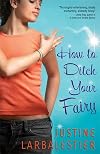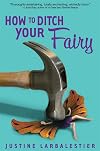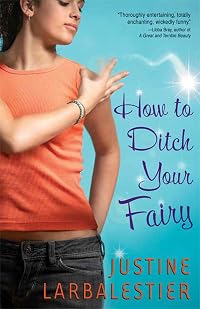
How to Ditch Your Fairy
by Justine Larbalestier
On This Page
Description
In a world in which everyone has a personal fairy who tends to one aspect of daily life, fourteen-year-old Charlie decides she does not want hers--a parking fairy--and embarks on a series of misadventures designed to rid herself of the invisible sprite and replace it with a better one, like her friend Rochelle's shopping fairy.Tags
Recommendations
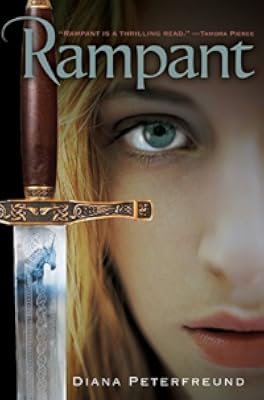
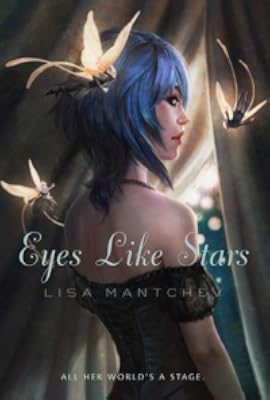
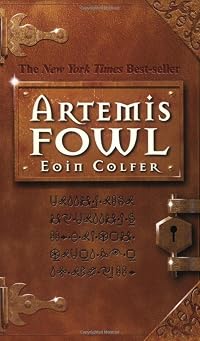
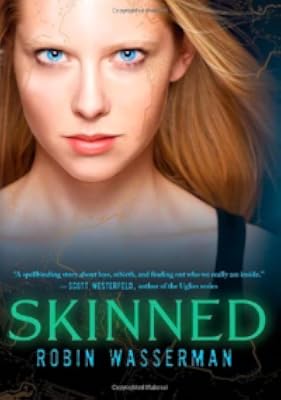
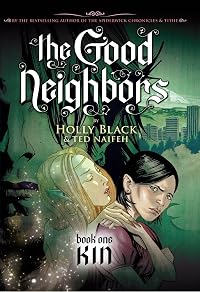
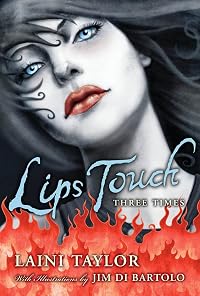
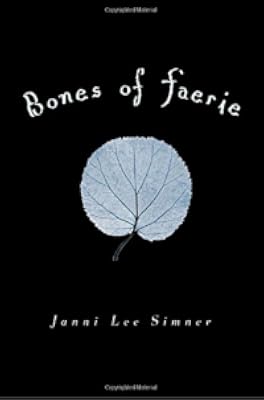
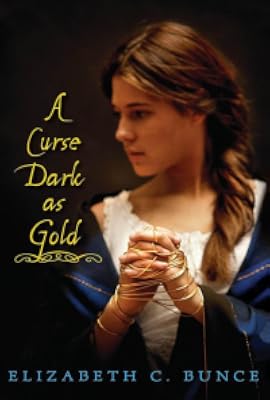





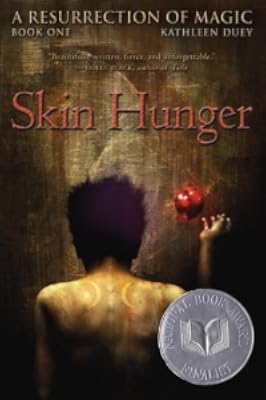
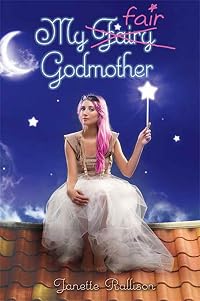

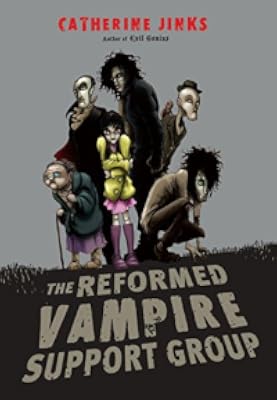
Member Recommendations
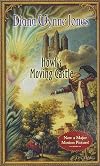
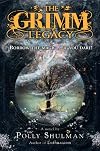
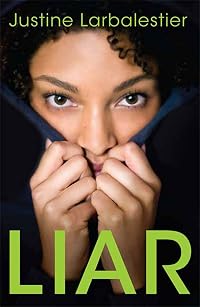
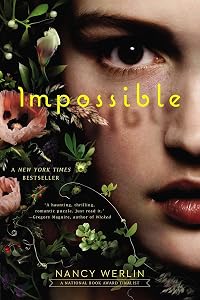
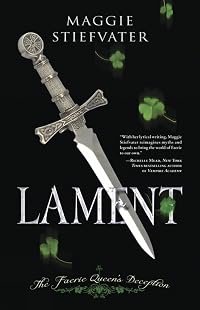
BookshelfMonstrosity Although How To Ditch Your Fairy is set in an alternate version of our world, both of these witty, fast-paced modern-day fantasies raise the question of whether magic solves problems or just creates newer and more complicated ones.
Member Reviews
I wanted more from this book than it gave me.
I wanted super seekrit conspiracy theories about the Ours and creepy, big brotheresque, drugs-in-the-drinking-water, evil mind rays that affected the east and west coasts’ perceptions of one another.
I wanted fairies to be a government cover-up for weird military related drug trials.
I wanted Larbalestier (whose blog I love) to stop using words like doos and doxhead and pulchy because it made me want to punch characters in the face, and violence is wrong. You can’t see me, but I just nodded sagely as I typed that.
I wanted more. Clearly.
But I’m giving it two stars because maybe if you don’t want all those things it’s a better novel. I am too biased by my need for deep dark secrets to show more judge it fairly. show less
I wanted super seekrit conspiracy theories about the Ours and creepy, big brotheresque, drugs-in-the-drinking-water, evil mind rays that affected the east and west coasts’ perceptions of one another.
I wanted fairies to be a government cover-up for weird military related drug trials.
I wanted Larbalestier (whose blog I love) to stop using words like doos and doxhead and pulchy because it made me want to punch characters in the face, and violence is wrong. You can’t see me, but I just nodded sagely as I typed that.
I wanted more. Clearly.
But I’m giving it two stars because maybe if you don’t want all those things it’s a better novel. I am too biased by my need for deep dark secrets to show more judge it fairly. show less
Charlie Steele can't drive. In fact, she hates cars. But she has a parking fairy, and on account of this, she has spent most of her life in cars helping people get good parking spaces. Charlie's friend Rochelle has a clothes-shopping fairy, and her arch nemesis Fiorenze has an all-the-boys-like-you fairy which helps her steal Charlie's crush. Charlie would settle for a loose change fairy just to get rid of hers, so she embarks on a mission. When Plan A fails, Charlie is ready to try the unthinkable - she goes to Fiorenze's house to follow up on a rumor that Fio's parents have studies on fairy-ditching. Plan B, however, throws Charlie in over her head and it's not long before she has teamed up with Fio to solve this fairy problem once show more and for all.
How to Ditch Your Fairy is a truly clever book - Larbalestier has built her world with the sort of care that allows the reader to settle in for a nice, long stay. Her characters are truly teenage, with all the bumbling and insecurity that comes along with being fourteen. They even have their own lexicon of slang, which Larbalestier manages to blend in rather well, though it is sometimes quite nice that she has a glossary in the back of the book. These characters are easy to fall in love with and to root for. I would not be surprised if this isn't the last we hear from Charlie et. al, nor would I be opposed to reading another of their stories. show less
How to Ditch Your Fairy is a truly clever book - Larbalestier has built her world with the sort of care that allows the reader to settle in for a nice, long stay. Her characters are truly teenage, with all the bumbling and insecurity that comes along with being fourteen. They even have their own lexicon of slang, which Larbalestier manages to blend in rather well, though it is sometimes quite nice that she has a glossary in the back of the book. These characters are easy to fall in love with and to root for. I would not be surprised if this isn't the last we hear from Charlie et. al, nor would I be opposed to reading another of their stories. show less
Everyone (well, almost everyone) in the city of New Avalon has a personal fairy, a good luck charm for something very specific. Charlie's jealous of her friend Rochelle, who has a shopping fairy, and her enemy Fiorezne Burnham-Stone, who has an every boy likes you fairy. Charlie doesn't think her fairy is that useful, but it IS annoying. She has a parking fairy. Great for a 14 year old who can't even drive, right? But she DOES have everyone wanting her to ride in their cars, just so they can get the perfect parking place! Charlie is on a mission to get rid of her fairy. This means walking everywhere (so her fairy won't have the opportunity to work and will leave)–but walking everywhere also means being late a lot, and getting into show more LOTS of trouble at her very strict, by the rules, demerit-based, sports school. Charlie needs to lose her fairy NOW, even if it means teaming up with Fiorenze, who has fairy expert parents, and isn't too thrilled with her fairy, either. Lots of humor and a little romance make this a great light read. show less
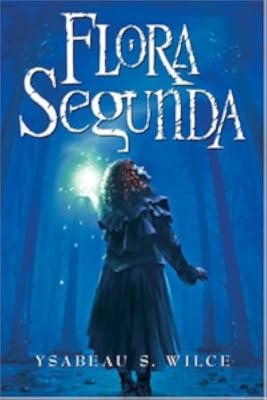
This book is an odd one -- but plunging into the quirky world building and sudden, unexpected slang of another place is always entertaining. New Avalon, and it's obsessive schools (this one for sports), and it's luck-fairies, and the verbal play reminds me of the Flora Secunda books. The only thing to do is dive right in.
On the whole, I enjoyed it. I was frustrated at the cardboard cutout adults, and the fact that even when she was being physically kidnapped Charlie didn't bother to ask for help. It went too far! She shouldn't have to handle stuff like that on her own! It's stupid and dangerous, and she chose to go with a stupid and dangerous way of handling it and there were no real repercussions. C'mon now, that's a crappy message to show more send. But it's a funny book, and a light book, and I guess that makes it ok? show less
On the whole, I enjoyed it. I was frustrated at the cardboard cutout adults, and the fact that even when she was being physically kidnapped Charlie didn't bother to ask for help. It went too far! She shouldn't have to handle stuff like that on her own! It's stupid and dangerous, and she chose to go with a stupid and dangerous way of handling it and there were no real repercussions. C'mon now, that's a crappy message to show more send. But it's a funny book, and a light book, and I guess that makes it ok? show less
In Charlie's world, (almost) everyone has a fairy that provides them with some kind of minor magical power, like always finding loose change or always having good hair. Charlie has a fairy that allows whatever car she is in to always find the best parking spot. She hates it, because a big dumb water polo player at her all-sports high school keeps kidnapping her so he can get the best parking spots while he runs around town. So Charlie comes up with a plan to get rid of her fairy and get a better one, like the every-boy-will-like-you fairy. This proves to be difficult because almost no one knows anything about what the fairies actually are or how they work.
YA books always sound so much better to me in theory than in practice. The writing show more wasn't great, the plot had holes, and the main character was very self-centered. But then I finished the whole book in less than 24 hours and I remembered what I DO like about YA books.
Overall the book wasn't bad, and I particularly liked a few things that Larbalestier did:
1) The stuck-up rich girl that everyone hates is actually just super shy
2) There are pretty much zero traditional gender roles. This is difficult to do in a sports-centered community but it's well done here.
3) Sexuality: most boys like girls and most girls like boys but some boys like boys and some girls like girls and some girls aren't sure if they like boys or girls. The words "gay" and "lesbian" aren't even mentioned; people just like who they like. No one is grouped or labeled; everyone is friends with everyone else. It's awesome
4) Institutionalized corruption and complacency in sports: There are all kinds of weird rules at Charlie's school that must be followed at all times (even when not at school) for pretty much no reason, but everyone just accepts them. There is rampant gambling and bullying which are just overlooked because tattling is against the rules. The sports stars of the school are allowed to do whatever they want, and they don't get in trouble because the administration wants to keep them happy so they will keep playing well. (I have seen all of this in real life in college, and it is horribly corrupt but no one will do anything about it because sports = $$$$ and fame)
In conclusion, the plot fell flat but the subtler parts of the story made up for it. I'm really interested in reading more by this author. show less
YA books always sound so much better to me in theory than in practice. The writing show more wasn't great, the plot had holes, and the main character was very self-centered. But then I finished the whole book in less than 24 hours and I remembered what I DO like about YA books.
Overall the book wasn't bad, and I particularly liked a few things that Larbalestier did:
1) The stuck-up rich girl that everyone hates is actually just super shy
2) There are pretty much zero traditional gender roles. This is difficult to do in a sports-centered community but it's well done here.
3) Sexuality: most boys like girls and most girls like boys but some boys like boys and some girls like girls and some girls aren't sure if they like boys or girls. The words "gay" and "lesbian" aren't even mentioned; people just like who they like. No one is grouped or labeled; everyone is friends with everyone else. It's awesome
4) Institutionalized corruption and complacency in sports: There are all kinds of weird rules at Charlie's school that must be followed at all times (even when not at school) for pretty much no reason, but everyone just accepts them. There is rampant gambling and bullying which are just overlooked because tattling is against the rules. The sports stars of the school are allowed to do whatever they want, and they don't get in trouble because the administration wants to keep them happy so they will keep playing well. (I have seen all of this in real life in college, and it is horribly corrupt but no one will do anything about it because sports = $$$$ and fame)
In conclusion, the plot fell flat but the subtler parts of the story made up for it. I'm really interested in reading more by this author. show less
In a world where almost everyone has a fairy (loose-change fairy, good hair fairy, never late fairy), Charlie is stuck with a parking fairy. Whichever car she rides in will always find a prime parking spot. Charlie detests her fairy and is desperate to get rid of it. But when she teams up with her least favourite person in the world, Fiorenze, who also wants to ditch her fairy, they end up with far more trouble than they bargained for.
If you're not a fan of traditional fantasy fairies, don't bypass this book. While fairies play a major role in the novel, not once does one talk or appear so don't let this being a "fairy book" keep you away. The novel is far more about the delightful alternate reality Larbalestier has created and watching show more as Charlie discovers that people are more complex than she had imagined and that Fiorenze in particular may not be as odious as she appears. Charlie's nascent romance with the new boy, Stefan is also very adorable. A fun, fluffy read that won't tax you much. show less
If you're not a fan of traditional fantasy fairies, don't bypass this book. While fairies play a major role in the novel, not once does one talk or appear so don't let this being a "fairy book" keep you away. The novel is far more about the delightful alternate reality Larbalestier has created and watching show more as Charlie discovers that people are more complex than she had imagined and that Fiorenze in particular may not be as odious as she appears. Charlie's nascent romance with the new boy, Stefan is also very adorable. A fun, fluffy read that won't tax you much. show less
Charlie is a great character. I adored her. She is dedicated to her cause, funny, and has attitude. I loved watching (reading) her grow and change through the course of the book. Everything Charlie wanted at the beginning, by the end she has a new perspective of and appreciation for.
Ms. Larbalestier builds a cool, made-up country, as well as a cool, made-up school. (At least I think it's a made up school. I'd never heard of a sports school like Charlie attends, but maybe they exist?) Both are believable, as are the fairies. I love how the fairies are accepted as a fact of life by most, but that there are still skeptics who believe it's a bunch of phooey.
I did find the repetitive counting of events/demerits at the beginning of each show more chapter rather tedious, especially near the end.
I loved listening to the book. Kate Atkinson was fabulous. I believed I was listening to a fourteen-year-old. I especially loved listening to her Australian accent. And the accent is necessary with all the Australian slang. (At least I'm assuming it's Aussie slang, I wouldn't really know. I suppose Ms. Larbalestier could have made it up?) show less
Ms. Larbalestier builds a cool, made-up country, as well as a cool, made-up school. (At least I think it's a made up school. I'd never heard of a sports school like Charlie attends, but maybe they exist?) Both are believable, as are the fairies. I love how the fairies are accepted as a fact of life by most, but that there are still skeptics who believe it's a bunch of phooey.
I did find the repetitive counting of events/demerits at the beginning of each show more chapter rather tedious, especially near the end.
I loved listening to the book. Kate Atkinson was fabulous. I believed I was listening to a fourteen-year-old. I especially loved listening to her Australian accent. And the accent is necessary with all the Australian slang. (At least I'm assuming it's Aussie slang, I wouldn't really know. I suppose Ms. Larbalestier could have made it up?) show less
Members
- Recently Added By
Published Reviews
ThingScore 75
Larbalastier's gift for language and dialect comes through as clearly here as it did in Magic and Madness, but this book is a lot lighter, more fun, and funnier, with tons of brilliant little comedy licks arising from the interplay of different fairies in Charlie's social circle.
added by lampbane
Lists

Books Read in 2012
816 works; 34 members
Author Information

19+ Works 6,784 Members
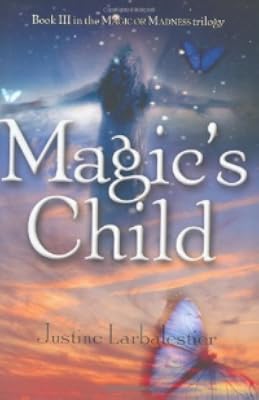
Justine Larbalestier was born and raised in Sydney, Australia. She is a young-adult fiction author and is best known for the Magic or Madness trilogy: Magic or Madness, Magic Lessons and Magic's Child. Her other works include Liar, How to Ditch Your Fairy, and The Battle of the Sexes in Science Fiction. In 2014 her title, Razorhurst, won the show more Aurealis Award in the Horror Novel category. This title also made the Inky Awards 2015 shortlist and the Queensland Literary Awards 2015 shortlist in the Young Adult category. She will be at the Melbourne Writers Festival Schools Program 2015. My Sister Rosa, published January 2016, won the 2018 Adelaide Festival Awards for Literature, Young adult fiction. (Bowker Author Biography) show less
Awards and Honors
Awards
Distinctions
Common Knowledge
- Canonical title
- How to Ditch Your Fairy
- Original publication date
- 2008-09-16
- People/Characters
- Charlie; Fiorenze; Rochelle; Stefan "Steffi"
- Important places
- New Avalon
- Dedication
- For Stephen Gamble and Ron Serdiuk, my two favorite fairies
- First words
- My spoffs looked funny at the top, which is odd because my spoffs are tiny.
- Last words
- (Click to show. Warning: May contain spoilers.)This fairy was a keeper.
- Canonical DDC/MDS
- 813.6
Classifications
- Genres
- Fiction and Literature, Teen, Fantasy, Young Adult
- DDC/MDS
- 813.6 — Literature & rhetoric American literature in English American fiction in English 2000-
- LCC
- PZ7 .L32073 .H — Language and Literature Fiction and juvenile belles lettres Fiction and juvenile belles lettres Juvenile belles lettres
- BISAC
Statistics
- Members
- 843
- Popularity
- 32,624
- Reviews
- 65
- Rating
- (3.40)
- Languages
- English, German
- Media
- Paper, Audiobook, Ebook
- ISBNs
- 21
- ASINs
- 6