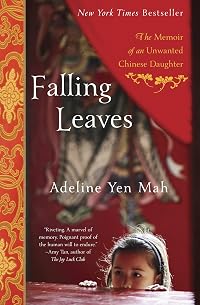
Falling Leaves: The Memoir of an Unwanted Chinese Daughter
by Adeline Yen Mah
On This Page
Description
The true story of a young Chinese girl who grew up feeling unloved by her father who remarried shortly after her mother's death and treated his new family and subsequent children as upper class compared to his first children.Tags
Recommendations
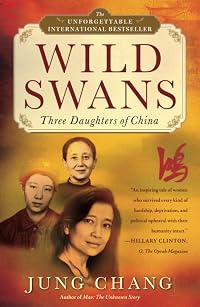
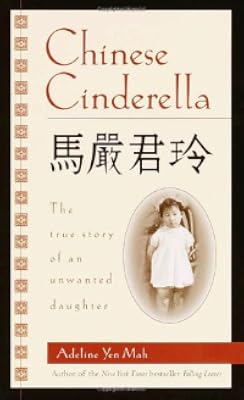
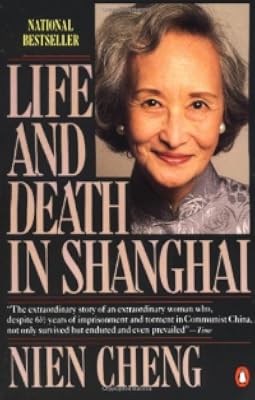
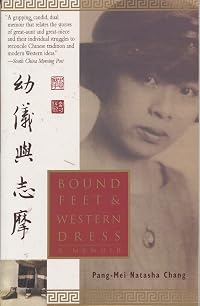
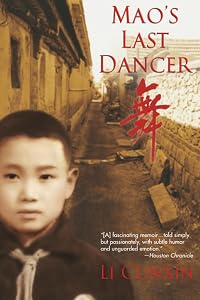
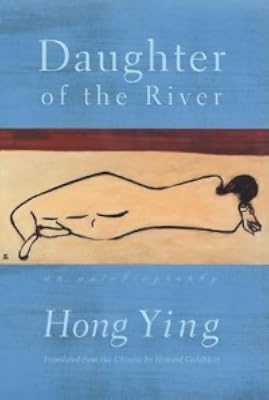
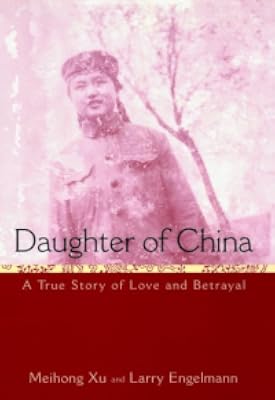
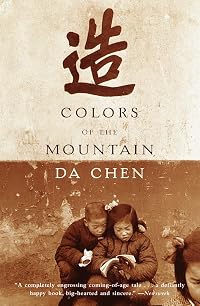
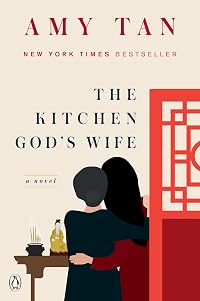
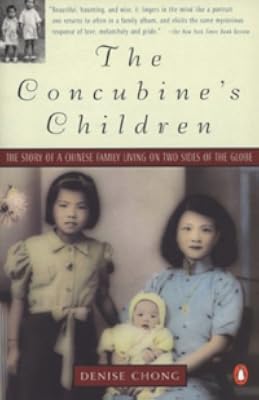
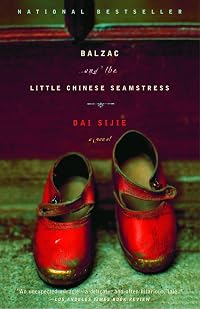
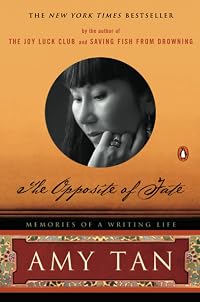
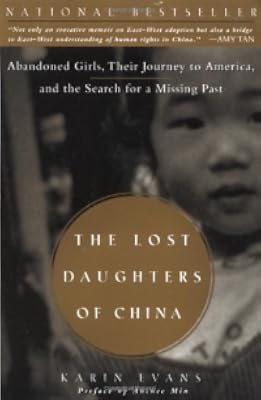
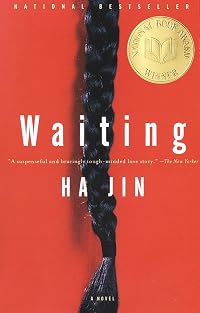
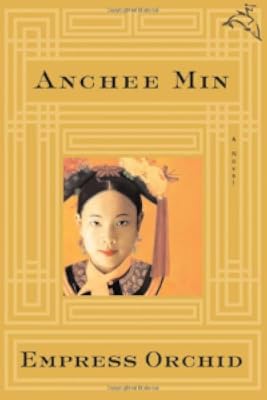
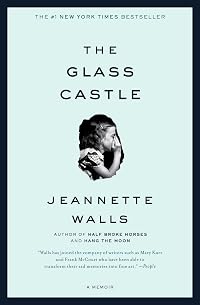
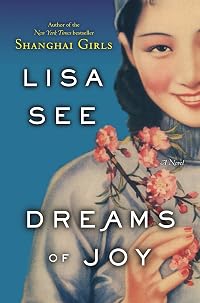
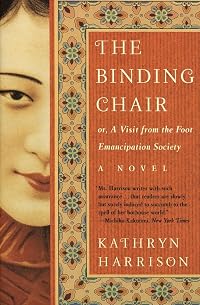
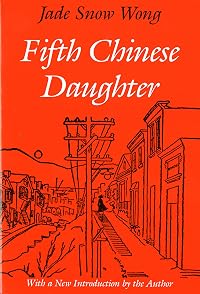
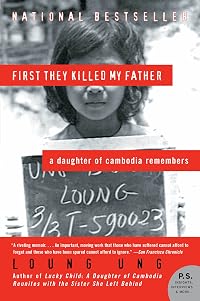
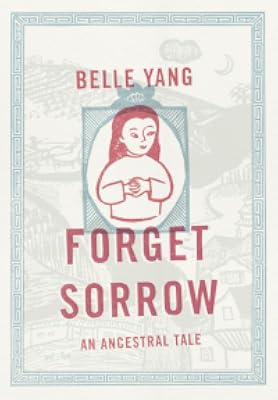
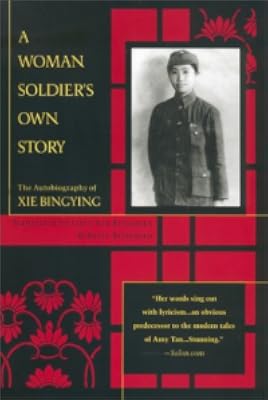
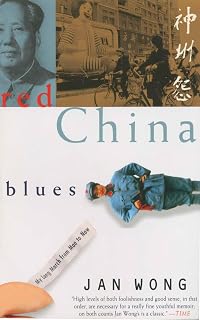
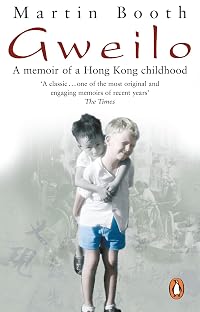
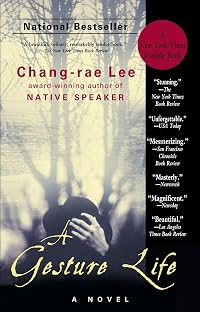
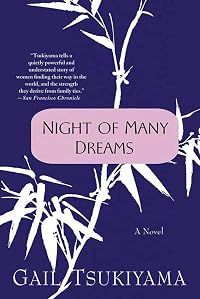


Member Recommendations
by bergs47
Member Reviews
What a moving, eye-opening memoir. Born in 1937 in China, Adeline suffered greatly. While her family was wealthy, neither their money nor their affection was shared with her. She is betrayed time after time, even into adulthood, but she somehow remains optimistic.
Her family troubles are set against China's changing political landscape over the years. The understated prose spells out some particular horrors. Pay attention as you read. It's a warning to the rest of the world that the same could happen in any country, including America.
I picked up a paperback copy for $1.00 at a local library sale. A dollar well spent! It helped me understand (a tiny bit) about the culture in China, then and now. More importantly, it reminded me once more show more that many people in our world are neglected, unwanted. It's up to us to show kindness to everyone; we never know what someone is going through.
From what I'm seeing online, Adeline Yen Mah and her husband have become philanthropists who established the Falling Leaves Foundation, which strives toward building a stronger relationship between the East and West as well as promoting medical advances.
I'm not sure how anyone endures what she did and my guess is that it still haunts her. Adeline Yen Mah, I'm rooting for you. show less
Her family troubles are set against China's changing political landscape over the years. The understated prose spells out some particular horrors. Pay attention as you read. It's a warning to the rest of the world that the same could happen in any country, including America.
I picked up a paperback copy for $1.00 at a local library sale. A dollar well spent! It helped me understand (a tiny bit) about the culture in China, then and now. More importantly, it reminded me once more show more that many people in our world are neglected, unwanted. It's up to us to show kindness to everyone; we never know what someone is going through.
From what I'm seeing online, Adeline Yen Mah and her husband have become philanthropists who established the Falling Leaves Foundation, which strives toward building a stronger relationship between the East and West as well as promoting medical advances.
I'm not sure how anyone endures what she did and my guess is that it still haunts her. Adeline Yen Mah, I'm rooting for you. show less
Warning: This review has spoilers.
Falling Leaves is the autobiography of Adeline Yen Mah, born in 1937 in Tianjin, China. She was the fifth child. Her mother contracted puerperal fever and died weeks after her birth. Several years later her father re-married and with his new wife had 2 children. The new step-mother influenced her father so that this daughter was ignored, mentally abused, and sent away to substandard schools.
Some of the stories are heart-rending; a beloved pet set on the ground to test the training of a dog and injured, no gifts when all brothers and sisters got gifts, throwing away of all gifts given by friends, no money for trams for school unless she begged and humbled herself.
Adeline bore this unhappily but show more couldn’t do anything about it until she entered a play-writing competition. She won, and her father and step-mother allowed her to go to England to study to become a doctor. This she did, earning several degrees. She married, had a child, divorced, re-married, and had a second child. All the while she was building a successful career.
In the meantime she always anguished over family’s rejection of her, her step-mother’s influence and control over her father. Two sisters were disowned. At the reading of her father’s will, her step-mother’s influence was so strong that she told the children there was no money and not to read the rest of the will – and they obeyed.
When her step-mother died she and her husband went back to China. One of her brothers told her she was cut out of the will. Adeline didn’t care about the money so much as family unity. They found her father’s original will, suppressed by her step-mother, which had divided his money equally among his children and his wife. This inclusion and proof of his love for her helped her finally gain peace in her life-long quest for acceptance and love.
I loved this book. It was well written. I loved that each chapter title was in English and Chinese. When there is a Chinese word or concept, the symbol is included with the Chinese translation. Example: Shanghai’s two symbols are followed by the word Shanghai and then (city by the sea), a literal translation of the symbols. I found this to be very helpful in understanding more about Chinese culture. The book was captivating and immediately got me involved. It was also heartbreaking, and frustrating. Adeline’s almost pathological quest to be accepted by her family might have been understandable if that family wasn’t so dysfunctional, manipulative, and controlling. I hope the comfort and peace she found offset the very real cruelty and mental abuse she experienced. show less
Falling Leaves is the autobiography of Adeline Yen Mah, born in 1937 in Tianjin, China. She was the fifth child. Her mother contracted puerperal fever and died weeks after her birth. Several years later her father re-married and with his new wife had 2 children. The new step-mother influenced her father so that this daughter was ignored, mentally abused, and sent away to substandard schools.
Some of the stories are heart-rending; a beloved pet set on the ground to test the training of a dog and injured, no gifts when all brothers and sisters got gifts, throwing away of all gifts given by friends, no money for trams for school unless she begged and humbled herself.
Adeline bore this unhappily but show more couldn’t do anything about it until she entered a play-writing competition. She won, and her father and step-mother allowed her to go to England to study to become a doctor. This she did, earning several degrees. She married, had a child, divorced, re-married, and had a second child. All the while she was building a successful career.
In the meantime she always anguished over family’s rejection of her, her step-mother’s influence and control over her father. Two sisters were disowned. At the reading of her father’s will, her step-mother’s influence was so strong that she told the children there was no money and not to read the rest of the will – and they obeyed.
When her step-mother died she and her husband went back to China. One of her brothers told her she was cut out of the will. Adeline didn’t care about the money so much as family unity. They found her father’s original will, suppressed by her step-mother, which had divided his money equally among his children and his wife. This inclusion and proof of his love for her helped her finally gain peace in her life-long quest for acceptance and love.
I loved this book. It was well written. I loved that each chapter title was in English and Chinese. When there is a Chinese word or concept, the symbol is included with the Chinese translation. Example: Shanghai’s two symbols are followed by the word Shanghai and then (city by the sea), a literal translation of the symbols. I found this to be very helpful in understanding more about Chinese culture. The book was captivating and immediately got me involved. It was also heartbreaking, and frustrating. Adeline’s almost pathological quest to be accepted by her family might have been understandable if that family wasn’t so dysfunctional, manipulative, and controlling. I hope the comfort and peace she found offset the very real cruelty and mental abuse she experienced. show less
Meh! I must admit that I don't read much autobiography, though I am interested in history, and I found this a bit of a slog to read. No doubt, that in her eyes at least, Adeline didn't have the best of childhoods. Wanting to be loved and accepted by her family is understandable and trying to live up to cultural expectations in a time of turbulent political and social changes isn't the easiest thing.
Adeline and most of her family left China for Hong Kong and the bits of this book that I found most interesting were the historical elements away from Adeline's own life. I also liked Aunt Baba - who remained in China. I managed to finish the book and enjoyed some of the history but, for me, her personal story comes across as whiny and show more Adeline Yen Mah's style of writing didn't really work for me. show less
Adeline and most of her family left China for Hong Kong and the bits of this book that I found most interesting were the historical elements away from Adeline's own life. I also liked Aunt Baba - who remained in China. I managed to finish the book and enjoyed some of the history but, for me, her personal story comes across as whiny and show more Adeline Yen Mah's style of writing didn't really work for me. show less
Adeline Mah writes about her tragic childhood and troubled young adult life with restrained emotion and polished writing, conveying both the historical context of her life and the personal episodes that deeply influenced her. This autobiography is not a joyful one; but then, most memoirs are born out of a cathartic need to revisit the problems in our life, so this is hardly surprising. What is more remarkable is the healthy woman the author became, rising out of a bitter family always at conflict with each other, with the conviction to find peace and hope, and retain her dream of a unified family.
The author's mother died while delivering her. Adeline was the youngest of five, an older sister and three older brothers. A short time after show more her mother passed away, her father decided to remarry. They called their new mother Niang, a more formal designation for mother. Sadly, Niang was not thrilled to accept five new children along with her new husband. She was cold and distant, and as soon as her son was born, created a hierarchy in the household. Her son was favored. She and her husband kept the wealth for themselves and the chosen child, while the other children were required to practice austerity, supposedly to learn to appreciate the money that their father worked so hard to obtain. Since their father was an extremely wealthy man, this deprivation was cruel and absurd. The first half of the book covered Adeline's childhood, crushed under an oppressive regime. Not only did her parents mistreat her, but her siblings also picked on her, the youngest, the one who killed their mother, the child who earned Niang's special displeasure.
The second part of the autobiography was less infuriating, as the author escaped to England to pursue her medical education, and was not directly under her Niang's influence. Eventually, she moved to America and established a successful medical practice. After a disastrous first marriage, she met someone who truly cared for her, and started her own family. She had two children, and wrote that she was happy for the chance to lavish love on them in a way that she never received. Sadly, her parents and her siblings continued to create waves of discontent in her life, and even in death her Niang managed one final attack on Adeline's spirit, cutting her out entirely of the will but leaving bequeaths to her brothers and sister, Lydia. The autobiography ends shortly after the author recounts Niang's death and the revelation of her final will and testimony. The last chapter tells of Adeline's final meeting with her Aunt Baba, a woman who supported and loved her when it seemed as if no one else did. Her aunt tells her a story that reinforces her own importance and worth, and encourages her to remember that she can create a beautiful life even if she has been wounded by those nearest to her. The memoir ends on this hopeful note of strength and healing.
I admire the author, Adeline Mah, for her amazing resilience and maturity. Despite undergoing mental and emotional abuse that set my teeth on edge, she persevered. She finally found and married a person who loved her, she had her own children, and she broke the negative cycle with this new family. Stopping family patterns of abuse is a very difficult task. Reading her story was heart-breaking, but also engrossing. I knew that she had become a published writer, her authorial voice indicated maturity and strength, and I wanted to see how she moved past all of her early trauma to this better place. The writing is clean, descriptive, and switches from historical backgrounds on the major events in China that framed Adeline's life to her own personal anecdotes. The style is not new or original, but rather like a perfect English composition; the book is easy to read and inviting. This is a worthwhile autobiography, with fine writing that focuses on a population not often covered in the biography section. General readers as well as nonfiction enthusiasts will appreciate the life story shared in these pages. show less
The author's mother died while delivering her. Adeline was the youngest of five, an older sister and three older brothers. A short time after show more her mother passed away, her father decided to remarry. They called their new mother Niang, a more formal designation for mother. Sadly, Niang was not thrilled to accept five new children along with her new husband. She was cold and distant, and as soon as her son was born, created a hierarchy in the household. Her son was favored. She and her husband kept the wealth for themselves and the chosen child, while the other children were required to practice austerity, supposedly to learn to appreciate the money that their father worked so hard to obtain. Since their father was an extremely wealthy man, this deprivation was cruel and absurd. The first half of the book covered Adeline's childhood, crushed under an oppressive regime. Not only did her parents mistreat her, but her siblings also picked on her, the youngest, the one who killed their mother, the child who earned Niang's special displeasure.
The second part of the autobiography was less infuriating, as the author escaped to England to pursue her medical education, and was not directly under her Niang's influence. Eventually, she moved to America and established a successful medical practice. After a disastrous first marriage, she met someone who truly cared for her, and started her own family. She had two children, and wrote that she was happy for the chance to lavish love on them in a way that she never received. Sadly, her parents and her siblings continued to create waves of discontent in her life, and even in death her Niang managed one final attack on Adeline's spirit, cutting her out entirely of the will but leaving bequeaths to her brothers and sister, Lydia. The autobiography ends shortly after the author recounts Niang's death and the revelation of her final will and testimony. The last chapter tells of Adeline's final meeting with her Aunt Baba, a woman who supported and loved her when it seemed as if no one else did. Her aunt tells her a story that reinforces her own importance and worth, and encourages her to remember that she can create a beautiful life even if she has been wounded by those nearest to her. The memoir ends on this hopeful note of strength and healing.
I admire the author, Adeline Mah, for her amazing resilience and maturity. Despite undergoing mental and emotional abuse that set my teeth on edge, she persevered. She finally found and married a person who loved her, she had her own children, and she broke the negative cycle with this new family. Stopping family patterns of abuse is a very difficult task. Reading her story was heart-breaking, but also engrossing. I knew that she had become a published writer, her authorial voice indicated maturity and strength, and I wanted to see how she moved past all of her early trauma to this better place. The writing is clean, descriptive, and switches from historical backgrounds on the major events in China that framed Adeline's life to her own personal anecdotes. The style is not new or original, but rather like a perfect English composition; the book is easy to read and inviting. This is a worthwhile autobiography, with fine writing that focuses on a population not often covered in the biography section. General readers as well as nonfiction enthusiasts will appreciate the life story shared in these pages. show less
Canceled midstream. Threw my arms up and surrendered. Such a horridly, tediously terse style packed with details that are so trivial as to make one's head pop. And yet such an intriguing plot.
I hate it when they hook you right in with some type of foreshadowing. It's the worst type of offense when a writer decides to say, "This bizarre and terrifically terrible thing happened" and spend the entire book explaining everything that happened before it (and I mean everything, from the late 18-effing-00s) until reaching that point (which I have not yet reached, and do not intend to, thank god) and realize that the whole book was a waste of time.
Please spare yourselves. Surely, you can Wiki this Mah Yen and read her CONDENSED life story in show more five minutes rather than read this book. Long, painful, and without anything to merit reading it, a quite futile attempt at interesting memoir-writing. show less
I hate it when they hook you right in with some type of foreshadowing. It's the worst type of offense when a writer decides to say, "This bizarre and terrifically terrible thing happened" and spend the entire book explaining everything that happened before it (and I mean everything, from the late 18-effing-00s) until reaching that point (which I have not yet reached, and do not intend to, thank god) and realize that the whole book was a waste of time.
Please spare yourselves. Surely, you can Wiki this Mah Yen and read her CONDENSED life story in show more five minutes rather than read this book. Long, painful, and without anything to merit reading it, a quite futile attempt at interesting memoir-writing. show less
Adeline Yen Mah should have had an easy life. She was the second daughter and fifth child of a very wealthy Tianjin, Shanghai and Hong Kong businessman, Joseph Yen. However, a few weeks after she was born her mama died from puerperal fever. After her mother's death, her father became obsessed with and married Jeanne Prosperi, a woman of French and Chinese descent, that the children were instructed to call niang, another term for mother. Niang along with her husband's consent and participation was a manipulative woman who kept the family in a state of emotional turmoil. As the children grew, she often pitted them against each other for no apparent reason than her own gratification.
If not for her Ye Ye (paternal grandfather), aunt and, show more later, her second husband, Adeline would not have anyone who nurtured and loved her. Her aunt encouraged and celebrated her educational successes and through this Adeline eventually became a successful anesthesiologist.
What is my reaction to the book? I thought it was interesting, incredible and difficult. Interesting in that it’s the story of a family’s life during major historical events in China and Hong Kong. I use incredible because the level of treachery and betrayal in the Yen family is almost unbelievable. Except for Susan, the youngest daughter of Joseph and Niang who was disowned for telling her mother what she thought of her, the rest of the children continued to allow themselves to be spun within Niang's web throughout their lives—either because of filial responsibility or to ensure that they received their inheritance. So my final word is difficult—difficult reading passages where Adeline, the ever filial daughter, sought love, acceptance and family togetherness and was often duped and betrayed. show less
If not for her Ye Ye (paternal grandfather), aunt and, show more later, her second husband, Adeline would not have anyone who nurtured and loved her. Her aunt encouraged and celebrated her educational successes and through this Adeline eventually became a successful anesthesiologist.
What is my reaction to the book? I thought it was interesting, incredible and difficult. Interesting in that it’s the story of a family’s life during major historical events in China and Hong Kong. I use incredible because the level of treachery and betrayal in the Yen family is almost unbelievable. Except for Susan, the youngest daughter of Joseph and Niang who was disowned for telling her mother what she thought of her, the rest of the children continued to allow themselves to be spun within Niang's web throughout their lives—either because of filial responsibility or to ensure that they received their inheritance. So my final word is difficult—difficult reading passages where Adeline, the ever filial daughter, sought love, acceptance and family togetherness and was often duped and betrayed. show less
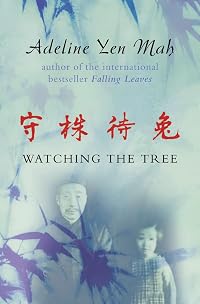
The Chinese-American author Adeline Yen Mah is best known for her two books of memoirs, Watching the tree. A Chinese daughter reflects on happiness, traditions, and spiritual wisdom and Falling leaves. The memoir of an unwanted Chinese daughter, the latter of which has also appeared in a Young Adult version as Chinese Cinderella. The true story of an unwanted daughter. These two (or three) books all deal with the same issues.
From a historical point of view, any person's memoirs can be very interesting, and given the fact that Adeline Yen Mah comes from a wealthy family makes her autobiographical work of more significance. Her work may be of interest to historians who study Chinese history, the history of immigrants into Hong Kong or show more Chinese-Americans, particularly in the first half on the 20th century. However, the dual editions of Falling leaves indicate that the author does not specifically have that audience in mind.
The picture that emerges from her memoirs, shows that the author comes from an incredibly privileged background. However, throughout the book the reader is struck by her portrayal of her family members, who are all exposed as extremely selfish. Her father, and especially her step-mother, most of her brothers, and Lydia, the family member left behind in Communist China. This selfishness reaches its pivot in the final chapters when the inheritance is to be divided.
Throughout the book the author describes herself as the great pacifier, the angelic daughter who studies medicine to become a doctor and thus a helper of mankind. While the emancipatory novelty is a fact, the author tends to make more of her own effort, and downplay the role of her wealthy family background of privilege.
The subtitle of the book indicates very clearly what the author's real preoccupations are: The memoir of an unwanted Chinese daughter. Throughout the book she keeps raising her wining voice, calling for pity with her, for being an unwanted daughter, unwanted, unloved and denied what? Oh, yes... her share of the inheritance. In essence, the book is not much more than a vain attempt by a narcissistic and spoilt woman to have the last say.
.
The book is a perfect illustration of the decadent, privileged life of the upper-class Chinese that the Communist Revolution in China so successfully got rid of. The book is very well-written, and the historical transitions from Tianjin to Shanghai, on to Hong Kong and her life in other parts around the world are of historical interest. Above all, the book is of interest because it exposes the degrees of greed and hatred of wealthy Chinese families, in as far as we can separate those facts from the self-pity of the author. show less
From a historical point of view, any person's memoirs can be very interesting, and given the fact that Adeline Yen Mah comes from a wealthy family makes her autobiographical work of more significance. Her work may be of interest to historians who study Chinese history, the history of immigrants into Hong Kong or show more Chinese-Americans, particularly in the first half on the 20th century. However, the dual editions of Falling leaves indicate that the author does not specifically have that audience in mind.
The picture that emerges from her memoirs, shows that the author comes from an incredibly privileged background. However, throughout the book the reader is struck by her portrayal of her family members, who are all exposed as extremely selfish. Her father, and especially her step-mother, most of her brothers, and Lydia, the family member left behind in Communist China. This selfishness reaches its pivot in the final chapters when the inheritance is to be divided.
Throughout the book the author describes herself as the great pacifier, the angelic daughter who studies medicine to become a doctor and thus a helper of mankind. While the emancipatory novelty is a fact, the author tends to make more of her own effort, and downplay the role of her wealthy family background of privilege.
The subtitle of the book indicates very clearly what the author's real preoccupations are: The memoir of an unwanted Chinese daughter. Throughout the book she keeps raising her wining voice, calling for pity with her, for being an unwanted daughter, unwanted, unloved and denied what? Oh, yes... her share of the inheritance. In essence, the book is not much more than a vain attempt by a narcissistic and spoilt woman to have the last say.
.
The book is a perfect illustration of the decadent, privileged life of the upper-class Chinese that the Communist Revolution in China so successfully got rid of. The book is very well-written, and the historical transitions from Tianjin to Shanghai, on to Hong Kong and her life in other parts around the world are of historical interest. Above all, the book is of interest because it exposes the degrees of greed and hatred of wealthy Chinese families, in as far as we can separate those facts from the self-pity of the author. show less
Members
- Recently Added By
Lists

Best Autobiographies and Memoirs
370 works; 66 members

Really Good Narrative Non-Fiction
65 works; 24 members

Best Biographies, Autobiographies and Memoirs
465 works; 160 members

Dysfunctional Families
133 works; 7 members

Chinese Literature
12 works; 4 members

Best books read in 2011
200 works; 50 members

Books Read in 2011
684 works; 19 members

Women's Stories
88 works; 13 members

Female Author
1,235 works; 64 members

KayStJ's to-read list
1,616 works; 11 members

Five star books
1,757 works; 108 members

Books Tagged Abuse
152 works; 4 members

Deena's Favorites--How Many have you read?
102 works; 3 members

Books I have Recommended
207 works; 1 member

Biographies: Women
112 works; 1 member
Author Information

16+ Works 7,301 Members
Although Adeline Yen Mah was born into a wealthy family in Tianjin, China in 1937, her childhood was an unhappy one. Born female in a culture that often devalues women, her situation was made worse by the fact that her family blamed Yen Mah for her mother's death, which occurred just after she was born. Her autobiography, Falling Leaves: The True show more Story of an Unwanted Chinese Daughter, details the emotional abuse she suffered from her father, siblings and, in particular, her stepmother. Most notable was the fact that her family, fleeing to Hong Kong in 1948 as the Communist army gained control of China, initially left the 10-year-old Yen Mah behind, in a boarding school in northern China. An international play-writing competition made it possible for Yen Mah to escape her unhappy family life when she was 14. She won the competition, and this convinced her father to send her to a boarding school in England. Yen Mah remained in England for 11 years, attending college and earning a medical degree. When she returned to Hong Kong in 1963 to do an internship, however, Yen Mah found that her family's attitude toward her had not improved. She left again, this time to accept a residency in the United States. In the U.S., Yen Mah found professional success, eventually becoming the chief of anesthesiology at Anaheim Community Hospital in California. She also found personal happiness with her second husband, Bob Mah, and their two children. However, she was always troubled by her estrangement from her father and stepmother, and after their deaths she went through a period of severe depression. She began writing Falling Leaves as a way to work through her feelings of rejection, never imagining that her story would become an international bestseller. (Bowker Author Biography) Adeline Yen Mah is a physician and writer. She divides her time between London, Hong Kong, and her home in Huntington Beach, California. (Bowker Author Biography) show less
Awards and Honors
Common Knowledge
- Canonical title
- Falling Leaves: The Memoir of an Unwanted Chinese Daughter
- Original publication date
- 1997
- People/Characters
- Adeline Yen Mah; Joseph Tsi-rung Yen; Jeanne Properi Yen [Niang]; Aunt Baba; Ye Ye; Lydia Yen (show all 11); James Yen; Franklin Yen; Gregory Yen; Edgar Yen; Susan Yen
- Important places
- Shanghai, China; Hong Kong; Huntington Beach, California, USA; China
- Dedication
- Dedicated to my Aunt Baba, whose unwavering belief in my worth sustained me throughout my tormented childhood. And to my husband, Bob, without whose love this book could not have been written.
- First words
- It would not be quite truthful say that we were all together for the first time in nearly forty years.
- Quotations
- On the eve of her wedding, Grandmother (@15) was summoned into her father's presence. 'Tomorrow you will belong to the Yen family,' she was told. 'From now on, this is no longer your home and you are not to contact us with... (show all)out permission from your husband. Your duty will be to please him and your in-laws. Bear them many sons. Sublimate your own desires. Become the willing piss-pot and spittoon of the Yens and we will be proud of you.
My mother died two weeks after my birth, with five doctors at her bedside. She was only thirty years old and I have no idea what she looked like. I have never seen her photograph.
Ye Ye's letters to Aunt Baba became more and more despondent. 'All of us clings tenaciously to life,' Ye Ye wrote, 'but there are fates worse than death: loneliness, boredom, insomnia, physical pain. I have worked hard all ... (show all)my life and saved every cent. Now I wonder what it was all about. The agony and fear of dying, surely that is worse than death. In this house where I count for nothing, du ri ru nian (each day passes like a year). Could death really be worse. Tell me, daughter, what is there left for me to look forward to? - Last words
- (Click to show. Warning: May contain spoilers.)I felt a wave of repose, a peaceful serenity.
- Blurbers
- Tan, Amy; Chang, Jung ; Chang, Nien
Classifications
- Genres
- Biography & Memoir, Nonfiction, General Nonfiction
- DDC/MDS
- 305.488951073092 — Society, government, & culture Social sciences, sociology & anthropology Social group - Age, Gender, Ethnicity Women Specific groups of women Indigenous women Chinese American women
- LCC
- CT275 .M45115 .A3 — Auxiliary Sciences of History Biography Biography National biography
- BISAC
Statistics
- Members
- 2,995
- Popularity
- 5,941
- Reviews
- 57
- Rating
- (3.67)
- Languages
- 11 — Chinese, Czech, Dutch, English, French, German, Italian, Norwegian (Bokmål), Polish, Portuguese, Spanish
- Media
- Paper, Audiobook, Ebook
- ISBNs
- 44
- UPCs
- 1
- ASINs
- 12