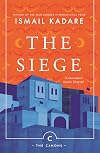
The Siege
by Ismaïl Kadaré
On This Page
Description
The story of the siege of a Christian citadel in the Albanian mountains by the Ottoman Army in the 15th century.Tags
Recommendations
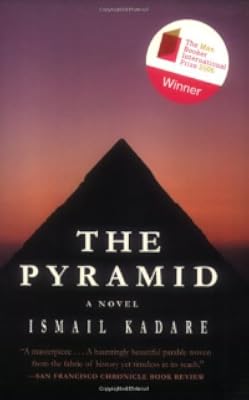
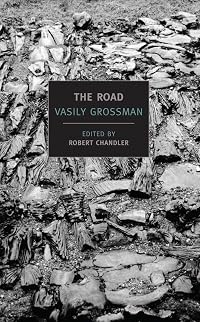
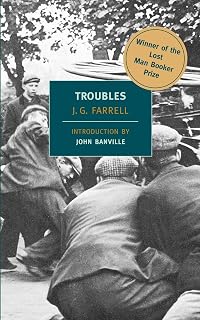

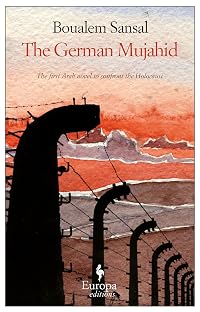






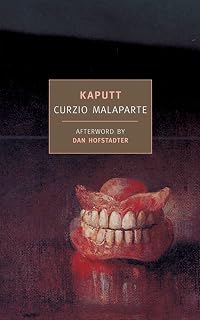
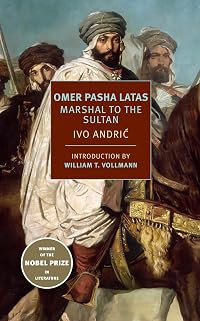
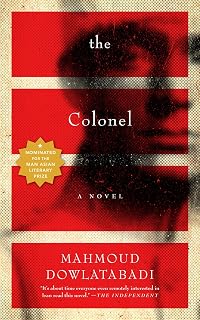
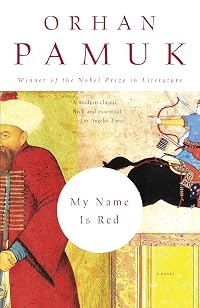




Member Recommendations
Member Reviews
This is the first thing I’ve read by Kadare, but it will not be the last. This is a novel to be enjoyed on a number of levels.
It is, first, a wonderful description of an Ottoman army of tens of thousands of men besieging an Albanian fortress in the early part of the fifteenth century. The Pasha looks out on his army as it settles in: “He could see the different corps of the army laid out according to the plan that had been agreed….he could see the snow-white flags of the janissaries, and the copper cauldron they hung on top of a tall pole, the raiders, or akinxhis, were taking their horses to drink in the nearby stream. Further on lay the endless tents of the azabs, as the infantry units were called; beyond them were the tents of show more the eshkinxhis, the cavalry recruited for this campaign; then, further on still, the tents of the swordsmen known as dalkilc, then the quarters of the serden gecti, the soldiers of death, then the musluman or Muslim troops, and the prettier abodes of the sipahi, the regular cavalry. Spread out behind them were the Kurdish units, then the Persians, the Tartars, the Caucasians,and the Kalmyks, and, even further off, where the commander’s eye could no longer make out any clear shapes, there must have been the motley horde of the irregular volunteers, the exact number of whom was known to no man.” The battle scenes around various attempts to storm the fortress are very well done, you can hear the roar of cannon, the clash of steel, the clouds of arrows from both sides, the cries of men fighting, striving, straining, dying, you can feel the heat, the fear, the madness, the terror of men buried alive in a collapsed tunnel, you can smell the smoke, the sweat, the odor of burning flesh. Thus does Kadare describe the last, failed attempt to breach the fortress:
“Arrows rained down even more thickly. But the Pasha did not move away from the wall. Once again he cantered alongside the wall at whose foot what people call a “war” was taking place. On this occasion, it took the form of a human mass rising from below towards another mass of men overhead. Unseen like a demon behind a screen of smoke given off by pitch, the latter was doing all it could to prevent the former from climbing up. It was hitting it without mercy, setting it on fire, burning it to a cinder, chopping off hundreds of its arms and legs. But the rising mass did not falter or turn back. It went on rising, rung after rung, slipping on its own blood, clinging by its nails to the stone, and when its limbs were cut off, it instantly grew hundreds of new feet and new hands that sought only to go on going up and up…”
Life for the vast majority of the soldiers is short and hard and cheap, death comes quickly or slowly and painfully, but it is always imminent, it defines life more than life itself. And yet, all this hardship, all this struggle, all this sacrifice is ephemeral. As the chronicler notes: “To cap it all, these pages [of his chronicle] would also be the sole remnants of the myriad tents which, when they were dismantled, as they would be in a few weeks’ time, would leave thousands of marks on a wide empty space, looking as if it had been trampled by a huge herd of bizarre animals. Then, next spring, grass would grow on the plain: millions of blades of grass, utterly indifferent to what had gone on there, with no knowledge of all that can happen in this world.”
Largely through the personalities that lead them, Kadare describes the various structures of this huge army, the religious leader who strains against the Pasha’s military authority, the secret police who report daily on morale and who unearth and execute spies or at least those who fit the bill, the engineer who casts the cannons on the spot, the sappers, the infantry captains, the architect who directs the cannonading for maximum effect on the structure, the astrologer who foretells omens and pays with his life for wrong ones, the chronicler. A large cast of characters is drawn but we follow only a few in detail through the novel: the Pasha, the Quartermaster General, and the chronicler.
On another level, lest anyone think things have changed very much over six centuries, this novel depicts how people (men in this context) come together to pursue a grand vision or a grand enterprise in which necessary collaboration is tinged with all the strengths and weaknesses of individuals beset by ambition and fear of failure, petty jealousies, and struggles for power, acclaim and status. There is also the age-old struggle of tradition against modernity, personalized by the Mufti who believes men will fight harder with the proper religious fervor and control and who believes in omens and soothsayers versus the engineer who casts his cannons on the spot and puts his faith in the mathematics of trajectories that will smash cannon balls against the fortress or drop mortars over its walls.
There are other echoes too, when one thinks of the context of this novel written by an Albanian in 1969-1970 when Albania was still tightly in the grip of a communist regime. This is a novel about Albanian endurance and victory over an alien force despite seemingly overwhelming odds for the other side. The not-so-petty jealousies, the sense of sharks ready to regroup at any scent of blood, the secret police, the show trials, the unwarranted executions, the tension between the secular and the religious authorities (like the Soviet generals versus the commissars), all of these things would have resonated for people living under a communist regime. Most important in the position taken by the Quartermaster General who is a philosopher given to expounding on themes that terrify the poor chronicler in a world where challenging orthodoxy usually leads to a swift death, particularly the QG’s musings on the soul of a nation:
“We slave away down here spreading death and desolation, but the real fight is going on up there….You cannot call a country conquered until you have conquered its Heaven….Because just as folk hide their treasures in places that are hard to get at, so peoples and nations store their most precious assets in the heavens-----their divinities, their faith, all that they hold to be sublime and that nothing can alter…. things of a higher order, things that transcend the limits of human life, things that are sometimes roughly called apparitions, in a word, everything that has to do with the soul. One day or another we’ll take possession of their castles; we’re sure to overcome them in the end. But that won’t be enough. In the final analysis they’re just heaps of stones that can be taken from us in the same way we will take them ourselves. But victory in war is something altogether different….”
One little quibble: this is a double translation, i.e. from Albanian to French to English, and while I think the English is, for the most part very good, I doubt that a 15th century anyone would use the word, "metaform". show less
It is, first, a wonderful description of an Ottoman army of tens of thousands of men besieging an Albanian fortress in the early part of the fifteenth century. The Pasha looks out on his army as it settles in: “He could see the different corps of the army laid out according to the plan that had been agreed….he could see the snow-white flags of the janissaries, and the copper cauldron they hung on top of a tall pole, the raiders, or akinxhis, were taking their horses to drink in the nearby stream. Further on lay the endless tents of the azabs, as the infantry units were called; beyond them were the tents of show more the eshkinxhis, the cavalry recruited for this campaign; then, further on still, the tents of the swordsmen known as dalkilc, then the quarters of the serden gecti, the soldiers of death, then the musluman or Muslim troops, and the prettier abodes of the sipahi, the regular cavalry. Spread out behind them were the Kurdish units, then the Persians, the Tartars, the Caucasians,and the Kalmyks, and, even further off, where the commander’s eye could no longer make out any clear shapes, there must have been the motley horde of the irregular volunteers, the exact number of whom was known to no man.” The battle scenes around various attempts to storm the fortress are very well done, you can hear the roar of cannon, the clash of steel, the clouds of arrows from both sides, the cries of men fighting, striving, straining, dying, you can feel the heat, the fear, the madness, the terror of men buried alive in a collapsed tunnel, you can smell the smoke, the sweat, the odor of burning flesh. Thus does Kadare describe the last, failed attempt to breach the fortress:
“Arrows rained down even more thickly. But the Pasha did not move away from the wall. Once again he cantered alongside the wall at whose foot what people call a “war” was taking place. On this occasion, it took the form of a human mass rising from below towards another mass of men overhead. Unseen like a demon behind a screen of smoke given off by pitch, the latter was doing all it could to prevent the former from climbing up. It was hitting it without mercy, setting it on fire, burning it to a cinder, chopping off hundreds of its arms and legs. But the rising mass did not falter or turn back. It went on rising, rung after rung, slipping on its own blood, clinging by its nails to the stone, and when its limbs were cut off, it instantly grew hundreds of new feet and new hands that sought only to go on going up and up…”
Life for the vast majority of the soldiers is short and hard and cheap, death comes quickly or slowly and painfully, but it is always imminent, it defines life more than life itself. And yet, all this hardship, all this struggle, all this sacrifice is ephemeral. As the chronicler notes: “To cap it all, these pages [of his chronicle] would also be the sole remnants of the myriad tents which, when they were dismantled, as they would be in a few weeks’ time, would leave thousands of marks on a wide empty space, looking as if it had been trampled by a huge herd of bizarre animals. Then, next spring, grass would grow on the plain: millions of blades of grass, utterly indifferent to what had gone on there, with no knowledge of all that can happen in this world.”
Largely through the personalities that lead them, Kadare describes the various structures of this huge army, the religious leader who strains against the Pasha’s military authority, the secret police who report daily on morale and who unearth and execute spies or at least those who fit the bill, the engineer who casts the cannons on the spot, the sappers, the infantry captains, the architect who directs the cannonading for maximum effect on the structure, the astrologer who foretells omens and pays with his life for wrong ones, the chronicler. A large cast of characters is drawn but we follow only a few in detail through the novel: the Pasha, the Quartermaster General, and the chronicler.
On another level, lest anyone think things have changed very much over six centuries, this novel depicts how people (men in this context) come together to pursue a grand vision or a grand enterprise in which necessary collaboration is tinged with all the strengths and weaknesses of individuals beset by ambition and fear of failure, petty jealousies, and struggles for power, acclaim and status. There is also the age-old struggle of tradition against modernity, personalized by the Mufti who believes men will fight harder with the proper religious fervor and control and who believes in omens and soothsayers versus the engineer who casts his cannons on the spot and puts his faith in the mathematics of trajectories that will smash cannon balls against the fortress or drop mortars over its walls.
There are other echoes too, when one thinks of the context of this novel written by an Albanian in 1969-1970 when Albania was still tightly in the grip of a communist regime. This is a novel about Albanian endurance and victory over an alien force despite seemingly overwhelming odds for the other side. The not-so-petty jealousies, the sense of sharks ready to regroup at any scent of blood, the secret police, the show trials, the unwarranted executions, the tension between the secular and the religious authorities (like the Soviet generals versus the commissars), all of these things would have resonated for people living under a communist regime. Most important in the position taken by the Quartermaster General who is a philosopher given to expounding on themes that terrify the poor chronicler in a world where challenging orthodoxy usually leads to a swift death, particularly the QG’s musings on the soul of a nation:
“We slave away down here spreading death and desolation, but the real fight is going on up there….You cannot call a country conquered until you have conquered its Heaven….Because just as folk hide their treasures in places that are hard to get at, so peoples and nations store their most precious assets in the heavens-----their divinities, their faith, all that they hold to be sublime and that nothing can alter…. things of a higher order, things that transcend the limits of human life, things that are sometimes roughly called apparitions, in a word, everything that has to do with the soul. One day or another we’ll take possession of their castles; we’re sure to overcome them in the end. But that won’t be enough. In the final analysis they’re just heaps of stones that can be taken from us in the same way we will take them ourselves. But victory in war is something altogether different….”
One little quibble: this is a double translation, i.e. from Albanian to French to English, and while I think the English is, for the most part very good, I doubt that a 15th century anyone would use the word, "metaform". show less
Kadare used his knowledge of the 1475 siege in Albania to write The Siege. It is not a factual nonfiction; not of actual events, but rather a retelling of war in general yet horrible terms; what any siege would sound, look, smell and even taste like. Using an army chronicler named Melva Celebi to tell the tale from the Turks' (attackers) side of the siege, he described the actions of the janissaries, tumbrels, doctor, poet, astrologer, sultan, dervishes, architect, engineer, sappers, and wives. The alternating yet brief chapters were told from the perspective of the Albanians as they defended their citadel. Occasionally, the wives or prostitutes spoke of their perception of war.
Back to the plot: the attackers tried to breach the show more citadel walls with little success. First, a flurry of man to man combat. When that failed, their next move was to try to dig a tunnel up under the citadel. That also failed. Next the attackers tried to shut off the citadel's main source of water. It was this tactic I found most disturbing. In order to know if the lack of water was affecting the besieged, the attackers needed a live Albanian to dissect to analyze his organs. This victim would signal if the enemy was weakened by dehydration. Not wanting to wait for the lack of water to take effect, the attackers then tried a new cannon which backfired (pun totally intended). The Turks' final assault was to release diseased animals into the castle in hopes of poisoning the Albanians. Each attack was more frenzied than the one before while the besieged practiced stoic resilience.
In The Siege Kadare captured the utter gruesomeness of war: the chaos of men and horses screaming in pain, the slipperiness of blood and gore, the din of weaponry booming, the choking smoke, and stench of death everywhere. There is one striking scene when the chronicle and astrologer are observing a dead man's face reflected in a shiny pool of oil, soon to be incinerated by the encroaching flames. This image will stay with me for a very long time. Kadare also describes the strategy of war: rations are running low. The attackers know they need another battle to lessen their numbers by 3-4 thousand men as a way to stretch supplies. show less
Back to the plot: the attackers tried to breach the show more citadel walls with little success. First, a flurry of man to man combat. When that failed, their next move was to try to dig a tunnel up under the citadel. That also failed. Next the attackers tried to shut off the citadel's main source of water. It was this tactic I found most disturbing. In order to know if the lack of water was affecting the besieged, the attackers needed a live Albanian to dissect to analyze his organs. This victim would signal if the enemy was weakened by dehydration. Not wanting to wait for the lack of water to take effect, the attackers then tried a new cannon which backfired (pun totally intended). The Turks' final assault was to release diseased animals into the castle in hopes of poisoning the Albanians. Each attack was more frenzied than the one before while the besieged practiced stoic resilience.
In The Siege Kadare captured the utter gruesomeness of war: the chaos of men and horses screaming in pain, the slipperiness of blood and gore, the din of weaponry booming, the choking smoke, and stench of death everywhere. There is one striking scene when the chronicle and astrologer are observing a dead man's face reflected in a shiny pool of oil, soon to be incinerated by the encroaching flames. This image will stay with me for a very long time. Kadare also describes the strategy of war: rations are running low. The attackers know they need another battle to lessen their numbers by 3-4 thousand men as a way to stretch supplies. show less
This is a fictionalized account of an attack of the Ottoman Empire upon the Albanians. The book is written in such a manner that the chapters are mostly from the Ottoman perspective, but at the close of every chapter are two italicized pages from the Albanian perspective. These Albanian pages are almost poetic because they are so beautifully written and translated. I'm not particularly fond of war stories, but this one was extremely well-written.
I read this one and The Siege of Krishnapur J. G. Farrell within a short time frame, and they complement each other well. There the focus is on the besieged, here the focus is on those besieging. There the subject is tackled focusing on the material experience, here more symbolic and historical/spiritual lenses are used. I highly recommend reading the two together to see how two authors tackle the same subject in vastly different ways.
If you can only read one, though, this is the better of the two. Kadare is always a fine stylist of prose, and the vivid depictions of the siege from both perspectives is some good work. Also, the historical import and the message he hints at in the symbols of his book mean that this is more than just a show more siege story. It's an age in a nutshell. Not my favorite Kadare, but a solid book. show less
If you can only read one, though, this is the better of the two. Kadare is always a fine stylist of prose, and the vivid depictions of the siege from both perspectives is some good work. Also, the historical import and the message he hints at in the symbols of his book mean that this is more than just a show more siege story. It's an age in a nutshell. Not my favorite Kadare, but a solid book. show less
Des remparts ensanglantés que des dizaines de milliers d'hommes tentent, malgré tout, d'escalader; un commandant en chef, dont le sort est dramatiquement lié à la prise de ces murs; une angoisse constante, sous un soleil torride. Les événements se déroulent au XVe siècle. Laplace assiégée est une citadelle albanaise. Elle évoque parfois Troie, avec ce cheval assoiffé, vivant cette fois, qui tournoie autour d'elle. Et elle rappelle à plus forte raison l'Albanie moderne des années 60, que les pays socialistes soumirent à un blocus implacable. Précise comme un procès-verbal, cette chronique impitoyable d'une succession de journées gorgées de chaleur, de cruauté et de mort, vous introduit lentement dans son angoisse, une show more angoisse étrange, pleine de soleil et d'une aveuglante lumière. show less
Në romanin "Kështjella" Ismail Kadare kthen sytë nga mesjeta shqiptare. Në dukje i distancuar dhe i paanshëm, ai rrok veprimet për rrethimin e një kështjelle shqiptare nga një ushtri turke prej shtatëdhjetë mijë vetash në formën e një romani historik. Rrëfimi bëhet nga perspektiva e rrethuesve osmanë, çadrat e bardha të të cilëve e kanë kthyer mjedisin përreth kështjellës në një peizazh dimëror.
I really enjoyed The Siege. This novel was about a Turkish siege of an unnamed Albanian citadel. It was told mainly from the point of view of the Turks - each chapter had a short (~page and a half) piece on what it was like for Albanians, but the bulk of the book told the story of the Turkish army laying siege. We hear from the commander-in-chief, his quartermaster general, the chronicler, the architect, the engineer, some of the soldiers, even some of the wives that the commander-in-chief brought along. I'm not exactly into war books, but I really liked the descriptions of the different military units and how the siege was executed. I may need to expand my reading horizons into this area!
Members
- Recently Added By
Lists

Best Historical Fiction
620 works; 261 members
Author Information

180+ Works 7,870 Members
Ismail Kadare is the most prominent of contemporary Albanian writers. He has written poetry, short stories, literary criticism, and seven novels. His works have been translated and published in more than two dozen countries. An internationally known figure, he has visited and lectured in many countries. He was also a representative to Albania's show more People's Assembly. In 1990 Kadare left Albania for Paris where he became openly dissident. (Bowker Author Biography) show less
Some Editions
Awards and Honors
Awards
Series
Belongs to Publisher Series
TEAdue [TEA] (150)
Gallimard, Folio (1142)
Common Knowledge
- Canonical title
- The Siege
- Original title
- Kështjella
- Alternate titles
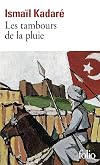
- The Castle; Les Tambours de la Pluie
- Original publication date
- 1970 (original Albanian) (original Albanian); 1972, 1ère éd. française; 1981, 1. ed. italiana (tradotta dal francese) (tradotta dal francese); 2008 (English translation) (English translation)
- Important places
- Albania
- First words
- As winter fell away and the Sultan's envoys departed, we realised that war was our ineluctable fate.
In 1968 Soviet tanks overwhelmed Czechoslovakia and put down the liberal government of Alexander Dubcek. (Afterword) - Quotations*
- Cominciò a piovere il 13 settembre, all’alba. Mi accingevo a ordinare il cambio delle sentinelle quando le prime gocce punteggiarono il suolo.
Spuntava il giorno. Avrei voluto far suonare la diana, ma ci rinunciai, p... (show all)ensando che gli uomini erano spossati dagli sforzi del giorno prima. Mi appoggiai a una grossa pietra del parapetto e rimasi così, immobile, per un po’. Sotto l’azione dell’acqua le pietre insanguinate (non avevamo acqua per lavarne il sangue) esalavano in vapore il caldo accumulato durante la giornata. Sembravano vive e avevo l’impressione che stessero per muoversi e respirare.
In una qualche parte del cuore dell’accampamento rullavano i tamburi della pioggia. I soldati ricoprivano gli equipaggiamenti. Il loro campo, con le mille e mille macchie che vi formano le tende, coi suoi stendardi, con le sue insegne e i suoi emblemi di metallo, appariva stranamente lugubre in quel mattino d’autunno. Eccolo, dunque, il più grande esercito del nostro tempo. È ai nostri piedi, a inzupparsi di pioggia. Quelli che vivranno più tardi su questo suolo capiranno che non ci è stato facile ergerci, per questa lotta gigantesca, contro il più temibile mostro della nostra epoca. A essi non lasceremo in eredità né statue né colonne imponenti. Non abbiamo avuto il tempo di costruirne e, con molta probabilità, non avremo il tempo di farlo neppure nei momenti di requie fra l’una e l’altra delle bufere che ancora ci aspettano. In loro luogo, lasciamo queste pesanti pietre delle nostre mura, che la pioggia delle battaglie va bagnando in questo grigio mattino.
Sembra che la prima stagione di guerra volga al termine. Altre ci attendono. Le nuvole si accalcano nel nostro cielo, nel nostro grande cielo. - Last words
- (Click to show. Warning: May contain spoilers.)The carriage went on rolling through the rain.
(Click to show. Warning: May contain spoilers.)It is an anti-historical one. (Afterword) - Original language
- Albanian
*Some information comes from Common Knowledge in other languages. Click "Edit" for more information.
Classifications
- Genres
- Fiction and Literature, General Fiction, Historical Fiction
- DDC/MDS
- 891.9913 — Literature & rhetoric Literatures of other languages East Indo-European and Celtic literatures Baltic and other Indo-European languages Other Indo-European languages Albanian Albanian fiction
- LCC
- PG9621 .K3 .K413 — Language and Literature Slavic languages and literatures. Baltic languages. Albanian language Slavic. Baltic. Albanian Albanian
- BISAC
Statistics
- Members
- 495
- Popularity
- 61,132
- Reviews
- 18
- Rating
- (3.93)
- Languages
- 9 — Albanian, Dutch, English, French, German, Hungarian, Italian, Portuguese, Spanish
- Media
- Paper, Audiobook, Ebook
- ISBNs
- 34
- ASINs
- 5