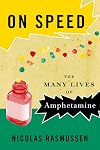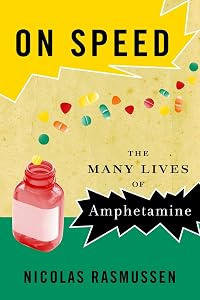
On Speed: The Many Lives of Amphetamine
by Nicolas Rasmussen
On This Page
Description
Life in the Fast Lane: The author on the CHE. Uppers. Crank. Bennies. Dexies. Greenies. Black Beauties. Purple Hearts. Crystal. Ice. And, of course, Speed. Whatever their street names at the moment, amphetamines have been an insistent force in American life since they were marketed as the original antidepressants in the 1930's. On Speed tells the remarkable story of their rise, their fall, and their surprising resurgence. Along the way, it discusses the influence of pharmaceutical marketing show more on medicine, the evolving scientific understanding of how the human brain works, the role of drugs show lessTags
Recommendations



















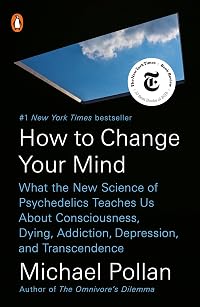














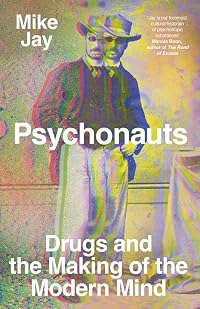










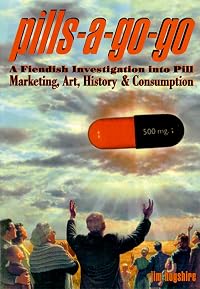

Member Reviews
On Speed is a comprehensive, if sometimes problematic history of amphetamines. Rasmussen does yoeman's work, tracing the history of amphetamines from a minor decongestant in the 1930s, to a military enhancement medicine in the 1940s, to widespread prescription as an antidepressant and diet drug in the 50s, it's role in the Beat and Hippie subcultures, and eventual prohibition in the 1970s after a series of 'speed kills' campaigns. Rasmussen's historical record of people, discoveries, new usages for old substances, drug production and legislative events is a great source for anybody working on related problems. The section on military use of amphetamines in WW2, and the way that speed hollowed out Haight-Ashbury were particularly show more interesting.
Unfortunately, he is on less solid ground when talking about the social effects of amphetamines, particularly the recent (1990 onwards) explosion of illegal methamphetamine and the exponential increase in ADHD diagnoses. Rasmussen takes the standpoint that the psychological effects of amphetamines are mostly an increase in self-confidence, well-being, and energy, and that addiction and psychosis is a nearly inevitable result of exposure to amphetamines. This is a common opinion, and not necessarily wrong, but a more reflexive examination of the topic might postulate the reality of both benefits and harms, instead of a knee-jerk pharmacological puritanism. Similarly, the 'scientific idea' of amphetamine, in terms of its functioning, gets short shrift, being described mostly in the economic terms of drug development.
On the whole, however, this is an invaluable and well-researched historical book. My political disagreements with Rasmussen cannot detract from his scholarly accomplishments. show less
Unfortunately, he is on less solid ground when talking about the social effects of amphetamines, particularly the recent (1990 onwards) explosion of illegal methamphetamine and the exponential increase in ADHD diagnoses. Rasmussen takes the standpoint that the psychological effects of amphetamines are mostly an increase in self-confidence, well-being, and energy, and that addiction and psychosis is a nearly inevitable result of exposure to amphetamines. This is a common opinion, and not necessarily wrong, but a more reflexive examination of the topic might postulate the reality of both benefits and harms, instead of a knee-jerk pharmacological puritanism. Similarly, the 'scientific idea' of amphetamine, in terms of its functioning, gets short shrift, being described mostly in the economic terms of drug development.
On the whole, however, this is an invaluable and well-researched historical book. My political disagreements with Rasmussen cannot detract from his scholarly accomplishments. show less
Ratings
Members
- Recently Added By
Author Information
4 Works 98 Members
Nicolas Rasmussen is Associate Professor in History and Philosophy of Science at the University of New South Wales in Sydney, Australia. He is the author of Picture Control: The Electron Microscope and the Transformation of Biology in America. 1940-1960.
Classifications
Statistics
- Members
- 66
- Popularity
- 471,994
- Reviews
- 1
- Rating
- (3.67)
- Languages
- English
- Media
- Paper, Ebook
- ISBNs
- 4
- ASINs
- 3