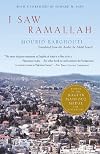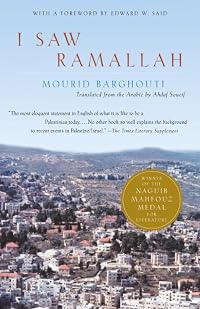
I Saw Ramallah
by Mourid Barghouti
On This Page
Description
Barred from his homeland after 1967's Six-Day War, the poet Mourid Barghouti spent thirty years in exile, shuttling among the world's cities, yet secure in none of them; separated from his family for years at a time; never certain whether he was a visitor, a refugee, a citizen, or a guest. As he returns home for the first time since the Israeli occupation, Barghouti crosses a wooden bridge over the Jordan River into Ramallah and is unable to recognize the city of his youth. Sifting through show more memories of the old Palestine as they come up against what he now encounters in this mere "idea of Palestine", he discovers what it means to be deprived not only of a homeland but of "the habitual place and status of a person." A tour de force of memory and reflection, lamentation and resilience, I saw Ramallah is a deeply humane book, essential to any balanced understanding of today's Middle East. show lessTags
Recommendations
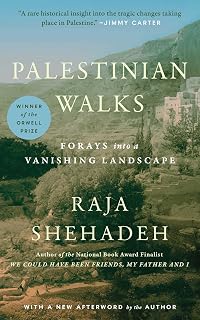
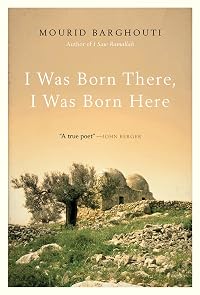
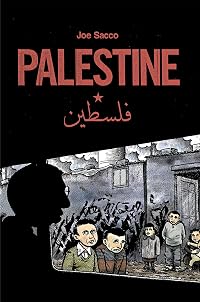
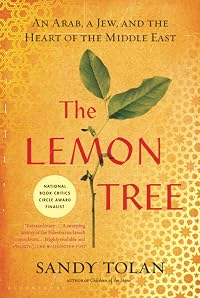
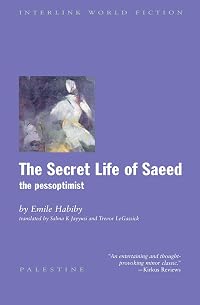
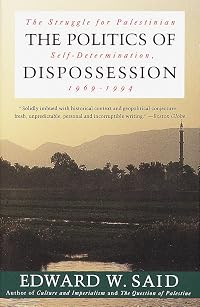
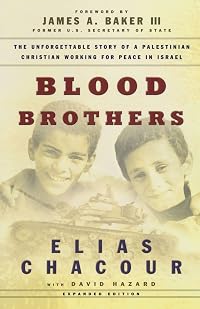
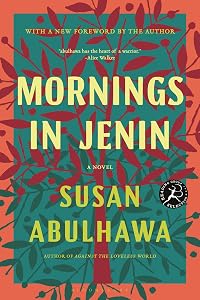
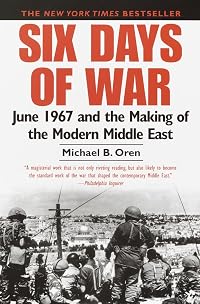
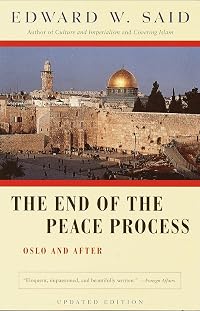
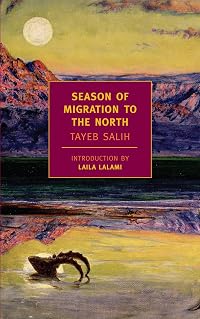
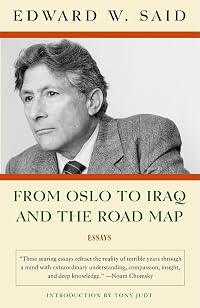
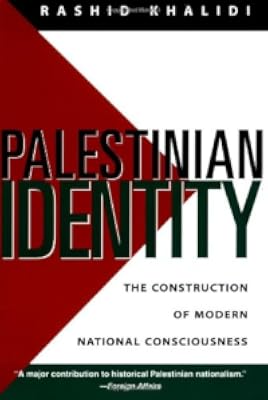
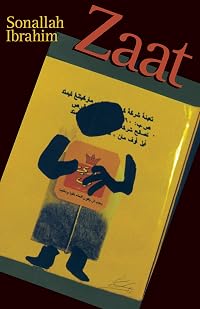
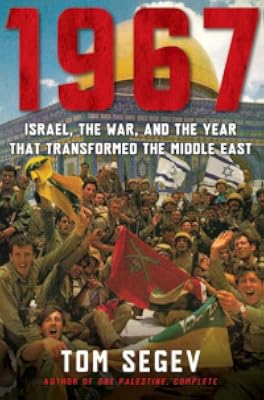
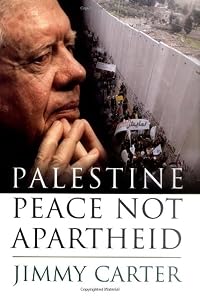
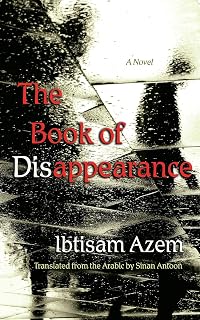
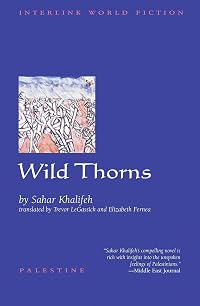
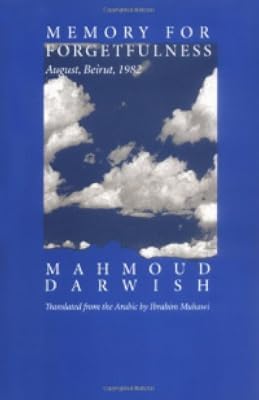
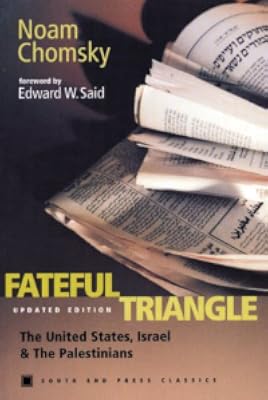
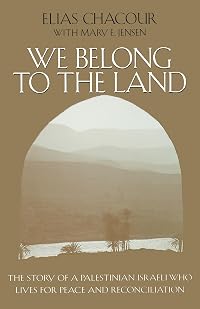


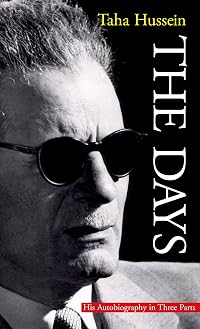
Member Recommendations
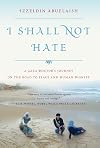
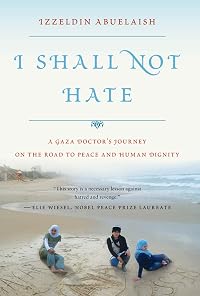
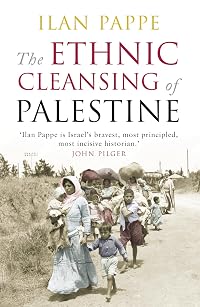
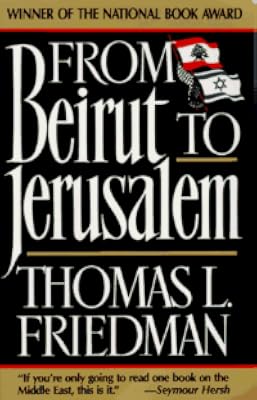
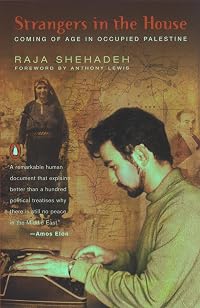
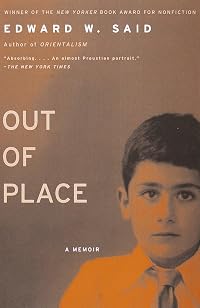
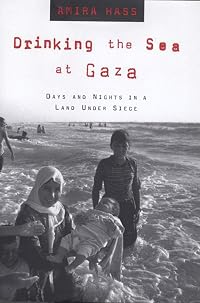
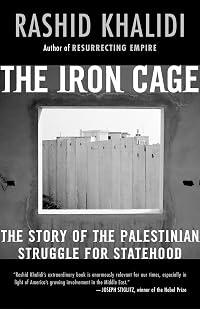
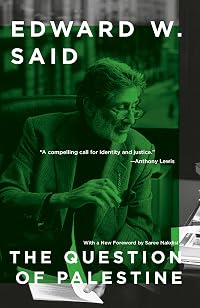
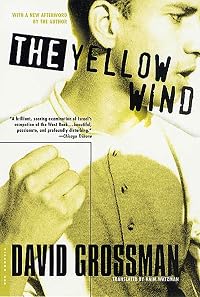
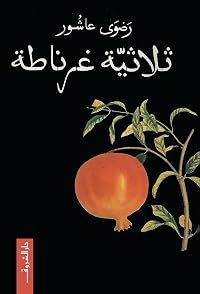
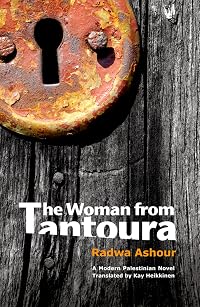
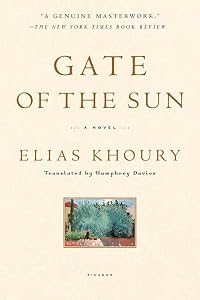
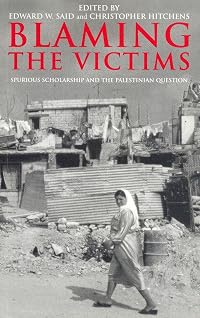
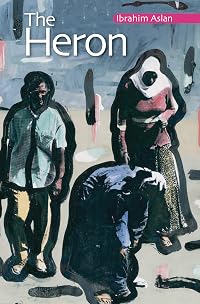
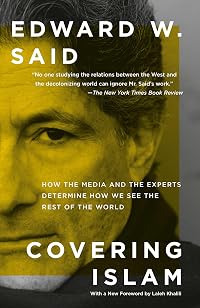
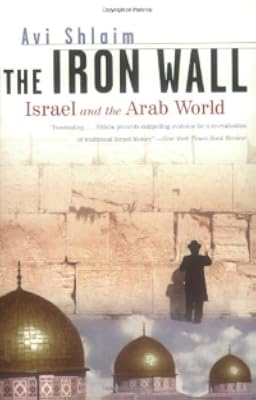
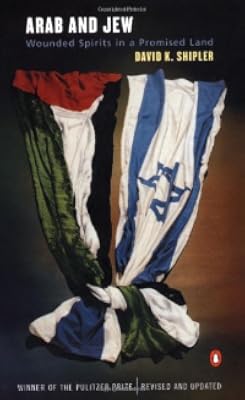
I Shall Not Hate: A Gaza Doctor's Journey on the Road to Peace and Human Dignity by Izzeldin Abuelaish
SqueakyChu Another moving memoir by a Palestinian, a doctor whose home is in Gaza
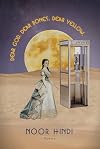
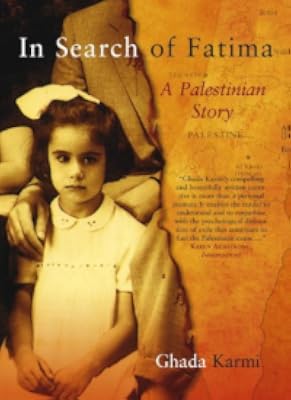
susanbooks 1 book is prose by a Palestinian poet, the other poetry and prose poems by a Palestinian American. Both are passionate, infuriating, heartbreaking
Member Reviews
“It is always the same problem: the problem of stitching two times together. It cannot be done. Time is not a length of calico. Time is a mist that never stops moving.”
This is a moving, devastating and lyrical book about Palestinian dispossession. After thirty years of being barred entry and exiled from his hometown of Ramallah by the Israeli state, the writer Mourid Barghouti finally goes home and this book (as the title suggests) is a result of the experience. The importance of this book as a chronicle to a decades long, and still ongoing, occupation of Palestine by Israel, and all the suffering that has wrought, and continues—while Israel persists with its massacring, aided and abetted by world powers. It's an elegy to the show more losses suffered as a result: to the dead, to the Palestinian families scattered and separated all over the world by this violence, and to Palestinians living in the occupation. It's a beautiful and important book. show less
This is a moving, devastating and lyrical book about Palestinian dispossession. After thirty years of being barred entry and exiled from his hometown of Ramallah by the Israeli state, the writer Mourid Barghouti finally goes home and this book (as the title suggests) is a result of the experience. The importance of this book as a chronicle to a decades long, and still ongoing, occupation of Palestine by Israel, and all the suffering that has wrought, and continues—while Israel persists with its massacring, aided and abetted by world powers. It's an elegy to the show more losses suffered as a result: to the dead, to the Palestinian families scattered and separated all over the world by this violence, and to Palestinians living in the occupation. It's a beautiful and important book. show less
Phew! Here is a book that forces me as a Jew to experience what it feels like to be a Palestinian Arab. Not the Palestinian that throws rocks, but the poet who simply lives his life in a small village, only to have his home and life shattered by attending college in another country and then losing his right to return - not only to his home but to his homeland. He becomes an outcast in whatever country he visits or resides because he is a refugee.
This was a tough read for me, but it gave me a better understanding of how Palestinian Arabs turned into the people they have become today. I never think of Israelis as occupiers, yet to those who lost their homes in 1948 and fled to other countries with no right of return, that's what they show more are.
What was missing from this book, I think, were ideas for where we should go from here. I liked the poetic voice of this author and would like to hear more from him. I have no idea where he is living now, but I will be sure to follow his path.
There is one poem in this book that I particularly liked which begins "She wants to go to a planet away from the earth...". It talks about how a mother always wants her children to return. I can really identify with that. Arabs and Jews...they're alike in so many ways. The first step in resolving our differences is to listen to one another. Painful as this book was for me to read, I suggest that others also give this book a chance. show less
This was a tough read for me, but it gave me a better understanding of how Palestinian Arabs turned into the people they have become today. I never think of Israelis as occupiers, yet to those who lost their homes in 1948 and fled to other countries with no right of return, that's what they show more are.
What was missing from this book, I think, were ideas for where we should go from here. I liked the poetic voice of this author and would like to hear more from him. I have no idea where he is living now, but I will be sure to follow his path.
There is one poem in this book that I particularly liked which begins "She wants to go to a planet away from the earth...". It talks about how a mother always wants her children to return. I can really identify with that. Arabs and Jews...they're alike in so many ways. The first step in resolving our differences is to listen to one another. Painful as this book was for me to read, I suggest that others also give this book a chance. show less
This is an absolutely beautiful book. Poetic, of course. And also, vulnerable and intimate. His self-awareness of the pain in returning to Palestine after 30 years of exile is profound and expressed in a very accessible way. This very personal story lends insight into a historical event that reverberates today.
This is both a factual (if far from impartial) account of the recent history of Palestine, and an intensely personal account of exile. The former was interesting, but it was the latter that made the book for me, and succeeded in making me see the very human consequences of the political circumstances we're all familiar with. The pain of exile and displacement, the longing to return, are eloquently, beautifully expressed, and I found these parts incredibly moving. Instead of giving lengthy explanations, Barghouti shines his poet's light on small details, his minimal descriptions of which speak volumes of the pain and loneliness of exile. I found this particularly effective.
One fly in the ointment - I'm a big fan of Ahdaf Soueif's own show more work, but she's not quite so assured as a translator. There are some awkward turns of phrase which jarred with the otherwise flowing lyricism, and which made it hard for me to forget that I wasn't reading the original. show less
One fly in the ointment - I'm a big fan of Ahdaf Soueif's own show more work, but she's not quite so assured as a translator. There are some awkward turns of phrase which jarred with the otherwise flowing lyricism, and which made it hard for me to forget that I wasn't reading the original. show less
ان يشاركك صديق قراءة كتاب او نزهة في طريق شئ لن تعرفه الا اذا حٌرمت من الاصدقاء
وإن اصدق الكلمات التي تعلم بها قيمة الوطن ممن فقد وطنه وهويّته
الكتاب ليس رواية , بنظري هو توثيق لمشاعر وافكار فسلطيني
كيف يعيش ويفكر ويتصرف من سرقت هويّته ووطنه وارضه وأٌجبر علي الشتات
وإن اصدق الكلمات التي تعلم بها قيمة الوطن ممن فقد وطنه وهويّته
الكتاب ليس رواية , بنظري هو توثيق لمشاعر وافكار فسلطيني
كيف يعيش ويفكر ويتصرف من سرقت هويّته ووطنه وارضه وأٌجبر علي الشتات
" His prose, even in translation, is ethereally poetic and his simple phrasing allows for ideas to hit hard. His struggle with exile and his sorrow for what he was forced to leave behind is almost palpable."
read more: http://likeiamfeasting.blogspot.com/2013/01/i-saw-ramallah-mourid-barghouti.html
read more: http://likeiamfeasting.blogspot.com/2013/01/i-saw-ramallah-mourid-barghouti.html
A poets view of forced exile and his experience as a member of the Palestinian diaspora. His return home is full of joy, anger and sadness. After spending time in the Middle East, this personal story proved even more affecting.
Members
- Recently Added By
Lists

Maybe This Year? Books to Look Forward To
412 works; 9 members

Decolonize Palestine's Reading List
126 works; 3 members

Books Read in 2024
4,727 works; 128 members

Arab and Arab Diaspora Literature We Recommend
112 works; 53 members

The 10 Best Arabic Novels Ever
10 works; 1 member

Books That Changed Our Perspective
423 works; 168 members
Author Information

20+ Works 437 Members
Some Editions
Awards and Honors
Common Knowledge
- Canonical title
- I Saw Ramallah
- Original publication date
- 1997 (ara) (ara); 2000 (eng) (eng)
- Important places
- Ramallah, Palestine
- First words
- It is very hot on the bridge.
- Last words
- (Click to show. Warning: May contain spoilers.)Tonight, with everyone in the house asleep and morning about to break, I ask a question that the days have never answered:
What deprives the spirit of its colors?
What is it other than the bullets of the invaders that have hit the body? - Original language
- Arabic
Classifications
- Genre
- Biography & Memoir
- DDC/MDS
- 892.7 — Literature & rhetoric Literatures of other languages Afro-Asiatic literatures Arabic (Egypt, Lebanon, Palestine, Saudi Arabia, Sudan)
- LCC
- PJ7816 .A682 .R3313 — Language and Literature Oriental languages and literatures Oriental philology and literature Arabic Arabic literature Individual authors or works
- BISAC
Statistics
- Members
- 362
- Popularity
- 87,358
- Reviews
- 10
- Rating
- (4.05)
- Languages
- Arabic, English, Indonesian
- Media
- Paper, Ebook
- ISBNs
- 13
- ASINs
- 3