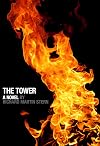
The Tower
by Richard Martin Stern
On This Page
Description
This is the incredible suspense novel that inspired the famous movie The Towering Inferno staring Paul Newman, Steve McQueen, Faye Dunaway and William Holden. The World Communications Center is a glittering skyscraper that is fatally flawed in its design, compromised through dubious means. On opening night the building's systems fail spectacularly and the structure descends into violence and chaos, trapping the VIP guests of a gala opening celebration. It is up to the assembled governors and show more mayors, millionaires, government officials and ambassadors to find common cause if they are ever to survive the tower. Master storyteller Richard Martin Stern has crafted a six-hour thrill ride that leaves adrenal glands empty and jaws unhinged – The Tower is a suspense classic that is not easily forgotten. Suspense. Fiction. show lessTags
Recommendations
























Member Reviews
What an experience! This book starts slow, gradually building tension all the way until the final pages. I didn't like it at first because I didn't like many of the characters. Even Nat, the cowboy junior architect who is the closest thing this book has to a traditional hero, really got on my nerves. However, as the disaster worsens, several of the characters do some serious soul-searching, and they even grow a little bit. Those parts were fascinating. By the end, I was completely invested in these characters. I think it's gutsy of Stern that even the traditional "hero" is able to admit in this story that he hasn't been a very good husband. I think it's wonderful that the characters are flawed. It was fascinating to see which characters show more collapsed under pressure, and which ones grew stronger.
The bad:
• It's a bit preachy.
• Some parts didn't age well. I wouldn't mind 70's references or music or slang, but the characters’ internal thoughts on "women's lib" got to be a bit tedious, especially since the feminist movement, as shown here, seems so far removed from anything I know, and few of the characters took it seriously.
• The writing style took some getting used to; it's a bit more over-the-top than a modern book would be. The building on fire is compared to a living “breathing” thing, with a steel "skeleton" and shiny "skin," and it's “in torment” from the fire. This sort of flowery prose is not an approach that I see all that often, and it might be off-putting for some.
• Over too soon. It ended very abruptly, and the epilogue didn't help much.
• The characters' names! Oh. My. Goodness. Okay, be prepared to be confused. There's the commissioner, the assistant commissioner, the fire chief, some other firemen, some guy who may outrank the chief (the commissioner? maybe?), the architect, the junior architect, the contractor, the sub-contractor, the inspector, the fire inspector (same guy? I think?), the senator, the other senator who’s high-strung, the mayor, the governor, the police captain, and the police lieutenant. These characters are in and out of the story at various times, but they’re sometimes referred to by name, and sometimes by job title, so it’s a little hard to keep track of who did what, or even how many people are involved. Then there are other characters who always have names. There is at least one character who doesn’t even have a name. And what names! There is a Bert, a Bent, and a Ben. Don’t mix them up! There is Patty, and also Pat (different person), and also Pete. There are two guys both named Paul. And they’re both awful people! And Zib and Elizabeth are the same person, and Nat and Nathan are the same.
The good:
• Suspense builds slowly; tension is palpable
• Lots of development, even with side characters. Lots of interesting backgrounds. One character was a Holocaust survivor whose wife rescued him from a concentration camp. (How?! Forged papers? Political influence? Busting out some ninja moves on the Nazi guards?) One character was a person of color who everyone knew was smarter and better educated than his white co-worker. One married couple snipes at each other like something out of a sitcom. These are people who are dynamic and memorable.
• Strong women. Lots of them, and in unexpected places. One woman meets the news of her husband’s death with grace, poise, dignity, and quiet strength. One woman refuses to be demeaned. And one woman, who wanted to go home and stay out of the way, stays with the firemen instead and comes up with great ideas for helping.
• Villains! One of them especially is so much fun to hate. All of them are interesting.
• Historical vibe. Yes, I know I said parts of this book feel dated, but parts are a vibrant reminder of 1970s New York.
• And best of all, the LAST FIVE PAGES. The end of the story is abrupt, as I said, but the writing style for the final scene is spot-on. It's some of the most chilling stuff I've read in a novel, not just for what happens, but for the way the events are revealed to the reader. The last little bit of this book was worth any frustration I'd had before.
So, to sum up:
The bad = the writing style, the 70's feel, the female characters, and the ending.
The good = the writing style, the 70's feel, the female characters, and the ending.
Clear as mud, right? show less
The bad:
• It's a bit preachy.
• Some parts didn't age well. I wouldn't mind 70's references or music or slang, but the characters’ internal thoughts on "women's lib" got to be a bit tedious, especially since the feminist movement, as shown here, seems so far removed from anything I know, and few of the characters took it seriously.
• The writing style took some getting used to; it's a bit more over-the-top than a modern book would be. The building on fire is compared to a living “breathing” thing, with a steel "skeleton" and shiny "skin," and it's “in torment” from the fire. This sort of flowery prose is not an approach that I see all that often, and it might be off-putting for some.
• Over too soon. It ended very abruptly, and the epilogue didn't help much.
• The characters' names! Oh. My. Goodness. Okay, be prepared to be confused. There's the commissioner, the assistant commissioner, the fire chief, some other firemen, some guy who may outrank the chief (the commissioner? maybe?), the architect, the junior architect, the contractor, the sub-contractor, the inspector, the fire inspector (same guy? I think?), the senator, the other senator who’s high-strung, the mayor, the governor, the police captain, and the police lieutenant. These characters are in and out of the story at various times, but they’re sometimes referred to by name, and sometimes by job title, so it’s a little hard to keep track of who did what, or even how many people are involved. Then there are other characters who always have names. There is at least one character who doesn’t even have a name. And what names! There is a Bert, a Bent, and a Ben. Don’t mix them up! There is Patty, and also Pat (different person), and also Pete. There are two guys both named Paul. And they’re both awful people! And Zib and Elizabeth are the same person, and Nat and Nathan are the same.
The good:
• Suspense builds slowly; tension is palpable
• Lots of development, even with side characters. Lots of interesting backgrounds. One character was a Holocaust survivor whose wife rescued him from a concentration camp. (How?! Forged papers? Political influence? Busting out some ninja moves on the Nazi guards?) One character was a person of color who everyone knew was smarter and better educated than his white co-worker. One married couple snipes at each other like something out of a sitcom. These are people who are dynamic and memorable.
• Strong women. Lots of them, and in unexpected places. One woman meets the news of her husband’s death with grace, poise, dignity, and quiet strength. One woman refuses to be demeaned. And one woman, who wanted to go home and stay out of the way, stays with the firemen instead and comes up with great ideas for helping.
• Villains! One of them especially is so much fun to hate. All of them are interesting.
• Historical vibe. Yes, I know I said parts of this book feel dated, but parts are a vibrant reminder of 1970s New York.
• And best of all, the LAST FIVE PAGES. The end of the story is abrupt, as I said, but the writing style for the final scene is spot-on. It's some of the most chilling stuff I've read in a novel, not just for what happens, but for the way the events are revealed to the reader. The last little bit of this book was worth any frustration I'd had before.
So, to sum up:
The bad = the writing style, the 70's feel, the female characters, and the ending.
The good = the writing style, the 70's feel, the female characters, and the ending.
Clear as mud, right? show less
This book begins in a rather boring way, with uninteresting dialogue by equally uninteresting characters. But little by little, much the way a fire starts slowly, it builds to an exciting and exploding crescendo. Nat, architect, is upset to discover that some of the features of his super tall skyscraper had been cheapened, something that could likely become a safety issue, and that someone had signed his name to the changes. But even while he is tracking down the guilty party, another person has begun his own plan of sabotage against the building. It takes a few chapters before this novel gets gripping, but once it does, it becomes a page turner. The author could have used a bit more imagination in naming his characters. There are too show more many with closely similar first names, and two even share the same first name. He also tends to sometimes refer to them by their names, sometimes by their nicknames, and sometimes by their job description. A more consistent treatment would have made keeping track of the many characters much easier. But he does a good job of developing the characters and their personalities, both with the heroic good guys and the bad scoundrels. I wish he had taken more time with the ending; it is rather abrupt. But still, the last chapter before the epilogue is chilling in its content. show less
This novel is the basis for the disaster movie "The Towering Inferno". It's about a glossy new 125-storey skyscraper in which a bomb is set off during the opening ceremonies, trapping VIPs at the top and causing mayhem to break out. I never actually got to the mayhem, because the first 60 or so pages were taken up with the discovery that somebody forged change authorizations and everyone in the world had to debate what this could mean. There was also a totally gratuitous plotline involving two cheating couples that were essentially spouse-swapping (they just didn't know it). It was taking far too long to get to the actual important part of the story, and the dialogue was grating on my ears, so I abandoned it.
Story about a sabotaged tower block in New York in the seventies. Fun to read, not least for the insights into life at that time.
Jaume Llorens
Nov 22, 2021Catalan
X-4
Oct 17, 2020Catalan
BG-1
Oct 17, 2020Catalan
Members
- Recently Added By
Author Information

47+ Works 563 Members
Work Relationships
Has the adaptation
Is abridged in
Kirjavaliot - Torni (The tower), Kaksintaistelu lumessa (Alatna), Kaikenkarvaiset ystäväni (All creatures great and small), Marraskuun painajainen (Where are the children?) by Valitut Palat
Reader's Digest Condensed Books 1974 v01: The Tower / Incident at Hawk's Hill / Stay of Execution / The Mountain Farm / The Thirteenth Trick by Reader's Digest
Reader's Digest Condensed Books: The Kappillan of Malta • La Balsa • The Shadow of the Falcon • The Tower by Reader's Digest
Common Knowledge
- Original title
- The Tower
- Original publication date
- 1973
- Related movies
- The Towering Inferno (1974 | IMDb)
Classifications
Statistics
- Members
- 241
- Popularity
- 135,610
- Reviews
- 7
- Rating
- (3.05)
- Languages
- 9 — Danish, Dutch, English, French, German, Norwegian (Bokmål), Norwegian, Spanish, Swedish
- Media
- Paper, Ebook
- ISBNs
- 23
- ASINs
- 11