
Hans Ruesch (1913–2007)
Author of Top of the World
About the Author
Works by Hans Ruesch
Vivisection is scientific fraud 2 copies
NAKED IMPRESS 2 copies
i Mammà e Papà 2 copies
The racer 1 copy
The Stealers 1 copy
Policía militar 1 copy
A hosszú árnyék földjén 1 copy
LA GRAN SED 1 copy
Associated Works
Tagged
Common Knowledge
- Birthdate
- 1913-05-17
- Date of death
- 2007-08-27
- Gender
- male
- Education
- University of Zurich
- Occupations
- race car driver
novelist - Nationality
- Switzerland
- Birthplace
- Naples, Italy
- Places of residence
- Rome, Italy
- Place of death
- Lugano, Switzerland
- Associated Place (for map)
- Italy
Members
Reviews
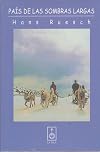
La primer recomendación de este libro, fue indirecta: recuerdo a mi papá totalmente abstraido, sumergido en sus páginas. Después, el libro se convirtió en su conversación de sobremesa favorito por semanas.
Novela costumbrista que retrata la vida de los esquimales en el Polo Norte (por ello las "sombras largas"). La tentación de contarle al resto del mundo la peculiar visión de la vida y de la muerte, los ciclos, las costumbres y la sencillez (o carencia absoluta de complicaciones) show more con que viven -totalmente opuesta a la vida occidental- es ENORME. show less
Novela costumbrista que retrata la vida de los esquimales en el Polo Norte (por ello las "sombras largas"). La tentación de contarle al resto del mundo la peculiar visión de la vida y de la muerte, los ciclos, las costumbres y la sencillez (o carencia absoluta de complicaciones) show more con que viven -totalmente opuesta a la vida occidental- es ENORME. show less

Written in 1950, Top of the World is a novel about the lives of Inuits living close to the North Pole. The narrative describes the lives of these people in great detail, including their religious beliefs, hunting and living methods, diet, social customs, etc. However, Ruesch manages to do this while presenting characters that are interesting as people, and telling a story that's quite interesting, as well. I read this book very quickly, because I got involved almost immediately and stayed show more that way throughout.
The first half of the book focuses on the Eskimos themselves and how they quite contentedly live their daily lives in the freezing terrain. About halfway through, we get contact with the White Man, and the unhappiness that graduatlly brings. This may sound dull, but it is made lively by the terrific (in my view) characterizations.
After about 50 pages, I got curious about Ruesch and so did an internet search. Turns out he was a Grand Prix race car driver before World War II. After the war, he began writing for a living. He also became alarmed about the issue of animal experimentation and founded the International Anti-Vivisection League.
Top of the World was made into a movie starring Anthony Quinn in 1960 and released in the U.S. in 1961 as The Savage Innocents. According to wikipedia, "Ironically, Hans Ruesch had never seen an Eskimo {when he wrote the book}. He based his story on the Oscar-winning film Eskimo (1933), directed by W.S. van Dyke." So I don't know how accurate the portrayal of mid-Century Inuit life is. But it's a very fine read, nevertheless. show less
The first half of the book focuses on the Eskimos themselves and how they quite contentedly live their daily lives in the freezing terrain. About halfway through, we get contact with the White Man, and the unhappiness that graduatlly brings. This may sound dull, but it is made lively by the terrific (in my view) characterizations.
After about 50 pages, I got curious about Ruesch and so did an internet search. Turns out he was a Grand Prix race car driver before World War II. After the war, he began writing for a living. He also became alarmed about the issue of animal experimentation and founded the International Anti-Vivisection League.
Top of the World was made into a movie starring Anthony Quinn in 1960 and released in the U.S. in 1961 as The Savage Innocents. According to wikipedia, "Ironically, Hans Ruesch had never seen an Eskimo {when he wrote the book}. He based his story on the Oscar-winning film Eskimo (1933), directed by W.S. van Dyke." So I don't know how accurate the portrayal of mid-Century Inuit life is. But it's a very fine read, nevertheless. show less

Inuit People
Top of the World by Hans Ruesch is such an interesting books that make you think about the values of humans beings and how a harsh environment (North Pole) will shape a race of people to adapt practices and values crucial for their survival, but in direct contradiction to our western views
Top of the World by Hans Ruesch is such an interesting books that make you think about the values of humans beings and how a harsh environment (North Pole) will shape a race of people to adapt practices and values crucial for their survival, but in direct contradiction to our western views

I was heavy into anti-vivisection when I bought this book - i don't know why i hang on to it, cos it's very outdated but I guess, the principles still apply.
Awards


You May Also Like


Associated Authors
Statistics
- Works
- 30
- Also by
- 1
- Members
- 437
- Popularity
- #55,994
- Rating
- 3.6
- Reviews
- 13
- ISBNs
- 53
- Languages
- 5