
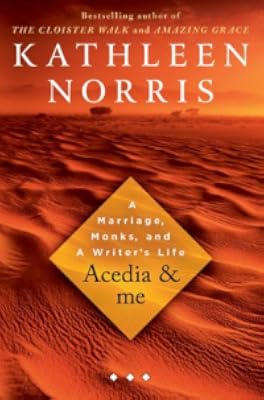
Acedia & Me: A Marriage, Monks, and a Writer's Life
by Kathleen Norris
On This Page
Description
Kathleen Norris's masterpiece: a personal and moving memoir that resurrects the ancient term acedia, or soul-weariness, and brilliantly explores its relevancy to the modern individual and culture.Tags
Recommendations
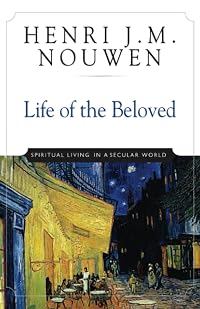
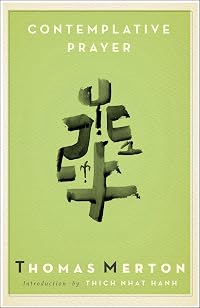
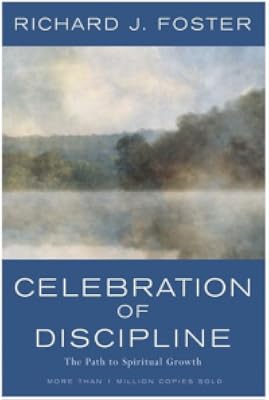
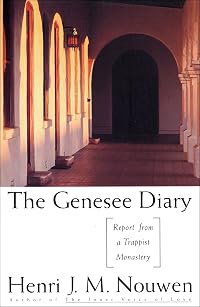












Member Recommendations

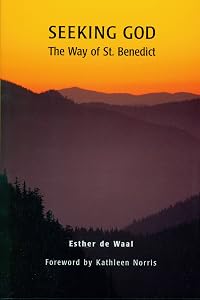
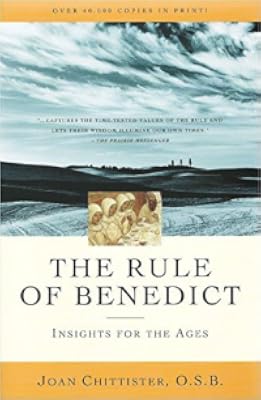
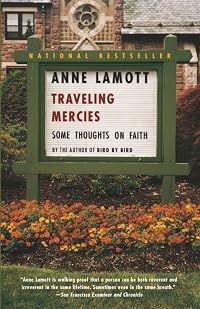
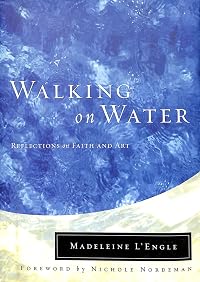
Yervant Both works treat the topic of acedia.
Member Reviews
Kathleen Norris had written several much loved books, yet she couldn't drag herself out of bed in the morning, couldn't summon the energy for her daily tasks. Even as she struggled, Norris recognized her familiar battle with acedia, a word she had discovered in early Church text years earlier. Fascinated by this "noonday demon", so familiar to those in the early and medieval Church, Norris knew she must restore this forgotten but important concept to the modern world's vernacular. An examination of acedia in the light of psychology, spirituality, the healing powers of religious practice, and Norris's own experience, Acedia & Me is both intimate and historically sweeping, brimming with exasperation and reverence, sometimes funny, often show more provocative, and always insightful. show less
Kathleen Norris’ Acedia & me is a wonderfully helpful read. I was struck by how she wove biography in with historical theology to create a book that speaks directly to readers’ lives.
She bases most of her discussion on acedia on Evagrius’ writings (two of which I’ve written about here and here). Evagrius defines acedia as the noonday demon that makes the day feel 50 hours long, urges the monk to abandon his way of life, and stirs up hatred between brothers and sisters. Fundamentally, Norris points out, acedia means “lack of care.” Once acedia removes one’s ability to care, one is left in a potential downward spiral, leading from not caring to not feeling to not wanting to be. This follows Evagrius’ demonology: the show more external demon stirs one’s thoughts; one can choose to harbor or dismiss the through; if harbored, the thought stirs a passion (a technical term for Evagrius) causing a person to act harmfully/sinfully. Acedia is one of the thoughts that can get stirred, and we can either accept the thought or “wage war” (cf. Abba Agathon’s words quoted on 96) against it with prayer and psalm.
Norris begins with the story of Abba Paul, one of the desert fathers, who spent his days making baskets, praying while he worked. Living too far from civilization, he would simply make baskets as a means to occupy himself with labor and so create space to pray, avoiding idleness which is conducive to acedia. Since he could not journey to sell his baskets, he simply burned them when his cave began to overflow with them. This seeming “useless activity” was actually nourishing life-giving habits in Paul. Norris writes, “The tale is a wry comment on the futility of all human effort, and on mortality itself. . . . Our work is bound to be forgotten. But monks still tell Paul’s story because they take heart from his perseverance and bold humility in the face of acedia. His steadfast labor at both work and prayer reminds us that even if what we do seems worthless, it is worth doing” (19). Norris points out that the repetitive work Paul engages in is nothing less than training (“a root meaning of asceticism“) for coming to rest (from the Greek hesychia which “refers to the spirituality of the desert”). She adds that Nouwen claimed “pray always” could literally be translated “come to rest.” All this repetitive training for resting “mirrors eternity in its changelessness (5). Here, then, acedia’s snare is especially troublesome: instead of training for ceaseless praise, acedia temps solitaries (and everyone else) to accept “the ease of indifference” (6). It is that ease that we must resist.
Norris traces the decline of the use of acedia as a term, saying that as we’ve lost the language for the noonday demon, we’ve hindered ourselves from being able to identify the true cause of our despondency. Although we tend not to use the term demon (though I have no problem with the word as Evagrius used it), Norris contends that an apt translation might be “issues”: “what we call ‘issues’ the early monks called ‘demons'” (33). And while they spoke of demons, the desert dwellers rarely spoke of sin — especially in regard to acedia. It was one of the thoughts that the demons stir up. Thought not sin, as Norris points out. In this nuance, Norris sees an opportunity for healing by naming acedia as a source of carelessness instead of a cause of fallenness. Healing is offered by being able to name and tame, as it were, the corresponding thoughts — nostalgia, sadness, etc. — that accompany acedia and take us down the downward spiral of carelessness.
As alluded to above, one of the two weapons against acedia, and indeed against all the demons, is prayer, and prayer requires always beginning again. Norris writes,
"Monastic writers have always emphasized that maintaining a life of prayer means being willing to start over, after one has acted in a sinful or destructive way. Both pride and acedia will assert themselves, and it may appear that we are so far gone we may as well give up and not embarrass ourselves further by pretending to be anything but failures. It seems foolish to believe that the door is still open, that there is always another chance. I may accept this intellectually, but I have come to appreciate its depths only through experience. Just when I seem to have my life in balance and imagine I can remain in this happy state forever, I lose sight of the value of contemplation and prayer, and try to live without it. Soon enough, once again, I am picking myself up out of the ashes.
". . . When acedia tempted [early Christian monks] from [their prayer rules], they were admonished to make their way back as quickly as possible. It is all a matter of falling down and standing up again, no matter how many times. Typically, the desert fathers provide a gnomic commentary on this aspect of their lives: 'Abba Moses asked Abba Sylvanus, "Can a man lay a new foundation every day?" The old man said, "If he works hard, he can lay a new foundation at every moment"'” (86).
Acedia can make us feel that prayer is impossible, but Norris suggests that if we get to that state a good short prayer is taken from Psalm 70: “O God, come to my assistance; O Lord, make haste to help me.” She quotes a monk who said lowering standards can also help break us out of a funk; when he was unable to pray the liturgy of the hours, the monk simply prayed Psalm 117 (the shortest of the Psalms). Norris cautions that lowering standards can be a good short-term fix, but that acedia can lay claim to the lowered standards until all standards are abandoned. Caution and discernment are required (282–284).
The other weapon against the demons was the Psalms, and more broadly speaking, the whole of Scripture. Psalms and books of the Bible were memorized in their entirety so that they readily combat the demons.
Labor is also a weapon against acedia; Evagrius counseled: “What heals acedia is staunch persistence. . . . Decide upon a set amount for yourself in every work and do not turn aside from it before you complete it” (100). Additionally, being fully present when undertaking tasks is vital for flourishing (132).
Another strategy for overcoming acedia Norris suggests is reading the desert fathers and mothers can help break us out of acedia’s grasp because their stories remind us that these demons can be overcome (269).
Throughout Norris compares and contrasts acedia and clinical depression — an interesting exercise though I feel unqualified to speak to her psychological insights. She also narrates her own struggles with acedia and depression and with her husbands failing health — a moving story that shows how the stability of marriage can prop us up in ways we can’t see coming. I’m grateful for her vulnerability and openness in telling these stories.
My suspicion is that you’ll benefit from this book — a literal must-read. show less
She bases most of her discussion on acedia on Evagrius’ writings (two of which I’ve written about here and here). Evagrius defines acedia as the noonday demon that makes the day feel 50 hours long, urges the monk to abandon his way of life, and stirs up hatred between brothers and sisters. Fundamentally, Norris points out, acedia means “lack of care.” Once acedia removes one’s ability to care, one is left in a potential downward spiral, leading from not caring to not feeling to not wanting to be. This follows Evagrius’ demonology: the show more external demon stirs one’s thoughts; one can choose to harbor or dismiss the through; if harbored, the thought stirs a passion (a technical term for Evagrius) causing a person to act harmfully/sinfully. Acedia is one of the thoughts that can get stirred, and we can either accept the thought or “wage war” (cf. Abba Agathon’s words quoted on 96) against it with prayer and psalm.
Norris begins with the story of Abba Paul, one of the desert fathers, who spent his days making baskets, praying while he worked. Living too far from civilization, he would simply make baskets as a means to occupy himself with labor and so create space to pray, avoiding idleness which is conducive to acedia. Since he could not journey to sell his baskets, he simply burned them when his cave began to overflow with them. This seeming “useless activity” was actually nourishing life-giving habits in Paul. Norris writes, “The tale is a wry comment on the futility of all human effort, and on mortality itself. . . . Our work is bound to be forgotten. But monks still tell Paul’s story because they take heart from his perseverance and bold humility in the face of acedia. His steadfast labor at both work and prayer reminds us that even if what we do seems worthless, it is worth doing” (19). Norris points out that the repetitive work Paul engages in is nothing less than training (“a root meaning of asceticism“) for coming to rest (from the Greek hesychia which “refers to the spirituality of the desert”). She adds that Nouwen claimed “pray always” could literally be translated “come to rest.” All this repetitive training for resting “mirrors eternity in its changelessness (5). Here, then, acedia’s snare is especially troublesome: instead of training for ceaseless praise, acedia temps solitaries (and everyone else) to accept “the ease of indifference” (6). It is that ease that we must resist.
Norris traces the decline of the use of acedia as a term, saying that as we’ve lost the language for the noonday demon, we’ve hindered ourselves from being able to identify the true cause of our despondency. Although we tend not to use the term demon (though I have no problem with the word as Evagrius used it), Norris contends that an apt translation might be “issues”: “what we call ‘issues’ the early monks called ‘demons'” (33). And while they spoke of demons, the desert dwellers rarely spoke of sin — especially in regard to acedia. It was one of the thoughts that the demons stir up. Thought not sin, as Norris points out. In this nuance, Norris sees an opportunity for healing by naming acedia as a source of carelessness instead of a cause of fallenness. Healing is offered by being able to name and tame, as it were, the corresponding thoughts — nostalgia, sadness, etc. — that accompany acedia and take us down the downward spiral of carelessness.
As alluded to above, one of the two weapons against acedia, and indeed against all the demons, is prayer, and prayer requires always beginning again. Norris writes,
"Monastic writers have always emphasized that maintaining a life of prayer means being willing to start over, after one has acted in a sinful or destructive way. Both pride and acedia will assert themselves, and it may appear that we are so far gone we may as well give up and not embarrass ourselves further by pretending to be anything but failures. It seems foolish to believe that the door is still open, that there is always another chance. I may accept this intellectually, but I have come to appreciate its depths only through experience. Just when I seem to have my life in balance and imagine I can remain in this happy state forever, I lose sight of the value of contemplation and prayer, and try to live without it. Soon enough, once again, I am picking myself up out of the ashes.
". . . When acedia tempted [early Christian monks] from [their prayer rules], they were admonished to make their way back as quickly as possible. It is all a matter of falling down and standing up again, no matter how many times. Typically, the desert fathers provide a gnomic commentary on this aspect of their lives: 'Abba Moses asked Abba Sylvanus, "Can a man lay a new foundation every day?" The old man said, "If he works hard, he can lay a new foundation at every moment"'” (86).
Acedia can make us feel that prayer is impossible, but Norris suggests that if we get to that state a good short prayer is taken from Psalm 70: “O God, come to my assistance; O Lord, make haste to help me.” She quotes a monk who said lowering standards can also help break us out of a funk; when he was unable to pray the liturgy of the hours, the monk simply prayed Psalm 117 (the shortest of the Psalms). Norris cautions that lowering standards can be a good short-term fix, but that acedia can lay claim to the lowered standards until all standards are abandoned. Caution and discernment are required (282–284).
The other weapon against the demons was the Psalms, and more broadly speaking, the whole of Scripture. Psalms and books of the Bible were memorized in their entirety so that they readily combat the demons.
Labor is also a weapon against acedia; Evagrius counseled: “What heals acedia is staunch persistence. . . . Decide upon a set amount for yourself in every work and do not turn aside from it before you complete it” (100). Additionally, being fully present when undertaking tasks is vital for flourishing (132).
Another strategy for overcoming acedia Norris suggests is reading the desert fathers and mothers can help break us out of acedia’s grasp because their stories remind us that these demons can be overcome (269).
Throughout Norris compares and contrasts acedia and clinical depression — an interesting exercise though I feel unqualified to speak to her psychological insights. She also narrates her own struggles with acedia and depression and with her husbands failing health — a moving story that shows how the stability of marriage can prop us up in ways we can’t see coming. I’m grateful for her vulnerability and openness in telling these stories.
My suspicion is that you’ll benefit from this book — a literal must-read. show less
I forget what it was that led me to seek out this book—maybe a mention in [b:Quiet|8520610|Quiet The Power of Introverts in a World That Can't Stop Talking|Susan Cain|http://photo.goodreads.com/books/1328562861s/8520610.jpg|13387396]?—but it's certainly unusual for me to read a book with a Christian spiritual message at its core. That's not why I was reading it, of course. What intrigued me was the idea of an examination of acedia as a condition or state distinct from (and more insidious than) the depression and "mere" sloth with which it's now conflated. It's an old idea, dating to the desert hermits and mystics of early Christianity, one of the original Eight Bad Thoughts elided out when they became the Seven Deadly Sins.
In the show more commonplace-book anthology which ends this volume, one Melvin Maddocks describes acedia as "the weariness of effort that extends to the heart and becomes a weariness of caring." Beckett (no surprise) provides another view: "You think you are simply resting, the better to act when the time comes, or for no reason, and you soon find yourself powerless ever to do anything again." And Pessoa (of course!): "Tedium is not the disease of being bored because there's nothing to do, but the more serious disease of feeling that there's nothing worth doing." I read the book because I was wondering, well, maybe that's what I've got a case of?
"The desire to avoid hardship becomes the dread of taking any action at all." (151) "At the first sign of difficulty or obstruction you try to think of ways to move past it, but at every turn you defeat yourself, shooting each fresh idea down as unlikely to work. How foolish of you to have ever believed in that person, that project, that God." (231) Clearly there's something of pride, of self-importance, in this idea—and in my idea of reading such a book, thinking it might apply to me. I don't have just your common-or-garden depression, I've got a spiritual affliction with an ancient pedigree. I was torn between wanting the satisfaction of seeing the symptoms in myself, and wanting to be shot clear of such a debilitating diagnosis. Even if "As a remedy for the affliction, Thomas Aquinas recommended a hot bath, a glass of wine, and a good night's sleep." (35)
So acedia is not just a negative reaction to the world, in the misleading stereotype of depression: it's a lack of reaction, even a wallowing in this unmarked state. The cure is not excitement, some new passion or attraction, but a slow and steady and cautious re-engagement with the normal, the everyday, the routine. And as directly as possible, not mediated: "Acedia is at work in us when we prefer buying things to witnessing the beauty of nature, 'reading' catalogues instead of books, or lingering in a museum store instead of touring the museum itself." (194) And that's where it gets spiritual, because Norris finds that kind of direct engagement with the ordinary in regular prayer and monastic ritual.
Norris' story is woven through this book: her move to an isolated South Dakota town, her rediscovery of religious ritual, and most of all her patient caretaking during her husband's many health crises, long decline, and death. All of that brings present her idea and experience of acedia, which might otherwise remain an ancient abstraction, but both the long-enduring marriage and the respite she finds in prayer remain foreign to me. I guess that's essential—part of her point is that acedia is a renunciation of personal engagement with the world—but, for me, this vehicle didn't work.
It's still a really interesting (and personally relevant) idea, that there are many varieties of depression and disengagement from the world and what "cures" one may actually feed another. I don't "have" acedia, I don't think—otherwise why would I put in the effort to read this book, to write this review?—but certainly I've long distrusted blanket generalizations about mood and temperament, and this is a new and intriguing perspective. I can even understand that it's hard to write about acedia without bringing in some kind of "spiritual" thought. I suspect, though, that some variation on (originally Buddhist, yes) mindfulness practice could fulfill for others the role that Christian ritual does for Norris, and a book with that frame would be one I could more fully engage with. Even though it was the early Christians who gave it the name, the idea—and the problem—of acedia is not, in the end, religious. show less
In the show more commonplace-book anthology which ends this volume, one Melvin Maddocks describes acedia as "the weariness of effort that extends to the heart and becomes a weariness of caring." Beckett (no surprise) provides another view: "You think you are simply resting, the better to act when the time comes, or for no reason, and you soon find yourself powerless ever to do anything again." And Pessoa (of course!): "Tedium is not the disease of being bored because there's nothing to do, but the more serious disease of feeling that there's nothing worth doing." I read the book because I was wondering, well, maybe that's what I've got a case of?
"The desire to avoid hardship becomes the dread of taking any action at all." (151) "At the first sign of difficulty or obstruction you try to think of ways to move past it, but at every turn you defeat yourself, shooting each fresh idea down as unlikely to work. How foolish of you to have ever believed in that person, that project, that God." (231) Clearly there's something of pride, of self-importance, in this idea—and in my idea of reading such a book, thinking it might apply to me. I don't have just your common-or-garden depression, I've got a spiritual affliction with an ancient pedigree. I was torn between wanting the satisfaction of seeing the symptoms in myself, and wanting to be shot clear of such a debilitating diagnosis. Even if "As a remedy for the affliction, Thomas Aquinas recommended a hot bath, a glass of wine, and a good night's sleep." (35)
So acedia is not just a negative reaction to the world, in the misleading stereotype of depression: it's a lack of reaction, even a wallowing in this unmarked state. The cure is not excitement, some new passion or attraction, but a slow and steady and cautious re-engagement with the normal, the everyday, the routine. And as directly as possible, not mediated: "Acedia is at work in us when we prefer buying things to witnessing the beauty of nature, 'reading' catalogues instead of books, or lingering in a museum store instead of touring the museum itself." (194) And that's where it gets spiritual, because Norris finds that kind of direct engagement with the ordinary in regular prayer and monastic ritual.
Norris' story is woven through this book: her move to an isolated South Dakota town, her rediscovery of religious ritual, and most of all her patient caretaking during her husband's many health crises, long decline, and death. All of that brings present her idea and experience of acedia, which might otherwise remain an ancient abstraction, but both the long-enduring marriage and the respite she finds in prayer remain foreign to me. I guess that's essential—part of her point is that acedia is a renunciation of personal engagement with the world—but, for me, this vehicle didn't work.
It's still a really interesting (and personally relevant) idea, that there are many varieties of depression and disengagement from the world and what "cures" one may actually feed another. I don't "have" acedia, I don't think—otherwise why would I put in the effort to read this book, to write this review?—but certainly I've long distrusted blanket generalizations about mood and temperament, and this is a new and intriguing perspective. I can even understand that it's hard to write about acedia without bringing in some kind of "spiritual" thought. I suspect, though, that some variation on (originally Buddhist, yes) mindfulness practice could fulfill for others the role that Christian ritual does for Norris, and a book with that frame would be one I could more fully engage with. Even though it was the early Christians who gave it the name, the idea—and the problem—of acedia is not, in the end, religious. show less
Kathleen Norris, bestselling author of such well-received books as "The Cloister Walk" and "Dakota: A Spiritual Biography," turns her poet's eye to the difficult subject of depression and spiritual emptiness in "Acedia & Me: A Marriage, Monks, and a Writer's Life." Struggling to accurately identify the emotion exactly, she turns to the earlier Christian idea of acedia, described by the Church father Evagrius as "the noonday demon."
Tracing the discussion of acedia through Christian writings, she explores this spiritual sin as it particularly affected monks seeking to pray the daily afternoon prayers. Often, such monks found their attention turn listless and unfocused, perhaps by hunger or fatigue, to the point that they did not care to show more pray; worse, they discovered that, at these times, nothing could encourage them to fulfill their calling to pray with any real emotional investment.
While the recent psychological term "depression" has largely eclipsed common usage of the term "acedia," Norris strongly believes that it accurately describes the noonday demon that significantly challenged her relationships and her writing. Going far beyond mere writer's block, she describes a persistent numbness against which she struggled to find the will to write.
Norris is a skilled writer and a sensitive memoirist. There is sophistication and nuance to her introspection, and the reflections offer a rich and subtle confluence of many emotions and ruminations on subjects like the nature and definition of sin and the impact of modern psychology on self-image and self-assessment.
For me, the book is most engaging when Norris applies these considerations to her marriage and its challenges, especially through sickness and health. One chapter title beautifully encapsulates the wisdom of Norris' approach: "The Quotidian Mysteries." In vignettes and tone, she considers the day-in/day-out necessities that sometimes left her feeling empty in her marriage, but which also eventually seem to have given the relationship with her husband David a deep meaning that continues after his death at only age 57. Despite its frequent tedium, its frustrations, and the frequent medical challenges described, she evokes unexpected beauty in the description of her own marriage.
Other parts of the book are less interesting, and many readers may find the early chapters -- which offer the bulk of historical context for the book's focus on acedia -- rather mind-numbing. While this is partly unfair, it is clear that Norris' explorations of acedia in her own life are more evocative than her attempts at clinical description of acedia in general. Still, the persistent reader is rewarded with several chapters of great beauty and insight.
This review is also published at http://alongthispilgrimsjourney.blogspot.com/2012/12/book-review-acedia-me.html show less
Tracing the discussion of acedia through Christian writings, she explores this spiritual sin as it particularly affected monks seeking to pray the daily afternoon prayers. Often, such monks found their attention turn listless and unfocused, perhaps by hunger or fatigue, to the point that they did not care to show more pray; worse, they discovered that, at these times, nothing could encourage them to fulfill their calling to pray with any real emotional investment.
While the recent psychological term "depression" has largely eclipsed common usage of the term "acedia," Norris strongly believes that it accurately describes the noonday demon that significantly challenged her relationships and her writing. Going far beyond mere writer's block, she describes a persistent numbness against which she struggled to find the will to write.
Norris is a skilled writer and a sensitive memoirist. There is sophistication and nuance to her introspection, and the reflections offer a rich and subtle confluence of many emotions and ruminations on subjects like the nature and definition of sin and the impact of modern psychology on self-image and self-assessment.
For me, the book is most engaging when Norris applies these considerations to her marriage and its challenges, especially through sickness and health. One chapter title beautifully encapsulates the wisdom of Norris' approach: "The Quotidian Mysteries." In vignettes and tone, she considers the day-in/day-out necessities that sometimes left her feeling empty in her marriage, but which also eventually seem to have given the relationship with her husband David a deep meaning that continues after his death at only age 57. Despite its frequent tedium, its frustrations, and the frequent medical challenges described, she evokes unexpected beauty in the description of her own marriage.
Other parts of the book are less interesting, and many readers may find the early chapters -- which offer the bulk of historical context for the book's focus on acedia -- rather mind-numbing. While this is partly unfair, it is clear that Norris' explorations of acedia in her own life are more evocative than her attempts at clinical description of acedia in general. Still, the persistent reader is rewarded with several chapters of great beauty and insight.
This review is also published at http://alongthispilgrimsjourney.blogspot.com/2012/12/book-review-acedia-me.html show less
I picked this book up when I was suffering a bout of depression and looking for a handhold or two to aid in my climb out. It's not so much a self-help book as it is a memoir, but there are always lessons in other people's struggles, and there were lots of valuable lessons shared here. I was thrilled just to learn the word, "acedia", and to know that the particular kind of dark ennui/depression I was fighting had a name and a history, relieved to find out it was not my own personal hell but something people have always had to fight. I'm not Christian and I find a lot of scripture rubs me the wrong way, but the Psalms shared here, as well as the common sense of the monastic wisdom, really did provide comfort and helpful advice for dealing show more with these moods that take hold of me. Thanks to Norris' sharing what she's experienced and learned, I now feel more capable of keeping those dark moods at bay. show less
Kathleen Norris parallels some of her life with the ancient "soul weariness" term acedia. Partly a memoir and partly poetry, she looks at her life and this slothful, soul weary indifference that we really can relate to in many ways in our world today.
This was at times very hard to read when Norris pointed out certain moments in her life that were so common to me and yet I never looked at this perspective before. The book is filled with references to acedia throughout history. I thought it was a very interesting read.
This was at times very hard to read when Norris pointed out certain moments in her life that were so common to me and yet I never looked at this perspective before. The book is filled with references to acedia throughout history. I thought it was a very interesting read.
Someone asked me to summarize "Acedia" when it took Norris an entire book. The best way I understand it after reading the book is it's the feeling of "why bother?" This book helped me look at my life differently and start opening to some things in my personality that need review. The last chapter of the book is tedious and I want to say, unnecessarily depressing. She got my mood turned around by the penultimate chapter and then brought me down in the last chapter. And yet, the last chapter is important because she's wanting to assure that the reader has all the different pictures that show acedia's face.
Members
- Recently Added By
Author Information

22+ Works 9,734 Members
Kathleen Norris is the award-winning author of "Amazing Grace: A Vocabulary of Faith"; "The Cloister Walk"; & the forthcoming "The Virgin of Bennington". She lives in South Dakota & Hawaii. (Bowker Author Biography)
Awards and Honors
Awards
Distinctions
Common Knowledge
- Alternate titles
- Acedua and Me
- Original publication date
- 2008-09-16
- People/Characters
- Kathleen Norris
- Dedication
- In loving memory of David Joseph Dwyer, 1946--2003
- Blurbers
- Coles, Robert
Classifications
- Genres
- Religion & Spirituality, Nonfiction, Biography & Memoir
- DDC/MDS
- 818.5403 — Literature & rhetoric American literature in English American miscellaneous writings in English 20th Century 1945-1999 Diaries
- LCC
- BT732.4 .N67 — Philosophy, Psychology and Religion Doctrinal Theology Doctrinal Theology Creation
- BISAC
Statistics
- Members
- 1,087
- Popularity
- 23,461
- Reviews
- 35
- Rating
- (3.67)
- Languages
- English
- Media
- Paper, Audiobook, Ebook
- ISBNs
- 10
- ASINs
- 7