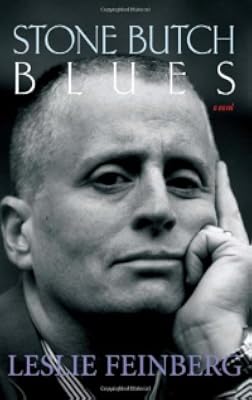
Stone Butch Blues
by Leslie Feinberg
On This Page
Description
Jess Goldberg decides to come out as a butch in the bars and factories of the prefeminist '60s and then to pass as a man in order to survive when she is left without work or a community in the early '70s.Tags
Recommendations

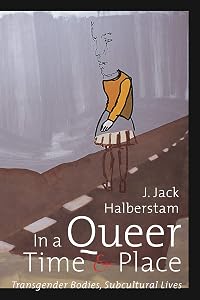
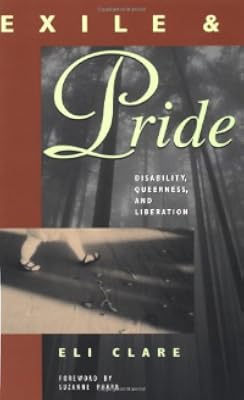
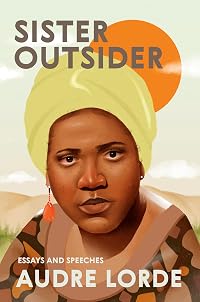
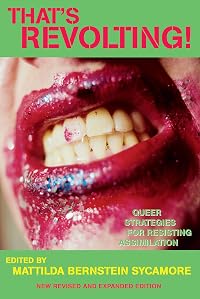




Member Recommendations

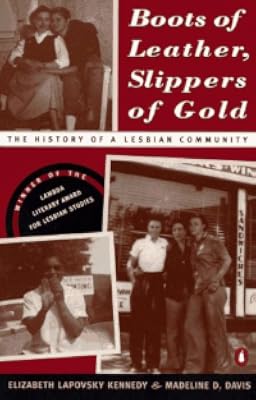
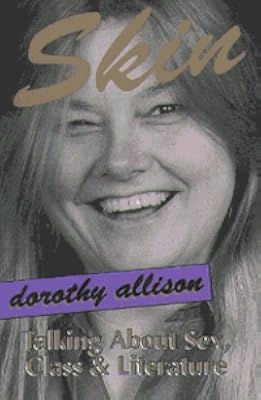
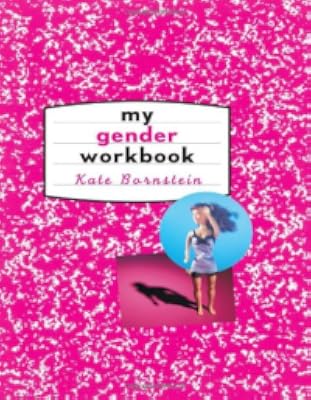
norabelle414 Both classic fiction examining the intersection of labor issues and social issues such as LGBTQ+ and gender rights, immigration, healthcare, and poverty
Member Reviews
Jess Goldberg grew up in upstate New York and always knew she was different. She started going to queer bars (well, there was just one queer bar at that point) in the 1960s as a teen. She felt most comfortable as a butch, with the lesbians setting up their alternative binary of butch and femme. After years of passing as a man to get factory jobs, getting outed, getting sexually assaulted, she tries to make it in New York City. Life is hard, but there are more opportunities and access to Hormone Replacement Therapy, which Jess hopes will make her feel more at home in her body. Eventually she realizes that the butch/femme binary is just as false as the heteronormative one, that the only thing that matters is friendship and respect, love show more and safety. She gets a job as a union organizer, where everyone knows who she is and she can be completely herself.
It was very interesting to see changing ideas about gender through such an intimate lens. There is a lot of violence, including sexual violence, in this story, but also a lot of friendship and camaraderie, as well as sex and love and breakups that don’t have anything to do with bigotry. Most of the terminology and culture Jess encounters in these couple decades is not familiar to modern eyes, and even by the end Jess isn’t quite sure what she wants her pronouns to be or how she wants to be seen. But the point of the story is that that’s okay. From such a close perspective it feels very natural for Jess to try things out and change over time, and just because she, for example, stops taking masculine hormones or starts dating a trans man, doesn’t mean she regrets anything previous in her life nor does it negate the experience of anyone who doesn’t do those things.
This is a great classic, absolutely worth reading. My only negative is that I kind of wished it had been Leslie Feinberg’s story, instead of a fictional one, especially as Leslie was much more of a political activist than the fictional Jess. I’m definitely going to read more by zir.
This book can be read digitally for free and paper copies at-cost for personal use or public library purchase at the author’s website, https://www.lesliefeinberg.net/ . It is not legally available anywhere else. show less
It was very interesting to see changing ideas about gender through such an intimate lens. There is a lot of violence, including sexual violence, in this story, but also a lot of friendship and camaraderie, as well as sex and love and breakups that don’t have anything to do with bigotry. Most of the terminology and culture Jess encounters in these couple decades is not familiar to modern eyes, and even by the end Jess isn’t quite sure what she wants her pronouns to be or how she wants to be seen. But the point of the story is that that’s okay. From such a close perspective it feels very natural for Jess to try things out and change over time, and just because she, for example, stops taking masculine hormones or starts dating a trans man, doesn’t mean she regrets anything previous in her life nor does it negate the experience of anyone who doesn’t do those things.
This is a great classic, absolutely worth reading. My only negative is that I kind of wished it had been Leslie Feinberg’s story, instead of a fictional one, especially as Leslie was much more of a political activist than the fictional Jess. I’m definitely going to read more by zir.
This book can be read digitally for free and paper copies at-cost for personal use or public library purchase at the author’s website, https://www.lesliefeinberg.net/ . It is not legally available anywhere else. show less
First let me say, I stayed up pretty late to finish this book and I read it at work. All in all it probably took me 8-10 hours to finish.
Only a few books have left a long lasting impression on me. Judy Blume's Forever is one of them and to be honest I can't really remember another one. I have read a ton of books and none of them ever had me question life the way this book did. I am ashamed to say that this is the first LGBT novel I have read that wasn't a fanfic or manga. I am so glad that I read this novel first. On television there is a lot of queerbating, unnecessary drama in LGBT relationships, and 99% of the time a gay character dies (Tara from Buffy... remember?). So, I can admit that I was a bit nervous about venturing in the show more world of LGBT novels.
This book is about Jess, a lesbian who is so confused about life that I just want to give her a hug and buy her some chipotle. She has no one to guide her or help with her feelings, she at times can come off as ignorant and biased, but her pain is so real it has you forgiving her instantly. This book is not happy at all, it leaves you feeling like you've been punched in the stomach but after wards the assailant gives you ice cream. Don't get me wrong, the book isn't sad either, and the only way I can describe it is dark. This novel is dark, it deals with, bullying, harassment at the work place, mental illness, police brutality, violence, rape, depression, pride, racism, sexism, AIDS, love, romance, failed relationships, and hurt. This book at times was hard to read, not because of the above but because I just wanted to pound everyone who wronged Jess, take her out to dinner, and be her friend.
If you want to read something that inspires you, makes you angry, but gives you hope then definitely read this book. You will not regret it. Get it for free here: http://www.lesliefeinberg.net/ show less
Only a few books have left a long lasting impression on me. Judy Blume's Forever is one of them and to be honest I can't really remember another one. I have read a ton of books and none of them ever had me question life the way this book did. I am ashamed to say that this is the first LGBT novel I have read that wasn't a fanfic or manga. I am so glad that I read this novel first. On television there is a lot of queerbating, unnecessary drama in LGBT relationships, and 99% of the time a gay character dies (Tara from Buffy... remember?). So, I can admit that I was a bit nervous about venturing in the show more world of LGBT novels.
This book is about Jess, a lesbian who is so confused about life that I just want to give her a hug and buy her some chipotle. She has no one to guide her or help with her feelings, she at times can come off as ignorant and biased, but her pain is so real it has you forgiving her instantly. This book is not happy at all, it leaves you feeling like you've been punched in the stomach but after wards the assailant gives you ice cream. Don't get me wrong, the book isn't sad either, and the only way I can describe it is dark. This novel is dark, it deals with, bullying, harassment at the work place, mental illness, police brutality, violence, rape, depression, pride, racism, sexism, AIDS, love, romance, failed relationships, and hurt. This book at times was hard to read, not because of the above but because I just wanted to pound everyone who wronged Jess, take her out to dinner, and be her friend.
If you want to read something that inspires you, makes you angry, but gives you hope then definitely read this book. You will not regret it. Get it for free here: http://www.lesliefeinberg.net/ show less
La muestra de que la ficción puede ser un testimonio, y que los personajes pueden ser un vehículo político para decir cosas mucho más efectivo que un discurso vociferado frente a mil personas. Stone butch blues es un viaje casi a ciegas en el que la protagonista descubre el mundo de la forma más dolorosa, que es intentando encontrar su modo de habitarlo en consonancia con sus emociones y autopercepción. No hay en Stone butch blues bajadas políticas ni imprecaciones directas a quien lee, sino el fundamental viaje en el que acompañamos la vida de una persona excluída de los principales lugares de la sociedad. A través de sus dolores, risas y llantos, Jess nos enseña distintas dimensiones de se runa lesbiana butch judía de show more clase trabajadora en forma descarnada, al punto que sus dolores se sienten como propios y sus alegrías se festejan como las de una amiga que sufrió demasiado. show less
This is a tricky book to pin down. At one level it is a rather simple-minded parable about solidarity and political and social change that would fit better into the 1930s (or perhaps the late 60s) than the 90s; at another it's an attempt to set the historical record straight about the "butch-femme" approach to sex between women that was current in the mid-20th century, but subsequently marginalized by both the women's movement and the lesbian and gay rights movement; and at a third it is a complicated personal tale about the search for the narrator's own gender identity.
The political and historical stories have both lost a lot of their impact in the meantime. It's ground that has been gone over by so many other writers since; the only show more thing that still makes it worth looking at is the immediacy of what is obviously first-hand testimony. The descriptions of police brutality and the constant threat of random violence still have the power to shock, even fifty years on and half a world away.
The more personal story of the narrator's progress from awkward girl to "he-she" to butch to passing male to a kind of gender identity that s/he feels comfortable with has kept more of its relevance. It doesn't attempt to generalise or draw big social or historical parallels, except to establish that gender involves a lot more than "either/or" categories. The narrator's story illustrates the complicated interaction between cultural expectations and individual nature that happens when we don't feel right in the roles that society projects onto us. It makes clear that categories aren't constant in time, space, or social class. There aren't any neat answers: although the narrator seems to have found a workable compromise at the end of the book, we know that there is still a long way to go. show less
The political and historical stories have both lost a lot of their impact in the meantime. It's ground that has been gone over by so many other writers since; the only show more thing that still makes it worth looking at is the immediacy of what is obviously first-hand testimony. The descriptions of police brutality and the constant threat of random violence still have the power to shock, even fifty years on and half a world away.
The more personal story of the narrator's progress from awkward girl to "he-she" to butch to passing male to a kind of gender identity that s/he feels comfortable with has kept more of its relevance. It doesn't attempt to generalise or draw big social or historical parallels, except to establish that gender involves a lot more than "either/or" categories. The narrator's story illustrates the complicated interaction between cultural expectations and individual nature that happens when we don't feel right in the roles that society projects onto us. It makes clear that categories aren't constant in time, space, or social class. There aren't any neat answers: although the narrator seems to have found a workable compromise at the end of the book, we know that there is still a long way to go. show less
When I was younger, the experience of reading every book was absorbing and relevatory, but it has been years since I genuinely felt like a book opened a door for me. This book did that. It expresses a way of existing in the world with a specificity only possible perhaps through fiction. It's technically a little rough, perhaps especially in contrast to the afterword written by the author in 2003: the novel is a bit repetitive in its prose and its events, but the later words are much more eloquently strung together. There is heart in this book, though, and the urgency of a revolution. It's a different style of prose when people write unmoderated by the traditional neutered prose of literature; it's what I might call a manifesto tone. show more There is less concern about how the words sound in relation to the canon, and much more concern about what they mean. Writing truly for communication. This is a depressing, hopeful novel, a young and angry and good book.
Recommended by Karen. show less
Recommended by Karen. show less
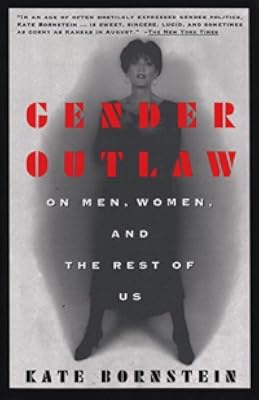
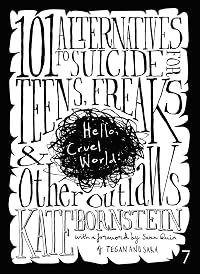
How is this book NOT on every progressive worker's list? It is a wonder (and you can get it free, BTW, so there's even less excuse) - a book that lives intersectionality while being a gorgeously written piece of fictionalized biography. Its complicated praxis of "being butch" is one of the greatest I've ever seen, the equal of Kate Bornstein's discussions of her own complicated gender identity. It's working class literature in a way that should make American lit's heart sing. I mean, it has unions, drag queens, the 1960s and 70s done without nostalgia...I cannot say enough about this remarkable book.
"She pointed to the circle the ring cast on the ground. I nodded, acknowledging that the shadow was as real as the ring. She smiled and waved her hand in the space between the ring and its shadow. Isn't this distance also real?"
Warning: This is a ramble.
THIS is the book that caused my recent reading and reviewing slump. Having finished Stone Butch Blues, nothing looked in any way interesting enough to move on to. Nothing I typed out made sense, or, even if there was some sense in it, it did not read as anything but a regurgitation of the same thoughts, the same sentiments that so many other reviewers have expressed already.
I think this is the very crux of the problem: this book seems so well known, so "iconic" that anything relating show more to it sounds a bit unoriginal, a bit cliche.
So, how about we get some of the "cliches" out of the way and see what is left?
- Stone Butch Blues is a "tough" book. True, there are a lot of descriptions of physical and sexual violence, but it also gives a lot of insight into people trying to cope. It beautifully describes characters without over-analysing what makes them tick.
- The story is very moving. Yes, it was written to be deliberately moving but then so is much of literature. And while I admit to being the first to criticise other books for manipulative writing (yes, I am looking at you, The Book Thief), it works in the favour of Stone Butch Blues because the book is somewhat rugged. Stone Butch Blues does not try to manipulate with pompous / pretentious writing. The narration is very down to earth, naturally clunky, and it works beautifully.
- The writing style is atrocious. It is not polished writing, but it works (for me). Most of the book is written from the main characters point of view. It would not befit Jess' character to tell her story in polished or flowery language.
- The book has a political agenda. It is true that the author had strong political convictions and that the book does feature the role and workings of unions. That does not constitute the book itself serving a communist agenda.
- The story focuses too much on the butch/femme dichotomy and not enough on other variances of gender identity. Erm, have you read the book? All of it? To the end? Go read it again. Besides, the story is told from the perspective of one person. It's one individual experience.
- The book is important. I have nothing to add to this.
So, what is left?
For much of the time that I have been thinking about writing this review, all I wanted to do was to join the chorus of readers who have loved this book "so damn much" (yes, that's another cliche). However, I wanted to know why.
Having thought about it, I did not like this book because it is important or moving. Well, at least not exclusively because it is both. I also liked the book for the descriptive detail and because it provided some historical context I was not familiar. The reason I love the book, however, is because as a coming-of-age story, Stone Butch Blues is as powerful as To Kill a Mocking Bird or The Catcher in the Rye or any other you'd care to mention.
It uses the best and worst aspects of humanity, cruelty and kindness, perception and reality, success and failure, to form the individual that is Jess Goldberg.
"My neighbour, Ruth, asked me recently if I had my life to live all over again would I make the same decisions? "Yes," I answered unequivocally, "yes." I'm sorry it's had to be this hard. But if I hadn't walked this path, who would I be?" show less
Warning: This is a ramble.
THIS is the book that caused my recent reading and reviewing slump. Having finished Stone Butch Blues, nothing looked in any way interesting enough to move on to. Nothing I typed out made sense, or, even if there was some sense in it, it did not read as anything but a regurgitation of the same thoughts, the same sentiments that so many other reviewers have expressed already.
I think this is the very crux of the problem: this book seems so well known, so "iconic" that anything relating show more to it sounds a bit unoriginal, a bit cliche.
So, how about we get some of the "cliches" out of the way and see what is left?
- Stone Butch Blues is a "tough" book. True, there are a lot of descriptions of physical and sexual violence, but it also gives a lot of insight into people trying to cope. It beautifully describes characters without over-analysing what makes them tick.
- The story is very moving. Yes, it was written to be deliberately moving but then so is much of literature. And while I admit to being the first to criticise other books for manipulative writing (yes, I am looking at you, The Book Thief), it works in the favour of Stone Butch Blues because the book is somewhat rugged. Stone Butch Blues does not try to manipulate with pompous / pretentious writing. The narration is very down to earth, naturally clunky, and it works beautifully.
- The writing style is atrocious. It is not polished writing, but it works (for me). Most of the book is written from the main characters point of view. It would not befit Jess' character to tell her story in polished or flowery language.
- The book has a political agenda. It is true that the author had strong political convictions and that the book does feature the role and workings of unions. That does not constitute the book itself serving a communist agenda.
- The story focuses too much on the butch/femme dichotomy and not enough on other variances of gender identity. Erm, have you read the book? All of it? To the end? Go read it again. Besides, the story is told from the perspective of one person. It's one individual experience.
- The book is important. I have nothing to add to this.
So, what is left?
For much of the time that I have been thinking about writing this review, all I wanted to do was to join the chorus of readers who have loved this book "so damn much" (yes, that's another cliche). However, I wanted to know why.
Having thought about it, I did not like this book because it is important or moving. Well, at least not exclusively because it is both. I also liked the book for the descriptive detail and because it provided some historical context I was not familiar. The reason I love the book, however, is because as a coming-of-age story, Stone Butch Blues is as powerful as To Kill a Mocking Bird or The Catcher in the Rye or any other you'd care to mention.
It uses the best and worst aspects of humanity, cruelty and kindness, perception and reality, success and failure, to form the individual that is Jess Goldberg.
"My neighbour, Ruth, asked me recently if I had my life to live all over again would I make the same decisions? "Yes," I answered unequivocally, "yes." I'm sorry it's had to be this hard. But if I hadn't walked this path, who would I be?" show less
Members
- Recently Added By
Published Reviews
ThingScore 75
Feinberg attempts to present Goldberg's life as the personal side of political history, but the narrative seems unattached to time despite the insertion of landmark events like the Stonewall riot and the mention of Reagan and the Moral Majority.
added by DorsVenabili
Lists

Best Lesbian Fiction (And Narrative Non-Fiction)
155 works; 35 members

Best Feminist Literature
188 works; 26 members

Best LGBT Fiction
144 works; 25 members

Expand Your Reading Demographics!
47 works; 15 members

1990s
309 works; 17 members

Fiction about the Working Class
74 works; 10 members

Transgender Characters
91 works; 5 members

Sad Queer Stories
18 works; 1 member

Best Books of the 20th Century
193 works; 5 members

Good LGBT fiction for LGBT folk and friends
553 works; 55 members

Books Read in 2016
4,666 works; 197 members
Overdue Podcast
808 works; 9 members

Favorite Books from the 1990s
32 works; 3 members

Trans, Nibi, Inter* & Angrenzendes auf Deutsch
15 works; 1 member

The Atlantic's The Great American Novel
136 works; 12 members

top 100
39 works; 1 member

Sapph-Lit
78 works; 4 members

Trans Lit
36 works; 1 member

Queer Fiction (Owned TBR)
142 works; 1 member
The Best LGBTQ Nonfiction
222 works; 73 members
Author Information

9+ Works 4,226 Members
Leslie Feinberg was born in Kansas City, Missouri on September 1, 1949. At the age of 14, she began supporting herself by working in the display sign shop of a local department store. She eventually stopped attending high school, though she officially received her diploma. She was a pioneer in transgender and lesbian issues, workers' rights, and show more intersectionality. She was a journalist for the Workers World newspaper since 1974, was the editor of the Political Prisoners page of Workers World newspaper for 15 years, and became a managing editor in 1995. She wrote several books during her lifetime including Stone Butch Blues, Transgender Warriors: Making History, Trans Liberation: Beyond Pink or Blue, Drag King Dreams, and Rainbow Solidarity in Defense of Cuba. She received numerous awards including the Lambda Literary Award and the American Library Association Gay and Lesbian Book Award. She died from complications of Lyme disease and multiple tick-borne co-infections diseases on November 15, 2014. (Bowker Author Biography) show less
Awards and Honors
Awards
Work Relationships
Contains
Common Knowledge
- Canonical title
- Stone Butch Blues
- Original publication date
- 1993
- People/Characters
- Jess Goldberg; Gloria [in Stone Butch Blues]; Butch Al; Jacqueline [in Stone Butch Blues]; Ed [in Stone Butch Blues]; Butch Jan (show all 7); Theresa [in Stone Butch Blues]
- Important places
- Buffalo, New York, USA; New York, New York, USA
- Important events
- Stonewall Riots
- Original language
- English
Classifications
Statistics
- Members
- 2,526
- Popularity
- 7,639
- Reviews
- 45
- Rating
- (4.29)
- Languages
- 9 — Basque, Dutch, English, French, German, Hungarian, Italian, Spanish, Swedish
- Media
- Paper, Ebook
- ISBNs
- 13
- ASINs
- 10