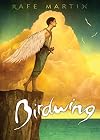
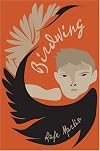
Birdwing
by Rafe Martin
On This Page
Description
Prince Ardwin, known as Birdwing, the youngest of six brothers turned into swans by their stepmother, is unable to complete the transformation back into human form, so he undertakes a journey to discover whether his feathered arm will be a curse or a blessing to him.Tags
Recommendations


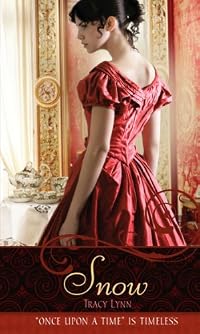
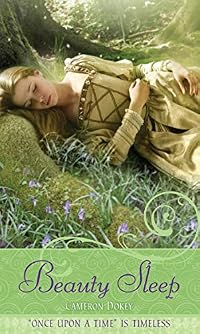
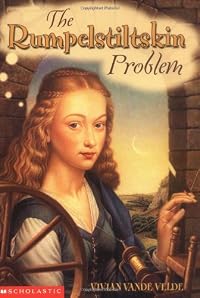



Member Recommendations
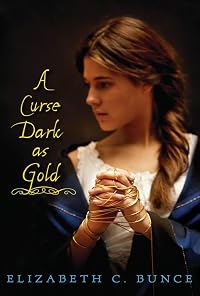
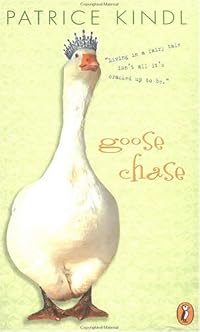
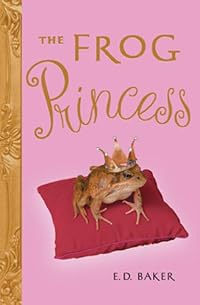
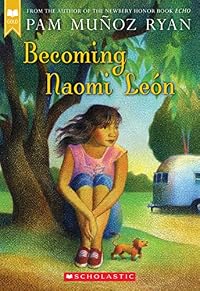
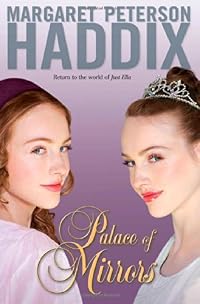
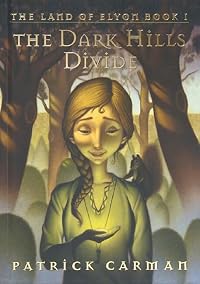
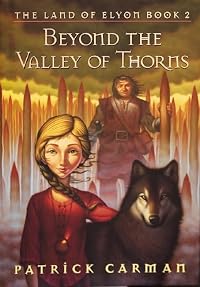
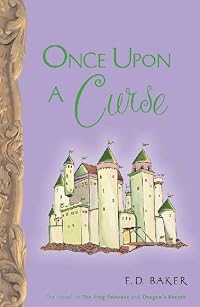
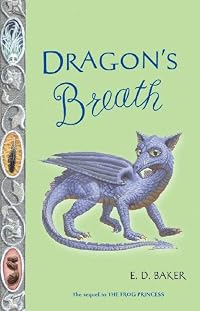
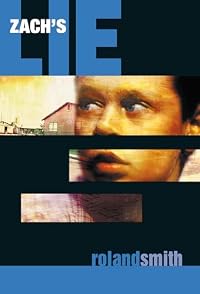
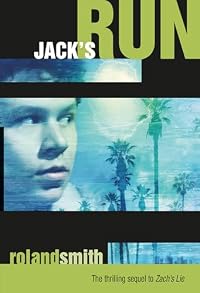
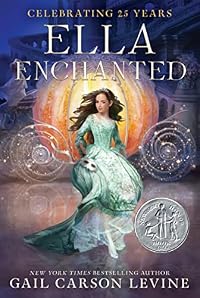
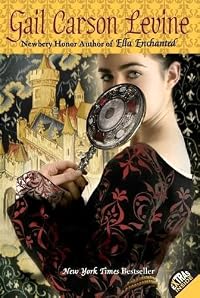
Rubbah Both are based on the same Grimms fairytale

sandstone78 Both continuations of the Six Swans fairy tale that focus on a boy who is left with a wing in place of one arm.

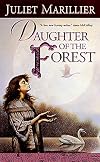
quigui Based on the same fairy tale, but historical fantasy (set in Ireland)
Member Reviews
This was 100% good. It's a middle-grade retelling of the six swans tale (I keep calling it Seven Swans because of that Sufjan Stevens song lol) from the point of view of the youngest brother who is left with a bird wing because his sister didn't finish his shirt in time.
I don't have a lot to say about this book, because I just loved it. It was refreshing and full of feels and adventure and fairy tale vibes! I loved the dynamic between the brother and his sister and the tension caused by the curse she lived through and did her best to lift off her brothers. The main character, Ardwin is definitely a headstrong brat, but also someone who is bullied and shunned by many of those around him. He goes through some great growth throughout the show more story.
It's just an awesome read - I finished it in 2 days and it's one I definitely want to re-read someday. Certainly, it would be on a 'top whatever' list for fairy tale retellings from me. If you like MG, fairytale retellings and fantasy, definitely pick this up. show less
I don't have a lot to say about this book, because I just loved it. It was refreshing and full of feels and adventure and fairy tale vibes! I loved the dynamic between the brother and his sister and the tension caused by the curse she lived through and did her best to lift off her brothers. The main character, Ardwin is definitely a headstrong brat, but also someone who is bullied and shunned by many of those around him. He goes through some great growth throughout the show more story.
It's just an awesome read - I finished it in 2 days and it's one I definitely want to re-read someday. Certainly, it would be on a 'top whatever' list for fairy tale retellings from me. If you like MG, fairytale retellings and fantasy, definitely pick this up. show less
If you have read or heard fairy tales, as a child or as an adult, no doubt there has been at least once, when presented with the "happily ever after", that you asked "okay, but then what?" This YA novel attempts to answer that question -- the story begins where the fairy tale of the Swan Brothers (boys who were transformed into swans by an evil stepmother but saved by their sister who, under great hardship, wove nettle shirts for them) left off -- with the youngest brother, whose shirt wasn't quite finished, and who therefore was left with one swan wing instead of a left arm.
It's interesting to see the details that are addressed here -- I think Martin very successfully and very practically illustrates what would be the reality for a boy show more coming home with one swan wing -- there is plenty of bitterness, family issues, and also the physical challenges that go along with such a difference.
I like that Martin spins out the possibilities of destiny and choice using the same threads -- the young man, of course, must take a journey of self-discovery and, ultimately, learn why he has the wing and choose whether he will keep it. Toward the end, though, the novel gets a little too free with it's "everything is part of the plan" attitude -- by the time the love interest turns out to be a lost princess from a neighboring kingdom, the eyes have started to roll a bit. Despite stretching the limits of credulity (which I suppose is to be expected given its fairy tale heritage), this was certainly an enjoyable read and especially recommended for those who have been wanting to REALLY finish a fairy tale. show less
It's interesting to see the details that are addressed here -- I think Martin very successfully and very practically illustrates what would be the reality for a boy show more coming home with one swan wing -- there is plenty of bitterness, family issues, and also the physical challenges that go along with such a difference.
I like that Martin spins out the possibilities of destiny and choice using the same threads -- the young man, of course, must take a journey of self-discovery and, ultimately, learn why he has the wing and choose whether he will keep it. Toward the end, though, the novel gets a little too free with it's "everything is part of the plan" attitude -- by the time the love interest turns out to be a lost princess from a neighboring kingdom, the eyes have started to roll a bit. Despite stretching the limits of credulity (which I suppose is to be expected given its fairy tale heritage), this was certainly an enjoyable read and especially recommended for those who have been wanting to REALLY finish a fairy tale. show less
Do you know the Grimm Brother’s fairy tale “The Six Swans”? That’s the one about the six brothers who were turned into swans, and how their sister undid the enchantment. At least – she almost succeeded. At the end, the youngest brother’s left arm remained a swan wing.
Birdwing is the story of what happens next, as Ardwin grows up and tries to make sense of his divided loyalties – his memories of the wild life of a swan, and his need for acceptance in the world of humans.
Rafe Martin asks if it is possible to live “happily ever after” when your family has been so spectacularly torn apart.
Ardwin and his family struggle to comes to terms with their history. They are far from healed and their past haunts them.
To recap the show more events of The Six Swans: Firstly, a jealous second wife turned her six step-sons into swans, and doomed her step-daughter, Rose, to a life of silent suffering if she ever hoped to free them. And as though that were not enough, when Rose eventually finds the possibility of happiness in a loving marriage – her mother in law not only steals her children from her, but convinces her husband to put Rose to death.
At the end of that fairy tale, Rose is proved innocent and her brother’s regain their human shape. And though that story had a happy ending, Rafe Martin reminds us that the scars cause would not heal so easily.
One of the reminders of their painful past is Ardwin, the youngest brother who regained his human shape in all but his left arm, which remained in the shape of a swan.
This is not a book you can read in a cynical frame of mind. The young hero Ardwin takes himself very seriously in true adolescent fashion, and the author takes him quite seriously as well. Rafe Martin spends a fair amount of time relishing the visual possibilities of a beautiful, strong, shy and unselfconscious young man with a swan’s wing. There is something very beguiling about the pairing of Ardwin’s masculinity, and the very wild and feminine nature of the wing.
The wing is a wonderful narrative device. On one level it functions as a symbol of awkward adolescence. The wing is an undeniable part of Ardwin’s difference. He loves it as part of himself, and yet hates it because it marks him as a “freak”. The wing is awkward and clumsy and responds uncontrollably in response to his anger and excitement.
Ardwin remembers a moment when he was looking at himself in a mirror:
“Staring into the fire, he recalled a time, not many years back when he had been standing in front of the mirror in his chambers. His tunic was off and he found himself staring at the place where the feathers ended and smooth skin began. It was very high up on the arm, just below the shoulder. Then he had lifted his dagger and, without drawing blood, had marked the almost invisible boundary between human and the bird. He imagined cutting off the wing.”
This reminds me of that scene from the last X-men movie in which the angelic boy attempts to file off his wings out of guilt at his own difference.
The wing also has another significance, a theme which is at the core of this story – the difference between rational human and wild nature. The wing links Ardwin to the old, wild and natural magic of the past. It allows him entrance to the world of animals – through the wing, he can understand the speech of beasts and birds. But it is also a reminder of the impossibility of him ever returning to the wild life he knew when he was a swan.
There is a strong theme here, exploring the place of evil in the natural world. Was the Witch evil, or simply part of a system that does not fit in with human morality? Here an old walrus attempts to explain to Ardwin that his romanticised view of nature is far from the truth:
“Now listen, matey, if you’ve come here to experience the beauty and harmony of nature, you’ve come to the wrong place. Wait! No need to go running off. Maybe there is no right place. Nature, your nature and mine, is everywhere. But it’s an awful mess. The harmony is shot through with lots of muck and blood. My advice? Open your eyes wide, and keep ‘em that way. That’s how you want to see the world – truthfully! Right?”
This makes me think of a post I wrote about Princess Mononoke, particularly about the depiction of the Deer God. He was being of renewal and spring, as well as of decay and death. The two are inseparable.
Although there was much I enjoyed in this book, there are also some rather awkward passages. Especially towards the end of the book, as the author starts having to tie off the many threads he has been spinning. I got the feeling that he did not always know how to gracefully end off all the wild stories he had started. Some things were just dealt with too neatly and rather unbelievably. But even so, this is a lyrical and unusual book, and one that I will certainly want to read again. show less
Birdwing is the story of what happens next, as Ardwin grows up and tries to make sense of his divided loyalties – his memories of the wild life of a swan, and his need for acceptance in the world of humans.
Rafe Martin asks if it is possible to live “happily ever after” when your family has been so spectacularly torn apart.
Ardwin and his family struggle to comes to terms with their history. They are far from healed and their past haunts them.
To recap the show more events of The Six Swans: Firstly, a jealous second wife turned her six step-sons into swans, and doomed her step-daughter, Rose, to a life of silent suffering if she ever hoped to free them. And as though that were not enough, when Rose eventually finds the possibility of happiness in a loving marriage – her mother in law not only steals her children from her, but convinces her husband to put Rose to death.
At the end of that fairy tale, Rose is proved innocent and her brother’s regain their human shape. And though that story had a happy ending, Rafe Martin reminds us that the scars cause would not heal so easily.
One of the reminders of their painful past is Ardwin, the youngest brother who regained his human shape in all but his left arm, which remained in the shape of a swan.
This is not a book you can read in a cynical frame of mind. The young hero Ardwin takes himself very seriously in true adolescent fashion, and the author takes him quite seriously as well. Rafe Martin spends a fair amount of time relishing the visual possibilities of a beautiful, strong, shy and unselfconscious young man with a swan’s wing. There is something very beguiling about the pairing of Ardwin’s masculinity, and the very wild and feminine nature of the wing.
The wing is a wonderful narrative device. On one level it functions as a symbol of awkward adolescence. The wing is an undeniable part of Ardwin’s difference. He loves it as part of himself, and yet hates it because it marks him as a “freak”. The wing is awkward and clumsy and responds uncontrollably in response to his anger and excitement.
Ardwin remembers a moment when he was looking at himself in a mirror:
“Staring into the fire, he recalled a time, not many years back when he had been standing in front of the mirror in his chambers. His tunic was off and he found himself staring at the place where the feathers ended and smooth skin began. It was very high up on the arm, just below the shoulder. Then he had lifted his dagger and, without drawing blood, had marked the almost invisible boundary between human and the bird. He imagined cutting off the wing.”
This reminds me of that scene from the last X-men movie in which the angelic boy attempts to file off his wings out of guilt at his own difference.
The wing also has another significance, a theme which is at the core of this story – the difference between rational human and wild nature. The wing links Ardwin to the old, wild and natural magic of the past. It allows him entrance to the world of animals – through the wing, he can understand the speech of beasts and birds. But it is also a reminder of the impossibility of him ever returning to the wild life he knew when he was a swan.
There is a strong theme here, exploring the place of evil in the natural world. Was the Witch evil, or simply part of a system that does not fit in with human morality? Here an old walrus attempts to explain to Ardwin that his romanticised view of nature is far from the truth:
“Now listen, matey, if you’ve come here to experience the beauty and harmony of nature, you’ve come to the wrong place. Wait! No need to go running off. Maybe there is no right place. Nature, your nature and mine, is everywhere. But it’s an awful mess. The harmony is shot through with lots of muck and blood. My advice? Open your eyes wide, and keep ‘em that way. That’s how you want to see the world – truthfully! Right?”
This makes me think of a post I wrote about Princess Mononoke, particularly about the depiction of the Deer God. He was being of renewal and spring, as well as of decay and death. The two are inseparable.
Although there was much I enjoyed in this book, there are also some rather awkward passages. Especially towards the end of the book, as the author starts having to tie off the many threads he has been spinning. I got the feeling that he did not always know how to gracefully end off all the wild stories he had started. Some things were just dealt with too neatly and rather unbelievably. But even so, this is a lyrical and unusual book, and one that I will certainly want to read again. show less
I am a huge fan of fairytale stories, and this novel does an excellent job of finishing the story of the Seven Swans, focusing on the boy who is left with one swan wing and one human arm. Ardwin is a boy who wants happiness, and he is dedicated to achieving it. He finds ways to do everything the two armed boys can, often surpassing their skills. He wants to be in control of his life, as he has been given both a handicap and a strength he had no choice in.
There are plenty of moments of joy in this story, just as there are moments of pain. The confrontation between Ardwin and his sister who did not complete the seventh thistle shirt in time is a prime example. How Rose Red feels guilt, and at the same time, anger toward not being thanked show more fully for her attempt at complete savior of Ardwin has a spotlight in this novel, which I greatly appreciated.
Yes, as all fairy tales do, this one ended with quite a contrite "Happily Ever After." I'm not sure I would have wanted it any other way. Yes, there are moments of "too easy" from a story line perspective, falling into the trap of fate and someone's greater plan But it fits in the mold of every other fairy tale out there.
It was a fun read, beautiful and lyrical at times, but still with maintenance of the plot. While I wouldn't necessarily suggest it for all age groups (as there are plenty of graphic images of blood and death) any child who can accept the original Grimm's tale can accept this completion. show less
There are plenty of moments of joy in this story, just as there are moments of pain. The confrontation between Ardwin and his sister who did not complete the seventh thistle shirt in time is a prime example. How Rose Red feels guilt, and at the same time, anger toward not being thanked show more fully for her attempt at complete savior of Ardwin has a spotlight in this novel, which I greatly appreciated.
Yes, as all fairy tales do, this one ended with quite a contrite "Happily Ever After." I'm not sure I would have wanted it any other way. Yes, there are moments of "too easy" from a story line perspective, falling into the trap of fate and someone's greater plan But it fits in the mold of every other fairy tale out there.
It was a fun read, beautiful and lyrical at times, but still with maintenance of the plot. While I wouldn't necessarily suggest it for all age groups (as there are plenty of graphic images of blood and death) any child who can accept the original Grimm's tale can accept this completion. show less
This book was a happy accident while cleaning through a school library with limited reading variety. I found it good then, and later, good enough to purchase and reread, it starts much like any Brother's Grimm tale or fairy tale of the older variety would, with some drag, some stalling, and you hoping it gets to the point or something happens before you skip to another story, when it takes action and starts moving is when it's good as gold. The build up gets you to know the main character, his motivations, the wind up right before the swing really leaves you hoping he will accomplish these goals set in stone, and from there it's a ride worth the wait. It did have moments that nearly bucked me off and left me too flustered to continue, show more some lines have to be read twice, but the ride is definitely worth it.
It fits into the category that would appeal to teenagers and kids who feel like they don't fit in most, but alienated adults could just as easily see the m.c as a likable character from start to finish. Definitely recommend this for at least one good read before you put it on a shelf.
I'd praise the cover art, as it stands out from all my other books, but I feel that might look a bit silly. show less
It fits into the category that would appeal to teenagers and kids who feel like they don't fit in most, but alienated adults could just as easily see the m.c as a likable character from start to finish. Definitely recommend this for at least one good read before you put it on a shelf.
I'd praise the cover art, as it stands out from all my other books, but I feel that might look a bit silly. show less
I didn't quite know what to expect with this book. What I found was a very imaginative and well written story, an extended epilogue to the well known children's story about the six brothers who were turned into geese. It started out fairly straightforward, but had a lot of different pieces that came together to form well rounded characters and an interesting story.
Based on the Six Swans fairytale, Birdwing tells the story of the younger brother that was left with a swan wing instead of an arm. It is mostly a story about growing up and accepting differences. But it is also an adventure story.
Ardwin, still a child when the spell that transformed him and his brothers into swans was broken, grows up different from everyone else, but chooses not to let his wing (and lack of arm) stop him from excelling in everything he does (and that includes sword fighting, lance throwing and archery). Even though he is a prince, he is met with disapproval and prejudice from other people and finds himself remembering the time when he was a swan and not different. He decides to return to the north where the swans show more stay, his departure fuelled by a gift from a neighbouring king of an mechanical arm. He sets off with his two close friends, but his plan is to follow by himself. Despite that, Ardwin makes new friends, human and animal.
I must confess I decided to read this book regarding it as a continuation of sorts to Daughter of the Forest, by Juliet Marillier. Although both stories are based on the same fairytale, they are very different. And Ardwin, the main character is very different from Finbar.
Interesting is also the inclusion of the Goose Girl fairytale, but that I felt that was unnecessary.
A lot happens in this story, and is mostly told in rapid way. This does not mean it is rushed, apart from the ending that feels like the author either didn't know how to finish the story or couldn't be bothered to do it properly, so much of the ending is delivered by other characters telling it between themselves.
It is an enjoyable young adult read, Ardwin being a character easy to identify with. Other characters provide amusing moments. Horse (the horse, but that I kept picturing as Shrek's Donkey) provides much of the comic relief, while being a (somewhat) faithful companion.
Also at Spoilers and Nuts show less
Ardwin, still a child when the spell that transformed him and his brothers into swans was broken, grows up different from everyone else, but chooses not to let his wing (and lack of arm) stop him from excelling in everything he does (and that includes sword fighting, lance throwing and archery). Even though he is a prince, he is met with disapproval and prejudice from other people and finds himself remembering the time when he was a swan and not different. He decides to return to the north where the swans show more stay, his departure fuelled by a gift from a neighbouring king of an mechanical arm. He sets off with his two close friends, but his plan is to follow by himself. Despite that, Ardwin makes new friends, human and animal.
I must confess I decided to read this book regarding it as a continuation of sorts to Daughter of the Forest, by Juliet Marillier. Although both stories are based on the same fairytale, they are very different. And Ardwin, the main character is very different from Finbar.
Interesting is also the inclusion of the Goose Girl fairytale, but that I felt that was unnecessary.
A lot happens in this story, and is mostly told in rapid way. This does not mean it is rushed, apart from the ending that feels like the author either didn't know how to finish the story or couldn't be bothered to do it properly, so much of the ending is delivered by other characters telling it between themselves.
It is an enjoyable young adult read, Ardwin being a character easy to identify with. Other characters provide amusing moments. Horse (the horse, but that I kept picturing as Shrek's Donkey) provides much of the comic relief, while being a (somewhat) faithful companion.
Also at Spoilers and Nuts show less
Members
- Recently Added By
Author Information

34+ Works 5,742 Members
Rafe Martin is a lay teacher in the Harada-Yasutani koan line. He is founding teacher of Endless Path Zendo, Rochester, New York, and is also an award-winning author and storyteller whose work has been cited in Time, Newsweek, the New York Times and USA Today.
Awards and Honors
Work Relationships
Is a (non-series) sequel to
Common Knowledge
- Original publication date
- 2005
- People/Characters
- Ardwin Birdwing; Alene/Gwennethfar; Horse; Rose Red; Marjorie; Bran (show all 33); Stephen; Skye; Belarius; Evron; King Ulfius; Samuel Bluestone; Leonore Bluestone; King Conor; Conrad; Cyric; Stephano; Trinculo; King Lugh; Peter Sharpshins; Lord Guilefort; Lord Ringort; Mare; Strongwing; Ivnuk; Sniccan; Wearg; Snorg; Narg; Victor; Anne; Harry; Mother Bear
- Dedication
- For the wing we each have.
- First words
- Rain pelted heavily against the narrow, glazed window.
- Quotations
- “Tomorrow", said Peter when they reached the gate. "Same time. We'll meet here. No need for the yard."
"You'll... you'll take me?" exclaimed Ardwin."You'll take me as you student? Why? I was terrible!"
"Yes, y... (show all)ou were. But you have perseverance, Prince Ardwin. You kept at it despite your lack of success. What's more, you made no complaint against the wind, and you damaged no arrows. When you failed, you made no moan. Bran broke a bow over his knee when he began, so frustrated did he become.”
Be brave, be bold, my dear, but do not be too bold. Do not go looking for trouble. It has a way of finding you on its own, soon enough.
-- Rose
Yes, Ardwin remembered. This is the way swans like to travel. A tailwind can make even the longest and riskiest flight possible.
It was a good sign.
He had lived cloaked so long, he did not know how to reveal his heart.
Young as I was that day Ardwin recalled, I could see the pain clearly on his face. Yet he did what justice demanded. What price did he pay? What price do people pay for their integrity? Ardwin immediately answer... (show all)ed his own question. A lot, he thought. It is always hard won.
We're all of us strangely tied together in this. It's beyond me--it's beyond all of us, maybe.
-- Ardwin
As for her meaning lad, I have no idea. She likes words, and likes to use them. But often her sense of them seems to shoot right past me, if you know what I mean.
-- Mr. Bluestone
Nothing had changed. Maybe, he thought hopefully, some things, the best things, never do.
-- Ardwin
Now listen, matey, if you've come to experience the beauty and harmony of nature, you've come to the wrong place.
-- Ivnuk
Yes. He is amazing. Though at first I thought he was an overworked, arthritic old man.
-- Ardwin
Did he try to make you a human and botch the job? He's good at botching things.
-- Horse
It's not so bad. After all, he's the one who's dead, not you.
-- Horse
Isn't that what you all want -- to be special? Then why haven't you learned to enjoy it? I've give you so many chances.
-- Evron
It's nice that not everything is ordinary. Differences are good.
-- Alene
Trust you decision! Maybe you sensed it would be all right. Maybe you wanted her to know the truth.
-- Horse
Please, please, please might you teach Leonore some of you less salty recipes? Teach her to measure all he ingredients carefully? Especially the salt. Urgently impress upon her with such foreign, northern... (show all) recipes, this is absolutely crucial. Just think of the good you will be doing for so many people. For us all.
-- Mr. Bluestone
Think things through, decide for yourself, then act. Find out by doing what you need to do, discover your road by walking it. If you make a mistake, try again. All my life, I have tried to follow this path.
-- King Lugh
The choices we make -- the choices I make, are important. None exists in a vacuum. There are always consequences.
-- Belarius - Last words
- (Click to show. Warning: May contain spoilers.)Then he curled his cloak around himself, lay down beside Alene, folded his wing over her, and, at last, fell peacefully asleep.
- Original language
- English
- Canonical DDC/MDS
- 813.6
Classifications
- Genres
- Fiction and Literature, Fantasy, Teen, Young Adult
- DDC/MDS
- 813.6 — Literature & rhetoric American literature in English American fiction in English 2000-
- LCC
- PZ8 .M44753 .B — Language and Literature Fiction and juvenile belles lettres Fiction and juvenile belles lettres Juvenile belles lettres
- BISAC
Statistics
- Members
- 727
- Popularity
- 38,636
- Reviews
- 22
- Rating
- (3.85)
- Languages
- English
- Media
- Paper
- ISBNs
- 5