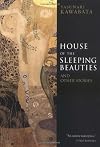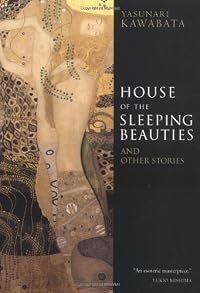
House of the Sleeping Beauties and Other Stories
by Yasunari Kawabata
On This Page
Description
Three surreal, erotically charged stories from Nobel Prize winner Yasunari Kawabata. In the three long tales in this collection, Yasunari Kawabata examines the boundaries between fantasy and reality in the minds of three lonely men. Piercing examinations of sexuality and human psychology--and works of remarkable subtlety and beauty--these stories showcase one of the twentieth century's great writers--in any language--at his very best.Tags
Recommendations


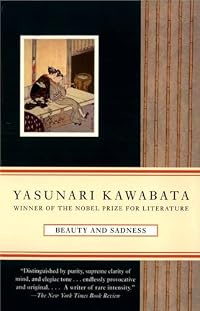
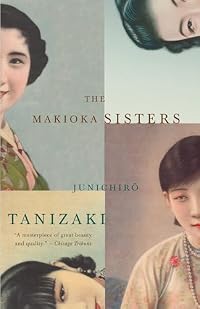
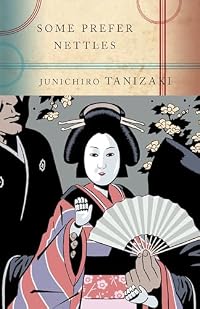
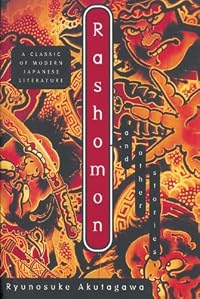

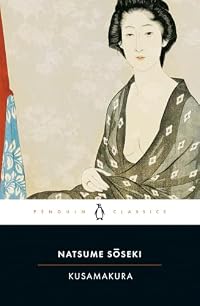

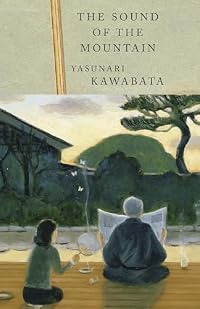
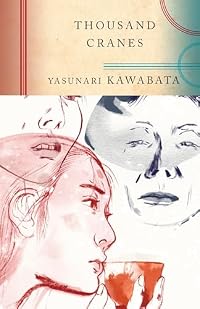
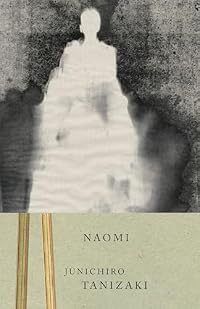
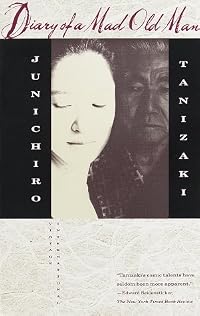
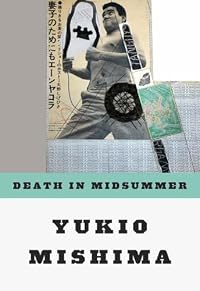
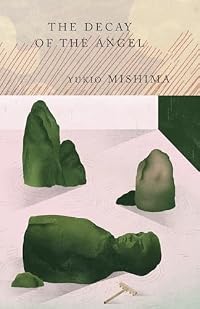

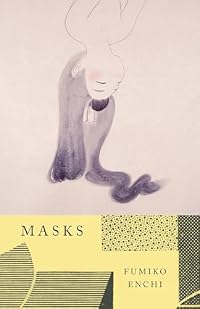
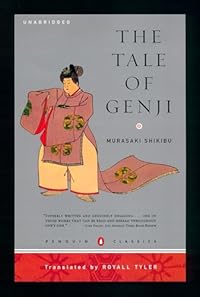
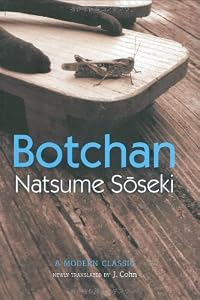
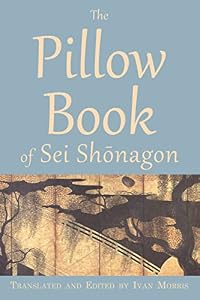

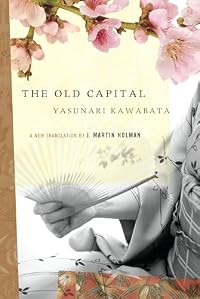




Member Recommendations

drnqs García Márquez's novella is directly inspired by Kawabata's.
Member Reviews
How easy is it to see this little book as the fruit of a perverted mind? Indeed, the title story apparently is nothing more than the disturbing story of an old man who frequents a brothel where he is allowed to sleep with numbed, naked girls, all virgins. He may touch them, but no more than that. Let's be honest, this does stimulate the imagination, however sickly you may find it. By the way, Kawabata does not shy away from moral ambiguity: he makes his protagonist, the old, almost impotent Eguchi, consciously think about the morbid character of his behaviour.
But I don't think that's the main thrust of this story. Kawabata has the old man accurately describe all his nighttime observations and sensations, the attractive forms of the show more girls, the light falling on their skin, the warmth or freshness of their bodies, the sounds and movements they make in their numb sleep, and so on. In Eguchi, moreover, this awakens numerous memories of childhood sweethearts, mistresses, own daughters, and that also sets in motion a train of musings about what has been, and what could have been, in order to - inevitably - end up at imminent death, his or the girl's (because will that ever wake up?). Apparently, there is still enough erotic power in the old man to fantasize about what he could do with the girls, and what the consequences of that could be. The old man's thoughts dart back and forth between instantaneous observations, memories, desires and possible actions and events, in short “an entire life” with all its ephemeral and opaque characteristics.
It seems to me that we should read this story primarily as an allegory, where the numbed girls are no more than instrumental metaphors for life itself, against which we snuggle ourselves, which we try to manipulate, with which we can reach ecstatic heights and miserable depths, which challenges us and at the same time remains inaccessible. I know, it's still perverse and disturbing how Kawabata has done here. But at the same time, this story is of an unparalleled depth and beauty. show less
But I don't think that's the main thrust of this story. Kawabata has the old man accurately describe all his nighttime observations and sensations, the attractive forms of the show more girls, the light falling on their skin, the warmth or freshness of their bodies, the sounds and movements they make in their numb sleep, and so on. In Eguchi, moreover, this awakens numerous memories of childhood sweethearts, mistresses, own daughters, and that also sets in motion a train of musings about what has been, and what could have been, in order to - inevitably - end up at imminent death, his or the girl's (because will that ever wake up?). Apparently, there is still enough erotic power in the old man to fantasize about what he could do with the girls, and what the consequences of that could be. The old man's thoughts dart back and forth between instantaneous observations, memories, desires and possible actions and events, in short “an entire life” with all its ephemeral and opaque characteristics.
It seems to me that we should read this story primarily as an allegory, where the numbed girls are no more than instrumental metaphors for life itself, against which we snuggle ourselves, which we try to manipulate, with which we can reach ecstatic heights and miserable depths, which challenges us and at the same time remains inaccessible. I know, it's still perverse and disturbing how Kawabata has done here. But at the same time, this story is of an unparalleled depth and beauty. show less
“The aged have death and the young have love, and death comes once, and love comes over and over again”.
To love is a game of a brave heart. To die; a desire of a sullen heart; a definite verb for the inevitable. Akin to the broken heart sitting by the sea, pleading the waves to carry it like a child; the loneliness of old age seeks the black sleet of death. The “ugliness of old age” that whispered in ‘The Sound of the Mountain’, roars in this book like the stormy waves Eguchi hears as he nestles in supple breasts of youth. A virginal body of a maiden in the pristine state as the day she was born, slept peacefully as it teased Eguchi’s aged physicality. Day after day, the smell of the untainted youth in all its unfazed show more beauty, the warmth and the tenderness of an unpolluted woman brought a surge of sorrow in Eguchi’s empty existence. The symbolic virginal magnificence encompasses both the freedom of an unadulterated youth and the possibility of its violation.
Had he not come to this house seeking the ultimate in the ugliness of old age.....”
Why did it seem like Eguchi’s existence was somehow vacant? He had lived a full life, as living would be defined. Like Shingo (Sound of the Mountain), he was a father, husband and a grandfather and had his share of affairs, yet when he slept besides the naked ‘sleeping beauties’ hearing the ocean, a beauty whom he could not violate , Eguchi was claustrophobic by the chaos of his own emotions. What makes a man to lose the very being of his existence for a woman? Is a penile erection the only viable proof for a man’s existence? In the fight between the old and the young, at which point does a man find himself standing on the edge of humanity and inhumanity? Does the impotency of old age find an illusionary sanctuary in the potency of the youth?
True to his beliefs in Zen Philosophy, Kawabata puts the idea of ‘Shunyata’ (Zero); the emptiness that becomes necessary for a man to achieve freedom from emotional corruptibility. But, the author being known for his brilliance in the sinister caricatures of the deepest human sentimentalities uses his protagonists’ (Eguchi, Kikuji, Gimpei. etc...) minds as the prime internal sensitive organ by showing the desperation of achieving the ‘purity of life’ through haunting ideas of eroticisms and death. The menacing sorrow of loneliness suffered by all the actors in this novel comes from the emptiness of being unable to achieve the ‘unattainable’. To sleep like a child, serene, devoid of monstrous dreams is a novelty to a restless mind. To sleep with no dreams, no guilt, no trepidation; to sleep like the dead. The man who never knew the feeling of a tender, sweet sleep until, the warm, clean blood from a round and plump womanly arm flowed through his veins. However, in that blissful moment, the idea of his filth soiling the wholesomeness of another life form repulsed his existence at that very moment.
“The clean blood of the girl was now, this very moment, flowing through me, but would there not be unpleasantness when the arm was returned to the girl, this dirty male blood flowing through it?”(One Arm)
Through morbidness of death festers the thought of contemplative possession of death. In ‘Of Birds and the Beasts’, the misanthropic living of the protagonists, again reflect and urge to achieve the unattainable – purity of life in its true form. It seems that the birth of animals brought elation to the protagonists as it was an “untainted life”, with no mistakes and then when by putting the young ones with the old ones, the stark differences of life stages, brought certain viciousness to the permutation of events that made seem like a salvation from a foreseeable ugliness of life.
“Husbands and wives, parents and children, brothers and sisters, the bonds were not easily cut even with the most unsatisfactory people”..... “On the other hand a certain sad purity in making playthings of lives and the habits of animals”...."
The commotion that arises from the man’s desperate need to breed and kill animals once again delineates the lingering theme of passivity of a vacant existence of human conscious that sometimes shatter the fine line between humane and inhumane environments.
What are memories? They are reflections of our past actions, the passivity of existence that metamorphoses into inexhaustible shame. Kawabata emphasizes on this factor of human mind to accentuate the relationship of an individual with the existential world. The reflections of our past, the mistakes of our life, always come running back at the brink of death. And then, how we desperately yearn for that impossible chance of grabbing our youth, even for a briefest moment, to relive a clean existence. An impossible chance to experience youth shamelessly. What if? The toughest part about life is living it. And, sometimes when I think about the possibilities of being marred by sorrowful loneliness for not having a full existence , I hide amongst the cerulean depths of the pool , avoiding to reach the surface, swimming for hours till I can no longer hear my thoughts. However, I crave to hear Kawabata even after the pages are closed because in his surreal depictions I find warm repose just like Eguchi did in the purity of the beauties.
Coming, all is clear, no
doubt about it. Going, all is
clear, without a doubt.
What, then, is all?
---Hosshin, 13th century.
show less
To love is a game of a brave heart. To die; a desire of a sullen heart; a definite verb for the inevitable. Akin to the broken heart sitting by the sea, pleading the waves to carry it like a child; the loneliness of old age seeks the black sleet of death. The “ugliness of old age” that whispered in ‘The Sound of the Mountain’, roars in this book like the stormy waves Eguchi hears as he nestles in supple breasts of youth. A virginal body of a maiden in the pristine state as the day she was born, slept peacefully as it teased Eguchi’s aged physicality. Day after day, the smell of the untainted youth in all its unfazed show more beauty, the warmth and the tenderness of an unpolluted woman brought a surge of sorrow in Eguchi’s empty existence. The symbolic virginal magnificence encompasses both the freedom of an unadulterated youth and the possibility of its violation.
Had he not come to this house seeking the ultimate in the ugliness of old age.....”
Why did it seem like Eguchi’s existence was somehow vacant? He had lived a full life, as living would be defined. Like Shingo (Sound of the Mountain), he was a father, husband and a grandfather and had his share of affairs, yet when he slept besides the naked ‘sleeping beauties’ hearing the ocean, a beauty whom he could not violate , Eguchi was claustrophobic by the chaos of his own emotions. What makes a man to lose the very being of his existence for a woman? Is a penile erection the only viable proof for a man’s existence? In the fight between the old and the young, at which point does a man find himself standing on the edge of humanity and inhumanity? Does the impotency of old age find an illusionary sanctuary in the potency of the youth?
True to his beliefs in Zen Philosophy, Kawabata puts the idea of ‘Shunyata’ (Zero); the emptiness that becomes necessary for a man to achieve freedom from emotional corruptibility. But, the author being known for his brilliance in the sinister caricatures of the deepest human sentimentalities uses his protagonists’ (Eguchi, Kikuji, Gimpei. etc...) minds as the prime internal sensitive organ by showing the desperation of achieving the ‘purity of life’ through haunting ideas of eroticisms and death. The menacing sorrow of loneliness suffered by all the actors in this novel comes from the emptiness of being unable to achieve the ‘unattainable’. To sleep like a child, serene, devoid of monstrous dreams is a novelty to a restless mind. To sleep with no dreams, no guilt, no trepidation; to sleep like the dead. The man who never knew the feeling of a tender, sweet sleep until, the warm, clean blood from a round and plump womanly arm flowed through his veins. However, in that blissful moment, the idea of his filth soiling the wholesomeness of another life form repulsed his existence at that very moment.
“The clean blood of the girl was now, this very moment, flowing through me, but would there not be unpleasantness when the arm was returned to the girl, this dirty male blood flowing through it?”(One Arm)
Through morbidness of death festers the thought of contemplative possession of death. In ‘Of Birds and the Beasts’, the misanthropic living of the protagonists, again reflect and urge to achieve the unattainable – purity of life in its true form. It seems that the birth of animals brought elation to the protagonists as it was an “untainted life”, with no mistakes and then when by putting the young ones with the old ones, the stark differences of life stages, brought certain viciousness to the permutation of events that made seem like a salvation from a foreseeable ugliness of life.
“Husbands and wives, parents and children, brothers and sisters, the bonds were not easily cut even with the most unsatisfactory people”..... “On the other hand a certain sad purity in making playthings of lives and the habits of animals”...."
The commotion that arises from the man’s desperate need to breed and kill animals once again delineates the lingering theme of passivity of a vacant existence of human conscious that sometimes shatter the fine line between humane and inhumane environments.
What are memories? They are reflections of our past actions, the passivity of existence that metamorphoses into inexhaustible shame. Kawabata emphasizes on this factor of human mind to accentuate the relationship of an individual with the existential world. The reflections of our past, the mistakes of our life, always come running back at the brink of death. And then, how we desperately yearn for that impossible chance of grabbing our youth, even for a briefest moment, to relive a clean existence. An impossible chance to experience youth shamelessly. What if? The toughest part about life is living it. And, sometimes when I think about the possibilities of being marred by sorrowful loneliness for not having a full existence , I hide amongst the cerulean depths of the pool , avoiding to reach the surface, swimming for hours till I can no longer hear my thoughts. However, I crave to hear Kawabata even after the pages are closed because in his surreal depictions I find warm repose just like Eguchi did in the purity of the beauties.
Coming, all is clear, no
doubt about it. Going, all is
clear, without a doubt.
What, then, is all?
---Hosshin, 13th century.
show less
“The aged have death and the young have love, and death comes once, and love comes over and over again”.
To love is a game of a brave heart. To die; a desire of a sullen heart; a definite verb for the inevitable. Akin to the broken heart sitting by the sea, pleading the waves to carry it like a child; the loneliness of old age seeks the black sleet of death. The “ugliness of old age” that whispered in ‘The Sound of the Mountain’, roars in this book like the stormy waves Eguchi hears as he nestles in supple breasts of youth. A virginal body of a maiden in the pristine state as the day she was born, slept peacefully as it teased Eguchi’s aged physicality. Day after day, the smell of the untainted youth in all its unfazed show more beauty, the warmth and the tenderness of an unpolluted woman brought a surge of sorrow in Eguchi’s empty existence. The symbolic virginal magnificence encompasses both the freedom of an unadulterated youth and the possibility of its violation.
Had he not come to this house seeking the ultimate in the ugliness of old age.....”
Why did it seem like Eguchi’s existence was somehow vacant? He had lived a full life, as living would be defined. Like Shingo (Sound of the Mountain), he was a father, husband and a grandfather and had his share of affairs, yet when he slept besides the naked ‘sleeping beauties’ hearing the ocean, a beauty whom he could not violate , Eguchi was claustrophobic by the chaos of his own emotions. What makes a man to lose the very being of his existence for a woman? Is a penile erection the only viable proof for a man’s existence? In the fight between the old and the young, at which point does a man find himself standing on the edge of humanity and inhumanity? Does the impotency of old age find an illusionary sanctuary in the potency of the youth?
True to his beliefs in Zen Philosophy, Kawabata puts the idea of ‘Shunyata’ (Zero); the emptiness that becomes necessary for a man to achieve freedom from emotional corruptibility. But, the author being known for his brilliance in the sinister caricatures of the deepest human sentimentalities uses his protagonists’ (Eguchi, Kikuji, Gimpei. etc...) minds as the prime internal sensitive organ by showing the desperation of achieving the ‘purity of life’ through haunting ideas of eroticisms and death. The menacing sorrow of loneliness suffered by all the actors in this novel comes from the emptiness of being unable to achieve the ‘unattainable’. To sleep like a child, serene, devoid of monstrous dreams is a novelty to a restless mind. To sleep with no dreams, no guilt, no trepidation; to sleep like the dead. The man who never knew the feeling of a tender, sweet sleep until, the warm, clean blood from a round and plump womanly arm flowed through his veins. However, in that blissful moment, the idea of his filth soiling the wholesomeness of another life form repulsed his existence at that very moment.
“The clean blood of the girl was now, this very moment, flowing through me, but would there not be unpleasantness when the arm was returned to the girl, this dirty male blood flowing through it?”(One Arm)
Through morbidness of death festers the thought of contemplative possession of death. In ‘Of Birds and the Beasts’, the misanthropic living of the protagonists, again reflect and urge to achieve the unattainable – purity of life in its true form. It seems that the birth of animals brought elation to the protagonists as it was an “untainted life”, with no mistakes and then when by putting the young ones with the old ones, the stark differences of life stages, brought certain viciousness to the permutation of events that made seem like a salvation from a foreseeable ugliness of life.
“Husbands and wives, parents and children, brothers and sisters, the bonds were not easily cut even with the most unsatisfactory people”..... “On the other hand a certain sad purity in making playthings of lives and the habits of animals”...."
The commotion that arises from the man’s desperate need to breed and kill animals once again delineates the lingering theme of passivity of a vacant existence of human conscious that sometimes shatter the fine line between humane and inhumane environments.
What are memories? They are reflections of our past actions, the passivity of existence that metamorphoses into inexhaustible shame. Kawabata emphasizes on this factor of human mind to accentuate the relationship of an individual with the existential world. The reflections of our past, the mistakes of our life, always come running back at the brink of death. And then, how we desperately yearn for that impossible chance of grabbing our youth, even for a briefest moment, to relive a clean existence. An impossible chance to experience youth shamelessly. What if? The toughest part about life is living it. And, sometimes when I think about the possibilities of being marred by sorrowful loneliness for not having a full existence , I hide amongst the cerulean depths of the pool , avoiding to reach the surface, swimming for hours till I can no longer hear my thoughts. However, I crave to hear Kawabata even after the pages are closed because in his surreal depictions I find warm repose just like Eguchi did in the purity of the beauties.
Coming, all is clear, no
doubt about it. Going, all is
clear, without a doubt.
What, then, is all?
---Hosshin, 13th century.
show less
To love is a game of a brave heart. To die; a desire of a sullen heart; a definite verb for the inevitable. Akin to the broken heart sitting by the sea, pleading the waves to carry it like a child; the loneliness of old age seeks the black sleet of death. The “ugliness of old age” that whispered in ‘The Sound of the Mountain’, roars in this book like the stormy waves Eguchi hears as he nestles in supple breasts of youth. A virginal body of a maiden in the pristine state as the day she was born, slept peacefully as it teased Eguchi’s aged physicality. Day after day, the smell of the untainted youth in all its unfazed show more beauty, the warmth and the tenderness of an unpolluted woman brought a surge of sorrow in Eguchi’s empty existence. The symbolic virginal magnificence encompasses both the freedom of an unadulterated youth and the possibility of its violation.
Had he not come to this house seeking the ultimate in the ugliness of old age.....”
Why did it seem like Eguchi’s existence was somehow vacant? He had lived a full life, as living would be defined. Like Shingo (Sound of the Mountain), he was a father, husband and a grandfather and had his share of affairs, yet when he slept besides the naked ‘sleeping beauties’ hearing the ocean, a beauty whom he could not violate , Eguchi was claustrophobic by the chaos of his own emotions. What makes a man to lose the very being of his existence for a woman? Is a penile erection the only viable proof for a man’s existence? In the fight between the old and the young, at which point does a man find himself standing on the edge of humanity and inhumanity? Does the impotency of old age find an illusionary sanctuary in the potency of the youth?
True to his beliefs in Zen Philosophy, Kawabata puts the idea of ‘Shunyata’ (Zero); the emptiness that becomes necessary for a man to achieve freedom from emotional corruptibility. But, the author being known for his brilliance in the sinister caricatures of the deepest human sentimentalities uses his protagonists’ (Eguchi, Kikuji, Gimpei. etc...) minds as the prime internal sensitive organ by showing the desperation of achieving the ‘purity of life’ through haunting ideas of eroticisms and death. The menacing sorrow of loneliness suffered by all the actors in this novel comes from the emptiness of being unable to achieve the ‘unattainable’. To sleep like a child, serene, devoid of monstrous dreams is a novelty to a restless mind. To sleep with no dreams, no guilt, no trepidation; to sleep like the dead. The man who never knew the feeling of a tender, sweet sleep until, the warm, clean blood from a round and plump womanly arm flowed through his veins. However, in that blissful moment, the idea of his filth soiling the wholesomeness of another life form repulsed his existence at that very moment.
“The clean blood of the girl was now, this very moment, flowing through me, but would there not be unpleasantness when the arm was returned to the girl, this dirty male blood flowing through it?”(One Arm)
Through morbidness of death festers the thought of contemplative possession of death. In ‘Of Birds and the Beasts’, the misanthropic living of the protagonists, again reflect and urge to achieve the unattainable – purity of life in its true form. It seems that the birth of animals brought elation to the protagonists as it was an “untainted life”, with no mistakes and then when by putting the young ones with the old ones, the stark differences of life stages, brought certain viciousness to the permutation of events that made seem like a salvation from a foreseeable ugliness of life.
“Husbands and wives, parents and children, brothers and sisters, the bonds were not easily cut even with the most unsatisfactory people”..... “On the other hand a certain sad purity in making playthings of lives and the habits of animals”...."
The commotion that arises from the man’s desperate need to breed and kill animals once again delineates the lingering theme of passivity of a vacant existence of human conscious that sometimes shatter the fine line between humane and inhumane environments.
What are memories? They are reflections of our past actions, the passivity of existence that metamorphoses into inexhaustible shame. Kawabata emphasizes on this factor of human mind to accentuate the relationship of an individual with the existential world. The reflections of our past, the mistakes of our life, always come running back at the brink of death. And then, how we desperately yearn for that impossible chance of grabbing our youth, even for a briefest moment, to relive a clean existence. An impossible chance to experience youth shamelessly. What if? The toughest part about life is living it. And, sometimes when I think about the possibilities of being marred by sorrowful loneliness for not having a full existence , I hide amongst the cerulean depths of the pool , avoiding to reach the surface, swimming for hours till I can no longer hear my thoughts. However, I crave to hear Kawabata even after the pages are closed because in his surreal depictions I find warm repose just like Eguchi did in the purity of the beauties.
Coming, all is clear, no
doubt about it. Going, all is
clear, without a doubt.
What, then, is all?
---Hosshin, 13th century.
show less
“The aged have death and the young have love, and death comes once, and love comes over and over again”.
To love is a game of a brave heart. To die; a desire of a sullen heart; a definite verb for the inevitable. Akin to the broken heart sitting by the sea, pleading the waves to carry it like a child; the loneliness of old age seeks the black sleet of death. The “ugliness of old age” that whispered in ‘The Sound of the Mountain’, roars in this book like the stormy waves Eguchi hears as he nestles in supple breasts of youth. A virginal body of a maiden in the pristine state as the day she was born, slept peacefully as it teased Eguchi’s aged physicality. Day after day, the smell of the untainted youth in all its unfazed show more beauty, the warmth and the tenderness of an unpolluted woman brought a surge of sorrow in Eguchi’s empty existence. The symbolic virginal magnificence encompasses both the freedom of an unadulterated youth and the possibility of its violation.
Had he not come to this house seeking the ultimate in the ugliness of old age.....”
Why did it seem like Eguchi’s existence was somehow vacant? He had lived a full life, as living would be defined. Like Shingo (Sound of the Mountain), he was a father, husband and a grandfather and had his share of affairs, yet when he slept besides the naked ‘sleeping beauties’ hearing the ocean, a beauty whom he could not violate , Eguchi was claustrophobic by the chaos of his own emotions. What makes a man to lose the very being of his existence for a woman? Is a penile erection the only viable proof for a man’s existence? In the fight between the old and the young, at which point does a man find himself standing on the edge of humanity and inhumanity? Does the impotency of old age find an illusionary sanctuary in the potency of the youth?
True to his beliefs in Zen Philosophy, Kawabata puts the idea of ‘Shunyata’ (Zero); the emptiness that becomes necessary for a man to achieve freedom from emotional corruptibility. But, the author being known for his brilliance in the sinister caricatures of the deepest human sentimentalities uses his protagonists’ (Eguchi, Kikuji, Gimpei. etc...) minds as the prime internal sensitive organ by showing the desperation of achieving the ‘purity of life’ through haunting ideas of eroticisms and death. The menacing sorrow of loneliness suffered by all the actors in this novel comes from the emptiness of being unable to achieve the ‘unattainable’. To sleep like a child, serene, devoid of monstrous dreams is a novelty to a restless mind. To sleep with no dreams, no guilt, no trepidation; to sleep like the dead. The man who never knew the feeling of a tender, sweet sleep until, the warm, clean blood from a round and plump womanly arm flowed through his veins. However, in that blissful moment, the idea of his filth soiling the wholesomeness of another life form repulsed his existence at that very moment.
“The clean blood of the girl was now, this very moment, flowing through me, but would there not be unpleasantness when the arm was returned to the girl, this dirty male blood flowing through it?”(One Arm)
Through morbidness of death festers the thought of contemplative possession of death. In ‘Of Birds and the Beasts’, the misanthropic living of the protagonists, again reflect and urge to achieve the unattainable – purity of life in its true form. It seems that the birth of animals brought elation to the protagonists as it was an “untainted life”, with no mistakes and then when by putting the young ones with the old ones, the stark differences of life stages, brought certain viciousness to the permutation of events that made seem like a salvation from a foreseeable ugliness of life.
“Husbands and wives, parents and children, brothers and sisters, the bonds were not easily cut even with the most unsatisfactory people”..... “On the other hand a certain sad purity in making playthings of lives and the habits of animals”...."
The commotion that arises from the man’s desperate need to breed and kill animals once again delineates the lingering theme of passivity of a vacant existence of human conscious that sometimes shatter the fine line between humane and inhumane environments.
What are memories? They are reflections of our past actions, the passivity of existence that metamorphoses into inexhaustible shame. Kawabata emphasizes on this factor of human mind to accentuate the relationship of an individual with the existential world. The reflections of our past, the mistakes of our life, always come running back at the brink of death. And then, how we desperately yearn for that impossible chance of grabbing our youth, even for a briefest moment, to relive a clean existence. An impossible chance to experience youth shamelessly. What if? The toughest part about life is living it. And, sometimes when I think about the possibilities of being marred by sorrowful loneliness for not having a full existence , I hide amongst the cerulean depths of the pool , avoiding to reach the surface, swimming for hours till I can no longer hear my thoughts. However, I crave to hear Kawabata even after the pages are closed because in his surreal depictions I find warm repose just like Eguchi did in the purity of the beauties.
Coming, all is clear, no
doubt about it. Going, all is
clear, without a doubt.
What, then, is all?
---Hosshin, 13th century.
show less
To love is a game of a brave heart. To die; a desire of a sullen heart; a definite verb for the inevitable. Akin to the broken heart sitting by the sea, pleading the waves to carry it like a child; the loneliness of old age seeks the black sleet of death. The “ugliness of old age” that whispered in ‘The Sound of the Mountain’, roars in this book like the stormy waves Eguchi hears as he nestles in supple breasts of youth. A virginal body of a maiden in the pristine state as the day she was born, slept peacefully as it teased Eguchi’s aged physicality. Day after day, the smell of the untainted youth in all its unfazed show more beauty, the warmth and the tenderness of an unpolluted woman brought a surge of sorrow in Eguchi’s empty existence. The symbolic virginal magnificence encompasses both the freedom of an unadulterated youth and the possibility of its violation.
Had he not come to this house seeking the ultimate in the ugliness of old age.....”
Why did it seem like Eguchi’s existence was somehow vacant? He had lived a full life, as living would be defined. Like Shingo (Sound of the Mountain), he was a father, husband and a grandfather and had his share of affairs, yet when he slept besides the naked ‘sleeping beauties’ hearing the ocean, a beauty whom he could not violate , Eguchi was claustrophobic by the chaos of his own emotions. What makes a man to lose the very being of his existence for a woman? Is a penile erection the only viable proof for a man’s existence? In the fight between the old and the young, at which point does a man find himself standing on the edge of humanity and inhumanity? Does the impotency of old age find an illusionary sanctuary in the potency of the youth?
True to his beliefs in Zen Philosophy, Kawabata puts the idea of ‘Shunyata’ (Zero); the emptiness that becomes necessary for a man to achieve freedom from emotional corruptibility. But, the author being known for his brilliance in the sinister caricatures of the deepest human sentimentalities uses his protagonists’ (Eguchi, Kikuji, Gimpei. etc...) minds as the prime internal sensitive organ by showing the desperation of achieving the ‘purity of life’ through haunting ideas of eroticisms and death. The menacing sorrow of loneliness suffered by all the actors in this novel comes from the emptiness of being unable to achieve the ‘unattainable’. To sleep like a child, serene, devoid of monstrous dreams is a novelty to a restless mind. To sleep with no dreams, no guilt, no trepidation; to sleep like the dead. The man who never knew the feeling of a tender, sweet sleep until, the warm, clean blood from a round and plump womanly arm flowed through his veins. However, in that blissful moment, the idea of his filth soiling the wholesomeness of another life form repulsed his existence at that very moment.
“The clean blood of the girl was now, this very moment, flowing through me, but would there not be unpleasantness when the arm was returned to the girl, this dirty male blood flowing through it?”(One Arm)
Through morbidness of death festers the thought of contemplative possession of death. In ‘Of Birds and the Beasts’, the misanthropic living of the protagonists, again reflect and urge to achieve the unattainable – purity of life in its true form. It seems that the birth of animals brought elation to the protagonists as it was an “untainted life”, with no mistakes and then when by putting the young ones with the old ones, the stark differences of life stages, brought certain viciousness to the permutation of events that made seem like a salvation from a foreseeable ugliness of life.
“Husbands and wives, parents and children, brothers and sisters, the bonds were not easily cut even with the most unsatisfactory people”..... “On the other hand a certain sad purity in making playthings of lives and the habits of animals”...."
The commotion that arises from the man’s desperate need to breed and kill animals once again delineates the lingering theme of passivity of a vacant existence of human conscious that sometimes shatter the fine line between humane and inhumane environments.
What are memories? They are reflections of our past actions, the passivity of existence that metamorphoses into inexhaustible shame. Kawabata emphasizes on this factor of human mind to accentuate the relationship of an individual with the existential world. The reflections of our past, the mistakes of our life, always come running back at the brink of death. And then, how we desperately yearn for that impossible chance of grabbing our youth, even for a briefest moment, to relive a clean existence. An impossible chance to experience youth shamelessly. What if? The toughest part about life is living it. And, sometimes when I think about the possibilities of being marred by sorrowful loneliness for not having a full existence , I hide amongst the cerulean depths of the pool , avoiding to reach the surface, swimming for hours till I can no longer hear my thoughts. However, I crave to hear Kawabata even after the pages are closed because in his surreal depictions I find warm repose just like Eguchi did in the purity of the beauties.
Coming, all is clear, no
doubt about it. Going, all is
clear, without a doubt.
What, then, is all?
---Hosshin, 13th century.
show less
This book contains the title novella and two shorter stories. This is the fifth book I have read by Kawabata and it is also the first one I was rather disturbed by. The central idea of the main story is pretty creepy and weird. Each of the three stories is odd frankly, but they are very well written as have the prior books I have read by the author. I like them because they give me an insight into a different way of seeing and living in the world. There are intricate details and descriptions that create vivid pictures in the reader's mind. But the obsession and creepiness of characters and behavior in this resulted in my lack of full appreciation. Many readers rate this higher than I do.
The man in Sleeping Beauties, Eguchi, thinking show more himself very old at 67, reflects back on events in his life, good and bad, but he dwells on a young love lost, and has nightmares that blur reality. A friend knowing how lonely Eguchi is suggests he try this secret house that is like a brothel but not where one can sleep with young virgins (and they stay that way - no hanky panky at all is allowed). The man is rather bothered when he does go and visit the house and would probably never have returned. However the "Madam" gives Eguchi a call a couple weeks later and asks him if he would like to come again. Against his better judgement he acquiesces to her insistent invitation. He then becomes rather obsessed with the place. And so the story proceeds.
It is a coincidence that I read this at the same time as Kent Haruf's Benediction. Both books deal with the sadness of old age and grasping at the remnants of life after loss. The book was made into a film a decade ago but I never saw it. I'm tempted to watch it now and see how true to the story it is. Somehow I doubt it.
The two additional short stories (22 pgs each) included are "One Arm" and "Of Birds and Beasts." "One Arm" dates to 1964 and is surreal in a manner that has become very familiar to readers of Haruki Murakami. If someone had told me this was written by Murakami I would believe it. It even has that slight bit of breast obsession with lines like this: 'Her breasts would not be large. Shy, only large enough to cup in the hands, they would have a clinging softness and strength.' Still, this is clearly Kawabata but with an edge like the other stories in this book, and possibly even more surreal than Murakami. The story is truly bizarre, but then, there was a fair amount of that in '60's Japanese Literature. "Of Birds and Beasts" is a disturbing tale of a 40 y.o. man who dislikes people, esp other men, and instead surrounds himself with birds and dogs and sometimes fish. Some of these animals do not have a pleasant fate.
I'd recommend this to those who enjoy Japanese literature and perhaps Murakami fans in particular. show less
The man in Sleeping Beauties, Eguchi, thinking show more himself very old at 67, reflects back on events in his life, good and bad, but he dwells on a young love lost, and has nightmares that blur reality. A friend knowing how lonely Eguchi is suggests he try this secret house that is like a brothel but not where one can sleep with young virgins (and they stay that way - no hanky panky at all is allowed). The man is rather bothered when he does go and visit the house and would probably never have returned. However the "Madam" gives Eguchi a call a couple weeks later and asks him if he would like to come again. Against his better judgement he acquiesces to her insistent invitation. He then becomes rather obsessed with the place. And so the story proceeds.
It is a coincidence that I read this at the same time as Kent Haruf's Benediction. Both books deal with the sadness of old age and grasping at the remnants of life after loss. The book was made into a film a decade ago but I never saw it. I'm tempted to watch it now and see how true to the story it is. Somehow I doubt it.
The two additional short stories (22 pgs each) included are "One Arm" and "Of Birds and Beasts." "One Arm" dates to 1964 and is surreal in a manner that has become very familiar to readers of Haruki Murakami. If someone had told me this was written by Murakami I would believe it. It even has that slight bit of breast obsession with lines like this: 'Her breasts would not be large. Shy, only large enough to cup in the hands, they would have a clinging softness and strength.' Still, this is clearly Kawabata but with an edge like the other stories in this book, and possibly even more surreal than Murakami. The story is truly bizarre, but then, there was a fair amount of that in '60's Japanese Literature. "Of Birds and Beasts" is a disturbing tale of a 40 y.o. man who dislikes people, esp other men, and instead surrounds himself with birds and dogs and sometimes fish. Some of these animals do not have a pleasant fate.
I'd recommend this to those who enjoy Japanese literature and perhaps Murakami fans in particular. show less
A beautiful, if eerie, exploration of a sixty-seven year old man's struggle to come to terms with the inevitability and imminence of death. It may be that the entire novella plays with the double entendre of "to die" as an expression of sex, as Eguchi attempts to assure himself that he is not yet as senile nor as impotent as the 'other old men' who frequent the "house of the sleeping beauties." The middle-aged woman of the house, notably neither young nor old, instructs him on his first visit to "listen to the wind and the waves," and with each subsequent visit, as his inner turmoil begins to calm, the roaring wind and crashing waves give way to "the first drops of rain on the quiet sea" and, later, "light wind and fallen leaves" before show more finally becoming white drops of sleet on fallen snow. The sleeping girls call to mind not only the women in Eguchi's past, but also the 'petal-dropping camellia' and orchids, even as he strives to reassure himself of the cleanliness and purity of current and past encounters.
The work is very sensual with the sleeping girls and the environment described through color, smell, texture, taste, and of course the sound of the wind and the waves. However repulsive the context of an old man paying to spend the night with naked girls in a sleep like death, the stunning beauty of the writing lulls you into the crimson room and keeps you, like Eguchi, returning.
LIke the wind and the waves, and like the sleep that resembles death, everything seems to function on more than a surface level and by the end, one may question whether Eguchi is as virile and free of senility as he claims, and the middle-aged procuress begins to resemble a conscience rather than a reality.
In my opinion, a hauntingly beautiful work. show less
The work is very sensual with the sleeping girls and the environment described through color, smell, texture, taste, and of course the sound of the wind and the waves. However repulsive the context of an old man paying to spend the night with naked girls in a sleep like death, the stunning beauty of the writing lulls you into the crimson room and keeps you, like Eguchi, returning.
LIke the wind and the waves, and like the sleep that resembles death, everything seems to function on more than a surface level and by the end, one may question whether Eguchi is as virile and free of senility as he claims, and the middle-aged procuress begins to resemble a conscience rather than a reality.
In my opinion, a hauntingly beautiful work. show less
It’s such a pleasure to read what Yasunari Kawabata writes. This small book contains three stories, all of them sort of odd. As I was reading them, I wasn’t sure whether to read them literally, figuratively, or as a dream. I finally decided that it didn’t matter and simply enjoyed the prose.
The first story, “House of Sleeping Beauties” is about an older man who goes to a house where he is allowed to sleep with virgins, but not awaken them or molest them in any way. He returns to this house several times. This is a particularly sensual story considering that it’s not even about overt prostitution. What is it then? I’m not sure.
The second story, “One Arm”, has a wild idea as its theme. A young woman gives a man one of show more her arms to take home for the night. At home, the man has to decide whether or not to replace his own arm with the woman’s arm. Strange? You bet!
The last story, “Of Birds and Beasts”, is about a man who prefers animals, especially dogs and birds, to people. He is very picky about those animals he keeps, but he doesn’t always provide them with the best of care. Is his reaction to animals the result of something that happened between himself and another person? Perhaps.
You’d do well to pick up this book, wallow in its lovely writing, and figure out for yourself the answers to these questions. Kawabata is a deft master of his craft. show less
The first story, “House of Sleeping Beauties” is about an older man who goes to a house where he is allowed to sleep with virgins, but not awaken them or molest them in any way. He returns to this house several times. This is a particularly sensual story considering that it’s not even about overt prostitution. What is it then? I’m not sure.
The second story, “One Arm”, has a wild idea as its theme. A young woman gives a man one of show more her arms to take home for the night. At home, the man has to decide whether or not to replace his own arm with the woman’s arm. Strange? You bet!
The last story, “Of Birds and Beasts”, is about a man who prefers animals, especially dogs and birds, to people. He is very picky about those animals he keeps, but he doesn’t always provide them with the best of care. Is his reaction to animals the result of something that happened between himself and another person? Perhaps.
You’d do well to pick up this book, wallow in its lovely writing, and figure out for yourself the answers to these questions. Kawabata is a deft master of his craft. show less
Members
- Recently Added By
Lists

Japanese Literature
230 works; 40 members

Favorite Short Fiction
228 works; 99 members
Author Information

211+ Works 16,104 Members
Author Yasunari Kawabata was born in Osaka, Japan on June 14, 1899. He experienced numerous family deaths during his childhood including his parents, a sister, and his grandparents. He graduated from the Tokyo Imperial University in March 1924. He wrote both short stories including The Dancing Girl of Izu and novels including The Sound of the show more Mountains, Snow Country, Thousand Cranes, and The Old Capital. In 1959, he received the Goethe Medal in Frankfurt and in 1968 he won the Nobel Prize for Literature. He committed suicide on April 16, 1972. (Bowker Author Biography) show less
Some Editions
Series
Belongs to Publisher Series
Work Relationships
Is contained in
Contains
Common Knowledge
- Canonical title
- House of the Sleeping Beauties and Other Stories
- Original title
- 眠れる美女
- Original publication date
- 1961 (original Japanese) (original Japanese); 1969 (English) (English)
- People/Characters*
- Eguchi
- Important places*
- Japan
- First words
- He was not to do anything in bad taste, the woman of the inn warned old Eguchi.
- Last words
- (Click to show. Warning: May contain spoilers.)"Made up for the very first time: like a bride."
- Disambiguation notice
- Please do not combine with single editions of "House of the sleeping beauties"
*Some information comes from Common Knowledge in other languages. Click "Edit" for more information.
Classifications
Statistics
- Members
- 612
- Popularity
- 47,496
- Reviews
- 17
- Rating
- (4.00)
- Languages
- 5 — Dutch, English, French, Italian, Japanese
- Media
- Paper, Ebook
- ISBNs
- 12
- ASINs
- 8