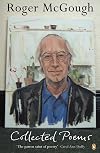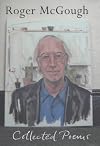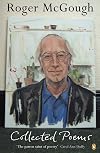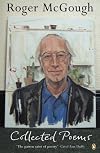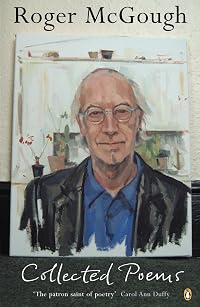
Collected Poems
by Roger McGough
On This Page
Description
'The patron saint of poetry' Carol Ann Duffy For sixty years, Roger McGough has thrilled and delighted generations of readers with his irreverent, intimate and ever-original poetry. The Collected Poems presents the definitive selection of his very best work, from the Mersey-soaked sound of his quintessential Sixties start, through to tender meditations on fatherhood and family, and on to political sendups, pandemic playfulness and brilliant new writing. Here, then, is an unmatched store of show more warmth, wisdom and feeling from Britain's most beloved poet. 'McGough has done for poetry what champagne does for weddings' Time Out show lessTags
Recommendations















Member Reviews
Un poeta dal vivo
"Carpe Diem" - "Cogli l'attimo"
Innumerevoli sono le composizioni poetiche e non che si sono ispirate al famoso invito "Carpe Diem" del poeta Orazio. Forse è l'espressione più famosa al mondo perchè delinea in maniera impietosa, eppure illuminante, la condizione umana. Due parole-trappola, dense di retorica ma elastiche nel loro significato sui valori della possibilità e della futilità. Caratteristiche dell'uomo, dei suoi sentimenti e delle sue aspirazioni.
Di questo noi uomini siamo fatti e se ne fanno continuamente portavoce poeti e scrittori. Ma anche uomini comuni, così come possono, nella loro quotidiana lotta per l’esistenza. Tutta tesa al significato dell’essere. Tutti ricordano John Keating, quello show more straordinario professore di Inglese nel film del 1989 Dead Poets Society. Le sue terribili parole che scioccarono ed esaltarono i suoi studenti, anche tragicamente per uno di essi: “Siamo cibo per i vermi, signori! Lo vogliate o no, ognuno di noi in questa aula uno di questi giorni smetterà di respirare, si raffredderà e morirà”. La salvezza sembra allora “cogli l’attimo”, che fugge e giammai ritornerà. Ma è bene inquadrare le due parole di Orazio nel loro contesto che è il seguente:
Carminum I, 11
1 Tu ne quaesieris, scire nefas, quem mihi, quem tibi
2 finem di dederint, Leuconoe, nec Babylonios
3 temptaris numeros. Ut melius, quidquid erit, pati,
4 seu plures hiemes, seu tribuit Iuppiter ultimam,
5 quae nunc oppositis debilitat pumicibus mare
6 Tyrrhenum: sapias, vina liques, et spatio brevi
7 spem longam reseces. Dum loquimur, fugerit invida
8 aetas: carpe diem, quam minimum credula postero.
—-
1. Non domandarti – non è giusto saperlo – a me, a te
2. quale sorte abbian dato gli dèi, e non chiederlo agli astri,
3. o Leuconoe; al meglio sopporta quel che sarà:
4. se molti inverni Giove ancor ti conceda
5. o ultimo questo che contro gli scogli fiacca le onde
6. del mare Tirreno. Sii saggia, mesci il vino
7. – breve è la vita – rinuncia a speranze lontane. Parliamo
8. e fugge il tempo geloso: carpe diem, non pensare a domani.
Leuconoe, una delle sue donne, lo consola bevendo. Proprio lei, il cui nome significa “dalla chiara mente”. Ma si capisce bene che con la mente poco lucida non si può dare una risposta alle domande che ti pone la vita. Ogni artista, poeta o scrittore, come del resto ogni comune essere umano, elabora una sua propria condotta, sia per difendersi che per attaccare, per vivere o per sopravvivere.
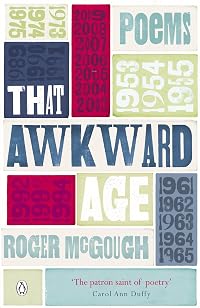
In una poesia, scritta dal poeta inglese Roger McGough nella sua recente raccolta di poesie intitolata significativamente That Awkward Age, il tema del “Carpe Diem” viene ripreso in quanto presente in “quella strana età tra la nascita e la morte”. Vale a dire lo spazio della vita, l’attimo, il giorno, il momento, appunto. Perchè, tutto considerato, la vita è tale. Un napoletano direbbe: “N’affacciata ‘e fenesta”.
Ecco il testo della poesia di McGough. L’ho tradotta liberamente. Avrò il piacere di incontrare il Poeta alla Summer School di Marlborough nei prossimi giorni.
On reaching sixty, I decided
to live every day as if it were my last.
But it didn’t last.
A sessant’anni ho deciso
di vivere ogni giorno come l’ultimo.
Ma non è durata a lungo.
After three days of lying in bed
in a darkened room, I tore off the oxygen mask,
opened the curtains and sacked the nurse.
Dopo tre giorni a letto
in una stanza buia, mi sono tolto l’ossigeno,
ho tirato le tende e mandata via l’infermiera.
There was more to life, surely,
than worrying about when it would end.
And how. The secret was Carpe Diem.
C’era ancora molto da vivere, certo,
piuttosto che starmene lì ad aspettare la fine,
come e quando. Il segreto era Carpe Diem.
So out I went to seize the day.
To catch the unawares and hug it.
To bathe in its light, to enjoy every minute.
Così uscii per cogliere l’attimo.
Afferrare l’impossibile e carezzarlo.
Immergermi nella sua luce, godere ogni minuto.
But the day kept me at arm’s length.
Didn’t want to be touched
Bobbed and weaved until it dwindled away.
Ma il giorno mi sfuggiva di mano.
Non voleva essere toccato
Scivolava ed ondeggiava fino a svanire.
At 1 a.m. I ended up in the bar of the Carpe Diem
drunk and counting the cost. Another day wasted.
Another chance lost.
All’una di notte sono finito al bar del Carpe Diem
ubriaco e sfinito. Un altro giorno perso.
Un’altra opportunità svanita.
Then who would walk in, looking the worse for wear
but the nurse. We hugged then staggered back home.
She drew the curtain. We climbed into bed.
Ed ecco chi ti vedo entrare in cerca del peggio,
l’infermiera. Ci siamo abbracciati e siamo andati a casa barcollando.
Ha tirato le tende e siamo saltati nel letto.
Durante le tre settimane di svolgimento di una Summer School all’inglese si ha la possibilità di vivere attimi irrepetibili che restano nella memoria e nell’esperienza di chi vi ha preso parte. L’incontro con il Poeta Roger McGough permetterà a chi vi prenderà parte di comprendere quanto sia importante cogliere l’attimo del mondo che è là fuori e che si riflette nel mondo di ciascuno ed ognuno di noi. Nella sua raccolta McGough trascrive momenti e sensazioni fatti di meraviglie e di realtà, di suggestioni e di illusioni, tutte vissute in quella “awkward age” che va dalla nascita alla morte. Una età davvero “strana“, quella dell’attimo della vita vista nell’eternità del mondo. show less
"Carpe Diem" - "Cogli l'attimo"
Innumerevoli sono le composizioni poetiche e non che si sono ispirate al famoso invito "Carpe Diem" del poeta Orazio. Forse è l'espressione più famosa al mondo perchè delinea in maniera impietosa, eppure illuminante, la condizione umana. Due parole-trappola, dense di retorica ma elastiche nel loro significato sui valori della possibilità e della futilità. Caratteristiche dell'uomo, dei suoi sentimenti e delle sue aspirazioni.
Di questo noi uomini siamo fatti e se ne fanno continuamente portavoce poeti e scrittori. Ma anche uomini comuni, così come possono, nella loro quotidiana lotta per l’esistenza. Tutta tesa al significato dell’essere. Tutti ricordano John Keating, quello show more straordinario professore di Inglese nel film del 1989 Dead Poets Society. Le sue terribili parole che scioccarono ed esaltarono i suoi studenti, anche tragicamente per uno di essi: “Siamo cibo per i vermi, signori! Lo vogliate o no, ognuno di noi in questa aula uno di questi giorni smetterà di respirare, si raffredderà e morirà”. La salvezza sembra allora “cogli l’attimo”, che fugge e giammai ritornerà. Ma è bene inquadrare le due parole di Orazio nel loro contesto che è il seguente:
Carminum I, 11
1 Tu ne quaesieris, scire nefas, quem mihi, quem tibi
2 finem di dederint, Leuconoe, nec Babylonios
3 temptaris numeros. Ut melius, quidquid erit, pati,
4 seu plures hiemes, seu tribuit Iuppiter ultimam,
5 quae nunc oppositis debilitat pumicibus mare
6 Tyrrhenum: sapias, vina liques, et spatio brevi
7 spem longam reseces. Dum loquimur, fugerit invida
8 aetas: carpe diem, quam minimum credula postero.
—-
1. Non domandarti – non è giusto saperlo – a me, a te
2. quale sorte abbian dato gli dèi, e non chiederlo agli astri,
3. o Leuconoe; al meglio sopporta quel che sarà:
4. se molti inverni Giove ancor ti conceda
5. o ultimo questo che contro gli scogli fiacca le onde
6. del mare Tirreno. Sii saggia, mesci il vino
7. – breve è la vita – rinuncia a speranze lontane. Parliamo
8. e fugge il tempo geloso: carpe diem, non pensare a domani.
Leuconoe, una delle sue donne, lo consola bevendo. Proprio lei, il cui nome significa “dalla chiara mente”. Ma si capisce bene che con la mente poco lucida non si può dare una risposta alle domande che ti pone la vita. Ogni artista, poeta o scrittore, come del resto ogni comune essere umano, elabora una sua propria condotta, sia per difendersi che per attaccare, per vivere o per sopravvivere.
In una poesia, scritta dal poeta inglese Roger McGough nella sua recente raccolta di poesie intitolata significativamente That Awkward Age, il tema del “Carpe Diem” viene ripreso in quanto presente in “quella strana età tra la nascita e la morte”. Vale a dire lo spazio della vita, l’attimo, il giorno, il momento, appunto. Perchè, tutto considerato, la vita è tale. Un napoletano direbbe: “N’affacciata ‘e fenesta”.
Ecco il testo della poesia di McGough. L’ho tradotta liberamente. Avrò il piacere di incontrare il Poeta alla Summer School di Marlborough nei prossimi giorni.
On reaching sixty, I decided
to live every day as if it were my last.
But it didn’t last.
A sessant’anni ho deciso
di vivere ogni giorno come l’ultimo.
Ma non è durata a lungo.
After three days of lying in bed
in a darkened room, I tore off the oxygen mask,
opened the curtains and sacked the nurse.
Dopo tre giorni a letto
in una stanza buia, mi sono tolto l’ossigeno,
ho tirato le tende e mandata via l’infermiera.
There was more to life, surely,
than worrying about when it would end.
And how. The secret was Carpe Diem.
C’era ancora molto da vivere, certo,
piuttosto che starmene lì ad aspettare la fine,
come e quando. Il segreto era Carpe Diem.
So out I went to seize the day.
To catch the unawares and hug it.
To bathe in its light, to enjoy every minute.
Così uscii per cogliere l’attimo.
Afferrare l’impossibile e carezzarlo.
Immergermi nella sua luce, godere ogni minuto.
But the day kept me at arm’s length.
Didn’t want to be touched
Bobbed and weaved until it dwindled away.
Ma il giorno mi sfuggiva di mano.
Non voleva essere toccato
Scivolava ed ondeggiava fino a svanire.
At 1 a.m. I ended up in the bar of the Carpe Diem
drunk and counting the cost. Another day wasted.
Another chance lost.
All’una di notte sono finito al bar del Carpe Diem
ubriaco e sfinito. Un altro giorno perso.
Un’altra opportunità svanita.
Then who would walk in, looking the worse for wear
but the nurse. We hugged then staggered back home.
She drew the curtain. We climbed into bed.
Ed ecco chi ti vedo entrare in cerca del peggio,
l’infermiera. Ci siamo abbracciati e siamo andati a casa barcollando.
Ha tirato le tende e siamo saltati nel letto.
Durante le tre settimane di svolgimento di una Summer School all’inglese si ha la possibilità di vivere attimi irrepetibili che restano nella memoria e nell’esperienza di chi vi ha preso parte. L’incontro con il Poeta Roger McGough permetterà a chi vi prenderà parte di comprendere quanto sia importante cogliere l’attimo del mondo che è là fuori e che si riflette nel mondo di ciascuno ed ognuno di noi. Nella sua raccolta McGough trascrive momenti e sensazioni fatti di meraviglie e di realtà, di suggestioni e di illusioni, tutte vissute in quella “awkward age” che va dalla nascita alla morte. Una età davvero “strana“, quella dell’attimo della vita vista nell’eternità del mondo. show less
Rimbaud once said 'I am unknown; what does that matter? All poets are brothers.'
Roger McGough, I gather, once believed that, but it didn't take long to be disavowed of the notion. He talked about it in a Guardian interview:
What is it about today that makes the definition of poetry such a miserable snobbish thing? If there is any artistic form that should be readily intelligible and accessible it is poetry: historically, after all, it existed as an important form of communication.
For the rest of a rather long post on the wonderful McGough's delightful poetry, go here.
http://alittleteaalittlechat.wordpress.com/2013/10/06/roger-mcgoughs-collected-p...
Honestly. Go there and take a look even if you 'don't like poetry'. I want to change your mind. show less
Roger McGough, I gather, once believed that, but it didn't take long to be disavowed of the notion. He talked about it in a Guardian interview:
"When Motion and Morrison edited the Penguin Book of British Poetry, we were totally omitted. There's been a lot of that," he says. "Those years when Motion was editor of Poetry Review, and Craig Raine was poetry editor at Faber ... I felt we were always in the position of having to defend ourselves. We got cheesed off at being referred to as small-town Mantovanis, or the pop brigade. I suppose because we didn't do English at university, or because the poetry I was writing could be appreciated by my mother or myshow more
aunties. It came out of a sort of naivety." There is naivety, too, though of a characteristically charming sort, in his stated belief in "the brotherhood of poetry. I felt, with my first poem, that I had entered this brotherhood. Which turned out not to be the case."
What is it about today that makes the definition of poetry such a miserable snobbish thing? If there is any artistic form that should be readily intelligible and accessible it is poetry: historically, after all, it existed as an important form of communication.
For the rest of a rather long post on the wonderful McGough's delightful poetry, go here.
http://alittleteaalittlechat.wordpress.com/2013/10/06/roger-mcgoughs-collected-p...
Honestly. Go there and take a look even if you 'don't like poetry'. I want to change your mind. show less
Rimbaud once said 'I am unknown; what does that matter? All poets are brothers.'
Roger McGough, I gather, once believed that, but it didn't take long to be disavowed of the notion. He talked about it in a Guardian interview:
What is it about today that makes the definition of poetry such a miserable snobbish thing? If there is any artistic form that should be readily intelligible and accessible it is poetry: historically, after all, it existed as an important form of communication.
For the rest of a rather long post on the wonderful McGough's delightful poetry, go here.
http://alittleteaalittlechat.wordpress.com/2013/10/06/roger-mcgoughs-collected-p...
Honestly. Go there and take a look even if you 'don't like poetry'. I want to change your mind. show less
Roger McGough, I gather, once believed that, but it didn't take long to be disavowed of the notion. He talked about it in a Guardian interview:
"When Motion and Morrison edited the Penguin Book of British Poetry, we were totally omitted. There's been a lot of that," he says. "Those years when Motion was editor of Poetry Review, and Craig Raine was poetry editor at Faber ... I felt we were always in the position of having to defend ourselves. We got cheesed off at being referred to as small-town Mantovanis, or the pop brigade. I suppose because we didn't do English at university, or because the poetry I was writing could be appreciated by my mother or myshow more
aunties. It came out of a sort of naivety." There is naivety, too, though of a characteristically charming sort, in his stated belief in "the brotherhood of poetry. I felt, with my first poem, that I had entered this brotherhood. Which turned out not to be the case."
What is it about today that makes the definition of poetry such a miserable snobbish thing? If there is any artistic form that should be readily intelligible and accessible it is poetry: historically, after all, it existed as an important form of communication.
For the rest of a rather long post on the wonderful McGough's delightful poetry, go here.
http://alittleteaalittlechat.wordpress.com/2013/10/06/roger-mcgoughs-collected-p...
Honestly. Go there and take a look even if you 'don't like poetry'. I want to change your mind. show less
Rimbaud once said 'I am unknown; what does that matter? All poets are brothers.'
Roger McGough, I gather, once believed that, but it didn't take long to be disavowed of the notion. He talked about it in a Guardian interview:
What is it about today that makes the definition of poetry such a miserable snobbish thing? If there is any artistic form that should be readily intelligible and accessible it is poetry: historically, after all, it existed as an important form of communication.
For the rest of a rather long post on the wonderful McGough's delightful poetry, go here.
http://alittleteaalittlechat.wordpress.com/2013/10/06/roger-mcgoughs-collected-p...
Honestly. Go there and take a look even if you 'don't like poetry'. I want to change your mind. show less
Roger McGough, I gather, once believed that, but it didn't take long to be disavowed of the notion. He talked about it in a Guardian interview:
"When Motion and Morrison edited the Penguin Book of British Poetry, we were totally omitted. There's been a lot of that," he says. "Those years when Motion was editor of Poetry Review, and Craig Raine was poetry editor at Faber ... I felt we were always in the position of having to defend ourselves. We got cheesed off at being referred to as small-town Mantovanis, or the pop brigade. I suppose because we didn't do English at university, or because the poetry I was writing could be appreciated by my mother or myshow more
aunties. It came out of a sort of naivety." There is naivety, too, though of a characteristically charming sort, in his stated belief in "the brotherhood of poetry. I felt, with my first poem, that I had entered this brotherhood. Which turned out not to be the case."
What is it about today that makes the definition of poetry such a miserable snobbish thing? If there is any artistic form that should be readily intelligible and accessible it is poetry: historically, after all, it existed as an important form of communication.
For the rest of a rather long post on the wonderful McGough's delightful poetry, go here.
http://alittleteaalittlechat.wordpress.com/2013/10/06/roger-mcgoughs-collected-p...
Honestly. Go there and take a look even if you 'don't like poetry'. I want to change your mind. show less
This man is an entertainer, not a poet.
This man is an entertainer, not a poet.
Ratings
Members
- Recently Added By
Author Information

96+ Works 2,581 Members
Common Knowledge
- Canonical title
- Collected Poems
- Original title
- Collected Poems
- Original publication date
- 2003
- First words
- Preface: The poems in this volume represent a span of over forty years, the earliest having been written in my twenties.
Learning to read during the war
wasn't easy, as books were few
and far between. But Mother
made sure I didn't go to sleep
without a bedtime story. - Last words
- (Click to show. Warning: May contain spoilers.)No trusting hand awaits the falling star,
I am your father, and I am sorry,
but this is the way things are. - Original language*
- Englisch
*Some information comes from Common Knowledge in other languages. Click "Edit" for more information.
Classifications
Statistics
- Members
- 133
- Popularity
- 246,734
- Reviews
- 6
- Rating
- (3.91)
- Languages
- English
- Media
- Paper, Ebook
- ISBNs
- 4
- ASINs
- 1