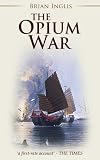
The opium war
by Brian Inglis
On This Page
Description
History. Military. Nonfiction. 1839. Trade is the stalwart of the British Empire. China threatens Britain's Opium trade. Britain and China go to war. When Britain sent troops to compel the Chinese to accept imports of opium, they opened what is argued to be one of the most disgraceful chapters in the history of the Empire. How did the situation arise? How did opium exports become so crucial to the British economy? How did the British come to be as addicted to opium revenue as the Chinese show more were to the drug itself? Brian Inglis gives the answers to these and other questions in this meticulously researched study of The Opium War. Shocking, shaming, but fascinating throughout. show lessTags
Recommendations
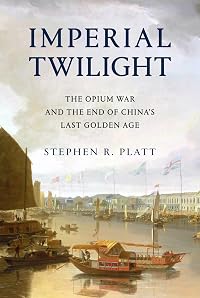
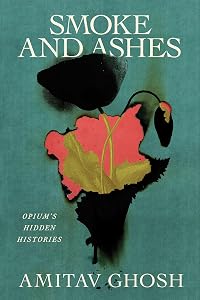








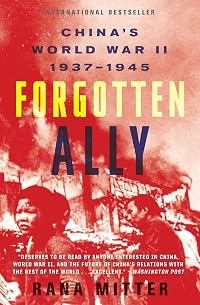
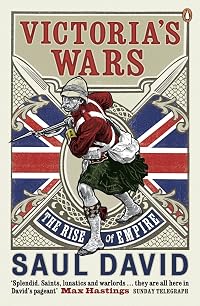
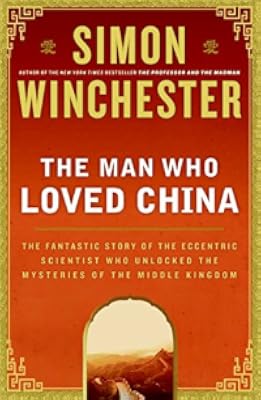
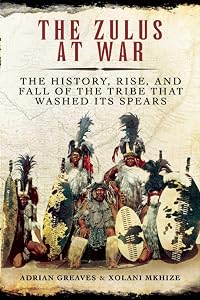



Member Reviews
Brian Inglis appears to be a fascinating character, an Anglo-Irish historian and journalist with a deep interest in psychic phenomenon and alternative medicine. His estate, he died in 1997, has made many of his books available on Kindle Unlimited, and at the price of "free" I decided to take a chance.
The Opium War is one of the darker moments in Britain's imperial history, and seeing the military aspects as tedious due to Britain's massive military superiority, Inglis chooses to focus on the politics. In the early 19th century, India was ruled by the English East India Company, which due to decades of exploitative mismanagement was had impoverished the land. Meanwhile, rising English demand for tea, and lack of demand for British show more manufactured goods in China, presented a problem. The only British good, aside from silver itself, that could be traded was opium. The EIC established an opium monopoly, turning the best agricultural land in India into poppy plantations, and then through a shifting series of private smugglers, proceeded to send the goods into China through the port of Canton. As addictioned turned to an epidemic, Chinese authorities responded by cracking down on the trade, destroying millions of pounds of opium in a mass seizure. This provided the impetus for the war itself, which England handily won.
Inglis is no Dalrymple, and this tale of colonialism gone wrong is dry and somewhat confusing. The best parts are the acid irony by which English authorities use the novel theories of political economy developed by Smith and Ricardo to justify a government monopoly on the production of opium, and also the free trade absolutism which prohibited any Chinese restrictions on the dangerous drug. Goose and gander etc. The last chapter of analysis is worth the book, but it's a long road there. show less
The Opium War is one of the darker moments in Britain's imperial history, and seeing the military aspects as tedious due to Britain's massive military superiority, Inglis chooses to focus on the politics. In the early 19th century, India was ruled by the English East India Company, which due to decades of exploitative mismanagement was had impoverished the land. Meanwhile, rising English demand for tea, and lack of demand for British show more manufactured goods in China, presented a problem. The only British good, aside from silver itself, that could be traded was opium. The EIC established an opium monopoly, turning the best agricultural land in India into poppy plantations, and then through a shifting series of private smugglers, proceeded to send the goods into China through the port of Canton. As addictioned turned to an epidemic, Chinese authorities responded by cracking down on the trade, destroying millions of pounds of opium in a mass seizure. This provided the impetus for the war itself, which England handily won.
Inglis is no Dalrymple, and this tale of colonialism gone wrong is dry and somewhat confusing. The best parts are the acid irony by which English authorities use the novel theories of political economy developed by Smith and Ricardo to justify a government monopoly on the production of opium, and also the free trade absolutism which prohibited any Chinese restrictions on the dangerous drug. Goose and gander etc. The last chapter of analysis is worth the book, but it's a long road there. show less
Ratings
Members
- Recently Added By
Author Information
37+ Works 423 Members
Common Knowledge
- Canonical title
- The opium war
Classifications
- Genres
- Nonfiction, History, General Nonfiction
- DDC/MDS
- 951.03 — History & geography History of Asia East Asia: China, Taiwan, Hong Kong, Korea History 1644-1912 (Qing)
- LCC
- HV5816 — Social sciences Social pathology. Social and public welfare. Criminology Social pathology. Social and public welfare. Drug habits. Drug abuse
Statistics
- Members
- 41
- Popularity
- 717,845
- Reviews
- 1
- Rating
- (3.71)
- Languages
- English
- Media
- Paper, Audiobook, Ebook
- ISBNs
- 4
- ASINs
- 3