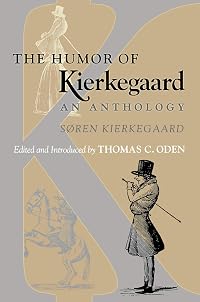
The Humor of Kierkegaard: An Anthology
by Søren Kierkegaard
34 Members (3.50)
On This Page
Description
Who might reasonably be nominated as the funniest philosopher of all time? With this anthology, Thomas Oden provisionally declares Søren Aabye Kierkegaard (1813-1855)--despite his enduring stereotype as the melancholy, despairing Dane--as, among philosophers, the most amusing. Kierkegaard not only explored comic perception to its depths but also practiced the art of comedy as astutely as any writer of his time. This collection shows how his theory of comedy is integrated into his practice show more of comic perception, and how both are integral to his entire authorship. Kierkegaard's humor ranges from the droll to the rollicking; from farce to intricate, subtle analysis; from nimble stories to amusing aphorisms. In these pages you are invited to meet the wife of an author who burned her husband's manuscript and a businessman who, even with an abundance of calling cards, forgot his own name. You will hear of an interminable vacillator whom archeologists found still pacing thousands of years later, trying to come to a decision. Then there is the emperor who became a barkeeper in order to stay in the know. The Humor of Kierkegaard is for anyone ready to be amused by human follies. Those new to Kierkegaard will discover a dazzling mind worth meeting. Those already familiar with his theory of comedy will be delighted to see it concisely set forth and exemplified. Others may have read Kierkegaard intensively without having ever really noticed his comic side. Here they will find what they have been missing. show lessTags
Recommendations



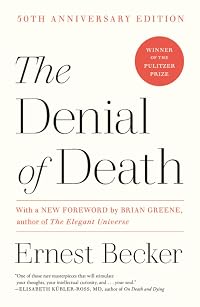
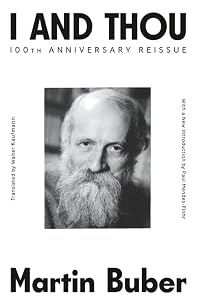
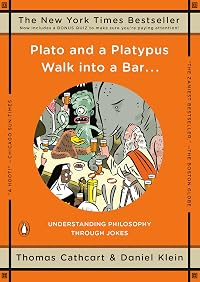
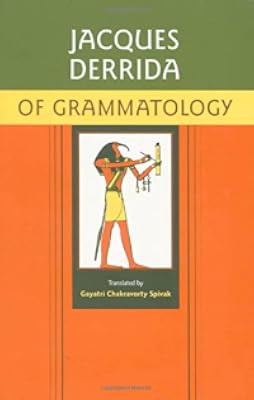


Member Reviews
Members
- Recently Added By
Author Information

627+ Works 33,026 Members
Born in Copenhagen, Denmark, Søren Kierkegaard was the son of a wealthy middle-class merchant. He lived all his life on his inheritance, using it to finance his literary career. He studied theology at the University of Copenhagen, completing a master's thesis in 1841 on the topic of irony in Socrates. At about this time, he became engaged to a show more woman he loved, but he broke the engagement when he decided that God had destined him not to marry. The years 1841 to 1846 were a period of intense literary activity for Kierkegaard, in which he produced his "authorship," a series of writings of varying forms published under a series of fantastic pseudonyms. Parallel to these, he wrote a series of shorter Edifying Discourses, quasi-sermons published under his own name. As he later interpreted it in the posthumously published Point of View for My Work as an Author, the authorship was a systematic attempt to raise the question of what it means to be a Christian. Kierkegaard was persuaded that in his time people took the meaning of the Christian life for granted, allowing all kinds of worldly and pagan ways of thinking and living to pass for Christian. He applied this analysis especially to the speculative philosophy of German idealism. After 1846, Kierkegaard continued to write, publishing most works under his own name. Within Denmark he was isolated and often despised, a man whose writings had little impact in his own day or for a long time afterward. They were translated into German early in the twentieth century and have had an enormous influence since then, on both Christian theology and the existentialist tradition in philosophy. (Bowker Author Biography) show less
Classifications
Statistics
- Members
- 34
- Popularity
- 835,110
- Rating
- (3.50)
- Languages
- English
- Media
- Paper, Ebook
- ISBNs
- 3