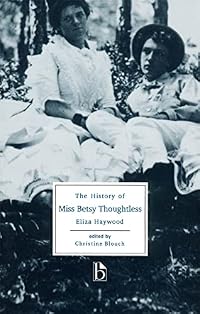
The History of Miss Betsy Thoughtless
by Eliza Haywood
On This Page
Description
A lively, pretty young orphan with a large fortune, Miss Betsy Thoughtless is courted by several eligible suitors. Enjoying their adoration, she dallies with their affections and postpones marriage. Her flirtatiousness, however, alienates the right man, and scares her guardian into marrying her off to a brutish husband. This is one of the first novels (1751) to depict a heroine questioning the sexual double standard and institution of marriage. This is the only edition in print of this show more provocative story of sexual politics. show lessTags
Recommendations




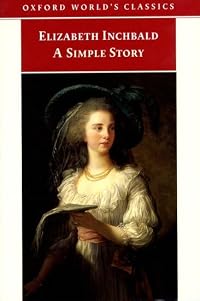
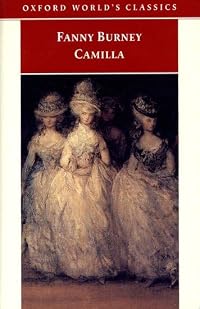
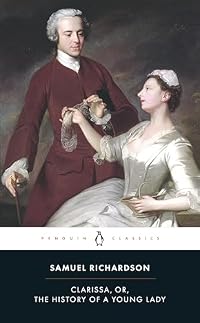


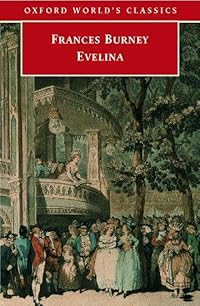




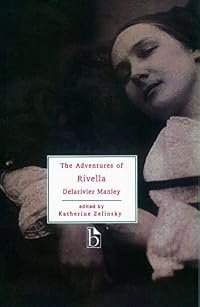

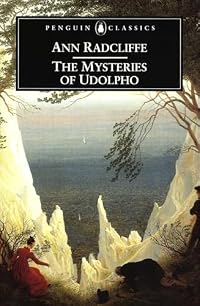
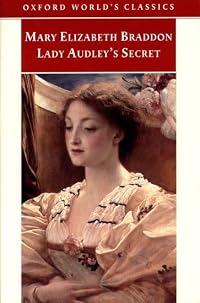

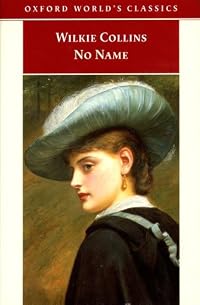



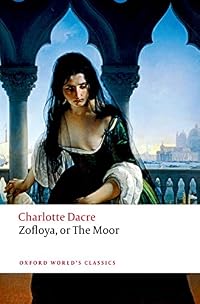
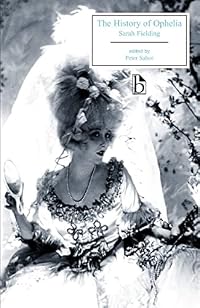


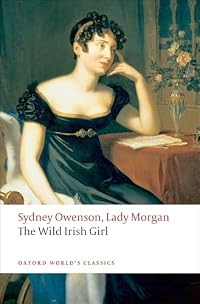
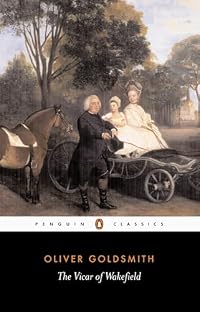

Member Recommendations

susanbooks These novels are equally delightful
Member Reviews
I love when people assume that any novel that was a bestseller in Jane Austen's time must have been quaint and adorable. That's when I get to tell them about all the prostitution and seduction and attempted abortions and attempted date-rape and out-of-wedlock babies.
True, Miss Betsy Thoughtless was a little before Austen's time – it was published in 1751, and Austen was born in 1775. But Eliza Haywood was widely known and eagerly read by Austen's contemporaries. I even found traces of her influence in the humorous writing Austen did as a teenager. (Stop me now, or I'll nerd out all over the place.)
I think one reason Betsy Thoughtless was so popular is that the female characters are completely human. Sure, they talk funny. But they show more like it when guys buy them gifts and talk about how hot they are. (Note to the curious: A pet squirrel was the kind of present that would move you up to the top of the list when it came to Guys The Girls Want At Their Next Party. Fer realz.) These women don't want to get married right away, because partying and flirting all night is fine if you're a single woman but What A Ho territory once you have a husband.
Don't get me wrong – Eliza Haywood wanted to teach her female readers some strong moral lessons. Eighteenth-century women really did have to be careful how far they went with a guy, because ruining your reputation meant ruining your shot at a respectable marriage and you couldn't just decide, what the heck, you'll go back to college and take charge of your own life. Career options were horribly limited. Being a single woman meant, at best, being looked down upon socially. And (as Austen herself said and knew from experience) single women in those times had a dreadful propensity to be poor.
And if you think single mothers have it rough now, try being one in eighteenth-century England.
But reading Eliza Haywood is very different from reading Samuel Richardson's Pamela, another popular novel of the time. Pamela has no discernible carnal desires, and only has to defend her virginity from those who would try to steal it from her – there's no way she'd give it away before her wedding night. She'd never feel the slightest temptation to do so. Sex? Fun? Only if you're a guy.
Eliza Haywood knew that women were just as tempted as men were to live, um, unchastely. Especially when a sophisticated French guy who knows how to please a lady comes along. In Pamela, he would have gotten his way only by forcing it. In Miss Betsy Thoughtless, Betsy listens with horror as her friend describes being seduced because being seduced is fun:
"In a word, my dear Miss Betsy, from one liberty he proceeded to another; till, at last, there was nothing left for him to ask, or me to grant!"
In Pamela's universe, this would have been a one-time Fall From Grace, and probably a fatal one. In Betsy's, her friend (the aptly named Miss Forward) has an affair with the guy all summer, and only stops, regretfully, when he leaves town.
I'm not recommending that anyone who doesn't love or live in the eighteenth century run out and grab this book. I read it as part of my research for a Regency novel. I'm the kind of person who reads Austen for fun, and even I found this a bit of a slog at times. The plot moves along briskly enough, but the language is a bit dense.
Just know that this time period wasn't all tea parties and ladylike behavior. show less
True, Miss Betsy Thoughtless was a little before Austen's time – it was published in 1751, and Austen was born in 1775. But Eliza Haywood was widely known and eagerly read by Austen's contemporaries. I even found traces of her influence in the humorous writing Austen did as a teenager. (Stop me now, or I'll nerd out all over the place.)
I think one reason Betsy Thoughtless was so popular is that the female characters are completely human. Sure, they talk funny. But they show more like it when guys buy them gifts and talk about how hot they are. (Note to the curious: A pet squirrel was the kind of present that would move you up to the top of the list when it came to Guys The Girls Want At Their Next Party. Fer realz.) These women don't want to get married right away, because partying and flirting all night is fine if you're a single woman but What A Ho territory once you have a husband.
Don't get me wrong – Eliza Haywood wanted to teach her female readers some strong moral lessons. Eighteenth-century women really did have to be careful how far they went with a guy, because ruining your reputation meant ruining your shot at a respectable marriage and you couldn't just decide, what the heck, you'll go back to college and take charge of your own life. Career options were horribly limited. Being a single woman meant, at best, being looked down upon socially. And (as Austen herself said and knew from experience) single women in those times had a dreadful propensity to be poor.
And if you think single mothers have it rough now, try being one in eighteenth-century England.
But reading Eliza Haywood is very different from reading Samuel Richardson's Pamela, another popular novel of the time. Pamela has no discernible carnal desires, and only has to defend her virginity from those who would try to steal it from her – there's no way she'd give it away before her wedding night. She'd never feel the slightest temptation to do so. Sex? Fun? Only if you're a guy.
Eliza Haywood knew that women were just as tempted as men were to live, um, unchastely. Especially when a sophisticated French guy who knows how to please a lady comes along. In Pamela, he would have gotten his way only by forcing it. In Miss Betsy Thoughtless, Betsy listens with horror as her friend describes being seduced because being seduced is fun:
"In a word, my dear Miss Betsy, from one liberty he proceeded to another; till, at last, there was nothing left for him to ask, or me to grant!"
In Pamela's universe, this would have been a one-time Fall From Grace, and probably a fatal one. In Betsy's, her friend (the aptly named Miss Forward) has an affair with the guy all summer, and only stops, regretfully, when he leaves town.
I'm not recommending that anyone who doesn't love or live in the eighteenth century run out and grab this book. I read it as part of my research for a Regency novel. I'm the kind of person who reads Austen for fun, and even I found this a bit of a slog at times. The plot moves along briskly enough, but the language is a bit dense.
Just know that this time period wasn't all tea parties and ladylike behavior. show less
Lady Wombat says:
Other reviewers have commented that those who like Austen will like BETSY THOUGHTLESS. For me, what was so interesting was to think about how DIFFERENT this book is from Austen, particularly regarding gender roles and discussions of sex. Written in 1751, a time before domestic ideology became the dominant cultural code, BETSY THOUGHTLESS is far more open about discussing sex, pregnancy, adultery, and desire than Austen was -- Betsy's brother has a mistress; Betsy's friend gets pregnant and has a baby, and Betsy forgives her; Betsy's true love has casual sex with a woman after he is disappointed by Betsy's rudeness to him, and we're not supposed to think him contemptuous for such an action. Betsy herself worries at one show more point that if she lets her love escort her home, she won't be able to contain her desire for him. Fascinating! show less
Other reviewers have commented that those who like Austen will like BETSY THOUGHTLESS. For me, what was so interesting was to think about how DIFFERENT this book is from Austen, particularly regarding gender roles and discussions of sex. Written in 1751, a time before domestic ideology became the dominant cultural code, BETSY THOUGHTLESS is far more open about discussing sex, pregnancy, adultery, and desire than Austen was -- Betsy's brother has a mistress; Betsy's friend gets pregnant and has a baby, and Betsy forgives her; Betsy's true love has casual sex with a woman after he is disappointed by Betsy's rudeness to him, and we're not supposed to think him contemptuous for such an action. Betsy herself worries at one show more point that if she lets her love escort her home, she won't be able to contain her desire for him. Fascinating! show less
This rates between a 3 and a 5, so I'll settle comfortably on a 4. (Judging it based on its 18th C value, it's definitely 5. Has it held its value overall: definitely 3).
Having been a fan of Fielding and Richardson, I came to this with extra delight -- I confess that both Fielding and Richardson fell somewhat in my estimation with Haywood's novel in my hands. I found the novel to be a refreshing and honest view of the 18th century social dance, with a forthrightness that is not found in male writers of the era. (Go figure!)
Notwithstanding its candour, humour and charm, I found my mind wandering at times as Betsy engages in the circular soap-operaesque (is that a word? If not, should be.) behaviour that can drive a person insane. Too show more much meandering, and too much repetition for my taste.
In terms of having kept its intrinsic value over time, as a novel of social mores, I can only judge for myself and say "no". Whereas I delight in re-reading any, and all, of Austen, for instance, and find a new delight in each one of her novels every time, I would not say the same of Haywood.
Assessment: I enjoyed the experience but see no need to repeat it. show less
Having been a fan of Fielding and Richardson, I came to this with extra delight -- I confess that both Fielding and Richardson fell somewhat in my estimation with Haywood's novel in my hands. I found the novel to be a refreshing and honest view of the 18th century social dance, with a forthrightness that is not found in male writers of the era. (Go figure!)
Notwithstanding its candour, humour and charm, I found my mind wandering at times as Betsy engages in the circular soap-operaesque (is that a word? If not, should be.) behaviour that can drive a person insane. Too show more much meandering, and too much repetition for my taste.
In terms of having kept its intrinsic value over time, as a novel of social mores, I can only judge for myself and say "no". Whereas I delight in re-reading any, and all, of Austen, for instance, and find a new delight in each one of her novels every time, I would not say the same of Haywood.
Assessment: I enjoyed the experience but see no need to repeat it. show less
Ratings
Members
- Recently Added By
Author Information

61+ Works 1,215 Members
Some Editions
Series
Belongs to Publisher Series
Common Knowledge
- Canonical title
- The History of Miss Betsy Thoughtless
- Original publication date
- 1751
- People/Characters
- Miss Elizabeth Thoughtless (Betsy); Mr. Munden
Classifications
Statistics
- Members
- 178
- Popularity
- 183,301
- Reviews
- 3
- Rating
- (3.96)
- Languages
- English
- Media
- Paper, Ebook
- ISBNs
- 9
- ASINs
- 6