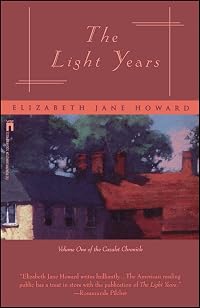
On This Page
Description
In the tradition of Evelyn Waugh and E. M. Forster, the first book in this critically acclaimed multigenerational saga about an upper-middle-class family in Britain before, during, and after World War II recreates a vanished world. As war clouds gather on the distant horizon, Hugh, Edward, and Rupert Cazalet, along with their wives, children, and loyal servants, prepare to leave London for their annual pilgrimage to the family's Sussex estate. There, they will join their parents, William and show more Kitty, and sister, Rachel, at Home Place, the sprawling retreat where the three brothers hope to spend an idyllic summer of years gone by. But the First World War has left indelible scars. Hugh, the eldest of his siblings, was wounded in France and is haunted both by recurring nightmares of battle and the prospect of another war. Edward adores his wife, Villy, a former dancer searching for meaning in life, yet he's incapable of remaining faithful to her. Rupert desires only to fulfill his potential as a painter, but finds that love and art cannot coexist. And devoted daughter Rachel discovers the joys-and limitations-of intimacy with another woman. A candid portrait of British life in the late 1930s and a sweeping depiction of a world on the brink of war, The Light Years is a must-read for fans of Downton Abbey. Three generations of the Cazalet family come to unforgettable dramatic life in this saga about England during the last century-and the long-held values and cherished traditions that would soon disappear forever. show lessTags
Recommendations




















Member Recommendations
Member Reviews
The Cazalets–patriarch, matriarch, three adult sons, their wives and children–traditionally spend their summers at their country house in Sussex. The Light Years opens in 1937, with the first part of the novel developing each of the characters as they enjoy an idyllic summer together: eldest son Hugh his devoted wife Sybil and their three children; second son Edward, his strong-willed wife Viola aka Villy, and their three children; and youngest son Rupert, his much younger wife Zoe, and their children from Rupert’s previous marriage. Hugh and Edward make occasional trips to London for the family timber business, while Sybil and Villy capably manage household affairs while gossiping about Zoe. The cousins band together with those show more closest to their own age, with occasional drama and shifting loyalties. Most of this sounds too good to be true, and sure enough the second part of the novel, set in late 1938, exposes chinks in the family armor and some closely guarded secrets. The threat of war is palpable: Hitler is already laying groundwork for what we know is to come. The family engages both in denial, and preparations for living at their country house for the foreseeable future.
I love a good family saga, and this most certainly is one. Elizabeth Jane Howard puts her female characters at the center, often the source of real power in the family. At the same time, she shows the ways women are disadvantaged in society, through limited education (which continues with the female Cazalet children), to dependence on male wage earners and a complete lack of reproductive freedom. Also, the children are multi-dimensional, setting them up to play more significant roles in the ten years that play out in the remaining Cazalet Chronicles novels. I am really looking forward to continuing this series. show less
I love a good family saga, and this most certainly is one. Elizabeth Jane Howard puts her female characters at the center, often the source of real power in the family. At the same time, she shows the ways women are disadvantaged in society, through limited education (which continues with the female Cazalet children), to dependence on male wage earners and a complete lack of reproductive freedom. Also, the children are multi-dimensional, setting them up to play more significant roles in the ten years that play out in the remaining Cazalet Chronicles novels. I am really looking forward to continuing this series. show less
The first volume in a quintet about a well-to-do family in England pre-, during, and post-World War II, The Light Years introduces a wide cast of characters, from the family matriarch and patriarch, their children, their grandchildren, and their servants. It's not an upstairs-downstairs novel, as the focus is squarely on the Cazalet family, but the servants provide an alternative view of the family and the goings-on. Howard has a wonderful way of individualizing her characters with brief sketches, a necessary talent when there are so many to get a handle on. I loved the interactions among the cousins and siblings, as they combine and separate and re-combine their alliances and enmities. I am planning to read the rest of the cycle this show more year, one every other month was the original plan, but I might need to return to the Cazalets sooner.
4 stars show less
4 stars show less
The first installment in Elizabeth Jane Howard's Cazalet Chronicles, The Light Years introduces us to an upper-middle-class English family in the late 1930s. The Cazalets—parents, three sons and their wives, a bevy of grandchildren—and their servants gather in their country house in Sussex. Over the course of two long, hot summers—by turns idyllic and stifling—the Cazalets face both familial issues and the looming shadow of war.
Howard's clear-eyed view of the opportunities for women in this time and place provides some bite to what in other hands might have been a fairly conventional family saga, and stops it from being too soap-y BBC period drama. It's a very large cast of characters, and I did find the frequent POV changes a show more bit irritating—I would have preferred to spend longer in one POV rather than constantly headhopping. I also found myself having to turn to the family tree quite a bit to keep track of the numerous grandchildren, although I will grant that Howard managed the rare feat of writing children who sound like children. Will definitely be continuing on with the series. show less
Howard's clear-eyed view of the opportunities for women in this time and place provides some bite to what in other hands might have been a fairly conventional family saga, and stops it from being too soap-y BBC period drama. It's a very large cast of characters, and I did find the frequent POV changes a show more bit irritating—I would have preferred to spend longer in one POV rather than constantly headhopping. I also found myself having to turn to the family tree quite a bit to keep track of the numerous grandchildren, although I will grant that Howard managed the rare feat of writing children who sound like children. Will definitely be continuing on with the series. show less
In 1937, there are fears in England of a war with Germany to come, although most dismiss it as unthinkable after the widespread suffering from the first World War. In The Light Years by Elizabeth Jane Howard, the first of a four book series, the extended Cazalet family meets at their Sussex estate presided over by pater familias the Brig, and the Duchy, Kitty, his wife. We quickly come to know the three married sons, handsome and philandering Edward, who nonetheless loves his wife, the dissatisfied former dancer Villy; Hugh, honest to the bone and badly wounded in the Great War, married to pregnant Sybil, who is dedicated to making him happy; Rupert, infatuated with his young and self-centered bride Zoe; and their sister, Rachel, show more unmarried and attracted to her best gal pal. In addition, there are many well-drawn children who apparently move more to center stage in the later books, including the bonded-together cousins Louise, Polly and Clary. There also are a multitude of servants with significant roles. Luckily a character tree of "The Cazalets and their Households" is provided at the beginning of the book. I found myself turning back to it many times before I comfortably remembered each without it.
The writing is smooth and engaging throughout. The reader quickly gets enticed into the setting and into caring about the family.
"Most of Rupert's and Zoe's day was very good. They drove to Rye, quite slowly . . . They drove past fields of wheat with poppies and fields of hops that were nearly ripe, through woods of oak and Spanish chestnut and lanes whose high banks, thick with wild strawberries and stitchwort and ferns, and hedges decorated by the last of the dog-roses bleached nearly white by the sun, through villages with white clinker-built cottages with their gardens blazing with hollyhocks and phlox and roses and small gray churches with yew and lichen-covered tombstones and sometimes a pond with white ducks, past fields of early hay, steaming manure and brown and white chickens finding things to eat. Sometimes they stopped, because Rupert wanted to look properly at things, and Zoe, although she didn't really know why he wanted to, sat contentedly watching him. She loved his throat with the large Adam's apple, and the way his dark blue eyes narrowed when he was staring at things and the small half apologetic smile he gave her when he had looked long enough, let in the clutch and resumed driving."
Rupert has talent as a painter, but can't spend much time on it because of the need to support Zoe. Zoe was one of my favorite characters, as she starts out very young, pretty and self-indulgent, but learns enough from her mistakes that she begins to change and mature by the end of the novel. Each of the characters is skillfully given full individuality, and that, and the absorbing details of place and time, are the strengths of the novel. The reader comes to understand the various family members and their effect on each other and the local populace. Always hovering in the background is the impending war that most fervently hope will never become reality. One character remembers his four years in France during the last war, when "he had always been wet and nearly always frightened, when he had seen things done to men that he wouldn't stand seeing done to an animal, when the land had been nothing but rats and lice and mud and blood . . ."
They pin their hopes on Neville Chamberlain, and we all know how that turns out. Hugh's young daughter Polly is rightly terrified of what is to come, and he talks to her honestly about contingency plans being made, while reassuring her they are only that. Afterwards, he thinks, "Good God, what a conversation to have with your thirteen year old daughter." The honest portrayal of the multi-faceted Cazalet family in pre-war England makes for a topnotch read. I'll be continuing on to the remaining three. show less
The writing is smooth and engaging throughout. The reader quickly gets enticed into the setting and into caring about the family.
"Most of Rupert's and Zoe's day was very good. They drove to Rye, quite slowly . . . They drove past fields of wheat with poppies and fields of hops that were nearly ripe, through woods of oak and Spanish chestnut and lanes whose high banks, thick with wild strawberries and stitchwort and ferns, and hedges decorated by the last of the dog-roses bleached nearly white by the sun, through villages with white clinker-built cottages with their gardens blazing with hollyhocks and phlox and roses and small gray churches with yew and lichen-covered tombstones and sometimes a pond with white ducks, past fields of early hay, steaming manure and brown and white chickens finding things to eat. Sometimes they stopped, because Rupert wanted to look properly at things, and Zoe, although she didn't really know why he wanted to, sat contentedly watching him. She loved his throat with the large Adam's apple, and the way his dark blue eyes narrowed when he was staring at things and the small half apologetic smile he gave her when he had looked long enough, let in the clutch and resumed driving."
Rupert has talent as a painter, but can't spend much time on it because of the need to support Zoe. Zoe was one of my favorite characters, as she starts out very young, pretty and self-indulgent, but learns enough from her mistakes that she begins to change and mature by the end of the novel. Each of the characters is skillfully given full individuality, and that, and the absorbing details of place and time, are the strengths of the novel. The reader comes to understand the various family members and their effect on each other and the local populace. Always hovering in the background is the impending war that most fervently hope will never become reality. One character remembers his four years in France during the last war, when "he had always been wet and nearly always frightened, when he had seen things done to men that he wouldn't stand seeing done to an animal, when the land had been nothing but rats and lice and mud and blood . . ."
They pin their hopes on Neville Chamberlain, and we all know how that turns out. Hugh's young daughter Polly is rightly terrified of what is to come, and he talks to her honestly about contingency plans being made, while reassuring her they are only that. Afterwards, he thinks, "Good God, what a conversation to have with your thirteen year old daughter." The honest portrayal of the multi-faceted Cazalet family in pre-war England makes for a topnotch read. I'll be continuing on to the remaining three. show less
The dust jacket of The Light Years, the first in the Cazalet series, compares the book to the Upstairs, Downstairs television series from the BBC. And there is a certain resemblance, of course, as there would be with any upper-class English family of the early 20th century. However, Elizabeth Jane Howard's book is more like Evelyn Waugh's Brideshead Revisited or Jane Austen's Emma -- a leisurely stroll of a novel where the character development is much more important than any plot line. You'll find you really care how each of the major characters changes and grows -- whether adults or children.
The Light Years also made me realize for the first time how constrained women's lives were, even as late as 1937.
This is a book that will sneak show more up on you. If it were a movie, it would be disparaged as a "chick flick." However, you won't realize how much you like it until you've finished the last page and feel cheated that it's ended. I immediately ordered the next book, Marking Time. show less
The Light Years also made me realize for the first time how constrained women's lives were, even as late as 1937.
This is a book that will sneak show more up on you. If it were a movie, it would be disparaged as a "chick flick." However, you won't realize how much you like it until you've finished the last page and feel cheated that it's ended. I immediately ordered the next book, Marking Time. show less
Na het lezen van de autobiografie ‘Achteraf bezien’ van Elizabeth Jane Howard was ik benieuwd naar haar fictieve werk. Daarom begon ik in ‘Lichte jaren’, het eerste deel van de ‘Cazalet-kronieken’ dat gebaseerd is op haar leven in de zomer van 1937 en het najaar van 1938.
Het verhaal speelt zich grotendeels af in Home Place, het buitenverblijf in Sussex, waar de familie gezellig samen de vakanties doorbrengen. Zo is het mogelijk om alle familieleden in beeld te brengen en ook een goed beeld van het personeel te schetsen.
Aan het roer van zowel het landgoed als het familiebedrijf staat William, alias de generaal, met naast hem de baronie die ervoor zorgt dat het immense huishouden op wieltjes loopt. De lezer leert hun drie show more zonen met hun echtgenotes kennen en ook hun ongetrouwde dochter Rachel, die voor het babyhotel zorgt en een geheime liefde heeft.
Elizabeth nam haar eigen familie als voorbeeld en geeft ons een onverbloemde inkijk in het vooral beperkte leven van de vrouwen. Enkel de zonen krijgen de kans om te studeren, alhoewel sommige liever niet naar de kostschool zouden gaan. De meisjes krijgen les van juf Milliment, die wel de capaciteit van Clary ziet, maar uit ervaring weet dat ze nooit naar de universiteit zal mogen gaan. Het armoedige leven van de gouvernante wordt uitgebreid belicht, net zoals het drukke leven van het personeel, zoals dat van mevrouw Cripps die eten voor de hele familie en het personeel moet maken.
Hoe verder in het boek, hoe groter de oorlogsdreiging wordt. Dit wordt “De Situatie” genoemd, net zoals vele andere zaken niet of slechts in bedekte termen worden besproken. Typisch is het beeld van de familie die rond de radio is verzameld voor de toespraak van Chamberlain. Het personeel mag niet meeluisteren, maar iemand zorgt nog snel voor een radio in de dienstvertrekken.
Sommige lezers zullen het verhaal te langdradig vinden, maar naar mijn mening verschaft EJ Howard ons door al deze details een realistisch portret uit die tijd, zodat we zelf met de toenemende oorlogsspanning meeleven. Er zijn veel personages, misschien zelfs iets te veel, maar hun verschillende karakters worden in de loop van het verhaal duidelijk en hun dagdagelijkse bezigheden schilderen een waarheidsgetrouw beeld van die vooroorlogse jaren.
Alles wordt in eenvoudige zinnen beschreven, met afwisselend taalgebruik, zonder dure woorden, maar met een vleugje humor hier en daar, net zoals in haar autobiografie.
De enige verbeterpunten zijn enkele fouten in de Nederlandse versie en misschien ook een stamboom, om de draad in het familiekluwen van de Cazalets niet kwijt te raken.
Het werd een gedetailleerde tekening van de jaren 1937-1938 in een prettige schrijfstijl, vandaar dat ik het een aanrader vind. show less
Het verhaal speelt zich grotendeels af in Home Place, het buitenverblijf in Sussex, waar de familie gezellig samen de vakanties doorbrengen. Zo is het mogelijk om alle familieleden in beeld te brengen en ook een goed beeld van het personeel te schetsen.
Aan het roer van zowel het landgoed als het familiebedrijf staat William, alias de generaal, met naast hem de baronie die ervoor zorgt dat het immense huishouden op wieltjes loopt. De lezer leert hun drie show more zonen met hun echtgenotes kennen en ook hun ongetrouwde dochter Rachel, die voor het babyhotel zorgt en een geheime liefde heeft.
Elizabeth nam haar eigen familie als voorbeeld en geeft ons een onverbloemde inkijk in het vooral beperkte leven van de vrouwen. Enkel de zonen krijgen de kans om te studeren, alhoewel sommige liever niet naar de kostschool zouden gaan. De meisjes krijgen les van juf Milliment, die wel de capaciteit van Clary ziet, maar uit ervaring weet dat ze nooit naar de universiteit zal mogen gaan. Het armoedige leven van de gouvernante wordt uitgebreid belicht, net zoals het drukke leven van het personeel, zoals dat van mevrouw Cripps die eten voor de hele familie en het personeel moet maken.
Hoe verder in het boek, hoe groter de oorlogsdreiging wordt. Dit wordt “De Situatie” genoemd, net zoals vele andere zaken niet of slechts in bedekte termen worden besproken. Typisch is het beeld van de familie die rond de radio is verzameld voor de toespraak van Chamberlain. Het personeel mag niet meeluisteren, maar iemand zorgt nog snel voor een radio in de dienstvertrekken.
Sommige lezers zullen het verhaal te langdradig vinden, maar naar mijn mening verschaft EJ Howard ons door al deze details een realistisch portret uit die tijd, zodat we zelf met de toenemende oorlogsspanning meeleven. Er zijn veel personages, misschien zelfs iets te veel, maar hun verschillende karakters worden in de loop van het verhaal duidelijk en hun dagdagelijkse bezigheden schilderen een waarheidsgetrouw beeld van die vooroorlogse jaren.
Alles wordt in eenvoudige zinnen beschreven, met afwisselend taalgebruik, zonder dure woorden, maar met een vleugje humor hier en daar, net zoals in haar autobiografie.
De enige verbeterpunten zijn enkele fouten in de Nederlandse versie en misschien ook een stamboom, om de draad in het familiekluwen van de Cazalets niet kwijt te raken.
Het werd een gedetailleerde tekening van de jaren 1937-1938 in een prettige schrijfstijl, vandaar dat ik het een aanrader vind. show less
I was gifted a bag of Cazalets some years ago, picking them up now after reading Laura's (Laurelkeet) enthusiasm for them.
A family saga with a bit of upstairs/downstairs to it in the early volumes at leadt.Kicking off in volume 1 in 1937 introducing all the family/personalities. Howard is wonderful at giving you a varied cast, and allowing you to like even the more difficult characters. And she gives a wonderful flavour of place.
Now I'm heading into WWII in Volume 2 [Marking Time].
A family saga with a bit of upstairs/downstairs to it in the early volumes at leadt.Kicking off in volume 1 in 1937 introducing all the family/personalities. Howard is wonderful at giving you a varied cast, and allowing you to like even the more difficult characters. And she gives a wonderful flavour of place.
Now I'm heading into WWII in Volume 2 [Marking Time].
Members
- Recently Added By
Published Reviews
ThingScore 100
Wat een geluk dat het eerste deel – Lichte Jaren – van deze prachtige, autobiografische serie over de Cazalets, geschreven door Elizabeth Jane Howard (1923 – 2014) dit jaar in het Nederlands is vertaald! Elizabeth Jane Howard is absoluut een getalenteerd schrijfster, die door middel van met name prachtige, uitgebreide beschrijvingen een hele familie in het post-Victoriaanse Engeland tot show more leven brengt. Opnieuw tot leven brengt, misschien wel, want de boekenserie is autobiografisch, gebaseerd op Howards eigen, welgestelde familie. Ze begon in 1982 aan dit uitgebreide werk. Het vijfde deel schreef ze op haar 90ste, een jaar voor haar dood in 2014. Het verhaal verscheen ook als dramaserie bij de BBC…lees verder > show less
added by Jordaan
Lists

Top Five Books of 2013
1,562 works; 715 members

Recommend the 20 best books you've read in the last five years
2,168 works; 609 members

Best family sagas
244 works; 34 members

Best Downton Abbey-esqe books to read
17 works; 7 members

Houses and Buildings as Characters in Fiction
182 works; 28 members

Five star books
1,767 works; 110 members

Books Read in 2020
4,379 works; 124 members

Books Read in 2021
5,361 works; 114 members

KayStJ's to-read list
1,616 works; 11 members

Queen Camilla's Reading Room
65 works; 6 members

Finished in 2024
19 works; 1 member
Author Information

46+ Works 6,668 Members
Elizabeth Jane Howard was born in London, England on March 26, 1923. She was educated by governesses at home. Her first novel, The Beautiful Visit, was published in 1950 and won the John Llewellyn Rhys prize. Her other works include the series the Cazalet Chronicles, Falling, and the autobiography Slipstream. The first two novels of the Cazalet show more Chronicles, The Light Years and Marking Time, became the BBC TV series The Cazalets in 2001. The other books in the series are Confusion, Casting Off, and All Change. She also edited several anthologies and wrote short stories, articles, television plays, film scripts and a book on food with Fay Maschler. She was made a CBE in 2000. She died on January 2, 2014 at the age of 90. (Bowker Author Biography) show less
Some Editions
Series

Belongs to Publisher Series
Le strade [Fazi] (264)
Gallimard, Folio (6992)
Work Relationships
Common Knowledge
- Canonical title
- The Light Years
- Original title
- The Light Years
- Original publication date
- 1990
- People/Characters
- William Cazalet 'the Brig'; Kitty Cazalet 'the Duchy'; Hugh Cazalet; Sybil Cazalet; Edward Cazalet; Villy Cazalet (show all 11); Rupert Cazalet; Zoe Cazalet; Rachel Cazalet; Miss Milliment; Sid
- Important places
- Sussex, England, UK; London, England, UK
- Related movies
- The Cazalets (2001 | IMDb)
- Dedication
- For Jenner Roth
- First words
- The day began at five to seven when the alarm clock (given to Phyllis by her mother when she started service) went off and on and on and on until she quenched it.
- Quotations
- Mr York hadn't written a letter since his mother died so, of course, when he got out his writing things, his pen nib was rusty and the ink in the bottle had dried to nothing. He'd had to lend some ink from Enid who was always... (show all) writing - wrote one letter a week.... Enid's ink turned out to be women's ink - violet-coloured - so he made the letter as businesslike as he could to make up for it.
Edward was signing the letters in his bold, rather careless manner with his fountain pen. It seemed to be failing; he shook it twice, and then turned to his secretary. "Oh, Miss Seafang, it's done the dirty on me again!" Smil... (show all)ing slightly, she produced another pen from her cardigan pocket.
A great deal of the linen was thread-bare, very fine linen, marked in Indian ink that registered its date of birth, so to speak. - Last words
- (Click to show. Warning: May contain spoilers.)That was all.
- Blurbers*
- Rosamunde Pilcher
- Original language
- Inglés
*Some information comes from Common Knowledge in other languages. Click "Edit" for more information.
Classifications
Statistics
- Members
- 1,487
- Popularity
- 15,717
- Reviews
- 67
- Rating
- (3.98)
- Languages
- 9 — Danish, Dutch, English, French, German, Italian, Portuguese, Spanish, Swedish
- Media
- Paper, Audiobook, Ebook
- ISBNs
- 66
- ASINs
- 20