On This Page
Description
This book explores the evolution and critique of cynicism in modern philosophy and society. It examines the decline of traditional philosophical ideals and the rise of cynicism as a response to the political and social changes of the 19th and 20th centuries. Through an analysis of historical and philosophical contexts, the author delves into the interplay between knowledge and power, drawing on the works of Nietzsche and Marx. The book is intended for readers interested in philosophical show more discourse and the impact of cynicism on contemporary thought and culture. show lessTags
Recommendations





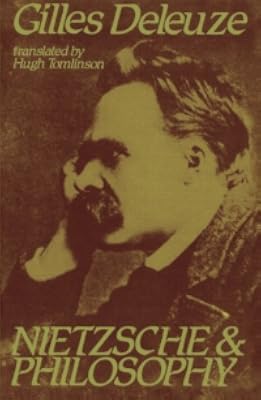


Member Recommendations

freetrader Koestler argues against the reduction of ethics to psychology (Freud), physics etc. I.e. against cynicism and pure power politics. He searches for a different outlook in the Yogi. Sloterdijk is very good at this.
Member Reviews
I'll revel in pretty much anything Sloterdijk's written, no matter how dense; for one huge thing, his turns of phrase often result in magnificently intelligent zingers that can't be matched.
Peter Sloterdijke writes:
Psychologically present-day cynics can be understood as borderline melancholics, who can keep their symptoms of depression under control and can remain more or less able to work. Indeed, this is the essential point in modern cynicism: the ability of it’s bearers to work – in spite of anything that might happen. For cynics are not dumb, and every now and then they certainly see the nothingness to which everything leads. Their psychic apparatus has become elastic enough to incorporate as a survival factor a permanent doubt about their own activities. They know what they are doing, but they do it because, in the short run, the force of circumstances and the instinct for self-preservation are speaking the same show more language, and they are telling them that it has to be so. Others would do it anyway, perhaps worse. Thus, the new, integrated cynicism even has the understandable feeling about itself of being a victim and of making sacrifices. Behind the capable, collaborative hard facade, it covers up a mass of offensive unhappiness and the need to cry.
And later:
It is a matter of experiences for which I can find no other word than the exuberant experience of a well-spent life. In our best moments, when, overcome with success, even the most energetic activity gives way to passivity and the rhythmics of living carry us spontaneously, courage can suddenly make itself felt as a euphoric clarity or a seriousness that is wonderfully tranquil within itself. It awakens the present within us. In the present, awareness climbs all at once to the heights of being. Cool and bright, every moment enters its space; you are no different from its brightness, its coolness, its jubilation. Bad experiences give way to new opportunities. No history makes you old. The unkindnesses of yesterday compel you to nothing. In light of such a presence of spirit, the spell of reenactments is broken. Every conscious second eradicates what is hopelessly past and becomes the first second of an Other History. show less
Psychologically present-day cynics can be understood as borderline melancholics, who can keep their symptoms of depression under control and can remain more or less able to work. Indeed, this is the essential point in modern cynicism: the ability of it’s bearers to work – in spite of anything that might happen. For cynics are not dumb, and every now and then they certainly see the nothingness to which everything leads. Their psychic apparatus has become elastic enough to incorporate as a survival factor a permanent doubt about their own activities. They know what they are doing, but they do it because, in the short run, the force of circumstances and the instinct for self-preservation are speaking the same show more language, and they are telling them that it has to be so. Others would do it anyway, perhaps worse. Thus, the new, integrated cynicism even has the understandable feeling about itself of being a victim and of making sacrifices. Behind the capable, collaborative hard facade, it covers up a mass of offensive unhappiness and the need to cry.
And later:
It is a matter of experiences for which I can find no other word than the exuberant experience of a well-spent life. In our best moments, when, overcome with success, even the most energetic activity gives way to passivity and the rhythmics of living carry us spontaneously, courage can suddenly make itself felt as a euphoric clarity or a seriousness that is wonderfully tranquil within itself. It awakens the present within us. In the present, awareness climbs all at once to the heights of being. Cool and bright, every moment enters its space; you are no different from its brightness, its coolness, its jubilation. Bad experiences give way to new opportunities. No history makes you old. The unkindnesses of yesterday compel you to nothing. In light of such a presence of spirit, the spell of reenactments is broken. Every conscious second eradicates what is hopelessly past and becomes the first second of an Other History. show less
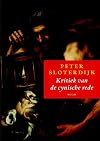
'Perioden van chronische crisis eisen van de menselijke levenswil dat hij permanente onzekerheid accepteert als onvermijdelijke achtergrond van zijn streven naar geluk. Dan wordt het tijd voor kynisme; dat is de levensfilosofie van de crisis.'
Kritik der zynischen Vernunft verscheen in 1983, midden in de economische crisis van de jaren tachtig. Het werd een handboek voor de nieuwe tijd en legde de basis voor Sloterdijks bekendheid.
In het voorjaar van 2013, dertig jaar na de eerste publicatie, verzorgt Uitgeverij Boom een jubileumuitgave van Kritiek van de cynische rede in een geactualiseerde versie. Speciaal hiervoor schreef Sloterdijk een nieuw voorwoord, waarin hij de ontwikkelingen van drie decennia, zowel binnen zijn oeuvre als show more daarbuiten, overziet.
Sloterdijk werkt in dit boek een tegendraads begrip van cynisme uit: geen scepsis en relativisme, maar vrijpostigheid en durf. Aansluitend bij de cynische tradities in de oudheid noemt hij dit kynisme. De filosofie moet zich de allesbeheersende drang naar kennisvermeerdering niet laten opleggen, maar ze moet een manier van leven zijn. Heideggers filosofie van de gelatenheid wordt hier verbonden met Nietzsches vitalisme. Want de kynische mens is wel degelijk actief en strijdbaar: hij 'lacht', 'spot', 'attaqueert', in een gemaskerd spel tussen de mens en de werkelijkheid om hem heen.
Over de auteur(s):
Peter Sloterdijk (1947) is hoogleraar filosofie en esthetica aan de Hochschule für Gestaltung te Karlsruhe en aan de Universität für angewandte Kunst in Wenen. Bij Uitgeverij Boom/SUN verschenen eerder zijn Mediatijd (tweede druk 2012), Regels voor het mensenpark (vijfde druk 2009), Het kristalpaleis (tweede druk 2006), Woede en tijd (tweede druk 2010), Sferen I: Bellen/Globes (2003, paperback 2007), Sferen II: Schuim (2009), Filosofsische Temperamenten (2010) en Je moet je leven veranderen (eerste en tweede druk 2011).
Recensie(s)
Herziene editie van de in 1984 bij Uitgeverij De Arbeiderspers verschenen vertaling. Bevat een nieuw voorwoord van Sloterdijk, waarin hij vanuit zijn huidige positie terugblikt op de tijd waarin hij het schreef. Hoewel de omstandigheden in de wereld de afgelopen dertig jaar op dramatische wijze zijn veranderd, blijft de analyse van het cynisme actueel. De auteur definieert het cynisme waarvan de twintigste-eeuwse maatschappij is doordrongen als 'verlicht vals bewustzijn', dat zich laat vertalen in de formule: 'Want ze weten wat ze doen, en ze doen het toch'. Tegenover dit cynisme stelt hij het antieke kynisme, waarvan Diogenes als voorbeeld geldt, dat gebaseerd is op vrijpostigheid en durf. Het boek kan worden opgevat als poging om 'verlichting' en kritische theorie te redden. In de herziene vertaling is het taalgebruik licht geactualiseerd, waardoor ze vlotter leest dan de eerste vertaling. Toch zal Sloterdijks aforistische, literaire stijl door sommige lezers als minder toegankelijk worden ervaren. Bevat illustraties en noten. Vooral toegankelijk voor filosofisch geschoolde lezers. show less
Kritik der zynischen Vernunft verscheen in 1983, midden in de economische crisis van de jaren tachtig. Het werd een handboek voor de nieuwe tijd en legde de basis voor Sloterdijks bekendheid.
In het voorjaar van 2013, dertig jaar na de eerste publicatie, verzorgt Uitgeverij Boom een jubileumuitgave van Kritiek van de cynische rede in een geactualiseerde versie. Speciaal hiervoor schreef Sloterdijk een nieuw voorwoord, waarin hij de ontwikkelingen van drie decennia, zowel binnen zijn oeuvre als show more daarbuiten, overziet.
Sloterdijk werkt in dit boek een tegendraads begrip van cynisme uit: geen scepsis en relativisme, maar vrijpostigheid en durf. Aansluitend bij de cynische tradities in de oudheid noemt hij dit kynisme. De filosofie moet zich de allesbeheersende drang naar kennisvermeerdering niet laten opleggen, maar ze moet een manier van leven zijn. Heideggers filosofie van de gelatenheid wordt hier verbonden met Nietzsches vitalisme. Want de kynische mens is wel degelijk actief en strijdbaar: hij 'lacht', 'spot', 'attaqueert', in een gemaskerd spel tussen de mens en de werkelijkheid om hem heen.
Over de auteur(s):
Peter Sloterdijk (1947) is hoogleraar filosofie en esthetica aan de Hochschule für Gestaltung te Karlsruhe en aan de Universität für angewandte Kunst in Wenen. Bij Uitgeverij Boom/SUN verschenen eerder zijn Mediatijd (tweede druk 2012), Regels voor het mensenpark (vijfde druk 2009), Het kristalpaleis (tweede druk 2006), Woede en tijd (tweede druk 2010), Sferen I: Bellen/Globes (2003, paperback 2007), Sferen II: Schuim (2009), Filosofsische Temperamenten (2010) en Je moet je leven veranderen (eerste en tweede druk 2011).
Recensie(s)
Herziene editie van de in 1984 bij Uitgeverij De Arbeiderspers verschenen vertaling. Bevat een nieuw voorwoord van Sloterdijk, waarin hij vanuit zijn huidige positie terugblikt op de tijd waarin hij het schreef. Hoewel de omstandigheden in de wereld de afgelopen dertig jaar op dramatische wijze zijn veranderd, blijft de analyse van het cynisme actueel. De auteur definieert het cynisme waarvan de twintigste-eeuwse maatschappij is doordrongen als 'verlicht vals bewustzijn', dat zich laat vertalen in de formule: 'Want ze weten wat ze doen, en ze doen het toch'. Tegenover dit cynisme stelt hij het antieke kynisme, waarvan Diogenes als voorbeeld geldt, dat gebaseerd is op vrijpostigheid en durf. Het boek kan worden opgevat als poging om 'verlichting' en kritische theorie te redden. In de herziene vertaling is het taalgebruik licht geactualiseerd, waardoor ze vlotter leest dan de eerste vertaling. Toch zal Sloterdijks aforistische, literaire stijl door sommige lezers als minder toegankelijk worden ervaren. Bevat illustraties en noten. Vooral toegankelijk voor filosofisch geschoolde lezers. show less
Jan 3, 2017Dutch
Ratings
Members
- Recently Added By
Author Information

113+ Works 4,184 Members
Peter Sloterdijk is Professor of Philosophy and Aesthetics at the Karlsruhe School of Design.
Some Editions
Awards and Honors
Distinctions
Notable Lists
Series

Belongs to Publisher Series
Common Knowledge
- Canonical title
- Critique of Cynical Reason
- Original title
- Kritik der zynischen Vernunft
- Original publication date
- 1983
- Original language*
- Duits
*Some information comes from Common Knowledge in other languages. Click "Edit" for more information.
Classifications
- Genres
- Philosophy, Nonfiction, Literature Studies and Criticism
- DDC/MDS
- 149 — Philosophy & psychology Philosophical schools of thought Other philosophical systems and doctrines
- LCC
- B809.5 .S5813 — Philosophy, Psychology and Religion Philosophy (General) By period Modern Special topics and schools of philosophy
- BISAC
Statistics
- Members
- 567
- Popularity
- 52,239
- Reviews
- 3
- Rating
- (4.03)
- Languages
- 12 — Danish, Dutch, English, French, German, Italian, Polish, Portuguese, Romanian, Russian, Spanish, Swedish
- Media
- Paper, Ebook
- ISBNs
- 31
- ASINs
- 5