On This Page
Description
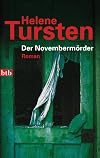
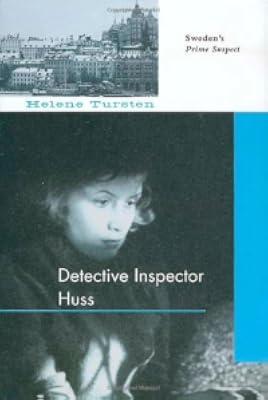
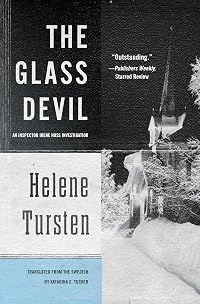
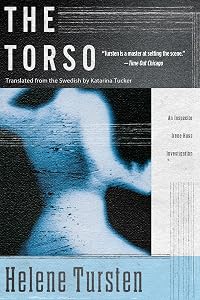
One of the most prominent citizens of Göteborg, Sweden, plunges to his death off an apartment balcony, but what appears to be a “society suicide” soon reveals itself to be a carefully plotted murder. Irene Huss finds herself embroiled in a complex and high-stakes investigation. As Huss and her team begin to uncover the victim’s hidden past, they are dragged into Sweden’s seamy underworld of street gangs, struggling immigrants, and neo-Nazis in order to catch the killer.Tags
Recommendations















Member Reviews
Irene Huss is one of the few women on the Göteborg police force. At 38, Irene is approaching middle age, with a chef husband and teenage fraternal twin daughters. Irene and her colleagues need to solve the murder of one of Göteborg’s wealthiest residents, Richard von Knecht. He fell to his death from the balcony of his apartment home. In her off-duty hours, Irene must find a way to reach one of her daughters who has fallen under the influence of a gang of skinheads.
Although the series title carries Irene’s name, this police procedural features the whole investigative team. Irene’s abilities are respected by most of her colleagues, at least most of the time, but her male colleagues rarely stand up for her in the face of sexist show more comments from the misogynists on the team. While this book has some shortcomings that aren’t uncommon to series debuts, it shows promise. The ending is a bit of a letdown, sincethe chief suspect, who left no evidence of the crime that the investigators could find, helpfully confessed to the murder . The occasionally awkward prose may be attributed to the translator getting used to the author’s writing style. The same thing happened in Camilla Läckberg’s Erica Falck & Patrik Hedström series, which has the same translator for four of its first five books. show less
Although the series title carries Irene’s name, this police procedural features the whole investigative team. Irene’s abilities are respected by most of her colleagues, at least most of the time, but her male colleagues rarely stand up for her in the face of sexist show more comments from the misogynists on the team. While this book has some shortcomings that aren’t uncommon to series debuts, it shows promise. The ending is a bit of a letdown, since
Detective Inspector Huss is a police procedural. It begins with a crime and then the police show up and the slow, painstaking process of gathering information, canvassing neighborhoods, collecting evidence and, above all, sitting in long meetings begins. Helene Tursten walks the reader through each step, so that the book is slow paced and repetitive at the beginning, with long digressions as false leads are researched and names are ticked off the list of possible suspects. The story gains momentum as the investigation proceeds, ending with a burst of excitement, but the heart of the case remains with the paperwork and footwork required to reach that ending.
This was a refreshing change from the usual tropes of detective fiction. Irene show more Huss is happily married, with two children. She's just as involved in her family life as she is in the case she's working, which hinges not on a brilliant, rogue investigator, but on teamwork. Set in the Swedish city of Goteborg during the chilly winter months, this is a solid start to a series I'll continue to read. show less
This was a refreshing change from the usual tropes of detective fiction. Irene show more Huss is happily married, with two children. She's just as involved in her family life as she is in the case she's working, which hinges not on a brilliant, rogue investigator, but on teamwork. Set in the Swedish city of Goteborg during the chilly winter months, this is a solid start to a series I'll continue to read. show less
Inspector Irene Huss is a very unlikely police officer - she drinks only moderately, knows nothing about opera and little about guns or cars, never gets told that she's Off The Case, doesn't appear to be sexually involved with any of her superiors or subordinates of either sex, is happily married to a man with a perfectly normal job and a disconcerting lack of known criminal relatives, she manages (just about) to juggle work and family life, her two teenage daughters have normal teenage problems and are not in the habit of being abducted by serial-killers, and even the family dog has an astonishingly full quota of limbs. One might almost suspect that Tursten doesn't own a television...
Huss has her first outing in a story rich with grey show more Göteborg weather and with strong Sjöwall & Wahlöö overtones, in which a rich financier has fallen from a balcony in circumstances strongly suggesting foul play. Lots of social and sexual exploitation, antiques, Swedish art, some peripheral LGBT characters, and a bunch of violent Hell's Angels, several years before Stieg Larsson made these compulsory for Swedish crime stories. What more could we want?
The team of police officers investigating the crime works together in a very collective, Martin Beck sort of way, and we get to see all their individual talents (the Sexist, the Time-Server, the Keen Young Man, the Attractive Young Woman, the Wise Friend, etc.). What Huss brings to the mix, apart from her Third Dan Black Belt, is her special ability to tie the threads together in the last chapter and work out who did it just before the reader has cottoned on.
A lively and technically competent crime story, but I would have liked to see a bit more bite and humour in the text. That may simply be down to the translation, though - I assume the deciding factors when US publishers are commissioning a translation of a first crime novel by a new author are likely to be cost and turnaround time, not quality...
(This originally had the rather less generic and more enticing title Den krossade tanghästen (The smashed Tang horse) in Swedish.) show less
Huss has her first outing in a story rich with grey show more Göteborg weather and with strong Sjöwall & Wahlöö overtones, in which a rich financier has fallen from a balcony in circumstances strongly suggesting foul play. Lots of social and sexual exploitation, antiques, Swedish art, some peripheral LGBT characters, and a bunch of violent Hell's Angels, several years before Stieg Larsson made these compulsory for Swedish crime stories. What more could we want?
The team of police officers investigating the crime works together in a very collective, Martin Beck sort of way, and we get to see all their individual talents (the Sexist, the Time-Server, the Keen Young Man, the Attractive Young Woman, the Wise Friend, etc.). What Huss brings to the mix, apart from her Third Dan Black Belt, is her special ability to tie the threads together in the last chapter and work out who did it just before the reader has cottoned on.
A lively and technically competent crime story, but I would have liked to see a bit more bite and humour in the text. That may simply be down to the translation, though - I assume the deciding factors when US publishers are commissioning a translation of a first crime novel by a new author are likely to be cost and turnaround time, not quality...
(This originally had the rather less generic and more enticing title Den krossade tanghästen (The smashed Tang horse) in Swedish.) show less
Well drawn characters, good dialog and engaging plot. Hard to grasp Swedish names of Ilene's colleagues at first, but learning more about each helped me differentiate and get to know them.
Enjoyed and appreciated the novel's middle-aged woman's prospective. While sexism still huge problem in work places around the world, this novel succeeded in placing it in context of its lessening foothold.
I was also pleasantly surprised when Tommy, Irene's colleague and friend, calmly 'educated' Irene's twin daughters about Germany's accountability for its historical racism /anti-semitism before and during WWII. And the resulting loss of millions of innocent lives.
Thoroughly and thoughtfully written. Very good read despite running long.
Enjoyed and appreciated the novel's middle-aged woman's prospective. While sexism still huge problem in work places around the world, this novel succeeded in placing it in context of its lessening foothold.
I was also pleasantly surprised when Tommy, Irene's colleague and friend, calmly 'educated' Irene's twin daughters about Germany's accountability for its historical racism /anti-semitism before and during WWII. And the resulting loss of millions of innocent lives.
Thoroughly and thoughtfully written. Very good read despite running long.
When wealthy Swedish businessman Richard von Knecht falls to his death from his apartment balcony everyone assumes it is suicide. Naturally enough for a mystery novel there is soon evidence that leads police to believe von Knecht was actually murdered and they begin the slow process of unravelling which secrets of his life might have led to his murder.
And so we meet the members Göteburg Violent Crimes squad as they start interviewing von Knecht’s family members, neighbours and friends to uncover who might have had the motive and opportunity to commit the crime. The team is a large one led by Detective Superintendent Sven Andersson who is shown, as the book progresses, to be intelligent and supportive of his own staff, though he show more struggles to know how to handle emotionally charged situations and can’t seem to quite fathom how to deal with the women on his team. At times I wanted to give him a good slap but I found him very believable and ultimately sympathetic.
Among the seven Detective Inspectors on the team is Irene Huss, a middle-aged married woman with twin teenage daughters and a refreshingly supportive husband. We see her struggle with a truly scary situation as a parent alongside both frustrating and frightening situations at work and in all instances her behaviour and reactions seem entirely credible. The rest of the team is an interesting mixture of new and old colleagues including Irene’s good friend Tommy whom she has obviously known for many years as he offers to help out when the problem with her daughter arises. There’s also a quiet but hardworking Finnish man on the team, the ubiquitous bloke with one eye on his retirement, a feisty young female Detective Inspector and a brash and often worrisome young man who has a repugnant attitude towards women. Tursten does a lot with the team dynamics over the course of the novel and all of it quite fascinating.
The case, and therefore the novel’s plot, is complicated but Tursten does a good job of keeping the reader on top of all the threads, some of which turn out to be dead ends (though none the less emotional and engaging in one instance in particular). At times I was a bit lost as to the significance of something everyone in the novel seemed fixated on but I felt like the team were learning what was important and what wasn’t along with me and it felt natural to be a little confused at times. This book did an outstanding job of drawing the reader in to the experience of being in on such a case and the myriad of useless information that has to be collected before it can be discarded as of no importance.
At the same time though Tursten does explore a range of interesting social issues in just the right way to keep me interested in the novel. There’s a really moving thread about the perils of forgetting historical events which might lead to repeating the mistakes of past generations and a gripping, if highly frustrating, storyline about the difficulties still faced by women in workplaces that have traditionally been dominated by men. These were incorporated into the story beautifully and gave the book a quite thought-provoking after taste.
I’m very glad to have been introduced to this thoughtful and engaging series which really does set a high bench mark for novels in the police procedural sub-genre.
My rating 4.5/5 show less
And so we meet the members Göteburg Violent Crimes squad as they start interviewing von Knecht’s family members, neighbours and friends to uncover who might have had the motive and opportunity to commit the crime. The team is a large one led by Detective Superintendent Sven Andersson who is shown, as the book progresses, to be intelligent and supportive of his own staff, though he show more struggles to know how to handle emotionally charged situations and can’t seem to quite fathom how to deal with the women on his team. At times I wanted to give him a good slap but I found him very believable and ultimately sympathetic.
Among the seven Detective Inspectors on the team is Irene Huss, a middle-aged married woman with twin teenage daughters and a refreshingly supportive husband. We see her struggle with a truly scary situation as a parent alongside both frustrating and frightening situations at work and in all instances her behaviour and reactions seem entirely credible. The rest of the team is an interesting mixture of new and old colleagues including Irene’s good friend Tommy whom she has obviously known for many years as he offers to help out when the problem with her daughter arises. There’s also a quiet but hardworking Finnish man on the team, the ubiquitous bloke with one eye on his retirement, a feisty young female Detective Inspector and a brash and often worrisome young man who has a repugnant attitude towards women. Tursten does a lot with the team dynamics over the course of the novel and all of it quite fascinating.
The case, and therefore the novel’s plot, is complicated but Tursten does a good job of keeping the reader on top of all the threads, some of which turn out to be dead ends (though none the less emotional and engaging in one instance in particular). At times I was a bit lost as to the significance of something everyone in the novel seemed fixated on but I felt like the team were learning what was important and what wasn’t along with me and it felt natural to be a little confused at times. This book did an outstanding job of drawing the reader in to the experience of being in on such a case and the myriad of useless information that has to be collected before it can be discarded as of no importance.
At the same time though Tursten does explore a range of interesting social issues in just the right way to keep me interested in the novel. There’s a really moving thread about the perils of forgetting historical events which might lead to repeating the mistakes of past generations and a gripping, if highly frustrating, storyline about the difficulties still faced by women in workplaces that have traditionally been dominated by men. These were incorporated into the story beautifully and gave the book a quite thought-provoking after taste.
I’m very glad to have been introduced to this thoughtful and engaging series which really does set a high bench mark for novels in the police procedural sub-genre.
My rating 4.5/5 show less
This is another of those Swedish mystery series that have become so popular. I really liked this one. The main character is Irene Huss and she has a supportive husband, teenage twins, and a much more balanced life than most of the detectives in this kind of series (thinking of Wallender or Harry Hole). She gets into some life-threatening situations and actually takes the time afterward to work through it. She also doesn't totally ignore her family for her job and is still a dedicated detective. It was really refreshing. The plot was fast-paced and interesting. All around I really liked it and would like to read more from the series. My only reservation was that I didn't particularly like the translation. I looked up the later books, show more though, and there is a new translator for subsequent books. I was happy to see that and will be reading them as well. show less
This is the first novel -- and a very good one -- in yet another Scandinavian police procedural series. The Irene Huss series, however, stands out from the pack in several ways. First, this is only series that I am aware of in which the central character, and the head of the police team, is a woman (there are lots of policewomen and the occasional femaie detective chief in Scandi noir, but I can't recall another ongoing example). Second, Irene is a lot more cheerful than many of her fellow detectives. She lives in Gothenburg, in Sweden, and her life is complex -- husband, teenaged daughters, job -- but she generally copes very well, and does not seem prey to the endemic depression (and/or alcoholism) that dominates fictional show more Scandinavian policedom.
In this novel, Irene and her team are investigating the death of a Gothenburg tycoon -- did he fall, or was he pushed, and if so by whom? The plot is involving, and the characters are highly individualized. Great start. show less
In this novel, Irene and her team are investigating the death of a Gothenburg tycoon -- did he fall, or was he pushed, and if so by whom? The plot is involving, and the characters are highly individualized. Great start. show less
Members
- Recently Added By
Lists

Scandinavian Crime Fiction
224 works; 37 members
Scandinavian Crime
90 works; 3 members

My E-Book Collection - Opinions Welcome
92 works; 10 members

Allie's Wishlist
217 works; 2 members

Reading List - Scandinavian Fiction
134 works; 3 members

Allie's List of Books I Want To Read
93 works; 1 member
Author Information

18+ Works 5,827 Members
Some Editions
Series

Belongs to Publisher Series
btb (72554)
Work Relationships
Is contained in
Common Knowledge
- Canonical title
- Detective Inspector Huss
- Original title
- Den krossade tanghästen
- Original publication date
- 1998; 2003 (English) (English)
- People/Characters
- Irene Huss (Detective Inspector); Sven Andersson (Superintendent)
- Important places
- Göteborg, Sweden
- Dedication
- Hilmerille ja Cecilialle
To Hilmer and Cecilia - First words
- Nobody saw him fall through the dense November darkness.
- Last words
- (Click to show. Warning: May contain spoilers.)It was the Light.
- Blurbers
- Corrigan, Maureen
- Original language
- Swedish
- Disambiguation notice
- aka The Broken Tang Horse
Classifications
- Genres
- Fiction and Literature, Mystery
- DDC/MDS
- 839.7374 — Literature & rhetoric German & related literatures Other Germanic literatures Swedish literature Swedish fiction 1900-1999 1945-1999
- LCC
- PT9876.3 .U55 .K76 — Language and Literature German, Dutch and Scandinavian literatures Swedish literature Individual authors or works 1961-2000
- BISAC
Statistics
- Members
- 888
- Popularity
- 30,361
- Reviews
- 38
- Rating
- (3.52)
- Languages
- 11 — Czech, Danish, Dutch, English, Finnish, German, Hungarian, Italian, Norwegian, Spanish, Swedish
- Media
- Paper, Audiobook, Ebook
- ISBNs
- 29
- ASINs
- 7