On This Page
Description
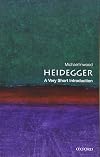
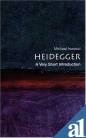
Michael Inwood's lucid introduction to Heidegger's thought focuses on his most important work, 'Being and Time', and its major themes of existence in the world, inauthenticity, guilt destiny, truth, and the nature of time.Tags
Recommendations



















Member Reviews
Being unfamiliar with Heidegger's writing, which I'm given to understand is technical and obscure, I'm not able to offer comment regarding Inwood's explication of his thought. That said, I found Inwood's text occasionally illuminating but often unhelpful. Whether or not the lack of clarity is the result of Inwood's language, though, or the difficulty inherent in simplifying Heidegger's thought, is unclear. A moderately useful introduction that probably requires supplementation with related texts.
While Heidegger is a notoriously difficult read, Michael Inwood has written a lucid and eminently readable introduction. This is masterfully done and perfectly fitted to the VSI format - one of the best I have come across in this series.
I thought I was keeping my head above water for the first 100 pages or so (out of 134), though whether I could explain it all to somebody else is another matter. Then I just got overwhelmed trying to keep all the technical vocabulary straight, especially as it most involved weird meanings of everyday words. It did not help that the glossary was based on the German terms while the text used English.
It's not quite as 'transparent' as the quote on the back would have it but it is accessible as far as Heidegger goes.It starts off fine but as the concepts mount up and intertwine it gets pretty abstruse. There's a wide ground covered with sections on 'authenticity' and the role of art being of most interest to me. If you can get your head around the concepts there's a lot to build on. Inwood provides some concrete examples too so it's not entirely theoretical but the concepts are tricky and elusive at times.
This was a painful read for me. I don't think that this primarily because of the author; it is that much of what Heidegger is saying or might be saying or people claim he is saying is... bunk..? That might be too strong. From my one reading note, my reactions to concepts/ideas/definitions in this book more or less fall into one of:
(1) What? No. That's idiotic.
(2) Ok, ok, ok, sure. So what?
(3) The fuck? The-actual-but-not-literal-contoring-the-fuck-ness?
That might be my one complaint. Inwood uses Heidegger's obtuse language even after describing or clarifying it. I'd have preferred a slightly more verbose expansion that got rid of much of the neologisms.
(1) What? No. That's idiotic.
(2) Ok, ok, ok, sure. So what?
(3) The fuck? The-actual-but-not-literal-contoring-the-fuck-ness?
That might be my one complaint. Inwood uses Heidegger's obtuse language even after describing or clarifying it. I'd have preferred a slightly more verbose expansion that got rid of much of the neologisms.
Heidegger himself is probably clearer about his own ideas and more focused than this introductory text. I recommend just reading one of the many books that were made from Heidegger's lectures.
Η πρώτη απαρχή των Προσωκρατικών κατέχει μια εξέχουσα θέση στη διαρκή αναμέτρηση του Χάιντεγκερ με την ιστορία της μεταφυσικής, και τα τρία κείμενα που ακολουθούν μια εξέχουσα θέση σε αυτή την επικέντρωση. Πρόκειται για κείμενα που παρουσιάστηκαν αρχικά ως διαλέξεις την περίοδο 1943-1952, για να ενταχθούν το 1954 στον τόμο Διαλέξεις και δοκιμές. Στο πρώτο από αυτά,
ο Χάιντεγκερ επιχειρεί να αναδείξει ως show more αρχέγονο νόημα του ηρακλείτειου λέγειν τη "συγκομίζουσα απόθεση και μόνο τούτο", ενώ η λεκτική διατύπωση δεν είναι παρά έκφραση αυτής της πρωτογενούς συλλεκτικής συγκομιδής των όντων και της απόθεσής τους στο ενιαίο πεδίο της παρουσίας. Στο δεύτερο, η δυσχερής ταυτότητα Νοείν και Είναι στο περίφημο τρίτο απόσπασμα του Παρμενίδη και η "διπλότητα" της ονοματικής και ρηματικής πτυχής του εόντος παρουσιάζονται εν τέλει, μετά από μια σειρά εξαιρετικά βαθυστόχαστων αναλύσεων, ως ιστορικές εκφράσεις μιας "Μοίρας" που διέπει το Είναι στο πλαίσιο μιας μεταφυσικής της παρουσίας. Στο τρίτο κείμενο, οι περιοχές της φύσεως και του λόγου χωροθετούνται στο πεδίο μιας αρχέγονης αλήθειας που δεν έχει ακόμα εκπέσει σε "βεβαιότητα", αλλά διατηρεί τον χαρακτήρα της ως δυναμικής συναρμογής αποκάλυψης και απόκρυψης.
Παναγιώτης Θανασάς show less
ο Χάιντεγκερ επιχειρεί να αναδείξει ως show more αρχέγονο νόημα του ηρακλείτειου λέγειν τη "συγκομίζουσα απόθεση και μόνο τούτο", ενώ η λεκτική διατύπωση δεν είναι παρά έκφραση αυτής της πρωτογενούς συλλεκτικής συγκομιδής των όντων και της απόθεσής τους στο ενιαίο πεδίο της παρουσίας. Στο δεύτερο, η δυσχερής ταυτότητα Νοείν και Είναι στο περίφημο τρίτο απόσπασμα του Παρμενίδη και η "διπλότητα" της ονοματικής και ρηματικής πτυχής του εόντος παρουσιάζονται εν τέλει, μετά από μια σειρά εξαιρετικά βαθυστόχαστων αναλύσεων, ως ιστορικές εκφράσεις μιας "Μοίρας" που διέπει το Είναι στο πλαίσιο μιας μεταφυσικής της παρουσίας. Στο τρίτο κείμενο, οι περιοχές της φύσεως και του λόγου χωροθετούνται στο πεδίο μιας αρχέγονης αλήθειας που δεν έχει ακόμα εκπέσει σε "βεβαιότητα", αλλά διατηρεί τον χαρακτήρα της ως δυναμικής συναρμογής αποκάλυψης και απόκρυψης.
Παναγιώτης Θανασάς show less
Feb 10, 2025Greek
Members
- Recently Added By
Author Information

12+ Works 1,004 Members
Some Editions
Series

Belongs to Publisher Series
Common Knowledge
- Canonical title
- Heidegger: A Very Short Introduction
- Original title
- Heidegger. - Oxford [etc.] : Oxford University Press, 1997. - (Past masters)(Oxford paperbacks) (Past masters | Oxford paperbacks)
- Alternate titles
- Heidegger: A Very Short Introduction
- Original publication date
- 1997
- People/Characters
- Heidegger, Martin, 1889-1976
- First words
- He was (with the possible exception of Wittgenstein) the greatest philosopher of the twentieth century.
- Last words
- (Click to show. Warning: May contain spoilers.)In these respects he resembles no one so much as St Augustine.
- Original language
- English
- Disambiguation notice
- Heidegger: A Very Short Introduction was originally published as Heidegger in Oxford's Past Masters series. They are the same work. Please do not separate.
Classifications
Statistics
- Members
- 606
- Popularity
- 48,100
- Reviews
- 8
- Rating
- (3.62)
- Languages
- 7 — Chinese, Dutch, English, German, Greek, Portuguese, Turkish
- Media
- Paper, Audiobook, Ebook
- ISBNs
- 22
- ASINs
- 9