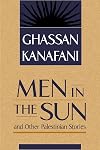
Men in the Sun and Other Palestinian Stories
by Ghassan Kanafani
On This Page
Description
"This collection of important stories by novelist, journalist, teacher, and Palestinian activist Ghassan Kanafani includes the stunning novella Men in the Sun (1962), the basis of the film The Deceived. In the unsparing clarity of his writing, Kanafani offers the reader a gritty look at the agonized world of Palestine and the adjoining Middle East."--Jacket.Tags
Recommendations























Member Recommendations
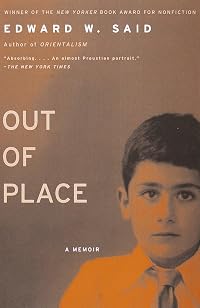
aamirq A Palestinian memoir, covering time from the Palestinian expulsion of 1948 to 1998. Can't be missed by someone looking to read a Palestinian story or for that matter, a middle eastern story.
Member Reviews
This volume contains a novella and six short stories that, through one mechanism or another, all speak about the plight of displaced Palestinians. Ghassān Kasafānī was a spokesman for the Popular Front for the Liberation of Palestine prior to his murder and, based on that, I expected the stories to have an overtly anti-Israeli slant. However, Kasafānī's approach is more subtle and, ultimately, more moving. Instead of imposing an ideology on the reader, he simply shows us the effects…the stark consequences to individuals and families.
I liked each of the stories here; they move in unexpected directions. In "Umm Saad", we hear the martial words from the mouth of a mother rather than her fedayeen son as we might expect. We get a show more reworking of the Biblical story of the Mark of Cain in "If You Were a Horse…", almost a Greek tragedy in the inevitability of fate. Most had a twist to the ending…an almost O. Henry-ish moment that causes the reader to re-think the meaning of what he has just read, making them deeper and more poignant. Particularly moving are the titular novella in which three men attempting to escape into Kuwait become an allegory for the entire Palestinian condition, and "The Land of Sad Oranges" showing us the destruction of a family as they are dispossessed.
Excellent. show less
I liked each of the stories here; they move in unexpected directions. In "Umm Saad", we hear the martial words from the mouth of a mother rather than her fedayeen son as we might expect. We get a show more reworking of the Biblical story of the Mark of Cain in "If You Were a Horse…", almost a Greek tragedy in the inevitability of fate. Most had a twist to the ending…an almost O. Henry-ish moment that causes the reader to re-think the meaning of what he has just read, making them deeper and more poignant. Particularly moving are the titular novella in which three men attempting to escape into Kuwait become an allegory for the entire Palestinian condition, and "The Land of Sad Oranges" showing us the destruction of a family as they are dispossessed.
Excellent. show less
Debo decir que esta calificación alta se debe al espíritu tan humano de los relatos reunidos en este volumen, y no por su traducción (la de Hilary Kilpatrick) que a veces peca de plana y evidente.
En estos tiempos extraños, este libro es una gran herramienta para entender el drama humano de la migración, de cómo el hambre y la pobreza pueden diezmar el espíritu de un pueblo.
Eso sí, esta edición es horrenda. La traducción de Kilpatrick, en cuanto a matices y expresividad, deja bastante que desear, sobre todo si la comparamos con la espléndida versión al español hecha por María Rosa de Madariaga. Además, la tipografía es minúscula, tanto así que hace cansado leer textos de poca extensión.
En fin, lo recomiendo mucho. show more El problema es que, al menos la versión española, es difícil de conseguir en físico. Por fortuna, la embajada de Palestina en Argentina subió a su portal varios textos de Kanafani en pdf, incluyendo este. Les dejo el link aquí abajo, por si se interesan por este gran autor palestino:
http://www.palestina.int.ar/ghassan-kanafani-la-escritura-como-resistencia/ show less
En estos tiempos extraños, este libro es una gran herramienta para entender el drama humano de la migración, de cómo el hambre y la pobreza pueden diezmar el espíritu de un pueblo.
Eso sí, esta edición es horrenda. La traducción de Kilpatrick, en cuanto a matices y expresividad, deja bastante que desear, sobre todo si la comparamos con la espléndida versión al español hecha por María Rosa de Madariaga. Además, la tipografía es minúscula, tanto así que hace cansado leer textos de poca extensión.
En fin, lo recomiendo mucho. show more El problema es que, al menos la versión española, es difícil de conseguir en físico. Por fortuna, la embajada de Palestina en Argentina subió a su portal varios textos de Kanafani en pdf, incluyendo este. Les dejo el link aquí abajo, por si se interesan por este gran autor palestino:
http://www.palestina.int.ar/ghassan-kanafani-la-escritura-como-resistencia/ show less
Tragic.
This is a difficult book to review because I'm not sure if the confusion I felt while reading this was due to the author's writing, or translator errors. There were several times where I wasn't sure which character was being referred to and even a re-read didn't always clarify the question. Considering the blurb above says "In the unsparing clarity of his writing", I suspect this was caused by the translation.
Ignoring the issues I had, this was an interesting read, very close to the bone at times. Life was cheap, yet each of these characters is close to our hearts and we're not ready to part with them.
The 'Men in the Sun' are unfortunate Palestinians, forced from their country and without means to help their families. They take show more the ultimate risk and join the floods of immigrants to Kuwait, where they believe that work and riches await them. The journey is treacherous and they must put their lives in the hands of strangers. Three such men travelling on the roof of a tanker give rise to the title.
'Men in the Sun' is the main story, but there are some shorter stories towards the end, along a similar vein.
Books like these are important for raising awareness; no-one should have to suffer such deprivations because another people has taken that which was not theirs.
I wish I could give four stars but sadly, the confusion marred an otherwise fascinating read. show less
This is a difficult book to review because I'm not sure if the confusion I felt while reading this was due to the author's writing, or translator errors. There were several times where I wasn't sure which character was being referred to and even a re-read didn't always clarify the question. Considering the blurb above says "In the unsparing clarity of his writing", I suspect this was caused by the translation.
Ignoring the issues I had, this was an interesting read, very close to the bone at times. Life was cheap, yet each of these characters is close to our hearts and we're not ready to part with them.
The 'Men in the Sun' are unfortunate Palestinians, forced from their country and without means to help their families. They take show more the ultimate risk and join the floods of immigrants to Kuwait, where they believe that work and riches await them. The journey is treacherous and they must put their lives in the hands of strangers. Three such men travelling on the roof of a tanker give rise to the title.
'Men in the Sun' is the main story, but there are some shorter stories towards the end, along a similar vein.
Books like these are important for raising awareness; no-one should have to suffer such deprivations because another people has taken that which was not theirs.
I wish I could give four stars but sadly, the confusion marred an otherwise fascinating read. show less
A great, but small, collection of short stories reflecting on the struggle of the Palestinian people through the partition and the creation of the state of Israel. The works in themselves are not political, but show the hardships and the struggle in a harsh land. The people are beat but not beaten. There is still a pride and memory of a greater past. Kanafani presents a look at a culture that is often misunderstood or misrepresented in American culture.
Kanafani played a role in the Popular Front for the Liberation of Palestine and was described as 'the commando who never fired a gun' His work and personal non-violence in conflict put him in the same league as Albert Camus. Kanafani and his niece were killed in a car bomb explosion on show more July 8, 1972. The assassination was widely believed to be a retaliation for the Lod airport massacre a few days prior. show less
Kanafani played a role in the Popular Front for the Liberation of Palestine and was described as 'the commando who never fired a gun' His work and personal non-violence in conflict put him in the same league as Albert Camus. Kanafani and his niece were killed in a car bomb explosion on show more July 8, 1972. The assassination was widely believed to be a retaliation for the Lod airport massacre a few days prior. show less
http://www.mytwostotinki.com/?p=1458
That people are leaving their home countries because they want to find a better life somewhere else is a phenomenon that is probably as old as mankind itself. But to me it seems that the extent and speed of this migration has increased a lot in the 20th and 21st centuries beyond anything experienced before.
Apart from the increase of the number of migrants, there is something else that puzzles me about this development: the cynicism and application of double standards towards migrants. While those of "us" westerners who work for some time or permanently abroad (like the writer of these lines) are usually labeled "expatriates", the words that are used to characterize someone who for good reasons is show more looking for work in a wealthy country of the West are "economic migrant", "poverty migrant", "illegal immigrant", "asylum shopper" - and these are still the more friendly terms.
When during the existence of the Iron Curtain migration from Eastern Europe was extremely limited, and those who tried to flee were leaving their countries in very dangerous circumstances, these migrants were branded as heroes and freedom fighters who wanted to leave behind a terrible communist dictatorship; now when the same people leave their places for the same reason - an unbearable situation for themselves and their families - they are usually downgraded linguistically a lot.
And those who flee by boat via the Mediterranean to Europe, or to Australia via the Indian Ocean: they all could be saved, but better let them drown so that less of "them" cause "us" any trouble...Welcome to the world of hypocrisy! - the same world that doesn't give a damn about the civilians and children that fall victim to the drone assassinations of the "West" and starts a discussion about the moral implications of this extra-legal killings on a large scale only in that moment when some of the victims happen by chance to be one of "us" (i.e. Christians from Western countries).
Forced migration, ethnic cleansing, the attempt to cross borders in search for a better life, and the situation of exile in general are important topics of the literature of the last decades. The story Men in the Sun by the Palestinian author Ghassan Kanafani is a classic in this respect.
Three Palestinian men that lost their homes in Palestine during the events of 1947/48 (the Naqba, or catastrophe, as it is called by the victims) are in the center of the story. They lead a rather miserable life without any perspective in the huge refugee camps in Jordan, Iraq and other Arab countries. (As an aside: also the Arab countries apply double standards; while "the Palestinians" are usually considered the victims of Zionism/Imperialism, most of the real Palestinians are less welcome by these countries and still live in refugee camps, decades after their eviction. Only Jordan granted the majority of them citizen rights.)
Kuwait, in the early 1960s developing its oil industry, was in this moment for many of these men a kind of Promised Land. Once you made it there (illegally), you had - with a little bit of luck, connections and backshish - a chance to get an employment based on a temporary contract. A unique opportunity to support your beloved one's in the refugee camps, pay for a decent education for your siblings, or prepare to get married.
Basra in Iraq was at that time the place from which many small groups left to make their way past the border guards through the desert. Smuggling refugees was (and is) a very profitable business, and so we witness our three main characters looking for an affordable and reliable guide.
Kanafani made a very good decision to introduce each of the three men, their background and their way of thinking, their different character and outlook on life in a separate chapter.
There is Abu Quais, the oldest of the group. A farmer by profession, who is missing his olive trees in Palestine and who hopes to make enough money in Kuwait to be able to buy saplings for a new olive grove somewhere. In his fatalistic, a bit stubborn way he seems very characteristic for the Palestinian peasant, or the peasant in general.
Then there is young Marwan, who stands up to the financial demands of a particular unpleasant businessmen who insists on a high advance payment and no guarantee for success for the undertaking. Marwan quickly emerges as the unofficial leader of the small group, and we can almost be sure that with his energy and optimism, he can be very successful in Kuwait - if he gets there at all of course.
And then there is the good-hearted, naive Assad. After his brother stopped to send money from Kuwait (he got married and supports his own small family now), he had to stop his studies and tries to get now also to Kuwait.
And there is of course the guide, Abul Khiazuran, who promises to smuggle them in the water tank of his truck through the border checkpoints. If only it wouldn't be so terribly hot in the empty water tank - but it will be ok, if they don't have to wait very long at the checkpoints. Otherwise...
For the reader it is not a surprise that this journey ends in a disaster. When the driver pulls out the bodies of the three men after the border crossing, he - like the reader - is asking himself a startling question:
"The thought slipped from his mind and ran onto his tongue: "Why didn't they knock on the sides of the tank?" He turned right round once, but he was afraid he would fall, so he climbed into his seat and leaned his head on the wheel. "Why didn't you knock on the sides of the tank? Why didn't you say anything? Why? - The desert suddenly began to send back the echo: "Why didn't you knock on the sides of the tank? Why didn't you knock on the sides of the tank? Why? Why? Why?"
What struck me also about this story was the deep symbolism of the fact that the bodies are deposed at a garbage dump; this is how much a refugee's life is worth. And also the fact that the driver lost his manhood literally as a result of his fight with the Israelis, and is now interested in only one thing: money is of course also charged with a symbolic meaning.
One more thing: there are no antisemitic slurs in any of Kanafani's stories of this collection of stories. Sure, the Jews/Israelis are the enemies of these people; those who are responsible for the loss of their homes, their miserable lives in the refugee camps, and the loss of many lives too. But the enemy is not a demon, just someone who took away the land and existence of people who have lived in Palestine for hundreds of years.
The other stories in this collection are also very good; I was particular impressed by The Land of Sad Oranges, a short story about a family who is forced to flee their home and escape to Lebanon. The few oranges that they can take with them make them cry; a memory of what they lost and will probably never see again.
Ghassan Kanafani (born 1936) was one of the most talented Arabic prose writers. Born in Palestine, he had to leave his home at the age of 12 and shared many experiences of the people in his stories. He became also a political activist and joined the Popular Front for the Liberation of Palestine of George Habash. Fortunately, his work is not that of a political propagandist; it shows the suffering of the people of Palestine, and asks for empathy from its readers, not for agreement with a political program.
Kanafani was killed by a car-bomb explosion in 1972 in Beirut, together with his niece. Nowadays the assassination would have been executed by a drone. I suppose some people may call that "progress". show less
That people are leaving their home countries because they want to find a better life somewhere else is a phenomenon that is probably as old as mankind itself. But to me it seems that the extent and speed of this migration has increased a lot in the 20th and 21st centuries beyond anything experienced before.
Apart from the increase of the number of migrants, there is something else that puzzles me about this development: the cynicism and application of double standards towards migrants. While those of "us" westerners who work for some time or permanently abroad (like the writer of these lines) are usually labeled "expatriates", the words that are used to characterize someone who for good reasons is show more looking for work in a wealthy country of the West are "economic migrant", "poverty migrant", "illegal immigrant", "asylum shopper" - and these are still the more friendly terms.
When during the existence of the Iron Curtain migration from Eastern Europe was extremely limited, and those who tried to flee were leaving their countries in very dangerous circumstances, these migrants were branded as heroes and freedom fighters who wanted to leave behind a terrible communist dictatorship; now when the same people leave their places for the same reason - an unbearable situation for themselves and their families - they are usually downgraded linguistically a lot.
And those who flee by boat via the Mediterranean to Europe, or to Australia via the Indian Ocean: they all could be saved, but better let them drown so that less of "them" cause "us" any trouble...Welcome to the world of hypocrisy! - the same world that doesn't give a damn about the civilians and children that fall victim to the drone assassinations of the "West" and starts a discussion about the moral implications of this extra-legal killings on a large scale only in that moment when some of the victims happen by chance to be one of "us" (i.e. Christians from Western countries).
Forced migration, ethnic cleansing, the attempt to cross borders in search for a better life, and the situation of exile in general are important topics of the literature of the last decades. The story Men in the Sun by the Palestinian author Ghassan Kanafani is a classic in this respect.
Three Palestinian men that lost their homes in Palestine during the events of 1947/48 (the Naqba, or catastrophe, as it is called by the victims) are in the center of the story. They lead a rather miserable life without any perspective in the huge refugee camps in Jordan, Iraq and other Arab countries. (As an aside: also the Arab countries apply double standards; while "the Palestinians" are usually considered the victims of Zionism/Imperialism, most of the real Palestinians are less welcome by these countries and still live in refugee camps, decades after their eviction. Only Jordan granted the majority of them citizen rights.)
Kuwait, in the early 1960s developing its oil industry, was in this moment for many of these men a kind of Promised Land. Once you made it there (illegally), you had - with a little bit of luck, connections and backshish - a chance to get an employment based on a temporary contract. A unique opportunity to support your beloved one's in the refugee camps, pay for a decent education for your siblings, or prepare to get married.
Basra in Iraq was at that time the place from which many small groups left to make their way past the border guards through the desert. Smuggling refugees was (and is) a very profitable business, and so we witness our three main characters looking for an affordable and reliable guide.
Kanafani made a very good decision to introduce each of the three men, their background and their way of thinking, their different character and outlook on life in a separate chapter.
There is Abu Quais, the oldest of the group. A farmer by profession, who is missing his olive trees in Palestine and who hopes to make enough money in Kuwait to be able to buy saplings for a new olive grove somewhere. In his fatalistic, a bit stubborn way he seems very characteristic for the Palestinian peasant, or the peasant in general.
Then there is young Marwan, who stands up to the financial demands of a particular unpleasant businessmen who insists on a high advance payment and no guarantee for success for the undertaking. Marwan quickly emerges as the unofficial leader of the small group, and we can almost be sure that with his energy and optimism, he can be very successful in Kuwait - if he gets there at all of course.
And then there is the good-hearted, naive Assad. After his brother stopped to send money from Kuwait (he got married and supports his own small family now), he had to stop his studies and tries to get now also to Kuwait.
And there is of course the guide, Abul Khiazuran, who promises to smuggle them in the water tank of his truck through the border checkpoints. If only it wouldn't be so terribly hot in the empty water tank - but it will be ok, if they don't have to wait very long at the checkpoints. Otherwise...
For the reader it is not a surprise that this journey ends in a disaster. When the driver pulls out the bodies of the three men after the border crossing, he - like the reader - is asking himself a startling question:
"The thought slipped from his mind and ran onto his tongue: "Why didn't they knock on the sides of the tank?" He turned right round once, but he was afraid he would fall, so he climbed into his seat and leaned his head on the wheel. "Why didn't you knock on the sides of the tank? Why didn't you say anything? Why? - The desert suddenly began to send back the echo: "Why didn't you knock on the sides of the tank? Why didn't you knock on the sides of the tank? Why? Why? Why?"
What struck me also about this story was the deep symbolism of the fact that the bodies are deposed at a garbage dump; this is how much a refugee's life is worth. And also the fact that the driver lost his manhood literally as a result of his fight with the Israelis, and is now interested in only one thing: money is of course also charged with a symbolic meaning.
One more thing: there are no antisemitic slurs in any of Kanafani's stories of this collection of stories. Sure, the Jews/Israelis are the enemies of these people; those who are responsible for the loss of their homes, their miserable lives in the refugee camps, and the loss of many lives too. But the enemy is not a demon, just someone who took away the land and existence of people who have lived in Palestine for hundreds of years.
The other stories in this collection are also very good; I was particular impressed by The Land of Sad Oranges, a short story about a family who is forced to flee their home and escape to Lebanon. The few oranges that they can take with them make them cry; a memory of what they lost and will probably never see again.
Ghassan Kanafani (born 1936) was one of the most talented Arabic prose writers. Born in Palestine, he had to leave his home at the age of 12 and shared many experiences of the people in his stories. He became also a political activist and joined the Popular Front for the Liberation of Palestine of George Habash. Fortunately, his work is not that of a political propagandist; it shows the suffering of the people of Palestine, and asks for empathy from its readers, not for agreement with a political program.
Kanafani was killed by a car-bomb explosion in 1972 in Beirut, together with his niece. Nowadays the assassination would have been executed by a drone. I suppose some people may call that "progress". show less
The stories in this collection share the common elements of isolation, disorientation and tragedy. When the Jewish community moved into Israel and Palestine after WWII, it was the Palestinians that became displaced and geographically orphaned. These stories emphasis their desire to be home and their struggles, and ultimate failure, to survive. The longest of the stories is Men in the Sun. I read that story for my Middle Eastern Studies class and I remember crying for a good half hour after putting the book down. It follows the tale of four men trying to escape into Kuwait with the help of an military man, hiding them in his lorry. Kanafani gives us four individual lives, stories and strengths brought together, united to escape the show more terror in Palestine and build a new life for themselves.
More at: http://thenovelworld.com show less
More at: http://thenovelworld.com show less
4.5 stars
Ghassan Kanafani, the author, was killed by a car bomb. He was a journalist who wrote for several newspapers before starting a magazine called Al-Hadaf in 1969.
He believed that there would be no solution to the problem in Palestine unless the Arab world had a social revolution.
Men in the Sun, 5 stars
Three Palestinian men are trying to make their way from a refugee camp in Iraq to Kuwait, in order to get jobs to support their families. One is an old man, one is a young man, just dropping out of school, and the other is of marrying age.
Abu Qais, the older of the three, recalls a teacher from the their village, Ustaz Selim, who had died before the Jews kicked them out of their land:
"... The mercy of God be upon you, ustaz selim, show more the mercy of God be upon you. God was certainly good to you when he made you die one night before The wretched village fell into the hands of the jews. One night only. O god, is there any Divine favor greater than that? It is true that the men were too busy to bury you and honor you and your death. But all the same you stayed there. You stayed there. You saved yourself humiliation and wretchedness, and you preserved your old age from shame. The mercy of God be upon you, Ustaz Selim. If you had lived, if you had been drowned by poverty as I have, I wonder if you would have done what I am doing now. Would you have been willing to carry all your years on your shoulders and flee across the desert to Kuwait to find a crust of bread?"
Marwan is the young man of the group. His father left his mother and their family to go live with a young woman who was given a house by a charity group. Her left leg had been blown off. Now his family is destitute without any support, which is why he wants to go work in the Kuwait oil fields.
"Yet he couldn't hate his father so much, for the simple reason that his father still loved them all. Marwan had been completely convinced of that when he went to say goodbye to his father before he left. He did not tell his mother that he was going to shafiqa's house, or she would have been beside herself. His father said to him there:
'you know that I have no choice in the matter. It is something that has been decreed for us since the beginning of creation.'
Shafiqa said:
'we suggested to your mother that she should come and live here but she didn't agree. What more do you want us to do?' "
There are many smugglers in Basra, and most of them charge 15 dinars ($49.38). they have heard that the guides will leave them on the road, and tell them to walk the rest of the way by themselves. They show them the lights in the distance, saying that they are the lights of Kuwait. But when they get near, they see they are a village of Bedouins.
The sun is a blazing torrent of fire that pours down on anyone attempting this desert crossing.
It is august, and Google reports that the desert near Kuwait can get up to 130° f.
Abul Khaizuran drives a water tanker. He meets with the men, and offers to smuggle them inside the water tanker for 10 dinars. They will ride on top of the truck, and one can sit inside with the driver, But when they get near to the checkpoints, they will need to climb inside of the empty water tanker. It will only take Abul Khaizuran 7 minutes, tops, to go inside, get the papers signed, jump back in the truck, drive a little ways, and let them out of the water tanker.
But on the second checkpoint, the officials start teasing Abul Khaizuran about spending a night with a sex worker, and end up taking 36 minutes before he can get his papers signed and run back to the truck, start it up and, as soon as he gets past a little hill, stops and opens the cover of the water tanker.
Guess what Abul Khaizuran finds when he opens the tanker?
From a footnote to the story:
"Those who have seen the filmed version of the novella, Al-Makhdûcûn (The Deceived, 1972), will realize that the plot has been altered, so that the three Palestinians who in the book die in silence are shown in the film beating on the walls of their hiding place as they suffocate, to attract the attention of those outside. A film similar to The novella and its denouement would have appeared glaringly incongruous at a time when the resistance movements were established."
The Sad Oranges, 4 stars
The story recounts the life of a family, living in palestine, who had a large orange orchard. One night Jews came and they had to quickly load up their household onto a truck. They stopped by the side of the road to buy some oranges from a peasant standing there.
As The story goes the oranges would shrivel up if a change occurred and they were watered by a strange hand.
The family was destroyed by the change.
If You Were a Horse.. , 2 stars
A superstition about a creature born with a blood-stain birthmark on its side causes self-fulfilling deaths
A Hand in the Grave, 3 stars
A Turkish peasant has the last laugh when a couple of medical students try to rob a skeleton from his "graveyard."
Umm Saad, 3 stars
A mother's son joins the Arab guerillas, who fight against the israelis, and she's worried about him.
When her son goes off to be a soldier, Umm Ssad wants to follow him.
" 'God bless them all.' She falls silent for a moment, then turned to face me. 'Do you think he'd be pleased if I went to see him? I can save the money for the journey, and get there in 2 days.' She remembered something and finished off: 'do you know something? children are slavery. If I didn't have these two children, I'd have followed him. I'd have lived there with him. In a tent, yes, a tent and a refugee camp is quite different from one in a guerilla base. I would have lived with them, cooked for them, done all I could for them. But children are slavery.' "
I wish I could read the whole novel that this is an excerpt from.
The Falcon, 4 stars
This is a beautiful story about a man who had a falcon, who helped him to hunt gazelles. One day the falcon was hunting a gazelle, but it would not attack it. Instead, they became friends.
Letter from Gaza, 4 stars
So sad, this story, about a man whose friend gets a job teaching in a California university, and he wants his friend to join him there. But he decides to stay with his beloved Gaza. The story is a letter to his friend, pleading with him to come back to Gaza. show less
Ghassan Kanafani, the author, was killed by a car bomb. He was a journalist who wrote for several newspapers before starting a magazine called Al-Hadaf in 1969.
He believed that there would be no solution to the problem in Palestine unless the Arab world had a social revolution.
Men in the Sun, 5 stars
Three Palestinian men are trying to make their way from a refugee camp in Iraq to Kuwait, in order to get jobs to support their families. One is an old man, one is a young man, just dropping out of school, and the other is of marrying age.
Abu Qais, the older of the three, recalls a teacher from the their village, Ustaz Selim, who had died before the Jews kicked them out of their land:
"... The mercy of God be upon you, ustaz selim, show more the mercy of God be upon you. God was certainly good to you when he made you die one night before The wretched village fell into the hands of the jews. One night only. O god, is there any Divine favor greater than that? It is true that the men were too busy to bury you and honor you and your death. But all the same you stayed there. You stayed there. You saved yourself humiliation and wretchedness, and you preserved your old age from shame. The mercy of God be upon you, Ustaz Selim. If you had lived, if you had been drowned by poverty as I have, I wonder if you would have done what I am doing now. Would you have been willing to carry all your years on your shoulders and flee across the desert to Kuwait to find a crust of bread?"
Marwan is the young man of the group. His father left his mother and their family to go live with a young woman who was given a house by a charity group. Her left leg had been blown off. Now his family is destitute without any support, which is why he wants to go work in the Kuwait oil fields.
"Yet he couldn't hate his father so much, for the simple reason that his father still loved them all. Marwan had been completely convinced of that when he went to say goodbye to his father before he left. He did not tell his mother that he was going to shafiqa's house, or she would have been beside herself. His father said to him there:
'you know that I have no choice in the matter. It is something that has been decreed for us since the beginning of creation.'
Shafiqa said:
'we suggested to your mother that she should come and live here but she didn't agree. What more do you want us to do?' "
There are many smugglers in Basra, and most of them charge 15 dinars ($49.38). they have heard that the guides will leave them on the road, and tell them to walk the rest of the way by themselves. They show them the lights in the distance, saying that they are the lights of Kuwait. But when they get near, they see they are a village of Bedouins.
The sun is a blazing torrent of fire that pours down on anyone attempting this desert crossing.
It is august, and Google reports that the desert near Kuwait can get up to 130° f.
Abul Khaizuran drives a water tanker. He meets with the men, and offers to smuggle them inside the water tanker for 10 dinars. They will ride on top of the truck, and one can sit inside with the driver, But when they get near to the checkpoints, they will need to climb inside of the empty water tanker. It will only take Abul Khaizuran 7 minutes, tops, to go inside, get the papers signed, jump back in the truck, drive a little ways, and let them out of the water tanker.
But on the second checkpoint, the officials start teasing Abul Khaizuran about spending a night with a sex worker, and end up taking 36 minutes before he can get his papers signed and run back to the truck, start it up and, as soon as he gets past a little hill, stops and opens the cover of the water tanker.
Guess what Abul Khaizuran finds when he opens the tanker?
From a footnote to the story:
"Those who have seen the filmed version of the novella, Al-Makhdûcûn (The Deceived, 1972), will realize that the plot has been altered, so that the three Palestinians who in the book die in silence are shown in the film beating on the walls of their hiding place as they suffocate, to attract the attention of those outside. A film similar to The novella and its denouement would have appeared glaringly incongruous at a time when the resistance movements were established."
The Sad Oranges, 4 stars
The story recounts the life of a family, living in palestine, who had a large orange orchard. One night Jews came and they had to quickly load up their household onto a truck. They stopped by the side of the road to buy some oranges from a peasant standing there.
As The story goes the oranges would shrivel up if a change occurred and they were watered by a strange hand.
The family was destroyed by the change.
If You Were a Horse.. , 2 stars
A superstition about a creature born with a blood-stain birthmark on its side causes self-fulfilling deaths
A Hand in the Grave, 3 stars
A Turkish peasant has the last laugh when a couple of medical students try to rob a skeleton from his "graveyard."
Umm Saad, 3 stars
A mother's son joins the Arab guerillas, who fight against the israelis, and she's worried about him.
When her son goes off to be a soldier, Umm Ssad wants to follow him.
" 'God bless them all.' She falls silent for a moment, then turned to face me. 'Do you think he'd be pleased if I went to see him? I can save the money for the journey, and get there in 2 days.' She remembered something and finished off: 'do you know something? children are slavery. If I didn't have these two children, I'd have followed him. I'd have lived there with him. In a tent, yes, a tent and a refugee camp is quite different from one in a guerilla base. I would have lived with them, cooked for them, done all I could for them. But children are slavery.' "
I wish I could read the whole novel that this is an excerpt from.
The Falcon, 4 stars
This is a beautiful story about a man who had a falcon, who helped him to hunt gazelles. One day the falcon was hunting a gazelle, but it would not attack it. Instead, they became friends.
Letter from Gaza, 4 stars
So sad, this story, about a man whose friend gets a job teaching in a California university, and he wants his friend to join him there. But he decides to stay with his beloved Gaza. The story is a letter to his friend, pleading with him to come back to Gaza. show less
Members
- Recently Added By
Lists

Middle East Fiction
179 works; 16 members

Books Referenced by Khalidi's The Hundred Years' War on Palestine
181 works; 1 member

Arab and Arab Diaspora Literature We Recommend
112 works; 53 members
Author Information

105+ Works 1,235 Members
Kanafani was born in Acre and worked for a time in Kuwait as a teacher. He edited a daily newspaper in Beirut until he was blown up by a bomb placed in his car. His novels, short stories, and one play are interwoven with the tragedy of the Palestinian refugees. (Bowker Author Biography)
Awards and Honors
Notable Lists
Common Knowledge
- Original publication date
- 1998; 1963 (Arabic) (Arabic); 1956 ("Letter from Gaza") ("Letter from Gaza"); 1958 ("The Land of Sad Oranges") ("The Land of Sad Oranges"); 1961 ("If You Were a Horse..." and "The Falcon"") ("If You Were a Horse..." and "The Falcon""); 1962 ("Men in the Sun" and "A Hand in the Grave" ("Men in the Sun" and "A Hand in the Grave") (show all 7); 1969 ("Umm Saad") ("Umm Saad")
- Important places
- Palestine
- Dedication
- To Anni H. Kanafani -- G.
- First words
- Abu Qais rested on the damp ground, and the earth began to throb under him with tired heartbeats, which trembled through the grains of sand and penetrated the cells of his body.
- Last words*
- (Click to show. Warning: May contain spoilers.)Hon betraktade det gröna skottet som sköt upp ur jorden med en kraft så att det nästan hördes.
*Some information comes from Common Knowledge in other languages. Click "Edit" for more information.
Classifications
- Genres
- Fiction and Literature, General Fiction
- DDC/MDS
- 892.736 — Literature & rhetoric Literatures of other languages Afro-Asiatic literatures Arabic (Egypt, Lebanon, Palestine, Saudi Arabia, Sudan) Arabic fiction 1945–2000
- LCC
- PJ7842 .A5 .R513 — Language and Literature Oriental languages and literatures Oriental philology and literature Arabic Arabic literature Individual authors or works
- BISAC
Statistics
- Members
- 417
- Popularity
- 74,454
- Reviews
- 11
- Rating
- (4.14)
- Languages
- Arabic, English, Norwegian (Bokmål), Swedish
- Media
- Paper
- ISBNs
- 8
- ASINs
- 1