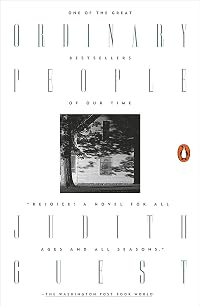
Ordinary People
by Judith Guest
On This Page
Description
Seventeen-year-old Conrad returns home from a mental institution, where he was sent after his brother's accidental death and his own ensuing suicide attempt. To begin a new life, he must learn to accept himself and those close to him.Tags
Recommendations

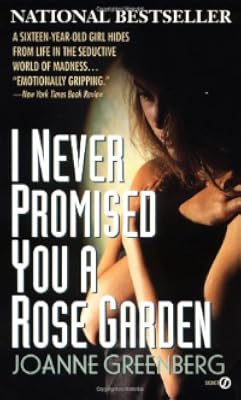
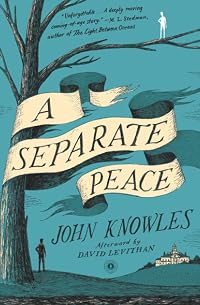

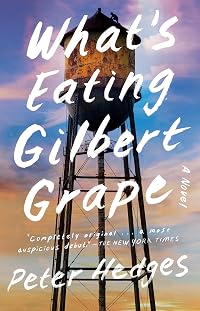
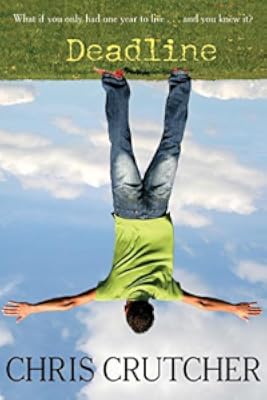

















Member Reviews
This is a comforting read. It's drily funny, and all the characters feel real (with the exception of Dr. Berger, maybe...). Conrad is like a close friend you'd like to throttle for being so stuck in his head. It's best read when one is young, I think. Gift it to your gloomy niece/nephew? That being said, Calvin's perspective resonates with older readers, too. Trying to take responsibility for someone when nobody had taken responsibility for you... and if you are enlightened (!), you will understand (and maybe even love) Beth.
Last time I read this book I must've been in high school. I remembered some of it, but most of the nuances and details had been forgotten- or had simply gone unnoticed by me at the time. I did remember it was about this kid struggling after the death of his older brother, how awkward family friends were about it, how unspoken most of the emotional burden he faced daily, how his parents were drifting apart under the strain.
I'd forgotten that part of it is told from the father's viewpoint, but the mother is always described in third person. She seems cold, sometimes indifferent, accuses the dad of being overly concerned and too involved with his now-only son. The kid- Conrad- is repeating his junior year of high school while all his show more friends are now seniors. He became severely depressed after loosing his brother- in what sounds like a very frightening, traumatic incident (when it's finally revealed at the end of the story) made a suicide attempt, and spent time in a mental institution. Very little is described of that, but what is firmly shows how old this book is- the diagnosis is clear yet he's given no medication although several times a teacher or friend of the parents asks if he'd been put on tranqilizers. Nope, there's just mention that he received shock treatment, and when he comes home it's left up to him to take initiative to call a psychologist and go to appointments of his own accord. I found that surprising, honestly.
What did feel very real and relevant no matter what the timeframe of this story- was how people struggled to know how to relate to Conrad now that he's home again. Things are the same- but also very different. Friends are awkward. He tries to meet and talk with a girl he knew in the hospital- there were quite good friends there- and that doesn't go so well. He tries daily to beat down the anxiety in his head, to find the motivation to do normal everyday tasks, to focus in school. The therapist is odd and eccentric, but aside from that very good at his job as far as I could tell. I remembered from this part of the book the dramatic scenes when Conrad went in there upset and there was a lot of yelling- but during this read I noticed all the moments of careful guidance, of sound advice that wasn't too preachy, of how he helped Conrad figure out what he wanted to do and how to build himself up again as it were. And finally, in the end, to actually face the emotional turmoil he'd shoved down inside surrounding the incident with his brother. There's also some very nice parts about him facing down kids at school who are unkind, standing up for himself when he realizes being on a sports team isn't what he wants, finding a few new friends and even getting brave enough to ask out a girl he admires.
It doesn't have a perfect, happy ending. It's a normal family with some heartbreaking difficulties, and they don't come through it all in one piece. Some things are better, some are not. The realism of that is what makes this book such a strong read. (I was terribly bored with all the mention of golf, though).
from the Dogear Diary show less
I'd forgotten that part of it is told from the father's viewpoint, but the mother is always described in third person. She seems cold, sometimes indifferent, accuses the dad of being overly concerned and too involved with his now-only son. The kid- Conrad- is repeating his junior year of high school while all his show more friends are now seniors. He became severely depressed after loosing his brother- in what sounds like a very frightening, traumatic incident (when it's finally revealed at the end of the story) made a suicide attempt, and spent time in a mental institution. Very little is described of that, but what is firmly shows how old this book is- the diagnosis is clear yet he's given no medication although several times a teacher or friend of the parents asks if he'd been put on tranqilizers. Nope, there's just mention that he received shock treatment, and when he comes home it's left up to him to take initiative to call a psychologist and go to appointments of his own accord. I found that surprising, honestly.
What did feel very real and relevant no matter what the timeframe of this story- was how people struggled to know how to relate to Conrad now that he's home again. Things are the same- but also very different. Friends are awkward. He tries to meet and talk with a girl he knew in the hospital- there were quite good friends there- and that doesn't go so well. He tries daily to beat down the anxiety in his head, to find the motivation to do normal everyday tasks, to focus in school. The therapist is odd and eccentric, but aside from that very good at his job as far as I could tell. I remembered from this part of the book the dramatic scenes when Conrad went in there upset and there was a lot of yelling- but during this read I noticed all the moments of careful guidance, of sound advice that wasn't too preachy, of how he helped Conrad figure out what he wanted to do and how to build himself up again as it were. And finally, in the end, to actually face the emotional turmoil he'd shoved down inside surrounding the incident with his brother. There's also some very nice parts about him facing down kids at school who are unkind, standing up for himself when he realizes being on a sports team isn't what he wants, finding a few new friends and even getting brave enough to ask out a girl he admires.
It doesn't have a perfect, happy ending. It's a normal family with some heartbreaking difficulties, and they don't come through it all in one piece. Some things are better, some are not. The realism of that is what makes this book such a strong read. (I was terribly bored with all the mention of golf, though).
from the Dogear Diary show less
A profoundly moving, thoughtful book, Ordinary People takes a brutally close look at the dynamics of a family coping with the loss of a child. Conrad, the surviving child, struggles with his guilt and pain by attempting suicide and has just been released from a mental hospital. Calvin, the father, feels as if he has let down both his sons and suddenly feels uncertain, reeling from the fact that he could not protect his family. Finally, Beth, the mother, comes across as cold and aloof to her family and struggles to discover that not everything can be perfect and controlled.
Richly drawn, each of the characters feels real and three-dimensional. Conrad is, by turn, a typical, sarcastic teenager, a kid wracked with guilt over his brother's show more death, and a little boy who doesn't know where to go from here. His grief can be heartbreaking to read, but his desperate attempts to hide it are even more so.
The true stand-out, however, is the mother. Beth is a mystery. While Guest often allows us into Cal's and Conrad's minds, we never see Beth's thoughts; only the perceptions are filtered through others' eyes. Much of what she does is up to interpretation: is she truly cold and emotionally unavailable? Or is she simply coping with her loss by trying to ignore it?
If you have ever seen the equally astounding film directed by Robert Redford and starring Timothy Hutton, then you'll find that the screenplay was remarkably faithful to the book; however, the book has slightly more nuances about Beth's character.
I am not usually a fan of dramas, but this is one of the most fascinating, often painful, books I have ever. show less
Richly drawn, each of the characters feels real and three-dimensional. Conrad is, by turn, a typical, sarcastic teenager, a kid wracked with guilt over his brother's show more death, and a little boy who doesn't know where to go from here. His grief can be heartbreaking to read, but his desperate attempts to hide it are even more so.
The true stand-out, however, is the mother. Beth is a mystery. While Guest often allows us into Cal's and Conrad's minds, we never see Beth's thoughts; only the perceptions are filtered through others' eyes. Much of what she does is up to interpretation: is she truly cold and emotionally unavailable? Or is she simply coping with her loss by trying to ignore it?
If you have ever seen the equally astounding film directed by Robert Redford and starring Timothy Hutton, then you'll find that the screenplay was remarkably faithful to the book; however, the book has slightly more nuances about Beth's character.
I am not usually a fan of dramas, but this is one of the most fascinating, often painful, books I have ever. show less
I wish I had the skill to truly analyze what makes the difference between a book where the author tries to manipulate the reader’s emotions and only gets an “hmm how sad” from me, or worse, eyerolls, and a book that has me glued to the pages and leaking tears. All I know is that this is one of the latter.
In spite of a story that is almost all character, with almost all events taking place within those characters’ thoughts and emotions and in their interactions with one another, and in spite of a present-tense, stream of consciousness writing style that might have annoyed me in another author’s hands, this story of a family fragmenting and reforming in the aftermath of tragedy absorbed me completely and wrung my emotions show more inside out. It’s been a while since I had a good cry over a book, and it was deeply satisfying.
Vintage paperback, picked up from my public library’s gimme shelves, where they make unusable donated books and culled books available to the public in return for a suggested monetary donation.
I read this for The 16 Tasks of the Festive Season, square 4: Book themes for Penance Day: Read a book that has a monk, nun, pastor / preacher or priest as a protagonist, or where someone is struggling with feelings of guilt or with their conscience (regardless over what). In this book, members of a family are struggling with their sense of guilt or failed responsibility in the aftermath of tragedy(Con over surviving when his stronger brother drowned and Cal over somehow failing his son when he attempted suicide). show less
In spite of a story that is almost all character, with almost all events taking place within those characters’ thoughts and emotions and in their interactions with one another, and in spite of a present-tense, stream of consciousness writing style that might have annoyed me in another author’s hands, this story of a family fragmenting and reforming in the aftermath of tragedy absorbed me completely and wrung my emotions show more inside out. It’s been a while since I had a good cry over a book, and it was deeply satisfying.
Vintage paperback, picked up from my public library’s gimme shelves, where they make unusable donated books and culled books available to the public in return for a suggested monetary donation.
I read this for The 16 Tasks of the Festive Season, square 4: Book themes for Penance Day: Read a book that has a monk, nun, pastor / preacher or priest as a protagonist, or where someone is struggling with feelings of guilt or with their conscience (regardless over what). In this book, members of a family are struggling with their sense of guilt or failed responsibility in the aftermath of tragedy
This book was one of those "multiple copies at the used-book store, so it's either great or terrible" chances. On the one hand, a bigger chance than usual: that bland, uninformative cover wouldn't pass muster today (yet I like it now that I've read the book). On the other hand, it shouldn't be a chance at all: the accolades all over the front and back promise this to be a novel I'll "rejoice" over, "a writer's novel, a reader's novel, a critic's novel," and of course the highbrow-wannabe in me couldn't say no to that. Not for a dollar, anyway. I went into this expecting a literary grandmother of Anna Quindlen; happily, that's what I got. ORDINARY PEOPLE is indeed about its titular cast, and the stakes of the novel are personal/internal show more stakes. The perspective alternates between Cal Jarrett, a successful tax attorney, and his son Conrad, eighteen years old and recently come home from a mental hospital. The reader soon discovers that Cal and his wife Beth "had two sons, but now they have one." What happened to their other son, Buck, is of course revealed bit-by-bit throughout the story.
The author's voice took some time to immerse in, but there's something almost hypnotic about the stream-of-consciousness style. (And I was not expecting present tense from a novel published in 1976. Interesting.) Cal frustrates me to no end, but Conrad makes me root for him. Some of the book's best scenes feature Con and his therapist Berger, as together they unravel what led to Con's suicide attempt and how he can heal. Beth, too, is an interesting character, especially as we only get to see her through her husband's and son's eyes.
This is a thoughtful, quiet, probing novel about things that have been explored since fiction began (living and surviving, guilt and innocence, facades and true selves). It took me a while to get through, partly because it's not about plot escalation--or escalation at all, really. It's about living life every day, even when only surviving is easier. I'm glad I took the time for this book. (Now to watch the film.) show less
The author's voice took some time to immerse in, but there's something almost hypnotic about the stream-of-consciousness style. (And I was not expecting present tense from a novel published in 1976. Interesting.) Cal frustrates me to no end, but Conrad makes me root for him. Some of the book's best scenes feature Con and his therapist Berger, as together they unravel what led to Con's suicide attempt and how he can heal. Beth, too, is an interesting character, especially as we only get to see her through her husband's and son's eyes.
This is a thoughtful, quiet, probing novel about things that have been explored since fiction began (living and surviving, guilt and innocence, facades and true selves). It took me a while to get through, partly because it's not about plot escalation--or escalation at all, really. It's about living life every day, even when only surviving is easier. I'm glad I took the time for this book. (Now to watch the film.) show less
this is a really nice look at what seems to be a typical wealthy american family. from the outside, they seem to be "ordinary people" but a lot is going on inside the family that others can't see. it's really kind of a meditation on grief and living after devastating loss, and the different ways different people handle that and cope with it. the style can be a bit tough, as it's told from the perspective of both conrad (the son) and cal (the father) and it goes back and forth between them in a way that is kind of jarring. con's sections are often a little hard to follow, as well, because he is going through a mental health crisis and the writing can feel unmoored. this reflects what's going on with him, though, so it makes sense.
i liked show more this and found myself very much within the story. the only real complaint i have is the way the therapist spoke with conrad. he never would have said some of the things he said (that he thought of con as a friend, for example) and in a book where everything else felt very real, this took me out of the story a couple of times. otherwise, very nicely done. show less
i liked show more this and found myself very much within the story. the only real complaint i have is the way the therapist spoke with conrad. he never would have said some of the things he said (that he thought of con as a friend, for example) and in a book where everything else felt very real, this took me out of the story a couple of times. otherwise, very nicely done. show less
A deeply moving, thoughtful book, Ordinary People takes a brutally close look at the dynamics of a family coping with the loss of a child. Conrad, the surviving child, struggles with his own guilt and pain by attempting suicide and has just been released from a mental hospital. Calvin, the father, feels as if he has let down both his sons and suddenly feels uncertain, reeling from the fact that he could not protect his own family. Finally, there is Beth, the mother, who comes across as cold and aloof to even her own family, and struggles with finding out that not everything in the world can be perfect and controlled.
Richly drawn, each of the characters feels real and three-dimensional. Conrad is by turns a normal, sarcastic teenager, a show more kid wracked with guilt over his brother's death, and a little boy who doesn't know where to go from here. His grief can be heartbreaking to read, but his desperate attempts to hide it are even more so.
The true stand-out, however, is the mother. Beth is a mystery. While Guest often allows us into Cal's and Conrad's minds, we never see Beth's thoughts, only the perceptions filtered through others' eyes. Much of what she does is up to interpretation: is she truly cold and emotionally unavailable? Or is she simply coping with her loss by trying to ignore it?
If you have ever seen the equally astounding film directed by Robert Redford and starring Timothy Hutton, then you'll find that the screenplay was remarkably faithful to the book; however, I would argue that the book has slightly more nuances with regard to Beth's character.
I am not normally a fan of dramas, but this is one of the most engrossing, oftentimes painful, books I have ever read. show less
Richly drawn, each of the characters feels real and three-dimensional. Conrad is by turns a normal, sarcastic teenager, a show more kid wracked with guilt over his brother's death, and a little boy who doesn't know where to go from here. His grief can be heartbreaking to read, but his desperate attempts to hide it are even more so.
The true stand-out, however, is the mother. Beth is a mystery. While Guest often allows us into Cal's and Conrad's minds, we never see Beth's thoughts, only the perceptions filtered through others' eyes. Much of what she does is up to interpretation: is she truly cold and emotionally unavailable? Or is she simply coping with her loss by trying to ignore it?
If you have ever seen the equally astounding film directed by Robert Redford and starring Timothy Hutton, then you'll find that the screenplay was remarkably faithful to the book; however, I would argue that the book has slightly more nuances with regard to Beth's character.
I am not normally a fan of dramas, but this is one of the most engrossing, oftentimes painful, books I have ever read. show less
Members
- Recently Added By
Lists

Banned Books Week 2014
268 works; 63 members

1970s
657 works; 23 members

Family Drama
56 works; 14 members

Literature About Mental Illness
37 works; 5 members

Best Films based on novels
10 works; 1 member
Author Information

Judith Guest was born in Detroit in 1936. She earned a degree in Education from the University of Michigan. She has been a schoolteacher in Detroit. With no formal training in fiction writing, novelist Judith Guest began to write fiction and poetry when her youngest son started school. Her highly acclaimed first novel, Ordinary People, was show more published in 1976 and has since been published in 13 languages. It was made into a film, directed by Robert Redford, which received the Academy Award for best picture in 1980. Guest's subsequent works include Second Heaven (1982), Killing Time in St. Cloud (1988), Errands (1997) and The Tarnished Eye (2004). (Bowker Author Biography) show less
Some Editions
Awards and Honors
Awards
Distinctions
Series
Belongs to Publisher Series
Work Relationships
Has the adaptation
Is abridged in
Has as a student's study guide
Common Knowledge
- Canonical title*
- Gewone Mensen
- Original title
- Ordinary People
- Original publication date
- 1976
- People/Characters
- Conrad Jarrett; Calvin Jarrett; Beth Jarrett; Buck Jarrett; Dr. Berger
- Important places
- Chicago, Illinois, USA
- Related movies
- Ordinary People (1980 | IMDb)
- Epigraph
- Sonnett CLXXI:
But what a shining animal is man,
Who knows, when pain subsides, that is not that,
For worse than that must follow--yet can write
Music, can laugh, play tennis, even plan.
- Edna St. Vincent Mi... (show all)llay - Dedication
- for Sharon and Con and for my husband
all their words, spoken and unspoken, being worth remembering. - First words
- To have a reason to get up in the morning, it is necessary to possess a guiding principal.
- Last words
- (Click to show. Warning: May contain spoilers.)He picks up the nine-iron, swinging it lightly through the grass as he walks toward the house.
*Some information comes from Common Knowledge in other languages. Click "Edit" for more information.
Classifications
Statistics
- Members
- 2,466
- Popularity
- 7,859
- Reviews
- 40
- Rating
- (3.85)
- Languages
- 9 — Catalan, Dutch, English, Finnish, French, German, Italian, Portuguese, Swedish
- Media
- Paper, Audiobook, Ebook
- ISBNs
- 37
- ASINs
- 16