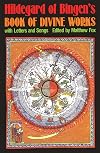
Hildegard of Bingen's Book of Divine Works: With Letters and Songs
by Hildegard of Bingen
On This Page
Description
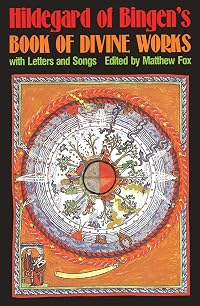
Declared a Doctor of the Church in 2012, St. Hidegard of Bingen (1098-1179) is one of the most remarkable figures of medieval Latin Christianity. A visionary theologian and prophetic reformer, as well as composer, artist, and natural scientist, she speaks with a voice that echoes across the centuries to offer today an integrated vision of the relationship between cosmos and humanity. -- Completed in 1173, The Book of Divine Works (Liber Divinorum Operum) is the culmination of the visionary show more Doctor's theological project, offered here for the first time in a complete and scholarly English translation. The first part explores the intricate physical and spiritual relationships between the cosmos and the human person, with the famous image of the universal Man standing astride the cosmic spheres. The second part examines the rewards for virture and the punishments for vice, mapped onto a geography of purgatory, hellmouth, and the road to the heavenly city. At the end of each, Hidegard writes extensive commentaries on the Prologue to John's Gospel (Part 1) and the first chapter of Genesis (Part 2) -- the only premodern woman to have done so. Finally, the third part tells the history of salvation, imagined as the City of God standing next to the mountain of God's foreknowledge, with Divine Love reigning over all. -- For Hildegard, the Incarnation is the key moment of all history, willed from eternity to complete God's Work. God's creative capacity and loving mission are thus shared with the humans he made in his image and likeness -- for Hildegard, the incarnate Christ's tunic and the Word's creative rationality, respectively. Containing all creation within ourselves, we are divinely called to cooperate in the Creator's work, to enter into a fruitful and sustainable relationship with creation. The scope of Hildegard's visionary theology is both cosmic and close: reflections of God's loving self-revelation are both grand and utterly intimate, as the Work of God reaches from the very heart of infinity down into every smallest detail of the created world. -- Book jacket flap. show lessTags
Recommendations












Member Reviews
This is a review specifically of the Matthew Fox / Bear & Co. 1987 edition, with English translation by Robert Cunningham.
Although this edition is the only widely-available English translation of Hildegard's final and magnum opus, it is highly abridged and has several significant defects. When Matthew Fox commissioned Robert Cunningham to produce the first English translation of Hildegard’s Liber Divinorum Operum ("Book of Divine Works," also known as De Operatione Dei, "On the Activity of God"), the only published Latin text available was Mansi’s 1761 edition of the Lucca Codex, as reprinted in Migne, PL 197. Since Schrader and Führkötter’s pioneering work in the 1950’s, however, it had been widely recognized that this text show more had significant flaws, including a slightly different numbering system and frequent errors in transcription. In place of the Lucca manuscript, they had established the Ghent manuscript (G, the first fair-copy of the text for editing), together with the Troyes manuscript, as the superior witnesses. Thus, when Heinrich Schipperges published the first authoritative German translation (Welt und Mensch [Salzburg: Otto Müller Verlag, 1965]), he worked to collate the Mansi/Migne text against that Ghent manuscript, and included a partial appendix indicating passages from G that ought to supersede Migne—however, as Dronke notes in the new critical edition of the text in CCCM 92, this was only a partial collation, and there remain passages in Schipperges’ translation that were made from Migne rather than the superior reading of G. Moreover, Schipperges chose not to translate the full text, replacing large sections of repetitious or arcane material with his own summaries.
Thus, without access to a full and accurate critical Latin text, Fox and Cunningham chose to make their English translation from Schipperges’ German, “because of its accurate interpretation of the difficult original text" (Cunningham's Translator's Note, p. 2). In addition to Schipperges’ own summarized abridgement, Cunningham made his own further omissions. Fox explains the rationale for this decision: “Since this volume was designed to be a ‘Hildegard Reader,’ we did not want to expend the cost or the time necessary to reproduce Hildegard’s entire text. (…) To publish the whole work will take several more years and, of course, it is our fondest wish that scholars and scholarly publishing houses will undertake such an exercise" (Fox's Introduction, p. xxii).
Ultimately, the Cunningham/Fox edition omits (sometimes with summary, more often without) approximately 40% of the total text. Because they relied on Schipperges’ translation, some of those omissions reflect the latter’s particular lens in interpreting Hildegard, which emphasized the scientific, homeopathic, ecological, and cosmological. Often, some of the more overtly theological sections were left out—for example, the allegoresis of the seven heavenly bodies as the seven gifts of the Holy Spirit in I.2.36-8 (Cunningham/Fox, p. 50), or most of Hildegard’s discussion of the archetypal characters of the apostles and the history of the Church in III.5.9-11 (Cunningham/Fox, p. 237). Perhaps the single most egregious omission, however, was the latter nearly three-quarters of Part II, Vision 1 (Vision 5), which is Hildegard’s hexaemeral commentary on Genesis. These 41 chapters—among whose unique characteristics is Hildegard’s ecclesiological interpretations of Creation—represent the single longest, sustained scriptural exegesis in Hildegard’s entire oeuvre (at more than 50 pages of Latin text, more than twice as long as the LDO’s kernel exegesis of the Prologue to John’s Gospel in I.4.105), and yet have remained entirely unavailable to English-speaking audiences.
Finally, the Cunningham/Fox edition has several significant deficiencies in scholarship, including its lack of substantial bibliography and Fox’s distortions of Hildegard’s ideas to fit his own theological points of view (for a penetrating critique, see Barbara Newman's essay, "Romancing the Past: A Critical Look at Matthew Fox and the 'Creation Mystics'"). Following Schipperges, they render Hildegard’s frequent use of the generic homo (“human person,” “humankind”) in the third-person singular with first-person plurals in English (“we,” “us”), which shifts the register away from Hildegard’s visionary voice. Moreover, they claim to mark divine speech (“The sections of quotations, when Hildegard is writing down the ‘voice’ she hears”) with indented, italicized text—but their choices of what text fits this category seem quixotic and random; and this obscures the fact that, besides the initial visual description of each vision and the Prologue and Epilogue, which are rendered in the first-person singular (Hildegard speaking), all of the remaining text is at least purported to be from “the voice from heaven” that spoke to Hildegard in her visionary experiences (when it lapses into the first-person singular, it is God speaking, not Hildegard). A fundamental component of Hildegard’s construction of her authority as a theologian was her claim that everything she wrote was of divine, not human, origin; and Fox's edition obscures this authorial claim.
Because of these many deficiencies and omissions, a new, full, and scholarly translation of Hildegard's Book of Divine Works, with critical introduction and bibliography, will be published in 2016 by CUA Press in their Fathers of the Church, Medieval Continuation Series. show less
Although this edition is the only widely-available English translation of Hildegard's final and magnum opus, it is highly abridged and has several significant defects. When Matthew Fox commissioned Robert Cunningham to produce the first English translation of Hildegard’s Liber Divinorum Operum ("Book of Divine Works," also known as De Operatione Dei, "On the Activity of God"), the only published Latin text available was Mansi’s 1761 edition of the Lucca Codex, as reprinted in Migne, PL 197. Since Schrader and Führkötter’s pioneering work in the 1950’s, however, it had been widely recognized that this text show more had significant flaws, including a slightly different numbering system and frequent errors in transcription. In place of the Lucca manuscript, they had established the Ghent manuscript (G, the first fair-copy of the text for editing), together with the Troyes manuscript, as the superior witnesses. Thus, when Heinrich Schipperges published the first authoritative German translation (Welt und Mensch [Salzburg: Otto Müller Verlag, 1965]), he worked to collate the Mansi/Migne text against that Ghent manuscript, and included a partial appendix indicating passages from G that ought to supersede Migne—however, as Dronke notes in the new critical edition of the text in CCCM 92, this was only a partial collation, and there remain passages in Schipperges’ translation that were made from Migne rather than the superior reading of G. Moreover, Schipperges chose not to translate the full text, replacing large sections of repetitious or arcane material with his own summaries.
Thus, without access to a full and accurate critical Latin text, Fox and Cunningham chose to make their English translation from Schipperges’ German, “because of its accurate interpretation of the difficult original text" (Cunningham's Translator's Note, p. 2). In addition to Schipperges’ own summarized abridgement, Cunningham made his own further omissions. Fox explains the rationale for this decision: “Since this volume was designed to be a ‘Hildegard Reader,’ we did not want to expend the cost or the time necessary to reproduce Hildegard’s entire text. (…) To publish the whole work will take several more years and, of course, it is our fondest wish that scholars and scholarly publishing houses will undertake such an exercise" (Fox's Introduction, p. xxii).
Ultimately, the Cunningham/Fox edition omits (sometimes with summary, more often without) approximately 40% of the total text. Because they relied on Schipperges’ translation, some of those omissions reflect the latter’s particular lens in interpreting Hildegard, which emphasized the scientific, homeopathic, ecological, and cosmological. Often, some of the more overtly theological sections were left out—for example, the allegoresis of the seven heavenly bodies as the seven gifts of the Holy Spirit in I.2.36-8 (Cunningham/Fox, p. 50), or most of Hildegard’s discussion of the archetypal characters of the apostles and the history of the Church in III.5.9-11 (Cunningham/Fox, p. 237). Perhaps the single most egregious omission, however, was the latter nearly three-quarters of Part II, Vision 1 (Vision 5), which is Hildegard’s hexaemeral commentary on Genesis. These 41 chapters—among whose unique characteristics is Hildegard’s ecclesiological interpretations of Creation—represent the single longest, sustained scriptural exegesis in Hildegard’s entire oeuvre (at more than 50 pages of Latin text, more than twice as long as the LDO’s kernel exegesis of the Prologue to John’s Gospel in I.4.105), and yet have remained entirely unavailable to English-speaking audiences.
Finally, the Cunningham/Fox edition has several significant deficiencies in scholarship, including its lack of substantial bibliography and Fox’s distortions of Hildegard’s ideas to fit his own theological points of view (for a penetrating critique, see Barbara Newman's essay, "Romancing the Past: A Critical Look at Matthew Fox and the 'Creation Mystics'"). Following Schipperges, they render Hildegard’s frequent use of the generic homo (“human person,” “humankind”) in the third-person singular with first-person plurals in English (“we,” “us”), which shifts the register away from Hildegard’s visionary voice. Moreover, they claim to mark divine speech (“The sections of quotations, when Hildegard is writing down the ‘voice’ she hears”) with indented, italicized text—but their choices of what text fits this category seem quixotic and random; and this obscures the fact that, besides the initial visual description of each vision and the Prologue and Epilogue, which are rendered in the first-person singular (Hildegard speaking), all of the remaining text is at least purported to be from “the voice from heaven” that spoke to Hildegard in her visionary experiences (when it lapses into the first-person singular, it is God speaking, not Hildegard). A fundamental component of Hildegard’s construction of her authority as a theologian was her claim that everything she wrote was of divine, not human, origin; and Fox's edition obscures this authorial claim.
Because of these many deficiencies and omissions, a new, full, and scholarly translation of Hildegard's Book of Divine Works, with critical introduction and bibliography, will be published in 2016 by CUA Press in their Fathers of the Church, Medieval Continuation Series. show less
To my knowledge, this is the only English translation of this spectacular work of Mystical writing. Furthermore, I believe that it is out of print. Hildegard writes on the practice of meditation for the purpose of mystical attainment, and this forms the book's main subject. Hildegard's practice of meditation consists of developing certain images in one's soul (or mind, if you prefer not to be so mystical about it). Provided in this edition are drawings which accurately reproduce the images Hildegard originally either developed, or saw, in her mystical visions. She included such drawings in the original manuscript of the Book of Divine Works, although in the only surviving copy of the text (which this volume was translated from) was done show more according to Hildegard's supervision, not by her hand.
Hildegard's writing is an eloquent and beautiful exposition of christian mysticism in the 11th century. Her intent in writing this work was in part to increase the practice of meditation for the purpose of mystical attainment, and in many ways it reads as a guide for the person who wants to 'see' god; a 'how to be a mystic' tract. This is quite different from Theresa of Avila's intent in her autobiography, in which she discusses mystical practice in terms of personal journeys and experiences as a mystic.
Hildegard is also an interesting figure in Christian (church) history: she comes not too long before Galileo and might have offered Catholicism something that some of those involved in the reformation would have sought. She was a powerful woman leader as an Abbess, and wrote letters (some of which are included by Fox here) to some of the most powerful people in the world, which usually well-received. The Catholic Church had a tenuous interaction with Hildegard however, as evidenced by her non-attainment of sainthood and the reversal (unwilling reversal, no doubt) of a decision to remove her from her position as abbess. show less
Hildegard's writing is an eloquent and beautiful exposition of christian mysticism in the 11th century. Her intent in writing this work was in part to increase the practice of meditation for the purpose of mystical attainment, and in many ways it reads as a guide for the person who wants to 'see' god; a 'how to be a mystic' tract. This is quite different from Theresa of Avila's intent in her autobiography, in which she discusses mystical practice in terms of personal journeys and experiences as a mystic.
Hildegard is also an interesting figure in Christian (church) history: she comes not too long before Galileo and might have offered Catholicism something that some of those involved in the reformation would have sought. She was a powerful woman leader as an Abbess, and wrote letters (some of which are included by Fox here) to some of the most powerful people in the world, which usually well-received. The Catholic Church had a tenuous interaction with Hildegard however, as evidenced by her non-attainment of sainthood and the reversal (unwilling reversal, no doubt) of a decision to remove her from her position as abbess. show less
LLIBRE DE LES OBRES DIVINES
Hildegarda de Bingen (1098-1179),
abadessa benedictina i mística, fou una dona
excepcional en el seu temps. Se sentí i
actuà plenament com a dona, com a monja
contemplativa, i com a membre actiu de
l'Església, en la qual exercí una missió
profètica. Mantingué correspondència i
contactes amb papes, bisbes i clergues,
emperadors, princeps i nobles.
Escriví sobre ciències naturals i sobre
medicina, i aquests coneixements apareixen
també en les les seves obres espirituals i te
ològiques. Entre aquestes sobresurt la
trilogia formada per Scivias (Coneix els
comins»), una obra de teologia dogmatica, el
Llibre dels merits de la vida, un escrit més
de caire moral; i el Llibre de les obres divines,
traduit en el show more present volum, l'obra més
grandiloqüent, en forma de deu visions,
alhora cientifica i teològica, que conté una
cosmologia i una antropologia molt profundes
i una teodicea grandiosa.
Una dona que, al segle XI, escriu sobre
teologia i predica, que compon poesia i
música, que s'interessa per les ciències amb
visió avançada jintueix l'heliocentrisme, el
sistema de circulació sanguínia, etc.], té
encara avui, un atractiu particular show less
Hildegarda de Bingen (1098-1179),
abadessa benedictina i mística, fou una dona
excepcional en el seu temps. Se sentí i
actuà plenament com a dona, com a monja
contemplativa, i com a membre actiu de
l'Església, en la qual exercí una missió
profètica. Mantingué correspondència i
contactes amb papes, bisbes i clergues,
emperadors, princeps i nobles.
Escriví sobre ciències naturals i sobre
medicina, i aquests coneixements apareixen
també en les les seves obres espirituals i te
ològiques. Entre aquestes sobresurt la
trilogia formada per Scivias (Coneix els
comins»), una obra de teologia dogmatica, el
Llibre dels merits de la vida, un escrit més
de caire moral; i el Llibre de les obres divines,
traduit en el show more present volum, l'obra més
grandiloqüent, en forma de deu visions,
alhora cientifica i teològica, que conté una
cosmologia i una antropologia molt profundes
i una teodicea grandiosa.
Una dona que, al segle XI, escriu sobre
teologia i predica, que compon poesia i
música, que s'interessa per les ciències amb
visió avançada jintueix l'heliocentrisme, el
sistema de circulació sanguínia, etc.], té
encara avui, un atractiu particular show less
Apr 24, 2024Spanish
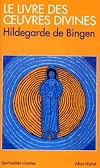
LE LIVRE DES OEUVRES DIVINES
Les écrits de Sainte Hildegarde.
4ème de couverture :
Née au cœur de la tourmente des Croisades, Hildegarde de Bingen fut dès son plus jeune âge, et jusque dans sa vieillesse, gratifiée de visions mystiques extraordinaires.
Ses cosmologies divines, à l’imagerie puissante, sont de plus ancrées dans une théologie rigoureuse qui l’ont imposée, de son vivant même, comme un modèle de sainteté et comme une autorité en matière de foi.
Consultée aussi bien par les papes que par les empereurs (Frédéric Barberousse), communiquant avec Bernard de Clairvaux, mais aussi ‘patronne’ des médecines douces, elle incarna ce XIIème siècle grandiose et tourmenté, pétri de mystique et de politique, et show more vivant dans l’imminence du Royaume de Dieu.
Le Livre des oeuvres divines, son ultime recueil de vision, sublime son siécle, finalement si proche du nôtre. show less
Les écrits de Sainte Hildegarde.
4ème de couverture :
Née au cœur de la tourmente des Croisades, Hildegarde de Bingen fut dès son plus jeune âge, et jusque dans sa vieillesse, gratifiée de visions mystiques extraordinaires.
Ses cosmologies divines, à l’imagerie puissante, sont de plus ancrées dans une théologie rigoureuse qui l’ont imposée, de son vivant même, comme un modèle de sainteté et comme une autorité en matière de foi.
Consultée aussi bien par les papes que par les empereurs (Frédéric Barberousse), communiquant avec Bernard de Clairvaux, mais aussi ‘patronne’ des médecines douces, elle incarna ce XIIème siècle grandiose et tourmenté, pétri de mystique et de politique, et show more vivant dans l’imminence du Royaume de Dieu.
Le Livre des oeuvres divines, son ultime recueil de vision, sublime son siécle, finalement si proche du nôtre. show less
Mar 6, 2025Spanish
> LE LIVRE DES OEUVRES DIVINES, de Hildegarde de Bingen (Albin Michel, 1989). — Dans son dernier écrit, la célèbre bénédictine allemande du XIIe siècle répond à la confusion de son époque par dix grandioses visions. Le pari lumineux qu’elle lance ainsi, celui de l’ordre de Dieu, de la nature et de l’homme, demeure étonnamment actuel en ce nouveau siècle. (Spiritualités Vivantes)
> Babelio : https://www.babelio.com/livres/Bingen-Le-Livre-des-oeuvres-divines--Visions/1637...
> Voir un extrait : https://books.google.fr/books?id=8Z9eAgAAQBAJ&hl=fr&printsec=frontcover&...
> LA THÉOLOGIE COSMIQUE D'HILDEGARDE — Dans six ans, huit siècles nous sépareront de cette religieuse qui reçut des révélations divines sur show more l’origine des maladies et leur traitement dans une vision holistique de l’être humain. « Corps, âme et esprit ». Ces écrits ont été redécouverts au siècle dernier. Depuis, des médecins ne cessent de s’étonner de la justesse de ses conseils au point que l’on puisse parler d’une « médecine de sainte Hildegarde ». Son oeuvre nous parle de la place dans le cosmos, de respect de l’environnement, de diététique, de guérison, du rôle de la femme. Hildegarde de Bingen saisit visuellement des informations qui dépassent la seule perception rétinienne. Clé de voûte de son oeuvre : ses « visions ». Trois grands livres dont le célèbre Scivias, décrivent un univers infini en expansion perpétuelle, proche de celui des astrophysiciens actuels. Ces deux traités de médecine douce, les seuls composés en Occident au XIIe siècle, font aujourd’hui encore autorité. Hildegarde incarne merveilleusement cet autre savoir, intuitif, écologique, visionnaire. Rappelons que le terme de « mystique » s’adapte très bien à Hildegarde puisque c’est celui ou celle qui, sous la motion divine, portée par l’oeuvre du Créateur, s’inspire de la révélation pour se laisser diriger par les miracles et par les grâces de la pédagogie divine, sur le chemin de la perfection qui mène de cette terre et de ce ciel vers les « nouvelles terres » et les « nouveaux cieux », du vieil homme somatopsychique à l’homme nouveau pneumatisé.
Quatre livres essentiels pour comprendre cette grande mystique rhénane :
• Hildegarde de Bingen - Conscience inspirée du XIIe siècle, Régine Pernoud, éd. du Rocher.
• Le livre des oeuvres divines : vision d’Hildegarde de Bingen, Bernard Gorcex, éd. Albin Michel.
• Sainte Hildegarde : la santé entre ciel et terre, Daniel Maurin, éd. Trois Fontaines.
• Sainte Hildegarde de Bingen, Ellen Breindl, éd. Dangles. (Albert SARALLIER)
—Nouvelles Clés, (HS 2), « Se guérir », (p. 91)
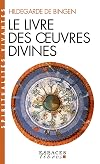
> LE LIVRE DES OEUVRES DIVINES D’HILDEGARDE DE BINGEN. — Hildegarde de Bingen est une figure unique dans l’histoire de la mystique chrétienne. Née vers 1098, au cœur de la tourmente des Croisades, dans une famille aristocratique, elle est dès son plus jeune âge gratifiée de visions mystiques extraordinaires dans lesquelles l’Homme universel danse avec les sphères célestes. Ses cosmologies divines à l’imagerie puissante ne sont pas pour autant le produit d’un esprit vagabond : elles sont ancrées dans une théologie rigoureuse. Si elle s’affranchit de la mystique spéculative et apophatique que Maître Eckhart incarnera un siècle plus tard, elle n’est pas non plus une « ravie », une extatique à la Catherine de Sienne. Depuis le couvent qu’elle dirige, elle s’impose comme un modèle vivant de sainteté et comme une autorité en matière de foi pour toute la Chrétienté occidentale. Consultée aussi bien par les papes que par les empereurs (Frédéric Barberousse), communiquant avec Bernard de Clairvaux, bientôt béatifiée, canonisée de fait, elle incarne ce XIIᵉ siècle grandiose et tourmenté, pétri de mystique et vivant dans l’imminence du Royaume de Dieu. Son œuvre compte, outre neuf livres, des dizaines de poèmes, de lettres et de compositions musicales. Écrivant parfois dans une langue inconnue transcrite par un alphabet angélique, elle est aussi l’auteur d’ouvrages de sciences naturelles et de médecine des plantes qui ont fait d’elle, au XXᵉ siècle, une sorte de « sainte patronne » des médecines douces, comme le montre la pléthore de livres naturopathes qui se réclament d’elle aujourd’hui.
Le Livre des œuvres divines, son ultime recueil de visions, sublime la confusion de son siècle, si proche finalement du nôtre. Œuvre intemporelle, ce livre est aussi formidablement actuel - comme toute véritable œuvre prophétique.
*Le livre des œuvres divines d’Hildegarde de Bingen, Albin Michel, 384 pages, 9,50 €
—L’Homme en Question, (29), Hiver 2011, (p. 5) show less
> Babelio : https://www.babelio.com/livres/Bingen-Le-Livre-des-oeuvres-divines--Visions/1637...
> Voir un extrait : https://books.google.fr/books?id=8Z9eAgAAQBAJ&hl=fr&printsec=frontcover&...
> LA THÉOLOGIE COSMIQUE D'HILDEGARDE — Dans six ans, huit siècles nous sépareront de cette religieuse qui reçut des révélations divines sur show more l’origine des maladies et leur traitement dans une vision holistique de l’être humain. « Corps, âme et esprit ». Ces écrits ont été redécouverts au siècle dernier. Depuis, des médecins ne cessent de s’étonner de la justesse de ses conseils au point que l’on puisse parler d’une « médecine de sainte Hildegarde ». Son oeuvre nous parle de la place dans le cosmos, de respect de l’environnement, de diététique, de guérison, du rôle de la femme. Hildegarde de Bingen saisit visuellement des informations qui dépassent la seule perception rétinienne. Clé de voûte de son oeuvre : ses « visions ». Trois grands livres dont le célèbre Scivias, décrivent un univers infini en expansion perpétuelle, proche de celui des astrophysiciens actuels. Ces deux traités de médecine douce, les seuls composés en Occident au XIIe siècle, font aujourd’hui encore autorité. Hildegarde incarne merveilleusement cet autre savoir, intuitif, écologique, visionnaire. Rappelons que le terme de « mystique » s’adapte très bien à Hildegarde puisque c’est celui ou celle qui, sous la motion divine, portée par l’oeuvre du Créateur, s’inspire de la révélation pour se laisser diriger par les miracles et par les grâces de la pédagogie divine, sur le chemin de la perfection qui mène de cette terre et de ce ciel vers les « nouvelles terres » et les « nouveaux cieux », du vieil homme somatopsychique à l’homme nouveau pneumatisé.
Quatre livres essentiels pour comprendre cette grande mystique rhénane :
• Hildegarde de Bingen - Conscience inspirée du XIIe siècle, Régine Pernoud, éd. du Rocher.
• Le livre des oeuvres divines : vision d’Hildegarde de Bingen, Bernard Gorcex, éd. Albin Michel.
• Sainte Hildegarde : la santé entre ciel et terre, Daniel Maurin, éd. Trois Fontaines.
• Sainte Hildegarde de Bingen, Ellen Breindl, éd. Dangles. (Albert SARALLIER)
—Nouvelles Clés, (HS 2), « Se guérir », (p. 91)
> LE LIVRE DES OEUVRES DIVINES D’HILDEGARDE DE BINGEN. — Hildegarde de Bingen est une figure unique dans l’histoire de la mystique chrétienne. Née vers 1098, au cœur de la tourmente des Croisades, dans une famille aristocratique, elle est dès son plus jeune âge gratifiée de visions mystiques extraordinaires dans lesquelles l’Homme universel danse avec les sphères célestes. Ses cosmologies divines à l’imagerie puissante ne sont pas pour autant le produit d’un esprit vagabond : elles sont ancrées dans une théologie rigoureuse. Si elle s’affranchit de la mystique spéculative et apophatique que Maître Eckhart incarnera un siècle plus tard, elle n’est pas non plus une « ravie », une extatique à la Catherine de Sienne. Depuis le couvent qu’elle dirige, elle s’impose comme un modèle vivant de sainteté et comme une autorité en matière de foi pour toute la Chrétienté occidentale. Consultée aussi bien par les papes que par les empereurs (Frédéric Barberousse), communiquant avec Bernard de Clairvaux, bientôt béatifiée, canonisée de fait, elle incarne ce XIIᵉ siècle grandiose et tourmenté, pétri de mystique et vivant dans l’imminence du Royaume de Dieu. Son œuvre compte, outre neuf livres, des dizaines de poèmes, de lettres et de compositions musicales. Écrivant parfois dans une langue inconnue transcrite par un alphabet angélique, elle est aussi l’auteur d’ouvrages de sciences naturelles et de médecine des plantes qui ont fait d’elle, au XXᵉ siècle, une sorte de « sainte patronne » des médecines douces, comme le montre la pléthore de livres naturopathes qui se réclament d’elle aujourd’hui.
Le Livre des œuvres divines, son ultime recueil de visions, sublime la confusion de son siècle, si proche finalement du nôtre. Œuvre intemporelle, ce livre est aussi formidablement actuel - comme toute véritable œuvre prophétique.
*Le livre des œuvres divines d’Hildegarde de Bingen, Albin Michel, 384 pages, 9,50 €
—L’Homme en Question, (29), Hiver 2011, (p. 5) show less
Apr 2, 2021 (Edited)French
PB-8
Jan 12, 2021Catalan
Ratings
Members
- Recently Added By
Lists

The Essential Western Mystics
66 works; 4 members

Literary Works Read in College
316 works; 15 members

el
1,139 works; 1 member
Author Information

223+ Works 3,738 Members
Some Editions
Series
Belongs to Publisher Series
Common Knowledge
- Canonical title*
- Il libro delle opere divine
- Original title
- Liber divinorum operum
- Original publication date
- 1174
- People/Characters
- Hildegard of Bingen
- Dedication
- (Hildegard's work did not carry a "dedication" per se.)
Of the Matthew Fox / Bear & Co. 1987 edition:
To four persons who, like Hildegard, fought the good fight to awaken church and society in the... (show all)ir lifetimes:
Sr. Marjorie Tuite, O.P.
Bob Fox
Ken Felt
Ton Joseph
And to Jose Hobday, who is still doing so. - First words
- First words of the Book of Divine Works:
And it happened in the sixth year after the wonderful and true visions, on which I had labored for five years when a true vision of the unfailing light had shown t... (show all)o me, a human being, the diversity of various morals, of which I had been quite ignorant: that was the first year and the beginning of the present visions.
From the Matthew Fox / Bear & Co. 1987 edition:
Introduction: Hildegard of Bingen has been called an "ideal model of the liberated woman" who "was a Renaissance woman several centuries before the Renaissance." - Last words
- (Click to show. Warning: May contain spoilers.)Last words of the Book of Divine Works:
And I, a poor woman taught by this vision, said: "My Lord, to all those who helped in these visions that you have implanted from my infancy, and consoled me in the great fear of the task: grant the reward of eternal brilliance in the heavenly Jerusalem, so that through you, they might rejoice in you without end."
From the Matthew Fox / Bear & Co. 1987 edition:
Songs: 12. O Burning Light
Come, come to the palace of the King.
*Some information comes from Common Knowledge in other languages. Click "Edit" for more information.
Classifications
- Genres
- Religion & Spirituality, Nonfiction, History
- DDC/MDS
- 248.2 — Religion Christian practice & observance Christian experience, practice, life Religious experience
- LCC
- BV5080 .H5213 — Philosophy, Psychology and Religion Practical Theology Practical Theology Practical religion. The Christian life Mysticism
- BISAC
Statistics
- Members
- 430
- Popularity
- 71,461
- Reviews
- 6
- Rating
- (4.00)
- Languages
- 6 — Catalan, English, French, German, Italian, Latin
- Media
- Paper, Ebook
- ISBNs
- 14
- ASINs
- 1