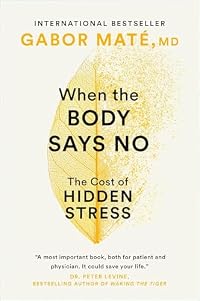
When the Body Says No: The Cost of Hidden Stress
by Gabor Maté
On This Page
Description
INTERNATIONAL BESTSELLERFrom renowned mental health expert and speaker Dr. Gabor Maté, this acclaimed, bestselling guide provides insight into the mind-body link between illness and health, and the critical role that stress and our emotional makeup play in an array of common diseases.
In this accessible and groundbreaking book—filled with the moving stories of real people—medical doctor and bestselling author Gabor Maté shows that emotion and psychological stress play a powerful role show more in the onset of chronic illness, including breast cancer, prostate cancer, multiple sclerosis, Alzheimer's disease and many others.
An international bestseller translated into over thirty languages, When the Body Says No promotes learning and healing, providing transformative insights into how illlness can be the body's way of saying no to what the mind cannot or will not acknowledge. With great compassion and erudition, Dr. Maté demystifies medical science and empowers us all to be our own health advocates. show less
Tags
Recommendations
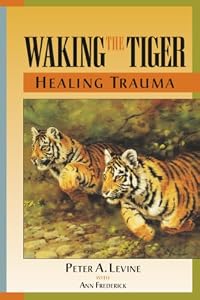
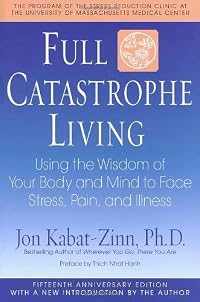
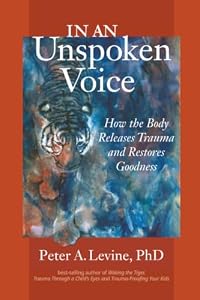
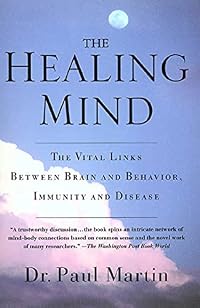



Member Reviews
Dr. Gabor Maté is an interesting, albeit controversial, character, who has found popular fame in later years as a self-declared trauma specialist (prior to he was a GP before working in the area of addiction for many years). I've listened to one of his podcasts, and was interested in reading this book as I deal with stress pretty poorly and firmly believe it's at the root cause of the IBS I suffer with.
This is a hugely interesting book, which I would caveat with the point that I have no way of fact checking the science he claims supports his theories. In each chapter he covers a wide myriad of diseases and conditions, including MND (or ALS, if you're North American), digestive diseases such as Chrohn's and ulcerative colitis (plus show more IBS), cancer (in particular bowel and melanoma), MS and arthritis. Whilst Maté believes there are particular nuances with each, a common theme is that he believes people's emotions (or rather their handling of them) have a part to play in how likely you are to get certain diseases and your prognosis once you have them.
It certainly doesn't seem beyond the realms of possibility to me that stress (or lack of effective stress management or outlet) could play a key role in the development of disease. Maté goes a step or two further, suggesting that certain personality types are more likely to develop specific diseases. For example, MND / ALS patients he suggests have been widely reported by specialists in this area to commonly have a very nice / amenable persona, always putting on a bright face and not wanting to be any bother. For melanoma patients (which was of personal interest to me), Maté talks of how it was in relationship to melanoma that led to the development of the notion of a "Type C" personality, a combination of character traits more likely to be found in those who develop cancer than in people who remain free of it.
Type C personalities have been described as "extremely cooperative, patient, passive, lacking assertiveness and accepting... the Type C individual, in our view, suppresses or represses 'negative' emotions, particularly anger, while struggling to maintain a strong and happy facade".
All very interesting, and I can certainly personally tick a number of those boxes off quite easily, but is that the power of suggestion? If other adjectives had been used would I have automatically been drawn to identify with those?
It's up to the individual reader to determine how much they do or don't agree with what Maté has to say in this book. Whilst I can't vouch for how well it scientifically stands up, I do believe that stress is behind many diseases, so whilst I still question some of Maté's statements, I'm interested in what he has to say.
At the end he covers 7 A's of healing: acceptance, awareness, anger, autonomy, attachment, assertion, affirmation. I didn't find any silver bullets to becoming better at handling stress from this chapter, but there's certainly enough of interest in the rest of the book to lead me to do my own further research in how to get better at this.
There will be many who strongly oppose the sweeping generic statements relating to the diseases and conditions covered, but in all I found this to be a really interesting book. Maté may not be 100% correct in his assertions, but I do believe there is more than a grain of substance to his arguments.
4 stars - a popular science book well worth a read. show less
This is a hugely interesting book, which I would caveat with the point that I have no way of fact checking the science he claims supports his theories. In each chapter he covers a wide myriad of diseases and conditions, including MND (or ALS, if you're North American), digestive diseases such as Chrohn's and ulcerative colitis (plus show more IBS), cancer (in particular bowel and melanoma), MS and arthritis. Whilst Maté believes there are particular nuances with each, a common theme is that he believes people's emotions (or rather their handling of them) have a part to play in how likely you are to get certain diseases and your prognosis once you have them.
It certainly doesn't seem beyond the realms of possibility to me that stress (or lack of effective stress management or outlet) could play a key role in the development of disease. Maté goes a step or two further, suggesting that certain personality types are more likely to develop specific diseases. For example, MND / ALS patients he suggests have been widely reported by specialists in this area to commonly have a very nice / amenable persona, always putting on a bright face and not wanting to be any bother. For melanoma patients (which was of personal interest to me), Maté talks of how it was in relationship to melanoma that led to the development of the notion of a "Type C" personality, a combination of character traits more likely to be found in those who develop cancer than in people who remain free of it.
Type C personalities have been described as "extremely cooperative, patient, passive, lacking assertiveness and accepting... the Type C individual, in our view, suppresses or represses 'negative' emotions, particularly anger, while struggling to maintain a strong and happy facade".
All very interesting, and I can certainly personally tick a number of those boxes off quite easily, but is that the power of suggestion? If other adjectives had been used would I have automatically been drawn to identify with those?
It's up to the individual reader to determine how much they do or don't agree with what Maté has to say in this book. Whilst I can't vouch for how well it scientifically stands up, I do believe that stress is behind many diseases, so whilst I still question some of Maté's statements, I'm interested in what he has to say.
At the end he covers 7 A's of healing: acceptance, awareness, anger, autonomy, attachment, assertion, affirmation. I didn't find any silver bullets to becoming better at handling stress from this chapter, but there's certainly enough of interest in the rest of the book to lead me to do my own further research in how to get better at this.
There will be many who strongly oppose the sweeping generic statements relating to the diseases and conditions covered, but in all I found this to be a really interesting book. Maté may not be 100% correct in his assertions, but I do believe there is more than a grain of substance to his arguments.
4 stars - a popular science book well worth a read. show less
When the Body Says No is a fascinating dive into how the impact of stress can affect medical diagnoses. The author uses heart warming patient stories to explain how chronic stress can influence physical health, even down to the development of serious illnesses. I was able to read it cover to cover—It’s engaging, clear, and surprisingly easy to follow, even for someone without a medical background. The book highlights how childhood experiences and life stressors can contribute to health outcomes, which is really thought-provoking.
One thing I did feel was missing was more guidance on how to manage stress in practical terms. There are a few resources at the end, but I was hoping for more actionable takeaways.
Still, it’s a powerful, show more thought-provoking read that offers a meaningful perspective on the mind-body connection—without placing blame on the individual. show less
One thing I did feel was missing was more guidance on how to manage stress in practical terms. There are a few resources at the end, but I was hoping for more actionable takeaways.
Still, it’s a powerful, show more thought-provoking read that offers a meaningful perspective on the mind-body connection—without placing blame on the individual. show less
This is a phenomenal book that lays out the connection between the physical body and one's emotional life, and how they affect each other. The focus is primarily on not only how our bodies are affected by our emotions, but how our emotions themselves are products of generations of personal histories experienced by our ancestors. I like how the author makes the distinction that the question is not about placing blame on anyone for someone's ill health, but simply noting that stress and emotions are almost like a by-product of what our particular parents/grandparents/great-grandparents etc have been through - an unintentional consequence of life itself, and therefore blame is not an issue at all. Mate's stance on this makes the idea that show more our health is affected by our emotional life much easier to stomach by removing this issue of blame and placing more emphasis on how, using this knowledge about the mind/body connection, we can empower ourselves and create positive change in our minds and bodies. This book is heavy on science and research, which I love. The analysis of self versus non-self and the affect of personal boundaries on health were particularly interesting. Full of well-synthesized ideas and a compelling argument about how we should approach our health by giving equal weight to our mind as well as our body. show less
Narrated by Daniel Mate. Recommended by a firefighter who supports traumatized colleagues. Sometimes the connections the author made between stress and illness seemed too convenient and unsupported to me (ALS sufferers tend to be "nice" people, for one) but I do believe that stress can have a physical impact on the body. It got me thinking about analyzing my past and upbringing and how it could potentially affect me. An interesting point: people can have cancer cells that never activate, so why do they differ from others with the same cancer cells that DO activate. Note: 7 A's of healing: Acceptance, awareness, anger, autonomy, attachment, assertion, affirmation.
This book gives too much credence to the "it's in your head" school of medicine but, as someone with a chronic illness which is "poorly understood", I am of the firm opinion that if medical science sucked less, there would be a lot fewer people reading this book.
I like Maté's books. They are a breath of fresh air about topics i have read about elsewhere but without all the drama and messianic heat. They are also sensible, informative, and in the behaviors taken from human examples, so Canadian specific. What can I say? We're not allowed to talk about money...not if we're polite. Neither is it the least bit nice to lead off a conversation with 'What do you do for a living?' That's a huge inconvenience on a first date when you really need to know if he lives with his mother. Cancer nation.
This book is a must read for anyone who wonders why they feel down, why they feel tired, why they feel drained. This is a must read, period.
I have had the privilege of meeting and doing personal work with Dr. Mate and this book, as with his others, resonates long past the last page. Finishing reading this book is only the beginning.
I cannot recommend this book, or Dr Maté's other books highly enough. If you ever, ever get a chance to work with him (attend a seminar etc) seize the opportunity - you will not forget it.
I have had the privilege of meeting and doing personal work with Dr. Mate and this book, as with his others, resonates long past the last page. Finishing reading this book is only the beginning.
I cannot recommend this book, or Dr Maté's other books highly enough. If you ever, ever get a chance to work with him (attend a seminar etc) seize the opportunity - you will not forget it.
Members
- Recently Added By
Lists

Top Five Books of 2020
982 works; 350 members

Globe and Mail | Canadian Non-Fiction: January 14, 2023
10 works; 1 member

Globe and Mail | Canadian Non-Fiction: September 17, 2022
10 works; 1 member
Globe and Mail | Canadian Non-Fiction: September 24, 2022
10 works; 1 member
Globe and Mail | Canadian Non-Fiction: January 7, 2023
10 works; 1 member
Globe and Mail | Canadian Non-Fiction: September 10, 2022
10 works; 1 member

Globe and Mail | Canadian Non-Fiction: July 16, 2022
10 works; 1 member
Globe and Mail | Canadian Non-Fiction: July 30, 2022
10 works; 1 member
Globe and Mail | Canadian Non-Fiction: October 1, 2022
10 works; 1 member
Globe and Mail | Canadian Non-Fiction: October 22, 2022
10 works; 1 member

Globe and Mail | Canadian Non-Fiction: November 26, 2022
10 works; 1 member

Globe and Mail | Canadian Non-Fiction: April 30, 2022
10 works; 1 member
Globe and Mail | Canadian Non-Fiction: September 3, 2022
10 works; 1 member
Globe and Mail | Canadian Non-Fiction: November 5, 2022
10 works; 1 member
Globe and Mail | Canadian Non-Fiction: October 29, 2022
10 works; 1 member

Globe and Mail | Canadian Non-Fiction: October 8, 2022
10 works; 1 member
Globe and Mail | Canadian Non-Fiction: December 3, 2022
10 works; 1 member
Globe and Mail | Canadian Non-Fiction: December 10, 2022
10 works; 1 member

Globe and Mail | Canadian Non-Fiction: July 2, 2022
10 works; 1 member
Globe and Mail | Canadian Non-Fiction: August 13, 2022
10 works; 1 member
Globe and Mail | Canadian Non-Fiction: May 14, 2022
10 works; 1 member

Globe and Mail | Canadian Non-Fiction: February 8, 2025
10 works; 1 member
Globe and Mail | Canadian Non-Fiction: August 31, 2024
10 works; 1 member

Globe and Mail | Canadian Non-Fiction: Year End, 2024
10 works; 1 member
Globe and Mail | Canadian Non-Fiction: January 25, 2025
10 works; 1 member

Globe and Mail | Canadian Non-Fiction: April 19, 2025
10 works; 1 member

Globe and Mail | Canadian Non-Fiction: March 15, 2025
10 works; 1 member
Globe and Mail | Canadian Non-Fiction: March 22, 2025
10 works; 1 member
Globe and Mail | Canadian Non-Fiction: March 29, 2025
10 works; 1 member
Globe and Mail | Canadian Non-Fiction: April 12, 2025
10 works; 1 member
Globe and Mail | Canadian Non-Fiction: August 17, 2024
10 works; 1 member
Globe and Mail | Canadian Non-Fiction: August 24, 2024
10 works; 1 member

Globe and Mail | Canadian Non-Fiction: May 4, 2024
10 works; 1 member
Globe and Mail | Canadian Non-Fiction: August 10, 2024
10 works; 1 member
Globe and Mail | Canadian Non-Fiction: August 3, 2024
10 works; 1 member
Globe and Mail | Canadian Non-Fiction: July 27, 2024
10 works; 1 member
Globe and Mail | Canadian Non-Fiction: July 20, 2024
10 works; 1 member
Globe and Mail | Canadian Non-Fiction: July 13, 2024
10 works; 1 member
Globe and Mail | Canadian Non-Fiction: July 6, 2024
10 works; 1 member

Globe and Mail | Canadian Non-Fiction: June 22, 2024
10 works; 1 member

Globe and Mail | Canadian Non-Fiction: May 25, 2024
10 works; 1 member
Globe and Mail | Canadian Non-Fiction: May 11, 2024
10 works; 1 member
Globe and Mail | Canadian Non-Fiction: May 3, 2025
10 works; 1 member
Globe and Mail | Canadian Non-Fiction: April 27, 2024
9 works; 1 member
Globe and Mail | Canadian Non-Fiction: April 26, 2025
10 works; 1 member
Globe and Mail | Canadian Non-Fiction: July 19, 2025
10 works; 1 member
Globe and Mail | Canadian Non-Fiction: May 10, 2025
10 works; 1 member

Globe and Mail | Canadian Non-Fiction: August 30, 2025
10 works; 1 member

Globe and Mail | Canadian Non-Fiction: March 28, 2026
10 works; 1 member

Globe and Mail | Canadian Non-Fiction: March 7, 2026
10 works; 1 member
Globe and Mail | Canadian Non-Fiction: February 21, 2026
10 works; 1 member
Globe and Mail | Canadian Non-Fiction: January 24, 2026
10 works; 1 member
Globe and Mail | Canadian Non-Fiction: January 10, 2026
10 works; 1 member
Globe and Mail | Canadian Non-Fiction: Year End, 2025
10 works; 1 member

Nervous system
43 works; 1 member

Healing resources for women
587 works; 1 member

Globe and Mail | Canadian Non-Fiction: October 18, 2025
9 works; 1 member

Globe and Mail | Canadian Non-Fiction: September 6, 2025
10 works; 1 member
Globe and Mail | Canadian Non-Fiction: August 16, 2025
10 works; 1 member
Globe and Mail | Canadian Non-Fiction: May 17, 2025
10 works; 1 member

Globe and Mail | Canadian Non-Fiction: August 9, 2025
10 works; 1 member
Globe and Mail | Canadian Non-Fiction: August 2, 2025
10 works; 1 member

Globe and Mail | Canadian Non-Fiction: July 26, 2025
10 works; 1 member

Globe and Mail | Canadian Non-Fiction: April 13, 2024
10 works; 1 member
Globe and Mail | Canadian Non-Fiction: July 12, 2025
10 works; 1 member

Men's healing resources
727 works; 1 member
Globe and Mail | Canadian Non-Fiction: July 5, 2025
10 works; 1 member
Globe and Mail | Canadian Non-Fiction: June 28, 2025
10 works; 1 member
Globe and Mail | Canadian Non-Fiction: June 7, 2025
10 works; 1 member
Globe and Mail | Canadian Non-Fiction: May 31, 2025
10 works; 1 member
Globe and Mail | Canadian Non-Fiction: May 24, 2025
10 works; 1 member

Globe and Mail | Canadian Non-Fiction: April 20, 2024
10 works; 1 member
Globe and Mail | Canadian Non-Fiction: January 27, 2024
10 works; 1 member
Globe and Mail | Canadian Non-Fiction: April 6, 2024
10 works; 1 member

Globe and Mail | Canadian Non-Fiction: April 8, 2023
10 works; 1 member
Globe and Mail | Canadian Non-Fiction: July 1, 2023
10 works; 1 member
Globe and Mail | Canadian Non-Fiction: June 10, 2023
10 works; 1 member
Globe and Mail | Canadian Non-Fiction: June 3, 2023
10 works; 1 member
Globe and Mail | Canadian Non-Fiction: May 27, 2023
10 works; 1 member
Globe and Mail | Canadian Non-Fiction: May 20, 2023
10 works; 1 member
Globe and Mail | Canadian Non-Fiction: May 13, 2023
10 works; 1 member

Globe and Mail | Canadian Non-Fiction: May 5, 2023
10 works; 1 member
Globe and Mail | Canadian Non-Fiction: April 29, 2023
10 works; 1 member
Globe and Mail | Canadian Non-Fiction: April 22, 2023
10 works; 1 member
Globe and Mail | Canadian Non-Fiction: April 15, 2023
10 works; 1 member
Globe and Mail | Canadian Non-Fiction: April 1, 2023
10 works; 1 member
Globe and Mail | Canadian Non-Fiction: July 15, 2023
10 works; 1 member

Globe and Mail | Canadian Non-Fiction: March 25, 2023
10 works; 1 member
Globe and Mail | Canadian Non-Fiction: March 18, 2023
10 works; 1 member
Globe and Mail | Canadian Non-Fiction: March 11, 2023
10 works; 1 member

Globe and Mail | Canadian Non-Fiction: March 4, 2023
10 works; 1 member

Globe and Mail | Canadian Non-Fiction: February 25, 2023
10 works; 1 member
Globe and Mail | Canadian Non-Fiction: February 18, 2023
10 works; 1 member
Globe and Mail | Canadian Non-Fiction: February 11, 2023
10 works; 1 member
Globe and Mail | Canadian Non-Fiction: February 4, 2023
10 works; 1 member
Globe and Mail | Canadian Non-Fiction: January 28, 2023
10 works; 1 member
Globe and Mail | Canadian Non-Fiction: January 21, 2023
10 works; 1 member
Globe and Mail | Canadian Non-Fiction: July 8, 2023
10 works; 1 member
Globe and Mail | Canadian Non-Fiction: July 22, 2023
10 works; 1 member
Globe and Mail | Canadian Non-Fiction: March 30, 2024
10 works; 1 member
Globe and Mail | Canadian Non-Fiction: January 6, 2024
10 works; 1 member

Globe and Mail | Canadian Non-Fiction: March 23, 2024
10 works; 1 member
Globe and Mail | Canadian Non-Fiction: March 16, 2024
10 works; 1 member
Globe and Mail | Canadian Non-Fiction: March 9, 2024
10 works; 1 member
Globe and Mail | Canadian Non-Fiction: March 2, 2024
10 works; 1 member
Globe and Mail | Canadian Non-Fiction: February 24, 2024
10 works; 1 member
Globe and Mail | Canadian Non-Fiction: February 17, 2024
10 works; 1 member
Globe and Mail | Canadian Non-Fiction: February 10, 2024
10 works; 2 members

Globe and Mail | Canadian Non-Fiction: February 3, 2024
10 works; 1 member
Globe and Mail | Canadian Non-Fiction: January 20, 2024
10 works; 1 member
Globe and Mail | Canadian Non-Fiction: January 13, 2024
10 works; 1 member
Globe and Mail | Canadian Non-Fiction: Year End, 2023
10 works; 1 member
Globe and Mail | Canadian Non-Fiction: July, 29, 2023
10 works; 1 member
Globe and Mail | Canadian Non-Fiction: December 2, 2023
10 works; 1 member

Globe and Mail | Canadian Non-Fiction: October 14, 2023
10 works; 1 member
Globe and Mail | Canadian Non-Fiction: October 7, 2023
10 works; 1 member
Globe and Mail | Canadian Non-Fiction: September 30, 2023
10 works; 1 member

Globe and Mail | Canadian Non-Fiction: September 23, 2023
10 works; 1 member
Globe and Mail | Canadian Non-Fiction: September 16, 2023
10 works; 1 member
Globe and Mail | Canadian Non-Fiction: September 9, 2023
10 works; 1 member
Globe and Mail | Canadian Non-Fiction: August 26, 2023
10 works; 1 member
Globe and Mail | Canadian Non-Fiction: August 19, 2023
10 works; 1 member
Globe and Mail | Canadian Non-Fiction: August 12, 2023
10 works; 1 member
Globe and Mail | Canadian Non-Fiction: August 5, 2023
10 works; 1 member

Globe and Mail | Canadian Non-Fiction: May 2, 2026
10 works; 1 member
Author Information

33+ Works 5,519 Members
Gabor Mate, M.D., has been a family practitioner for twenty years. He was a long-standing medical columnist for The Vancouver Sun and The Globe and Mail in Canada
Awards and Honors
Awards
Common Knowledge
- Canonical title*
- Quando il corpo dice no: il costo dello stress invisibile
- Blurbers
- Klein, Naomi
*Some information comes from Common Knowledge in other languages. Click "Edit" for more information.
Classifications
Statistics
- Members
- 1,161
- Popularity
- 21,489
- Reviews
- 16
- Rating
- (4.18)
- Languages
- 10 — Dutch, English, French, German, Hungarian, Italian, Polish, Portuguese, Romanian, Spanish
- Media
- Paper, Audiobook, Ebook
- ISBNs
- 34
- UPCs
- 1
- ASINs
- 16