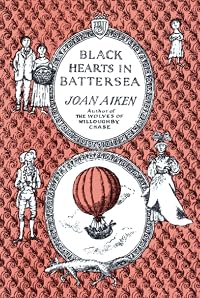
Black Hearts in Battersea
by Joan Aiken
Wolves Chronicles (Publication Order) (2), Wolves Chronicles (Chronological Order) (2)
On This Page
Description
Simon, the foundling from the earlier book, The wolves of Willoughy Chase, arrives in London to meet an old friend and pursue the study of painting, but he finds himself in the middle of a wicked crew's plan to overthrow good King James and the Duke and Duchess of Battersea.Tags
Recommendations




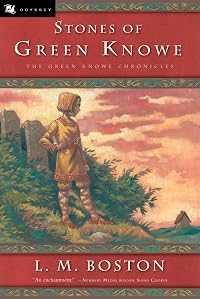
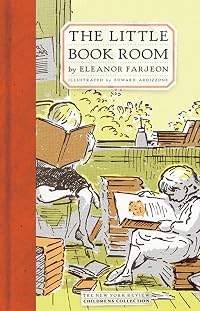
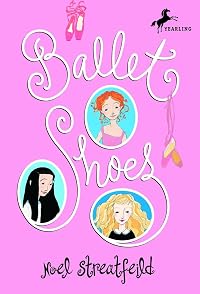


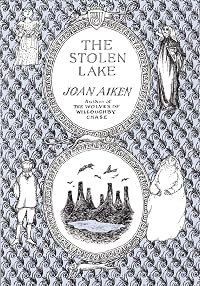









Member Recommendations
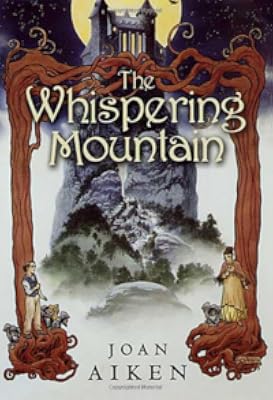
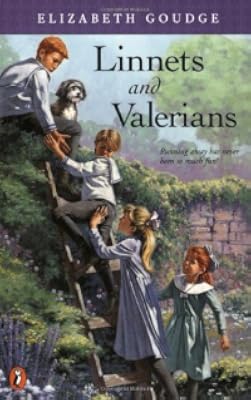
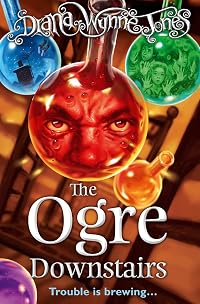
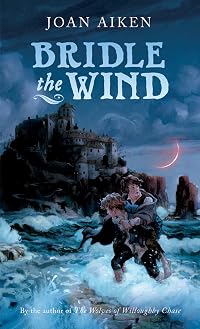
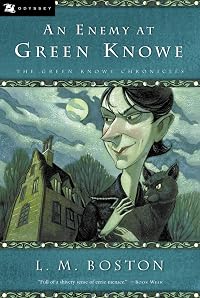
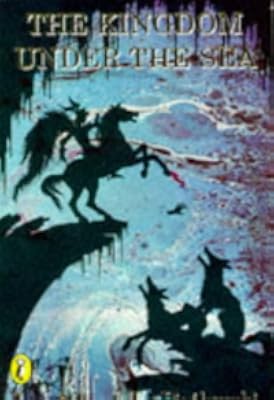
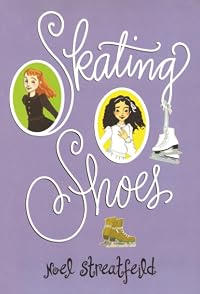
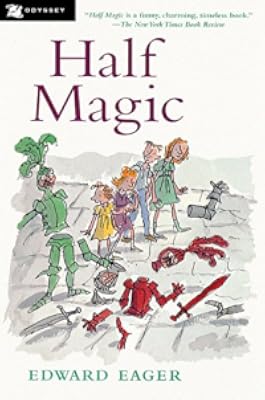
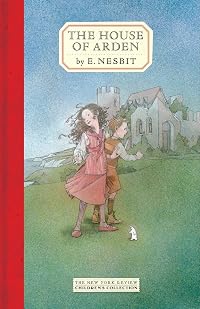
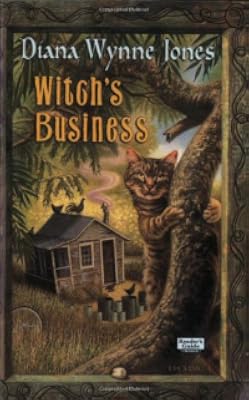
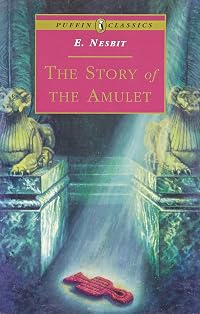
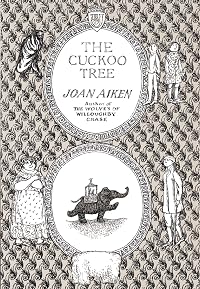
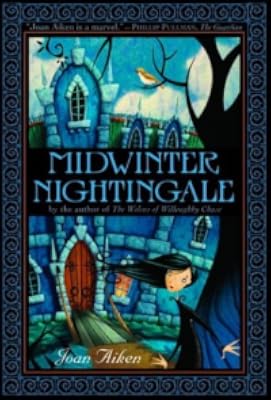
Sakerfalcon Similar period settings and society, with intelligent, unscrupulous heroines. Both books are exciting, subversive and extremely well-written.
30

Member Reviews
This second volume in the Wolves Chronicles follows the adventures of Simon the goose-boy, who journeys to London from the Willoughby estate, intent on studying art and becoming a great painter. Nothing is quite as he expected however, and as he makes friends in places high and low, Simon soon finds himself at the center of a dastardly Hanoverian plot...
A humorously convoluted Victorian melodrama, complete with plots, assassination attempts, kidnappings, shipwrecks, hidden identities, secret societies, and hot-air balloon escapes, Black Heart in Battersea also has the distinction of introducing into the pages of children's literature one of its most distinctive heroines. The incomparable Dido Twite, with her awful language, defiant show more manner, and appearance like a "molting sparrow," cannot boast a very auspicious debut, but she carries within her the seeds of all those qualities that most matter in Aiken's world: bravery, loyalty and love. In a word, she has heart...
It is my good fortune to own a copy of the original (American) edition of this book, which is illustrated by Robin Jacques, whose work is perhaps best known from Ruth Manning-Sanders' folktale collections. It seems a real shame to me that these illustrations have been omitted from later editions. show less
A humorously convoluted Victorian melodrama, complete with plots, assassination attempts, kidnappings, shipwrecks, hidden identities, secret societies, and hot-air balloon escapes, Black Heart in Battersea also has the distinction of introducing into the pages of children's literature one of its most distinctive heroines. The incomparable Dido Twite, with her awful language, defiant show more manner, and appearance like a "molting sparrow," cannot boast a very auspicious debut, but she carries within her the seeds of all those qualities that most matter in Aiken's world: bravery, loyalty and love. In a word, she has heart...
It is my good fortune to own a copy of the original (American) edition of this book, which is illustrated by Robin Jacques, whose work is perhaps best known from Ruth Manning-Sanders' folktale collections. It seems a real shame to me that these illustrations have been omitted from later editions. show less
This is a tremendously entertaining story beginning with Simon and his donkey arriving in London to look up his old friend. Everything starts to go confusingly awry and then just as they start to settle down the fantastic mystery and adventure takes off. I loved the language that appears to be a combination of historic dialect and possibly made up words, that even if not understood can be hilarious. The lavishly drawn characters are a reminder of Dickens' and just as entertaining. I look forward to the next book in the series to find out what happened to the loveable brat Dido Twite. Although it's a book for any age group, I just wish Aiken's books had been part of my childhood reading when I would have devoured them.
Late summer, 1833. The second in Joan Aiken's Wolves Chronicles opens with Simon, the orphan who helped cousins Sylvia and Bonnie Green to regain Willoughby Chase, looking for his friend Gabriel Field in London: Dr Field has offered him space in his Southwark lodgings so that Simon can attend an art academy in Chelsea. But Simon is encountering difficulty finding Rose Alley, having been misdirected a few times. When he does eventually find No 8 it is to discover no sign of the good doctor, only a streetwise little urchin called Dido and her rather strange family.
The mystery of Gabriel Field's disappearance is only one of several puzzles that Simon meets during the course of this inventive novel, a good example of a sequel that is not show more only the equal of the first novel but in some ways almost surpasses it.
It combines the twin thrills of pantomime and melodrama by means of a series of extraordinary coincidences: typically, every character Simon meets somehow has a connection with him, and every individual turns out to be either his friend or his foe. Only rarely is there a hint of ambiguity, and with two potential adversaries -- Dido and her nefarious Pa -- we soon realise that their personalities are more nuanced than expected. In fact with Dido, who almost literally drops out of the story, her peccadilloes have so endeared herself to us that we are cheered when somebody at the end declares, "I feel in my bones that we shall hear of her again. So do not grieve too much."
I've been wracking my brain to figure out what it is that strikes me about what might otherwise be regarded as a very slight adventure story for youngsters, and I think I've finally twigged: the year that Black Hearts in Battersea was published -- 1964 -- was the year in which we celebrated the fourth century of Shakespeare's birth, and I wonder if, consciously or subconsciously, Aiken drew inspiration for her plot from his plays. For a start, Rose Alley (just a narrow service street now) commemorates The Rose which, erected in 1587, was the fifth purpose-built London theatre as well as the first on Bankside. Bankside is where The Swan was erected in 1595 and The Globe transferred in 1599 from another part of London, sited close to where its modern counterpart is. Bear Gardens, which runs parallel to Rose Alley, reminds us that here too stood an arena dedicated to the cruel sport of bear-baiting.
But even if Aiken deliberately sited the Twites in this area that doesn't necessarily prove a Shakespearean inspiration, but there are other clues. First, let's remember this is an alternate history and that Hanoverian rulers are plotting to overthrow the rightful Stuart king James III (who, oddly, still retains his Scots accent). There is a sequence which strongly suggests to me the Gunpowder Plot of 1605, in which Guy Fawkes and his associates planned to blow up the Houses of Parliament, due to be opened by the Scottish-born king James VI of Scotland, by now also James I of England.
Next, it's often proposed that Shakespeare wrote Macbeth in the aftermath of the Plot, in 1606, and the dastardly deeds of the usurping thane of Glamis may find an echo in Aiken's subplot of a rightful heir to a duke's title.
Another related subplot is about twins, both missing and unsuspected, and some Shakespeare comedies are full of this universal theme, as we know from The Comedy of Errors and Twelfth Night. Add to that the Shakespearean commonplace of a shipwreck following a storm (The Tempest, of course, and Twelfth Night) which Aiken also cunningly includes in Black Hearts in Battersea and it's hard to avoid the impression that Joan may well have been cock-a-hoop with delight at how many references she could include. To include more here would be to spoil the story for anyone yet to enjoy this tale of derring-do, but she may still have been surprised that it might have taken till the fourth centenary of Shakespeare's death to pick this Gordian knot apart.
The title of Black Hearts utilises a phrase associated with the moral depravity of villains, but I also suspect that Joan used it to substitute for blackguard, commonly pronounced to rhyme with laggard and meaning a rogue, scoundrel, rascal or, indeed, anyone who acts in a dishonourable or contemptible way. In a just world such people would get their deserts, but you will have to read the novel itself to discover if in fact this holds true here. But one can hope! show less
The mystery of Gabriel Field's disappearance is only one of several puzzles that Simon meets during the course of this inventive novel, a good example of a sequel that is not show more only the equal of the first novel but in some ways almost surpasses it.
It combines the twin thrills of pantomime and melodrama by means of a series of extraordinary coincidences: typically, every character Simon meets somehow has a connection with him, and every individual turns out to be either his friend or his foe. Only rarely is there a hint of ambiguity, and with two potential adversaries -- Dido and her nefarious Pa -- we soon realise that their personalities are more nuanced than expected. In fact with Dido, who almost literally drops out of the story, her peccadilloes have so endeared herself to us that we are cheered when somebody at the end declares, "I feel in my bones that we shall hear of her again. So do not grieve too much."
I've been wracking my brain to figure out what it is that strikes me about what might otherwise be regarded as a very slight adventure story for youngsters, and I think I've finally twigged: the year that Black Hearts in Battersea was published -- 1964 -- was the year in which we celebrated the fourth century of Shakespeare's birth, and I wonder if, consciously or subconsciously, Aiken drew inspiration for her plot from his plays. For a start, Rose Alley (just a narrow service street now) commemorates The Rose which, erected in 1587, was the fifth purpose-built London theatre as well as the first on Bankside. Bankside is where The Swan was erected in 1595 and The Globe transferred in 1599 from another part of London, sited close to where its modern counterpart is. Bear Gardens, which runs parallel to Rose Alley, reminds us that here too stood an arena dedicated to the cruel sport of bear-baiting.
But even if Aiken deliberately sited the Twites in this area that doesn't necessarily prove a Shakespearean inspiration, but there are other clues. First, let's remember this is an alternate history and that Hanoverian rulers are plotting to overthrow the rightful Stuart king James III (who, oddly, still retains his Scots accent). There is a sequence which strongly suggests to me the Gunpowder Plot of 1605, in which Guy Fawkes and his associates planned to blow up the Houses of Parliament, due to be opened by the Scottish-born king James VI of Scotland, by now also James I of England.
Next, it's often proposed that Shakespeare wrote Macbeth in the aftermath of the Plot, in 1606, and the dastardly deeds of the usurping thane of Glamis may find an echo in Aiken's subplot of a rightful heir to a duke's title.
Another related subplot is about twins, both missing and unsuspected, and some Shakespeare comedies are full of this universal theme, as we know from The Comedy of Errors and Twelfth Night. Add to that the Shakespearean commonplace of a shipwreck following a storm (The Tempest, of course, and Twelfth Night) which Aiken also cunningly includes in Black Hearts in Battersea and it's hard to avoid the impression that Joan may well have been cock-a-hoop with delight at how many references she could include. To include more here would be to spoil the story for anyone yet to enjoy this tale of derring-do, but she may still have been surprised that it might have taken till the fourth centenary of Shakespeare's death to pick this Gordian knot apart.
The title of Black Hearts utilises a phrase associated with the moral depravity of villains, but I also suspect that Joan used it to substitute for blackguard, commonly pronounced to rhyme with laggard and meaning a rogue, scoundrel, rascal or, indeed, anyone who acts in a dishonourable or contemptible way. In a just world such people would get their deserts, but you will have to read the novel itself to discover if in fact this holds true here. But one can hope! show less
This was one of my absolute favorite books growing up. Rereading it as an adult was an interesting experience. The writing style is still lovely, the characters engaging (especially Sophie, the extremely self-possessed lady's maid who keeps saving the day through the creative deployment of a tapestry she's embroidering; and Dido Twite, the bratty, neglected little girl who becomes the protagonist in later books), and there's plenty of excitement and humor.
Otoh, the number of coincidences in this book--both plot-propelling and otherwise--is completely ridiculous. They seemed unremarkable to me as a child, but I confess I rolled my eyes more than once rereading the book now. And the classism, which also went over my head as a child, is show more similarly blatant. As one illustrative example: There's a scene where two teenaged boys and Dido are on a sinking ship. Teenaged boy #1, the protagonist, gets the second boy secured to a barrel and gives him an oar and lowers him into the water first, since, as he says, "you're a Duke's nevvy." And then the protagonist and little Dido--the latter of whom can't swim--make do with a broken spar that they both cling to, as that's all that's left!
Not-so-minor quibbles aside, however, I did enjoy rereading the book, though I don't know how appealing it would be if it weren't so colored by nostalgia for me.
Final note: I recommend reading an edition illustrated by Robin Jacques, if you can find one. I was surprised when googling his name just how many of his illustrations--from this series and from numerous other books--had made a deep and lasting impression on me, and I think his art really enhances the story. show less
Otoh, the number of coincidences in this book--both plot-propelling and otherwise--is completely ridiculous. They seemed unremarkable to me as a child, but I confess I rolled my eyes more than once rereading the book now. And the classism, which also went over my head as a child, is show more similarly blatant. As one illustrative example: There's a scene where two teenaged boys and Dido are on a sinking ship. Teenaged boy #1, the protagonist, gets the second boy secured to a barrel and gives him an oar and lowers him into the water first, since, as he says, "you're a Duke's nevvy." And then the protagonist and little Dido--the latter of whom can't swim--make do with a broken spar that they both cling to, as that's all that's left!
Not-so-minor quibbles aside, however, I did enjoy rereading the book, though I don't know how appealing it would be if it weren't so colored by nostalgia for me.
Final note: I recommend reading an edition illustrated by Robin Jacques, if you can find one. I was surprised when googling his name just how many of his illustrations--from this series and from numerous other books--had made a deep and lasting impression on me, and I think his art really enhances the story. show less
Just as much fun, and in the same vein, as Wolves of Willoughby Chase; melodrama on all sorts of levels. Here the alternate history does come into play - the villains are Hanoverians, who want to put Prince George on the throne instead of King James (the reverse of our history). But that's just a side-story (though it drives the rest) - there are mysterious disappearances, eccentric nobles, a long-lost heir or two (plus a pretender), multiple attempted assassinations, on and on. Not to mention fighting off wolves in Hyde and Battersea Parks in London, a shipwreck, and a long trip by balloon. I'm a little surprised the kitten never got a name. And I'm very glad that I know the series goes on with Dido - her loss is a hard blow for Simon. show more Great story - next, please! show less
This is the second in the author's series of books begining with the Wolves of Willoughby Chase. The continuing and principal character is young Simon who goes to London to be a painter. He falls in with an eclectic bunch of characters, including the traitorous Twites with whom he lodges and their mischievous but appealing scamp of a daughter Dido. Simon discovers a plot by Hanoverians to overthrow the king of Britain in this alternate 19th century, James III (Stuart). While quite good fun, I didn't enjoy this quite as much as the first one and the ending seemed a little rushed. I will pursue the series though.
Book two in the alternate history kids' series that started with The Wolves of Willoughby Chase.
After hearing more than one person praise these books as bone fide children's classics, I was quite underwhelmed by the first volume, which I found readable but pretty unmemorable. I was told, though, that this one was better, and I do think that's true. I still don't quite see why it's rated as such a classic -- I think maybe you just have to read it at the right age to fully appreciate it and imprint on it -- but it is an entirely decent kids' story. There's a mysterious disappearance, an insurrectionist plot, some adventures at sea, and the revelation of several true identities. All of which admittedly feels quite contrived, and the main show more mysteries are wrapped up a bit abruptly, but I guess that's hardly unusual for this sort of thing. It's entertaining enough, anyway, and I'm sure I would have found it fairly exciting if I'd read it as a child. (And quite how I missed out on this series as a kid, I'm not remotely sure.) It's also got some fun and colorful dialog, which may or may not be historically accurate, but is rather charming, anyway. show less
After hearing more than one person praise these books as bone fide children's classics, I was quite underwhelmed by the first volume, which I found readable but pretty unmemorable. I was told, though, that this one was better, and I do think that's true. I still don't quite see why it's rated as such a classic -- I think maybe you just have to read it at the right age to fully appreciate it and imprint on it -- but it is an entirely decent kids' story. There's a mysterious disappearance, an insurrectionist plot, some adventures at sea, and the revelation of several true identities. All of which admittedly feels quite contrived, and the main show more mysteries are wrapped up a bit abruptly, but I guess that's hardly unusual for this sort of thing. It's entertaining enough, anyway, and I'm sure I would have found it fairly exciting if I'd read it as a child. (And quite how I missed out on this series as a kid, I'm not remotely sure.) It's also got some fun and colorful dialog, which may or may not be historically accurate, but is rather charming, anyway. show less
Members
- Recently Added By
Lists

Favorite Childhood Books
1,651 works; 519 members

Best Children's Books You've Read
197 works; 74 members

Best Alternate History
111 works; 60 members

Childhood Favorites
427 works; 24 members

Elevenses
316 works; 87 members

Female Author
1,234 works; 66 members
Books with Colourful Titles
171 works; 8 members

Pleasant Surprises: Books That Exceeded Our Expectations
418 works; 143 members

1960s, Best books published therein
254 works; 22 members

Spirit of Place
46 works; 1 member

A Rainbow of Books: Colors in the Title
570 works; 24 members

Edward Gorey Covers
150 works; 8 members

Books With Body Parts in the Title
153 works; 9 members

1964 Project
114 works; 1 member

Books We Love to Reread
695 works; 298 members

Kidnapping -- children's/young adult fiction
598 works; 3 members

Books With Place Names in the Title
315 works; 12 members

Books We Loved As Children
610 works; 254 members

Favorite Kids Books (chapter, middle grade)
170 works; 4 members
Author Information

216+ Works 19,851 Members
Joan Delano Aiken was born in Rye, Sussex, England, on September 4, 1924, the daughter of the Pulitzer Prize winner, writer Conrad Aiken. She was raised in a rural area and home schooled by her mother until the age 12. She then attended Wychwood School, a boarding school in Oxford. Her work first appeared in 1941 when the British Broadcasting show more Corporation, where she worked as a librarian, broadcast some of her short stories on their Children's Hour program. Aiken also worked at St. Thomas's Hospital, and in 1943 she moved to the reference department of the London office of the United Nations, where she collected information about resistance movements. She worked for the UN until 1949, all the while continuing to write stories. In 1953 a collection of short fiction called All You've Ever Wanted and Other Stories was published. While writing The Wolves of Willoughby Chase, begun in 1952, her husband became ill and died of lung cancer in 1955. After working for five years as a copy editor at Argosy Magazine, and at the J. Walter Thompson Advertising Firm, she returned and finished the book in 1963. The Wolves of Willoughby Chase won the Lewis Carroll Shelf Award and was made into a successful film in 1988. In 1969 The Whispering Mountain won the Guardian Children's Book Award, and in 1972, Night Fall won America's Edgar Allen Poe Award for juvenile mystery. Aiken is best known for her adult "fantasy" stories. She has received awards for children's fiction and for mystery fiction, and has also written ''sequels'' to Jane Austen books. She collaborated with her daughter to write many episodes of her Arabel and Mortimer the raven series for the BBC. In all, Aiken wrote 92 novels - including 27 for adults - as well as plays, poems and short stories, although she was best known as a writer of children's stories. Joan Aiken died in January of 2004 at the age of 79. (Bowker Author Biography) show less
Some Editions
Awards and Honors
Series

Wolves Chronicles (Publication Order)
11 works (2)

Wolves Chronicles (Chronological Order)
11 works (2)
Belongs to Publisher Series
Puffin Story Books (345)
Work Relationships
Is contained in
Common Knowledge
- Original publication date
- 1964
- People/Characters
- Dido Twite; Simon Bayswater; James III; Sophie Bayswater; Duke of Battersea; Duchess of Battersea (show all 9); Abednego Twite (Pa); Dr. Gabriel Field; Penelope Twite
- Important places
- London, England, UK
- Dedication
- For Jessica and Joanna
- First words
- On a fine warm evening in late summer, over a hundred years ago, a boy might have been seen leading a donkey across Southwark Bridge in the city of London.
- Last words
- (Click to show. Warning: May contain spoilers.)Faster and faster the procession glided off into the dark, a long trail of brilliant lights, red and gold and blue, winding along the frozen Thames to Hampton Court, until at last the glitter and the music of the bells died away, and the students went home to bed, and the mysterious peace of Christmas night descended one again upon Battersea Park.
Classifications
- Genres
- Fiction and Literature, Children's Books, Kids, Tween, Fantasy
- DDC/MDS
- 823.914 — Literature & rhetoric English & Old English literatures English fiction 1900- 1901-1999 1945-1999
- LCC
- PZ7 .A2695 .B — Language and Literature Fiction and juvenile belles lettres Fiction and juvenile belles lettres Juvenile belles lettres
- BISAC
Statistics
- Members
- 1,215
- Popularity
- 20,492
- Reviews
- 25
- Rating
- (4.17)
- Languages
- English, German
- Media
- Paper, Ebook
- ISBNs
- 24
- UPCs
- 3
- ASINs
- 21