
On This Page
Description
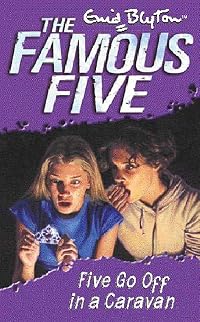
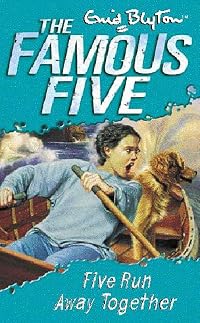
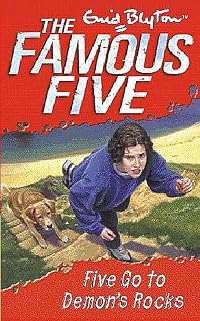
A caravan holiday for the Famous Five is bound to be an adventure! And when they stumble across a circus troupe, the gang are thrilled. But some of the circus people have more sinister plans than just clowning around ...Tags
Recommendations










Member Reviews
Blurb: **The story begins on a hot sunny day when the children sees a circus go by. This gives George an idea for a camping holiday. The others are excited about this and Julian asks his mother to hire a caravan. After a few days they leave for Merran Lake where they befriend Nobby, a boy who works for a circus. The Five camp near to the circus and soon find that some of the people including Tiger Dan, Nobby's uncle, are less than happy with their presence.**
Spoilers ahead:
I remembered this as one my favorite Famous Five, and it still is. As much as I enjoy other books in the series with a more oppressive atmosphere (basically all the previous ones except the first), this is the kind of Famous Five story I remember most fondly: it has show more that sense of freedom and joy that permeates all the pre-adventure part. That feeling extends then to the adventure part, and makes me read (or, in this case, listen) with a wide grin. This is a perfect example of the series: everything about it is very enjoyable.
Random thoughts:
The pre-adventure part of this book is particularly wonderful. It's just fun and exciting as the five make plans for their caravan holidays and set off on their own. Apart from their camping on Kirrin Island in previous books, it's the first time they get to go on holidays with no adult supervision whatsoever, and that's something that really appealed to me as a boy. Even today, having mountain trekking as one of my hobbies, I much prefer organizing the trip with just a group of friends rather than joining guided trips.
When you think about it, it's kind of sad that George's parents send their daughter to boarding school and on her holidays they don't want her to be with them because of Uncle Quentin's work. Reading this as a boy it did not bother me. I accepted that the convention of these books is that the parents' role is getting out of the way so that the children can have their great adventures. But reading now I notice it more. Did parents in the 50s put less value on enjoying their children's childhood?
We get to meet Julian, Dick and Anne's parents. Well, we met them briefly in the first book, but here we see a bit more of them and their home life. They seem quite nice, nothing like the fierceness of Uncle Quentin but, as I commented, their role is getting out of the way. This time it's not an illness, but their father has to travel and would like to bring his wife with him, so they are receptive to the children's plan of going off on their own for a couple of weeks.
The adults stress that they give their permission for them to go on their own because they trust Julian to be in charge, and because Tim will look after them too. All that leadership and responsibility on Julian's shoulders would perhaps be more natural if he were two or three years older than George and Dick, instead of just one. One year is not that much, although it's true that Julian is just quite responsible.
Julian says that he is going to lock the door of the girls' caravan, just in case a tramp or something tries to get in during the night. George rebels, saying that she is not going to be locked in and that Tim is more than capable of protecting them. This is so obviously true that Julian has to agree. However, later in the story, when there's more tangible reason to worry, George accepts because she notices Anne is scared. However, wouldn't it make much more sense for the girls to lock the door from the inside, rather than Julian locking them in? If the boys are in trouble, George can't even let Tim out to help, and Tim is the hero who can defeat any rogue threatening the children.
I really enjoyed Pongo the ape and his tricks. Quite funny. As much as I love Timmy, he does not have the flair for comedy that Kiki the parrot has in the Adventure series, so it was good to have such a funny animal in this book. I loved how he would cover his face with his hand as if he were ashamed when he was scolded for something, but at the same time he looked mischievously through his fingers, not a bit sorry.
A horse named Dobby and a boy named Nobby in this story. Way too similar. Didn't Blyton have an editor?
How wealthy were the Five? Their families, I mean? Blyton is sometimes criticized for being classist, for having these posh children fighting lower-class, unwashed criminals. Compared to the circus folk they were certainly "posh". However, as a child the Five never seemed very posh to me. After all, the kind of activities they did seemed middle-class. What super-wealthy people spend their holidays on a caravan pulled by a horse, or camping in rural areas? Sure, the Kirrins had a cook, but on the other hand they had recently found a lot of gold. Before that, they had serious money problems. Now I understand that sending the children to boarding schools was something that only relatively wealthy families could do, but still they do not seem very posh to me. Depends who you compare them to, of course. Perhaps at that time anyone of a higher social class than the servants was posh.
How nice were the owners of that farm near the lake. The children really ate well thanks to them. People often joke about Blyton's obsession with food, and it's true, but I just enjoy it. She knew her audience. What child does not enjoy good food? It just contributes to the cozy atmosphere.
The adventure was excellent. I remember as a boy being thrilled when Julian was on top of the caravan watching to see what the bad guys would do. How clever, but also dangerous! One of my favorite moments in the whole series.
George didn't shine here as much as in other books. Julian gets to hide on the roof of the caravan and discover Dan and Lou's secret, and Dick is the one who slips away from the cave where they were imprisoned and gets help.
I found it funny, how Anne took charge when it came to meals and household chores, and in that context she ordered everyone around. She seemed really happy doing that. Sexist? Well, as long as girls (i.e. George) are not forced to do more than the boys just because they are girls, I don't see why Anne shouldn't enjoy it if she is so inclined. Still, something like that would not be politically correct enough to be published today. If someone enjoys cooking, it'd better be a boy.
One thing that bothered me in Smuggler's Top is that the plan of the bad guy turned out to be absurd. Here, we have no such annoyance. Sure, it was an incredible coincidence that they would put the caravans right on top of the entrance to the caves where Tiger Dan and Lou had the stolen goods, but coincidences are OK in these books as far as I am concerned. How else would these children have so many adventures? (Besides, I was very amused as a child imagining how frustrated the bad guys had felt).
Dan and Lou were really nasty. Poor Nobby! And on top of everything else, they wanted to leave the children to starve in the cave, and only decided against it because it would cause all the police to go after them. There was very real danger in this adventure. Even shots.
I wonder whether Nobby enjoyed life at the farm after the story. Sure, he could work with the horses, and sure, he was free from mistreatment, but life with the circus folk seemed a lot of fun. There always seemed to be something interesting happening. Maybe it's not so much fun when you are there all the time... Well, one thing is certain, Nobby would eat well at that farm!
Oh well, this is my favorite book in the series so far.
Coming next: Five on Kirrin Island Again (1947) show less
Spoilers ahead:
I remembered this as one my favorite Famous Five, and it still is. As much as I enjoy other books in the series with a more oppressive atmosphere (basically all the previous ones except the first), this is the kind of Famous Five story I remember most fondly: it has show more that sense of freedom and joy that permeates all the pre-adventure part. That feeling extends then to the adventure part, and makes me read (or, in this case, listen) with a wide grin. This is a perfect example of the series: everything about it is very enjoyable.
Random thoughts:
The pre-adventure part of this book is particularly wonderful. It's just fun and exciting as the five make plans for their caravan holidays and set off on their own. Apart from their camping on Kirrin Island in previous books, it's the first time they get to go on holidays with no adult supervision whatsoever, and that's something that really appealed to me as a boy. Even today, having mountain trekking as one of my hobbies, I much prefer organizing the trip with just a group of friends rather than joining guided trips.
When you think about it, it's kind of sad that George's parents send their daughter to boarding school and on her holidays they don't want her to be with them because of Uncle Quentin's work. Reading this as a boy it did not bother me. I accepted that the convention of these books is that the parents' role is getting out of the way so that the children can have their great adventures. But reading now I notice it more. Did parents in the 50s put less value on enjoying their children's childhood?
We get to meet Julian, Dick and Anne's parents. Well, we met them briefly in the first book, but here we see a bit more of them and their home life. They seem quite nice, nothing like the fierceness of Uncle Quentin but, as I commented, their role is getting out of the way. This time it's not an illness, but their father has to travel and would like to bring his wife with him, so they are receptive to the children's plan of going off on their own for a couple of weeks.
The adults stress that they give their permission for them to go on their own because they trust Julian to be in charge, and because Tim will look after them too. All that leadership and responsibility on Julian's shoulders would perhaps be more natural if he were two or three years older than George and Dick, instead of just one. One year is not that much, although it's true that Julian is just quite responsible.
Julian says that he is going to lock the door of the girls' caravan, just in case a tramp or something tries to get in during the night. George rebels, saying that she is not going to be locked in and that Tim is more than capable of protecting them. This is so obviously true that Julian has to agree. However, later in the story, when there's more tangible reason to worry, George accepts because she notices Anne is scared. However, wouldn't it make much more sense for the girls to lock the door from the inside, rather than Julian locking them in? If the boys are in trouble, George can't even let Tim out to help, and Tim is the hero who can defeat any rogue threatening the children.
I really enjoyed Pongo the ape and his tricks. Quite funny. As much as I love Timmy, he does not have the flair for comedy that Kiki the parrot has in the Adventure series, so it was good to have such a funny animal in this book. I loved how he would cover his face with his hand as if he were ashamed when he was scolded for something, but at the same time he looked mischievously through his fingers, not a bit sorry.
A horse named Dobby and a boy named Nobby in this story. Way too similar. Didn't Blyton have an editor?
How wealthy were the Five? Their families, I mean? Blyton is sometimes criticized for being classist, for having these posh children fighting lower-class, unwashed criminals. Compared to the circus folk they were certainly "posh". However, as a child the Five never seemed very posh to me. After all, the kind of activities they did seemed middle-class. What super-wealthy people spend their holidays on a caravan pulled by a horse, or camping in rural areas? Sure, the Kirrins had a cook, but on the other hand they had recently found a lot of gold. Before that, they had serious money problems. Now I understand that sending the children to boarding schools was something that only relatively wealthy families could do, but still they do not seem very posh to me. Depends who you compare them to, of course. Perhaps at that time anyone of a higher social class than the servants was posh.
How nice were the owners of that farm near the lake. The children really ate well thanks to them. People often joke about Blyton's obsession with food, and it's true, but I just enjoy it. She knew her audience. What child does not enjoy good food? It just contributes to the cozy atmosphere.
The adventure was excellent. I remember as a boy being thrilled when Julian was on top of the caravan watching to see what the bad guys would do. How clever, but also dangerous! One of my favorite moments in the whole series.
George didn't shine here as much as in other books. Julian gets to hide on the roof of the caravan and discover Dan and Lou's secret, and Dick is the one who slips away from the cave where they were imprisoned and gets help.
I found it funny, how Anne took charge when it came to meals and household chores, and in that context she ordered everyone around. She seemed really happy doing that. Sexist? Well, as long as girls (i.e. George) are not forced to do more than the boys just because they are girls, I don't see why Anne shouldn't enjoy it if she is so inclined. Still, something like that would not be politically correct enough to be published today. If someone enjoys cooking, it'd better be a boy.
One thing that bothered me in Smuggler's Top is that the plan of the bad guy turned out to be absurd. Here, we have no such annoyance. Sure, it was an incredible coincidence that they would put the caravans right on top of the entrance to the caves where Tiger Dan and Lou had the stolen goods, but coincidences are OK in these books as far as I am concerned. How else would these children have so many adventures? (Besides, I was very amused as a child imagining how frustrated the bad guys had felt).
Dan and Lou were really nasty. Poor Nobby! And on top of everything else, they wanted to leave the children to starve in the cave, and only decided against it because it would cause all the police to go after them. There was very real danger in this adventure. Even shots.
I wonder whether Nobby enjoyed life at the farm after the story. Sure, he could work with the horses, and sure, he was free from mistreatment, but life with the circus folk seemed a lot of fun. There always seemed to be something interesting happening. Maybe it's not so much fun when you are there all the time... Well, one thing is certain, Nobby would eat well at that farm!
Oh well, this is my favorite book in the series so far.
Coming next: Five on Kirrin Island Again (1947) show less
This was a very entertaining children's mystery. Once again I'm amazed at the freedom these children are allowed. Off on their own with two horse drawn caravans. Parents away on their own vacation. But a necessary part of creating a space for the kids to have an adventure. The good thing about children's books is that there aren't usually dire consequences making for a much more relaxing read.
Re-reading this as an adult enables you to pick up on all the subtle things you missed as a child. Take gender roles... Poor Anne, in this adventure, seems to spend her entire holiday cooking and cleaning for everyone. Even tomboy George is made to help with the cooking. Still, a fun adventure with a predictable ending (I can remember as a child knowing what would happen!).
I liked this when I was 8, it had horses in. I hadn't quite discovered literary critism at this stage in my life.
Hindi translation
Members
- Recently Added By
Lists

Read the book and saw the movie
1,170 works; 192 members

Books With Complete Sentence Titles
374 works; 15 members
Author Information

2,529+ Works 111,138 Members
Enid Blyton, 1897 - November 28, 1968 Enid Blyton was born in London in 1897. She was educated in a private school and thought that she would become a musician until she realized that writing was her passion. She attended Ipswich High School where she trained to become a kindergarten teacher and eventually opened her own school for infants. show more Blyton's first poem was published in 1917, entitled "Have You-" which appeared in Nash's Magazine. In 1922, her first book of verses was published, entitled "Child Whispers." In 1926 she accepted a position editing the children's magazine "Sunny Stories" as well as writing the column "Teachers World." Blyton's first full length children's book was published din 1938 and was titled "The Secret Island." After working on the column for years, Blyton quit "Teachers World" in 1945 and also ended her stint as editor of "Sunny Stories" seven years later. In 1953 she started her own children's magazine called "The Edith Blyton Magazine" which featured stories about her characters and news on the clubs formed around them. Her most famous stories were those of the "Famous Five" The Magazine closed in 1959. In the 50's and 60's Blyton was criticized for the language in her book, for being to simple, but some 300 are still in print today. Blyton has published over 600 books in the course of her career. Enid Blyton died in her sleep on November 28, 1968. She was 71 years old. show less
Some Editions
Series

Belongs to Publisher Series
Work Relationships
Common Knowledge
- Canonical title
- Five Go Off in a Caravan
- Original title
- Five Go Off in a Caravan
- Alternate titles*
- Le Club des Cinq et le cirque de l'étoile
- Original publication date
- 1946
- People/Characters
- Julian Kirrin; Dick Kirrin; Anne Kirrin; George Kirrin; Timmy
- Related movies
- Five Go Off in a Caravan (1978 | IMDb); Five Go Off in a Caravan (1997 | IMDb)
- First words
- "I do love the beginning of the summer hols," said Julian.
- Last words
- (Click to show. Warning: May contain spoilers.)Goodbye, five caravanners ... til your next exciting adventure!
*Some information comes from Common Knowledge in other languages. Click "Edit" for more information.
Classifications
Statistics
- Members
- 1,548
- Popularity
- 14,749
- Reviews
- 11
- Rating
- (3.67)
- Languages
- 16 — Czech, Danish, Dutch, English, Finnish, French, German, Greek, Hindi, Indonesian, Italian, Norwegian (Bokmål), Spanish, Swedish, Ukrainian, Portuguese (Portugal)
- Media
- Paper, Audiobook, Ebook
- ISBNs
- 87
- ASINs
- 38