On This Page
Description
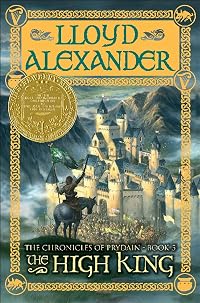
In this final part of the chronicle of Prydain the forces of good and evil meet in an ultimate confrontation, which determines the fate of Taran, the Assistant Pig-Keeper who wanted to be a hero.Tags
Recommendations
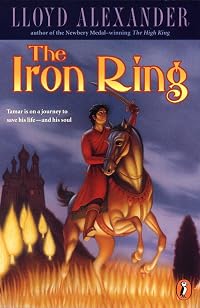
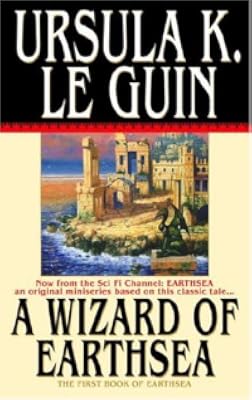
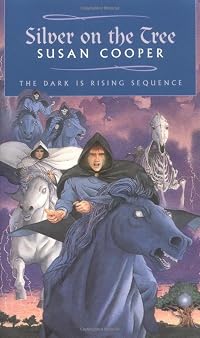

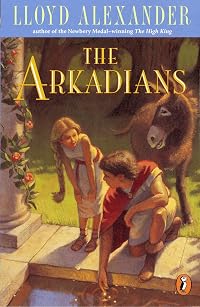

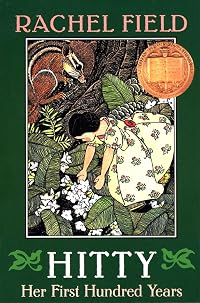
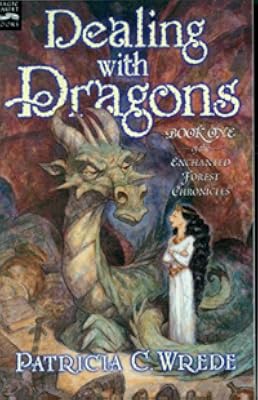
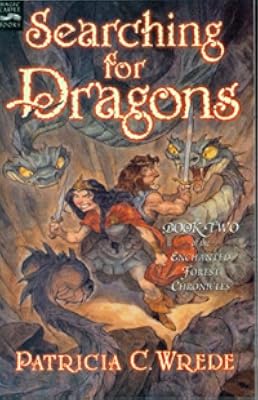
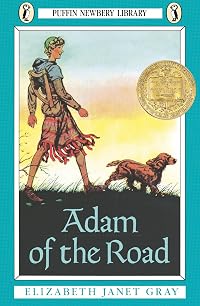
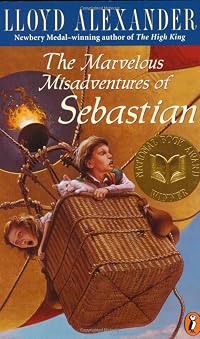
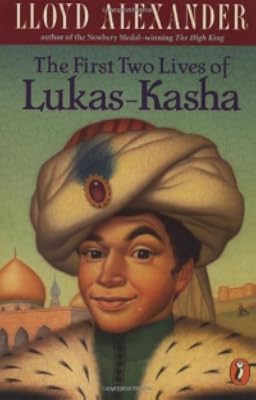
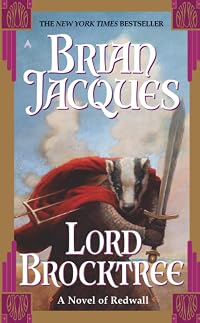
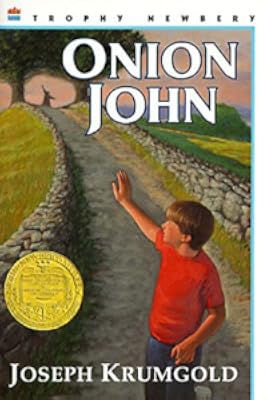
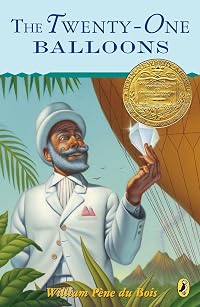
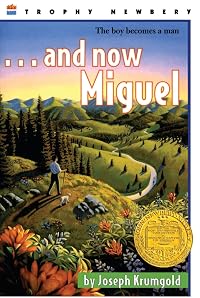
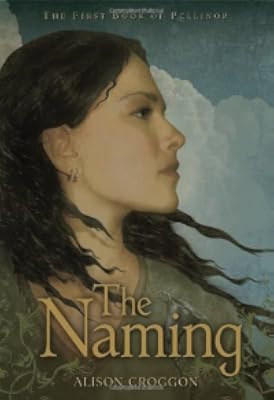
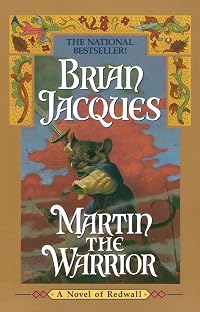
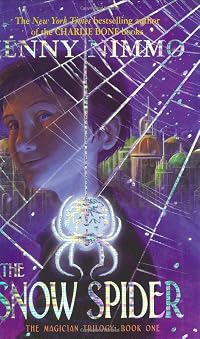
Member Recommendations
Member Reviews
It falters a bit in the denouement, when it relies on the (admittedly at the time not very worn) tropes of magic leaving the world now that the story is over., but overall, this was a magnificent conclusion. Alexander expertly weaves the plot elements and characters introduced in the first three, children's story, novels and the fourth adolescent coming of age novel into a satisfying tale of Taran the capable, assured and wise adult. The tale is complete with loss and heartache (though it is still aimed at younger readers, of course), with triumph, maturity and a bittersweet ending somewhat heavier on the sweet than on the bitter. Happy I finally got around to reading this series, even if I almost turned forty before I did.
Some may see similarities between this and the Lord of the Rings books, but I can definitely say that even though both books have some roots in mythology around the British Isles, there is definitely enough differences that I can say that this series isn't some rip-off or anything.
My first exposure to this series was Disney's Black Cauldron movie when I was a kid, so as an adult I decided to give the books a try, and I wasn't disappointed. Personally, I think Arawn is a better villain than Sauron, and I liked Taran/Elionwy better than Frodo and Bilbo.
Overall this is a pretty fun series, and I think one that deserves more recognition.
My first exposure to this series was Disney's Black Cauldron movie when I was a kid, so as an adult I decided to give the books a try, and I wasn't disappointed. Personally, I think Arawn is a better villain than Sauron, and I liked Taran/Elionwy better than Frodo and Bilbo.
Overall this is a pretty fun series, and I think one that deserves more recognition.
This is the most epically fantasy volume of the series, packing its epic fantasyness into an enviable 200 pages. The final showdown between the people of Prydain and the lord of Anuvin tellingly does not feature our young hero tearing off by himself and maybe one or two loyal friends to sneak into the Dark Lands and end the reign of the evil lord with a plot token. Instead, Taran must take up the burdens of leadership, rousing the levies of the Free Commots and taking them on a perilous and grueling mission that will see loss piled on loss as each of the faithful Companions makes a terrible and selfess sacrifice for their friends. Painful but also beautiful and rousing, and the final choice isn't really a choice at all, but it is, show more nonetheless an unforgiving one. There are some aspects of these books that haven't aged well - Gurgi and Elionwy are both lovable but their portrayal highlights certain weaknesses in the writing - but the themes remain universal and the whole journey rather wonderful. show less
This was absolutely epic. The final installment in the Chronicles of Prydain wraps up every single storyline. The ending is both heart-wrenching and heartwarming. Everything comes full circle. Taran started as a boy at the beginning of this series, but now he is a wizened adult, ready to face the challenges of the future.
I have absolutely no issue giving this the highest rating. My only sadness is that I have to leave the realm of Prydain. I guess I'll start the prequel so that I can stay in this world for as long as possible.
I have absolutely no issue giving this the highest rating. My only sadness is that I have to leave the realm of Prydain. I guess I'll start the prequel so that I can stay in this world for as long as possible.
The whole Prydain series pays off in this book, as both its plot and character development come to a triumphant conclusion. The battle against the evil Arawn Death-Lord comes to a strong conclusion, but the true heart of the book happens a chapter or two earlier, when a character makes a crucial sacrifice as the companions try to survive a blizzard on the edge of the dark realm of Annuvin. Just about every important beat from the prior four books comes back to matter here as Alexander weaves the whole series to a seemingly effortless close.
So Taran comes back like Neo from the Matrix--significantly, this is the only book of the series that doesn't begin with him at Caer Dallben waiting to enter fairyland, but out in it waiting to come home. He demonstrates his dialogism, his new facility turning aside the programmatic patter of the princess Eilonwy. And the road is paved for a good popcorn-fantasy romp, with all the troublesome issues about what is this world and who are we that read it laid to rest.
And for a good while it works--there is fellowship, sacrifice, betrayal, heartbreak, horror, &c. (I still don't get why they brought the former giant Glew along at all, but) everyone gets their chance to show their mettle, and when Prince Rhun and Llonio son of Llonwen and show more Coll son of Collfrewr pay their price you gnash your teeth in sorrow, of course; and you thrill at the adventures underground just as you play high-fantasy tourist at picturesque locales like the Red Fallows. The discovery of the sword Dyrnwyn, the victory on top of the mountain over the Cauldron-born, the inevitable fulfillment of the prophecy, these are played skilfully if predictably, but there are also moments of real pathos--Fflewddur Fflam's sacrifice of his harp comes so suddenly and painfully--and quirky puzzlesolving triumph, like when Doli figures out how to use his invisibility cannily to avoid the enchantment that makes him sick unto death in Annuvin, that kind of make you want to cheer (as well as screaming "D&D").
But the ending turns it all into cardboard. Lord Arawn makes his big creepy play and fails and runs, and then everybody's standing around in the wreckage and Gurgi runs out of the treasure-house (saving the scrolls with the ancient knowledge of the craftsmen, an idiosyncrasy of Alexander's being his love of the working man, for which I appreciate him), and then at the least dramatic possible moment Arawn pops up again as a serpent, and Taran dispatches him with dispatch, and he takes Queen Achren down with him for no reason other than to give his death a spurious weightiness--playing up, again, the derivativeness of this fantasy world, when the whole last chapter is just a rushed and embarrassed through-the-motions aping of the passing of theElves Sons of Don into Westernesse the Summer Country. And sure, Taran stays, and you can do a reading where the sudden flat dimness of Prydain at the very end is a token of the end of fantasy and the beginning of the age of man, his lost craft returned to him, but the ending doesn't leave you wanting to extend that kind of charity. Still, prior to that there's a lot of cast-of-thousands battling, brilliant set pieces, fantasy melodrama, and in that sense this is not an unworthy end to a not-unworthy series. show less
And for a good while it works--there is fellowship, sacrifice, betrayal, heartbreak, horror, &c. (I still don't get why they brought the former giant Glew along at all, but) everyone gets their chance to show their mettle, and when Prince Rhun and Llonio son of Llonwen and show more Coll son of Collfrewr pay their price you gnash your teeth in sorrow, of course; and you thrill at the adventures underground just as you play high-fantasy tourist at picturesque locales like the Red Fallows. The discovery of the sword Dyrnwyn, the victory on top of the mountain over the Cauldron-born, the inevitable fulfillment of the prophecy, these are played skilfully if predictably, but there are also moments of real pathos--Fflewddur Fflam's sacrifice of his harp comes so suddenly and painfully--and quirky puzzlesolving triumph, like when Doli figures out how to use his invisibility cannily to avoid the enchantment that makes him sick unto death in Annuvin, that kind of make you want to cheer (as well as screaming "D&D").
But the ending turns it all into cardboard. Lord Arawn makes his big creepy play and fails and runs, and then everybody's standing around in the wreckage and Gurgi runs out of the treasure-house (saving the scrolls with the ancient knowledge of the craftsmen, an idiosyncrasy of Alexander's being his love of the working man, for which I appreciate him), and then at the least dramatic possible moment Arawn pops up again as a serpent, and Taran dispatches him with dispatch, and he takes Queen Achren down with him for no reason other than to give his death a spurious weightiness--playing up, again, the derivativeness of this fantasy world, when the whole last chapter is just a rushed and embarrassed through-the-motions aping of the passing of the
I nearly never cry at books (with the exception of Anne of Green Gables and A Tale of Two Cities), but I cried twice while listening to this book. I thought that it was just because of how invested I'd become in the characters, but now I'm wondering if it was also in response to the knowledge that once this book was over, so was the series.
I loved how Taran came into his own in this book, even more than he did in Taran Wanderer. I felt a little weird about how every little thing and character from the previous books made an appearance in this book, but it didn't bother me too much. At first the ending seemed like it was going in an eye-rolling direction, but then Alexander pulled it from the brink and ended it quite well.
I've really show more loved listening to these stories, and I plan to go back and read them myself (versus listening to the audiobooks) as my son gets older and can better appreciate the stories. It's a wonderful coming-of-age story. Now if I could find one just as well written but with more female characters, I'd be thrilled. show less
I loved how Taran came into his own in this book, even more than he did in Taran Wanderer. I felt a little weird about how every little thing and character from the previous books made an appearance in this book, but it didn't bother me too much. At first the ending seemed like it was going in an eye-rolling direction, but then Alexander pulled it from the brink and ended it quite well.
I've really show more loved listening to these stories, and I plan to go back and read them myself (versus listening to the audiobooks) as my son gets older and can better appreciate the stories. It's a wonderful coming-of-age story. Now if I could find one just as well written but with more female characters, I'd be thrilled. show less
Members
- Recently Added By
Lists

Best Newbery Medal Winners
97 works; 54 members

Best Fantasy Novels
821 works; 361 members

NPRs Ultimate Backseat Bookshelf: 100 Must-Reads for kids 9-14
222 works; 30 members

Books I've Read More Than Once
602 works; 49 members
Mensa for Kids Excellence in Reading Award Program (Grades 4-6)
64 works; 9 members

School Library Journal - 2012 Top 100 Children's Novels
68 works; 8 members

Recommend the 20 best books you've read in the last five years
2,168 works; 606 members
Books with Noble Titles
179 works; 11 members
Childhood Favorites
427 works; 24 members

LibraryThingers' 1001 Books You Must Read Before You Die
442 works; 30 members
1960s, Best books published therein
254 works; 22 members
Speculative Fiction to Read
706 works; 32 members

HMS: Make Your Child a Lover of Books, Books for Boys
28 works; 2 members

Favorite Kids Books (chapter, middle grade)
170 works; 4 members
Books That Made Us Cry
278 works; 145 members

Books Read in 2021
5,361 works; 114 members

Read in 1999
62 works; 1 member

Best Sellers / Popular 1968
237 works; 5 members

50+ Books for a 6th Grader Who Loves to Read
53 works; 4 members

Newbery Medal Winners - By Year
105 works; 7 members
Five star books
1,767 works; 110 members

Books Read in 2015
3,299 works; 129 members
Honey For a Child's Heart
1,152 works; 25 members
Ambleside Books
459 works; 18 members
1960s
281 works; 16 members

Top Five Books of 2025
954 works; 303 members
Talk Discussions
Past Discussions
***Group Read: The Chronicles of Prydain (Spoiler) in 75 Books Challenge for 2010 (May 2010)
***Group Read: The Chronicles of Prydain by Lloyd Alexander in 75 Books Challenge for 2010 (May 2010)
Group Read: The Chronicles of Prydain by Lloyd Alexander in 75 Books Challenge for 2009 (December 2009)
Author Information

95+ Works 55,739 Members
Lloyd Alexander, January 30, 1924 - May 17, 2007 Born Lloyd Chudley Alexander on January 30, 1924, in Philadelphia, Pennsylvania to Allan Audley and Edna Chudley Alexander, Lloyd knew from a young age that he wanted to write. He was reading by the time he was 3, and though he did poorly in school, at the age of fifteen, he announced that he wanted show more to become a writer. At the age of 19 in 1942, Alexander dropped out of the West Chester State Teachers College in Pennsylvania after only one term. In 1943, he attended Lafayette College in Easton, PA, before dropping out again and joining the United States Army during World War II. Alexander served in the Intelligence Department, stationed in Wales, and then went on to Counter-Intelligence in Paris, where he was promoted to Staff Sergeant. When the war ended in '45, Alexander applied to the Sorbonne, but returned to the States in '46, now married. Alexander worked as an unpublished writer for seven years, accepting positions such as cartoonist, advertising copywriter, layout artist, and associate editor for a small magazine. Directly after the war, he had translated works for such artists as Jean Paul Sartre. In 1955, "And Let the Credit Go" was published, Alexander's first book which led to 10 years of writing for an adult audience. He wrote his first children's book in 1963, entitled "Time Cat," which led to a long career of writing for children and young adults. Alexander is best known for his "Prydain Chronicles" which consist of "The Book of Three" in 1964, "The Black Cauldron" in 1965 which was a Newbery Honor Book, as well as an animated motion picture by Disney which appeared in 1985, "The Castle of Llyr" in 1966, "Taran Wanderer" in 1967, a School Library Journal's Best Book of the Year and "The High King" which won the Newberry Award. Many of his other books have also received awards, such as "The Fortune Tellers," which was a Boston Globe Horn Book Award winner. In 1986, Alexander won the Regina Medal for Lifetime Achievement from the Catholic Library Association. His titles have been translated into many languages including, Dutch, Spanish, French, German, Hebrew, Italian, Japanese, Norwegian, Serbo-Croation and Swedish. He died on May 17, 2007. (Bowker Author Biography) show less

Lloyd Alexander has a Legacy Library. Legacy libraries are the personal libraries of famous readers, entered by LibraryThing members from the Legacy Libraries group.
Some Editions
Awards and Honors
Awards
Notable Lists
Series

Work Relationships
Common Knowledge
- Canonical title
- The High King
- Original title
- The High King
- Alternate titles
- De grote koning
- Original publication date
- 1968; 1968-10-27
- People/Characters
- Taran; Eilonwy; Arawn Death-Lord; Gurgi; Fflewddur Fflam; Gwydion (show all 34); Achren; Taliesin; Coll [in Lloyd Alexander's Chronicles of Prydain]; Dallben; Hen Wen; Rhun (King); Kaw; Magg; King Smoit; Gwystyl; Glew; King Eiddileg; Medwyn; Hevydd; Llonio; Dwyvach; Llassar; Pryderi; Math the High King; Doli; Dorath; Brynach; Briavel; Llyan; Orddu; Orwen; Orgoch; Aeddan
- Important places
- Prydain; Annuvin; Caer Dallben; Caer Dathyl
- Dedication
- For the boys who might have been Taran and the girls who will always be Eilonwy
- First words
- Despite their shortcomings, no books have given me greater joy in the writing than the Chronicles of Prydain. [from the "Author's Note"]
Under a chill, gray sky, two riders jogged across the turf. - Quotations
- Since the day she threw me into her dungeon, I've noticed something unfriendly about her.
[...] for a crown is a pitiless master, harsher than the staff of a pig-keeper; while a staff bears up, a crown weighs down, beyond the strength of any man to wear it lightly.
There are those [...] who must first learn loss, despair, and grief. Of all paths to wisdom, this is the cruelest and longest. Are you one who must follow such a way? This even I cannot know. If you are, take heart nonetheles... (show all)s. Those who reach the end do more than gain wisdom. As rough wool becomes cloth, and crude clay a vessel, so do they change and fashion wisdom for others, and what they give back is greater than what they won. - Last words
- (Click to show. Warning: May contain spoilers.)And, in time, only the bards knew the truth of it.
- Original language
- English
Classifications
- Genres
- Fiction and Literature, Fantasy, Kids
- DDC/MDS
- 813.54 — Literature & rhetoric American literature in English American fiction in English 1900-1999 1945-1999
- LCC
- PZ7 .A3774 .H — Language and Literature Fiction and juvenile belles lettres Fiction and juvenile belles lettres Juvenile belles lettres
- BISAC
Statistics
- Members
- 6,812
- Popularity
- 1,764
- Reviews
- 62
- Rating
- (4.22)
- Languages
- 11 — Czech, Dutch, English, Estonian, Finnish, German, Hebrew, Italian, Portuguese, Spanish, Swedish
- Media
- Paper, Audiobook, Ebook
- ISBNs
- 60
- UPCs
- 1
- ASINs
- 41