
On This Page
Description
A disillusioned Inspector Kurt Wallander is thrown back into the fray as both hunter and hunted in this fourth adventure from Sweden's master of crime and mystery.Crestfallen, dejected, and spiraling into an alcohol-fuelled depression after killing a man in the line of duty, Inspector Wallander had made up his mind to quit the police force for good. But when an old acquaintance, a solicitor, seeks Wallander's help and later turns up dead, Wallander realizes that he was wrong not to listen. show more Warily, he returns to work to head the case. A rookie female detective has joined the force in his absence, and he adopts the role of mentor to her as they fight to unravel the mystery.
. show less
Tags
Recommendations












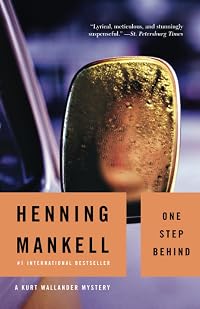












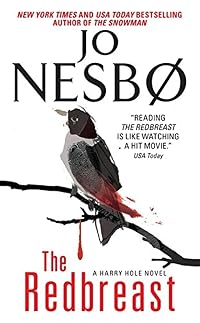


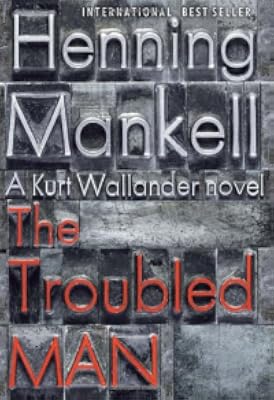





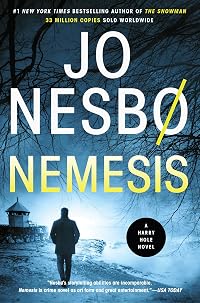




Member Recommendations

Member Reviews
When I started the Wallander series, I absolutely loved the first book, liked the second a lot as well, but was a bit disappointed by the third. I am so happy that the fourth book lived up to my expectations again. I see that many other LT reviews are not that favorable, but I just devoured this book. I think that one reason might be translation - I read it in German, not in English, and I gather that some readers were dissatisfied with the English translation. The reason I point this out is that I just adored the language and style, and while I don't know the Swedish original, it seems that the translator, Erik Gloßmann, has done an excellent job. Reading this novel, I felt like I could just fall into the descriptions of the dark and show more wet autumn weather, the gloomy and desolate landscapes, the lonely country roads of Skåne.
The case itself is one that would usually not peak my interest - high finance, global companies, the world of lawyers and managers - it is something I do not care reading about. But in this case it did not bother me because Wallander is such a relatable character to me and I saw it all through his eyes. show less
The case itself is one that would usually not peak my interest - high finance, global companies, the world of lawyers and managers - it is something I do not care reading about. But in this case it did not bother me because Wallander is such a relatable character to me and I saw it all through his eyes. show less
Il ritorno
Dopo l'allontanamento dalla scena investigativa per una indagine dai risvolti psicologici devastanti, il buon Wallander ritorna nelle sue vesti per indagare sulla morte di un suo caro amico avvocato e del di lui padre. Intrighi internazionali dai contorni inquietanti vengono alla luce lentamente. Il potere di personaggi celebri nel mondo delle relazioni sociali, ma oscuri nei loro movimenti finanziario-economici, irrompe nell'ingenuità di Wallander come di altri protagonisti della vicenda. Com'è possibile che un essere umano arrivi a tutto questo? Dove sta andando il mondo? Sono domande di una sconcertante semplicità per un popolo che tutto sommato deve prendere coscienza che, con la globalizzazione, niente e nessuno può show more dirsi in salvo, non ci sono paradisi felici e la corruzione morale degli individui ha oggi il potere di creare morte e distruzione a livelli di spazi territoriali con un'ampiezza inimmaginabile alcuni decenni fa. Un Wallander sempre più disincantato dagli eventi che lo circondano, ma non per questo assuefatto alla malvagità imperante lo porterà a combattere strenuamente in ciò in cui crede e, almeno nel romanzo, giustizia sarà fatta. show less
Dopo l'allontanamento dalla scena investigativa per una indagine dai risvolti psicologici devastanti, il buon Wallander ritorna nelle sue vesti per indagare sulla morte di un suo caro amico avvocato e del di lui padre. Intrighi internazionali dai contorni inquietanti vengono alla luce lentamente. Il potere di personaggi celebri nel mondo delle relazioni sociali, ma oscuri nei loro movimenti finanziario-economici, irrompe nell'ingenuità di Wallander come di altri protagonisti della vicenda. Com'è possibile che un essere umano arrivi a tutto questo? Dove sta andando il mondo? Sono domande di una sconcertante semplicità per un popolo che tutto sommato deve prendere coscienza che, con la globalizzazione, niente e nessuno può show more dirsi in salvo, non ci sono paradisi felici e la corruzione morale degli individui ha oggi il potere di creare morte e distruzione a livelli di spazi territoriali con un'ampiezza inimmaginabile alcuni decenni fa. Un Wallander sempre più disincantato dagli eventi che lo circondano, ma non per questo assuefatto alla malvagità imperante lo porterà a combattere strenuamente in ciò in cui crede e, almeno nel romanzo, giustizia sarà fatta. show less
Lo último que ha visto un abogado, antes de ser asesinado, es un muñeco del tamaño de un hombre atravesado en la carretera, donde se vio obligado a detenerse en medio de la espesa niebla. Este extraño comienzo, cargado de una atmósfera de misterio tan clásica, es el punto de partida de un complicado caso de delincuencia económica en las altas esferas. Pero es también el inicio de un enfrentamiento cada vez más personal del inspector Wallander con un adinerado, sonriente y autoritario mecenas. Sintiendo a cada paso su vida amenazada, el inspector se ganará el respeto de su enemigo pero no se detendrá hasta borrar esa sonrisa de su rostro.
I enjoyed this more than I expected. I read some of the reviews and was not too excited about starting this. However, I loved the gloomy, foggy, windy, damp, or bitterly cold typical Swedish setting, which mirrors Kurt Wallander's depression, angst, and solitude. The unraveling of the mystery is a bit less complicated than you'd like it to be, but in the end it was a very enjoyable read.
I have the rest of the Wallanders on order and I should pick them up very soon because I am rapidly becoming a big fan. I think what makes the Wallanders so successful is that they are not 'AHA' type of mysteries. The mysteries are solved but it is about the procedure and the emotional toll it takes on the people that is the focus. After the slightly long and drawn out 'The White Lioness', this one is more compact but hardly less enjoyable. Wallander is trying to come to grips with having killed someone and still seems exceptionally damaged when he gets pulled into the murder of two lawyers. What works so well is the battle of emotions that he goes through while trying to solve the case. Yes, there are chases and detective work and all show more of the usual stuff but it's the 'what kind of person' style that I also enjoy in the LeCarre spy stories that really makes it work. show less
The Man Who Smiled is number four in the Wallander series, picking up some time after Wallander's experiences in book 3, The White Lioness. As book four opens, Wallander is still on sick leave, and has made the decision during a period of incredibly intense depression that he will not be continuing on in his career as a policeman. But all of that changes when a friend seeks him out to ask him for help regarding the case of his father's death. The police had ruled it a car accident, but the friend is convinced that it was not. Wallander tells him that the police are most likely correct -- but then his friend is also mysteriously killed. This prompts Wallander to return to the job to find out what lays behind the deaths of father and son show more ... and uncovers much more than he bargained for.
While the plot will keep you turning pages and provide you with more than a few tense moments, what really made this book stand out was the character of Kurt Wallander. For the first time, really, since I started this series, I really got an insight into how Wallander thinks and what makes him a great cop. Mankell's characterization of Wallander is absolutely stunning, making him much more human in this book as compared to all of the other ones. It was absolutely amazing to be allowed into Wallander's thought processes -- I think Wallander became very real for me in this book for the first time in the series. When a character can become that real, it's definitely a sign that his or her creator is a top-notch writer.
The author does not only offer up a first-rate criminal and first-rate policemen here; he also raises several questions about the future of police forces, about the decline of the whole basis of the modern Swedish state as the profits of corruption become more entrenched, and about issues of morality & the true nature of justice in a world where crime is constantly changing and the police and justice system are trying to adapt. These questions are not relevant just to Sweden, but everywhere.
A bit on the gloomy side, this is not a book for readers looking for a lighthearted crime novel. I'd recommend it to anyone who wants a superb reading experience, but I suggest starting with book one, Faceless Killers, and continuing the books in series order. Mankell is an excellent writer, definitely not to be missed. show less
While the plot will keep you turning pages and provide you with more than a few tense moments, what really made this book stand out was the character of Kurt Wallander. For the first time, really, since I started this series, I really got an insight into how Wallander thinks and what makes him a great cop. Mankell's characterization of Wallander is absolutely stunning, making him much more human in this book as compared to all of the other ones. It was absolutely amazing to be allowed into Wallander's thought processes -- I think Wallander became very real for me in this book for the first time in the series. When a character can become that real, it's definitely a sign that his or her creator is a top-notch writer.
The author does not only offer up a first-rate criminal and first-rate policemen here; he also raises several questions about the future of police forces, about the decline of the whole basis of the modern Swedish state as the profits of corruption become more entrenched, and about issues of morality & the true nature of justice in a world where crime is constantly changing and the police and justice system are trying to adapt. These questions are not relevant just to Sweden, but everywhere.
A bit on the gloomy side, this is not a book for readers looking for a lighthearted crime novel. I'd recommend it to anyone who wants a superb reading experience, but I suggest starting with book one, Faceless Killers, and continuing the books in series order. Mankell is an excellent writer, definitely not to be missed. show less
I like that violence is not redemptive in Henning Mankell's mysteries. He has a complex approach to violence - it is not redemptive but recovering from it occasions a new birth (see pg.70-71). The detective listens to an inner voice and connects to something larger than himself."It might not take us to the Holy Grail, but it might lead to something else that we need to find." This is true of the new woman detective as well as of Wallender and perhaps of the prosecutor; in a less dramatic way, "something happened" (p.53).
That's what I liked - and why I will continue to read this man. What bothers me: what was the plastic container doing in the lawyer's car in the first place?
That's what I liked - and why I will continue to read this man. What bothers me: what was the plastic container doing in the lawyer's car in the first place?
Members
- Recently Added By
Published Reviews
ThingScore 75
When Henning Mankell, the most famous Swedish writer since Strindberg, published the first Kurt Wallander mystery 14 years ago, he could not have imagined how successful they would be. In Sweden the series triumphed overnight; worldwide it has sold in excess of 20 million copies. British readers were slow to catch up.The Man Who Smiled is the fourth Kurt Wallander book, originally published in show more Sweden in 1994. It opens with a road accident in thick fog in which a solicitor crashes his car and dies.Questions of responsibility and morality, of justice and democracy are explicitly raised, which is unusual in detective fiction.Wallander, a sternly pensive slogger who eats junk food, is one of the most credible creations in contemporary crime fiction, and The Man Who Smiled is vintage Nordic storytelling. show less
added by vancouverdeb
Doch dieser mit großen plakativen Pinselstrichen angelegte Fall will nicht recht überzeugen, weil Autor Henning Mankell zwischen den Zeilen allzu stark moralisiert und in der Harderberg-Figur einen geradezu dämonisch wirkenden menschenverachtenden Kapitalisten als überdimensionales Feindbild installiert.
added by Indy133
Lists

Scandinavian Crime Fiction
224 works; 37 members
Nordic Crime Fiction
66 works; 10 members

Crime and Mysteries to Read
746 works; 31 members
Swedish Crime Fiction
32 works; 6 members
Scandinavian Crime
90 works; 3 members

Books About Murder
313 works; 7 members

Reading List - Scandinavian Fiction
134 works; 3 members

Detective Stories
343 works; 5 members

Books Read in 2015
3,299 works; 129 members

Books read in 2015
213 works; 5 members
Books Read in 2016
4,666 works; 199 members

Books Read in 2018
4,360 works; 110 members
Author Information

146+ Works 53,913 Members
Henning Mankell was born in Stockholm, Sweden on February 3, 1948. He left secondary school at the age of 16 and worked as a merchant seaman. While working as a stagehand, he wrote his first play, The Amusement Park. His first novel, The Stone Blaster, was released in 1973. His other works included The Prison Colony that Disappeared, Daisy show more Sisters, The Eye of the Leopard, The Man from Beijing, Secrets in the Fire, The Chronicler of the Wind, Depths, and I Die, But My Memory Lives On. He also wrote the Kurt Wallander series, which have been adapted for film and television, and the Joel Gustafson Stories series. A Bridge to the Stars won the Rabén and Sjögren award for best children's book of the year. He was committed to the fight against AIDS. He helped build a village for orphaned children and devoted much of his spare time to his "memory books" project, where parents dying from AIDS are encouraged to record their life stories in words and pictures. He was also among the activists who were attacked and arrested by Israeli forces as they tried to sail to the Gaza strip with humanitarian supplies in June 2010. He died from cancer on October 5, 2015 at the age of 67. (Bowker Author Biography) show less
Some Editions
Series

Belongs to Publisher Series
Work Relationships
Common Knowledge
- Canonical title
- The Man Who Smiled
- Original title
- Mannen som log
- Original publication date
- 1994
- People/Characters
- Kurt Wallander; Ann-Britt Höglund; Sven Nyberg; Baiba Liepa; Martinsson; Ebba (show all 15); Otto Björk; Sten Torstensson; Karl Evert Svedberg; Alfred Harderberg; Kurt Ström; Anita Karlén; Berta Dunér; Per Åkeson; Bertil Forsdahl
- Important places
- Ystad, Skåne, Sweden
- Related movies
- Wallander (2008 | IMDb); Mannen som log (2003 | IMDb)
- Epigraph
- Vad vi har anledning att frukta är inte de stora männens omoral, men det faktum att omoral ofta leder till storhet.
Alexis de Tocqueville
It is not so much the sight of immorality of the great that is to be feared as that of immorality leading to greatness.
— Alexis de Tocqueville
Democracy in America - First words
- Dimman. Den var som ett ljudlöst smygande rovdjur, tänkte han.
Fog. A silent, stealthy beast of prey. - Last words
- (Click to show. Warning: May contain spoilers.)She was exactly as he remembered her.
- Original language*
- Suédois
*Some information comes from Common Knowledge in other languages. Click "Edit" for more information.
Classifications
- Genres
- Fiction and Literature, Mystery
- DDC/MDS
- 839.7374 — Literature & rhetoric German & related literatures Other Germanic literatures Swedish literature Swedish fiction 1900-1999 1945-1999
- LCC
- PT9876.23 .A49 .M3713 — Language and Literature German, Dutch and Scandinavian literatures Swedish literature Individual authors or works 1961-2000
- BISAC
Statistics
- Members
- 3,237
- Popularity
- 5,316
- Reviews
- 67
- Rating
- (3.71)
- Languages
- 19 — Catalan, Czech, Danish, Dutch, English, Estonian, Finnish, French, German, Hungarian, Italian, Japanese, Norwegian (Bokmål), Norwegian, Polish, Portuguese, Russian, Spanish, Swedish
- Media
- Paper, Audiobook, Ebook
- ISBNs
- 139
- ASINs
- 34