On This Page
Description
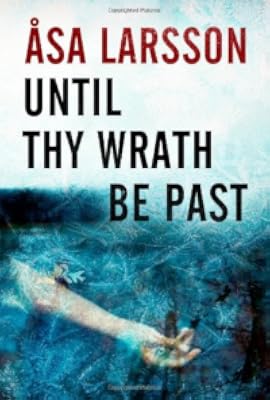
It is the first thaw of spring and the body of a young woman surfaces in the River Thorne in the far north of Sweden. Rebecka Martinsson is working as a prosecutor in nearby Karuna. Her sleep has been disturbed by haunting visions of a shadowy, accusing figure. Could the body belong to the ghost in her dreams? And where is the dead girl's boyfriend? Joining forces once again with Police Inspectors Anna-Maria Mella, Rebecka is drawn into an investigation that centres on old rumours of a show more German supply plane that mysteriously disappeared in 1943. show lessTags
Recommendations











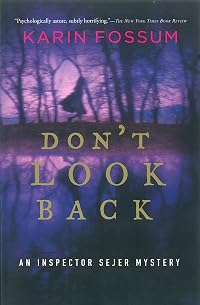




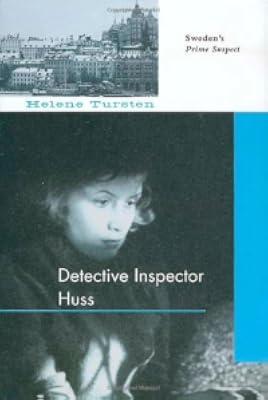
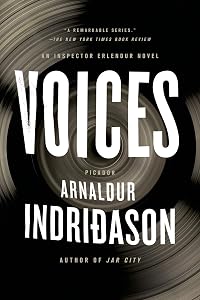
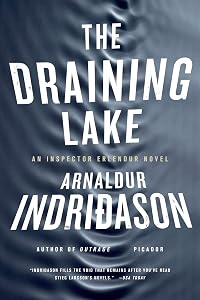










Member Recommendations
bookmomo Both have an eye for Swedish nature and society, as well as contemporary history, and they describe human cruelty in its purest form.

Member Reviews
When seventeen year old Wilma Persson and her boyfriend Simon go diving in northern Sweden’s Lake Vittangijärvi they’re simply after a bit of adventure. Looking for the wreckage of a German plane rumoured to have crashed into the lake during WWII. But somebody is threatened by the very fact of the dive and so the two are killed; ruthlessly trapped beneath the lake’s frozen surface. Wilma’s body is discovered in a river some months later, though police soon learn she did not die where she was found. Rebecka Martinsson, District Prosecutor, immerses herself in the investigation being led by a fragile Police Inspector, Anna-Maria Mella. The two begin to learn that there are decades-old secrets that some people will kill to show more protect.
One sign you’re in the presence of outstanding crime writing is when you know what crime has been committed, how it was done and soon develop a strong sense of whodunnit but you’re thoroughly enthralled by the story regardless. From a storytelling perspective at least I think this is the best of Larsson’s four novels that have so far been translated into English, striking the perfect balance of thrills and thoughtfulness as it strips away the layers of secrets being kept by a family in the village of Piilijärvi near the lake where the couple died. The once-powerful father, embittered mother and two malicious, adult sons are at the heart of one half of this novel and they are depicted wonderfully though not, for the most part, sympathetically. It is through their eyes though that we learn of the myriad small decisions and choices made over the previous decades that culminated in the murder of Wilma and Simon.
Rebecka Martinsson is at the centre of the other part of the story: former high-flying Stockholm lawyer now satisfied as a country Prosecutor as she rebuilds her life after the harrowing events depicted in earlier novels. Even without reading those earlier books though I think it would be easy to get a sense of Rebecka’s strength as well as her underlying vulnerability. Visited by Wilma’s spirit early on in the story Rebecka is sceptical but prompted to ask a few questions about the recently discovered body and so seems to feel a particularly personal connection to the case. Given that the policewoman assigned to investigate is herself experiencing fallout of actions she took during the third novel in this series, it seems quite reasonable that Rebecka might become more involved than a prosecutor would normally do. The various personal tensions surrounding all the main players are nicely intertwined with the rest of the story and help to flesh out the sensitive and credible characterisations.
My threshold for ‘woo woo’ elements in my fiction is pretty low so I was a little concerned when Wilma’s ghost made an early appearance as the narrator of parts of this novel but Larsson pulled it off with panache. I’m sceptical about the notion of proactive spirits who stomp about the afterlife rattling chains and intervening in affairs but Wilma is not that kind of ghost. She is more a manifestation of the thoughts and feelings of people still living and I can easily believe in that. I’ve had the odd conversation with someone now dead, imagining their responses to my queries, thoughts and fears and it’s that kind of presence that Wilma provides to the people in this story.
Åsa Larsson is one of the names that pops into my head whenever anyone asks about favourite writers and this book is yet more evidence of the reasons why. The writing is assured (ably assisted in this instance by translator Laurie Thompson), the story is engaging and the characters are well-crafted and surprising. Until Thy Wrath be Past has a similar sensibility to the best fairy tales: offering a compellingly dark story with just a hint of the supernatural and containing within it a gentle parable for those who need to learn about the dangers of living a life fuelled by anger and resentment. First class reading.
my rating 4.5/5 stars show less
One sign you’re in the presence of outstanding crime writing is when you know what crime has been committed, how it was done and soon develop a strong sense of whodunnit but you’re thoroughly enthralled by the story regardless. From a storytelling perspective at least I think this is the best of Larsson’s four novels that have so far been translated into English, striking the perfect balance of thrills and thoughtfulness as it strips away the layers of secrets being kept by a family in the village of Piilijärvi near the lake where the couple died. The once-powerful father, embittered mother and two malicious, adult sons are at the heart of one half of this novel and they are depicted wonderfully though not, for the most part, sympathetically. It is through their eyes though that we learn of the myriad small decisions and choices made over the previous decades that culminated in the murder of Wilma and Simon.
Rebecka Martinsson is at the centre of the other part of the story: former high-flying Stockholm lawyer now satisfied as a country Prosecutor as she rebuilds her life after the harrowing events depicted in earlier novels. Even without reading those earlier books though I think it would be easy to get a sense of Rebecka’s strength as well as her underlying vulnerability. Visited by Wilma’s spirit early on in the story Rebecka is sceptical but prompted to ask a few questions about the recently discovered body and so seems to feel a particularly personal connection to the case. Given that the policewoman assigned to investigate is herself experiencing fallout of actions she took during the third novel in this series, it seems quite reasonable that Rebecka might become more involved than a prosecutor would normally do. The various personal tensions surrounding all the main players are nicely intertwined with the rest of the story and help to flesh out the sensitive and credible characterisations.
My threshold for ‘woo woo’ elements in my fiction is pretty low so I was a little concerned when Wilma’s ghost made an early appearance as the narrator of parts of this novel but Larsson pulled it off with panache. I’m sceptical about the notion of proactive spirits who stomp about the afterlife rattling chains and intervening in affairs but Wilma is not that kind of ghost. She is more a manifestation of the thoughts and feelings of people still living and I can easily believe in that. I’ve had the odd conversation with someone now dead, imagining their responses to my queries, thoughts and fears and it’s that kind of presence that Wilma provides to the people in this story.
Åsa Larsson is one of the names that pops into my head whenever anyone asks about favourite writers and this book is yet more evidence of the reasons why. The writing is assured (ably assisted in this instance by translator Laurie Thompson), the story is engaging and the characters are well-crafted and surprising. Until Thy Wrath be Past has a similar sensibility to the best fairy tales: offering a compellingly dark story with just a hint of the supernatural and containing within it a gentle parable for those who need to learn about the dangers of living a life fuelled by anger and resentment. First class reading.
my rating 4.5/5 stars show less
IN A NUTSHELL
'Until Thy Wrath Be Past' was the best book so far in the Rebecka Martinsson series. The storytelling was accomplished, the mystery was engaging and the development of the core cast of characters was convincing.
The most remarkable thing was Larsson’s ability to generate empathy at a deep level: for the person killed, for the investigators and, most surprisingly, for the killer.
‘Until Thy Wrath Be Past‘ (2008) is the fourth Rebecka Martinsson book and I think it's the best one yet. With each book, the writing has become more adventurous and more accomplished. These are novels that are less about a mystery and more about showing the origins of deadly violence and its impact on the people involved.
Åsa Larsson starts to show more tell this story from the point of view of the spirit of a young woman who has been murdered and is sticking around to see if anyone is going to learn what happened to her and hold her killer(s) to account. This was so skillfully done that it seemed right, rather than strange to be hearing from the young woman's spirit. Who would be better placed to understand what had been taken from her?
The storytelling included many of the things I expect in a police procedural: interviews, evidence gathering, the slow revelation of who did what to whom and moments of violence and threat. Yet it doesn't read as a police procedural. Its focus was less on the puzzle and more on the emotions and experiences of the people involved. The storytelling seamlessly blended action, memory and emotion. Adding the memories and emotions of the dead young women felt like a natural extension of the storytelling style.
The mystery was engaging. I liked that the roots of the violence went all the way back to World War II. I knew, almost from the beginning. how and where the young was killed. The rest of the novel provided the Why and the By Whom in a satisfying way.
Although Rebecka Martinsson is a key character in the series, she is often not centre stage. Her role is less to be an investigator and more to be a sort of empathic interpreter of the meaning of events. In this book, Rebecka again n finds herself at the heart of the action but what places her there is her insight into people rather than a systematic investigation. The traumas inflicted on Rebecka by the events in the previous books have left her mental health a little fragile. Leaving Stockholm and returning to her cottage in the far north where she was raised by her grandmother, has opened up memories and emotions for Rebecka that are reshaping her life. So, having a dead girl appear in her dreams, didn't seem that far away from the rest of her daily life.
Real police investigation isn't ignored in this book. The police team, led by Inspector Anna-Maria Mella, did a thorough job. Anna-Maria and her team are part of the core cast of characters in these books. I liked that they and their relationships with each other keep developing in believable ways.
For me, the most remarkable thing about 'Until Thy Wrath Be Past' was Åsa Larsson’s ability to generate empathy at a deep level: for the person killed, for the investigators and, most surprisingly, for the killer. The vibrancy of the murdered young woman is vivid. The grief of her grandmother felt real and raw. The killer was drawn not as a monster but as someone shaped by all the things that had happened in their life to bring them to the point where they became a killer.
It was a book I was sad to finish. show less
'Until Thy Wrath Be Past' was the best book so far in the Rebecka Martinsson series. The storytelling was accomplished, the mystery was engaging and the development of the core cast of characters was convincing.
The most remarkable thing was Larsson’s ability to generate empathy at a deep level: for the person killed, for the investigators and, most surprisingly, for the killer.
‘Until Thy Wrath Be Past‘ (2008) is the fourth Rebecka Martinsson book and I think it's the best one yet. With each book, the writing has become more adventurous and more accomplished. These are novels that are less about a mystery and more about showing the origins of deadly violence and its impact on the people involved.
Åsa Larsson starts to show more tell this story from the point of view of the spirit of a young woman who has been murdered and is sticking around to see if anyone is going to learn what happened to her and hold her killer(s) to account. This was so skillfully done that it seemed right, rather than strange to be hearing from the young woman's spirit. Who would be better placed to understand what had been taken from her?
The storytelling included many of the things I expect in a police procedural: interviews, evidence gathering, the slow revelation of who did what to whom and moments of violence and threat. Yet it doesn't read as a police procedural. Its focus was less on the puzzle and more on the emotions and experiences of the people involved. The storytelling seamlessly blended action, memory and emotion. Adding the memories and emotions of the dead young women felt like a natural extension of the storytelling style.
The mystery was engaging. I liked that the roots of the violence went all the way back to World War II. I knew, almost from the beginning. how and where the young was killed. The rest of the novel provided the Why and the By Whom in a satisfying way.
Although Rebecka Martinsson is a key character in the series, she is often not centre stage. Her role is less to be an investigator and more to be a sort of empathic interpreter of the meaning of events. In this book, Rebecka again n finds herself at the heart of the action but what places her there is her insight into people rather than a systematic investigation. The traumas inflicted on Rebecka by the events in the previous books have left her mental health a little fragile. Leaving Stockholm and returning to her cottage in the far north where she was raised by her grandmother, has opened up memories and emotions for Rebecka that are reshaping her life. So, having a dead girl appear in her dreams, didn't seem that far away from the rest of her daily life.
Real police investigation isn't ignored in this book. The police team, led by Inspector Anna-Maria Mella, did a thorough job. Anna-Maria and her team are part of the core cast of characters in these books. I liked that they and their relationships with each other keep developing in believable ways.
For me, the most remarkable thing about 'Until Thy Wrath Be Past' was Åsa Larsson’s ability to generate empathy at a deep level: for the person killed, for the investigators and, most surprisingly, for the killer. The vibrancy of the murdered young woman is vivid. The grief of her grandmother felt real and raw. The killer was drawn not as a monster but as someone shaped by all the things that had happened in their life to bring them to the point where they became a killer.
It was a book I was sad to finish. show less
An odd book--odd in good ways. There are unexpected elements in this mystery that make it a much better read than most. Larsson has a great deal of sympathy for what would in most books be quite unsympathetic characters. And there doesn't seem to be anything terribly self-conscious about this. Anywhere we get interiority, we get a person with whom we can sympathize at least to a small degree. This can be interpreted as something of a failure of the imagination, and maybe it is, but it is far, far superior to the two-dimensional monsters and freaks we usually get in novels like this. And also there is a quasi-religious element, which we can also see as a failure of the imagination, but which I prefer to see as standing in for a great show more many things we can't quite grasp as we seek resolution, justice, the good life, whatever it is we seek. One thing I really like about Larsson is that she subverts the hard-boiled cliches so naturally. That hard, gritty, violent, red-in-tooth-and-claw, insistently REAL! world of the detective is no more real than Cloud-Cuckoo-Land. And that hard-boiled fantasy reveals more about the fantasist than it does about any exterior reality. And that, I suppose, is Larsson's insight: the real REAL is in that interiority she is so fascinated with. Not that she has all the answers by any means. But she's looking in the right place. show less
This is a crime novel set in the far north of Sweden, where Finnish is the second language and there's still plenty of snow on the ground in late April. Rebecca Martinsson has come to live in the house her Grandmother owned and to work as a police prosecutor. She loves the wild, remote area, where many places can't be reached by car and doesn't regret her move from Stockholm.
The story begins with a hair-raising account from the point of view of a murdered girl. She and her boyfriend were out scuba diving on a remote lake when things go terribly wrong. She's a presence in the rest of the book, pulling our attention toward different characters. Since the reader knows who the victims were before the police do, and the perpetrators are show more identified fairly early on, the suspense rests on the motivations for the crime. The book looks at Sweden's role in WWII, a less neutral position than one would think, and how, even decades later, there are secrets to be kept.
I really enjoyed this novel. The investigators were all fully developed, with relationships and conflicts already underway. The location was beautifully described, from the remote lake houses, accessible only by snowmobile to the dying northern villages, with their populations aged and dwindling. There's more here than a crime story. show less
The story begins with a hair-raising account from the point of view of a murdered girl. She and her boyfriend were out scuba diving on a remote lake when things go terribly wrong. She's a presence in the rest of the book, pulling our attention toward different characters. Since the reader knows who the victims were before the police do, and the perpetrators are show more identified fairly early on, the suspense rests on the motivations for the crime. The book looks at Sweden's role in WWII, a less neutral position than one would think, and how, even decades later, there are secrets to be kept.
I really enjoyed this novel. The investigators were all fully developed, with relationships and conflicts already underway. The location was beautifully described, from the remote lake houses, accessible only by snowmobile to the dying northern villages, with their populations aged and dwindling. There's more here than a crime story. show less
 This review was written for LibraryThing Early Reviewers.
Not long ago I finished reading Until Thy Wrath Be Past, Asa Larsson’s most recent book in the Rebecka Martinsson – Anna-Maria Mella series set in the far north of Sweden, and sighed with satisfaction. It’s an excellent book in a wonderful series. Asa Larsson is an excellent writer, and in this series she adds to her stylish writing a group of intriguing characters and a vivid setting that the author infuses with love. Its one of those settings that seems terrifically appealing because the author has made it so, though in reality I doubt I would really enjoy living in Kurravaara, a village outside Kiruna so far north that in the winter the sun barely shows its face and in April, when this story takes place, the sun rises before 4 show more a.m. Rebecka Martinsson, who is now working as a prosecutor, seems happy, settled in the home that she left in her late teens after a difficult set of circumstances, described in the first book in the series, Sun Storm (apa The Savage Altar). She spent lonely years in Stockholm as a student, then as a obsessively hardworking tax lawyer, only called home to the north when a friend was in trouble. Things haven’t been easy for her, and events in previous books were traumatic, but as Until Thy Wrath Be Past opens, Rebecka seems grounded and fulfilled.
"Snow, thought district prosecutor Rebecka Martinsson, shivering with pleasure as she got out of her car at the house in Kurravaara.
"It was seven in the evening. Snow clouds enveloped the village in a pleasant, dusky haze. Martinsson could barely make out the lights from the neighboring houses. And the snow was not just falling. Oh no, it was hurtling down. Cold, dry, fluffy flakes cascaded from the sky, as if someone up there were sweeping them down, doing the housework.
"My farmor, my father’s mother, of course, Martinsson thought with a trace of a smile. She must always be on the go, scrubbing the good Lord’s floor, dusting, hard at work. I expect she’s sent Him out to stand on the porch.
"Her farmor’s house, faced with gray, cement-fiber Eternit siding seemed to be hiding itself in the gloom. It appeared to have taken the opportunity to have a nap. Only the outside light above the green-painted steps whispered quietly: Welcome home, my girl."
She is soon presented with what seems an unfortunate tragedy: the body of a long-missing girl is found in a river. She and her boyfriend went diving months ago, and now that her body has been discovered, authorities conclude they died in an accident. But readers know they were murdered, that while diving in an ice-bound lake someone deliberately blocked the hole they had cut in the ice. We learn in the opening pages exactly what happened from point of view of the girl, who remains in the story, observing and commenting on the action. Though I am not fond of supernatural elements in mysteries, Larsson pulls it off in large part because the dead girl is a vividly-realized character in her own right, a maverick child of a neglectful mother who came to live with her great-grandmother, who delights in the company of this irreverent, rebellious child. The passages that give us her point of view after death give the reader a strong sense of a willful, daring young woman who won’t rest until her story is told.
Rebecka, inspired by a dream, suggests that the water in the dead girl’s lungs be tested, and so they discover that the girl drowned in a lake, where in the late years of World War II a Nazi supply plane went down. Someone, it seems, wants to be sure the wreck is never found. She and Inspector Anne-Marie Mella, who has become estranged from her closest colleagues following a decision she made in The Black Path, begin to investigate. In some ways, this isn’t much of a mystery; we have a strong inkling of who in the small village is likely responsible and we see some of the story from the point of view of a participant or witness to the murder. And yet, Larsson has created a compelling story as we peel back the historical layers and the tainted relationships behind the deliberate drowning of two young people.
I loved the first book in the series, and admired The Black Path (though I found the ending in both books to be out of scale with the rest, a bit too over-the-top). In this latest volume in the series, Larsson really hits her stride. She has given us a cast of characters we have come to know and care about, a setting that is vivid, a ghostly young woman who has a grounded, earthy reality, and a compelling story that explores Sweden’s troubling relationship with Nazi Germany. She offers a terrific combination of psychologically probing character development, action, and (for lack of a better word) a kind of poetry in her writing style that makes this series a particularly fine contribution to the genre. Highly recommended. show less
"Snow, thought district prosecutor Rebecka Martinsson, shivering with pleasure as she got out of her car at the house in Kurravaara.
"It was seven in the evening. Snow clouds enveloped the village in a pleasant, dusky haze. Martinsson could barely make out the lights from the neighboring houses. And the snow was not just falling. Oh no, it was hurtling down. Cold, dry, fluffy flakes cascaded from the sky, as if someone up there were sweeping them down, doing the housework.
"My farmor, my father’s mother, of course, Martinsson thought with a trace of a smile. She must always be on the go, scrubbing the good Lord’s floor, dusting, hard at work. I expect she’s sent Him out to stand on the porch.
"Her farmor’s house, faced with gray, cement-fiber Eternit siding seemed to be hiding itself in the gloom. It appeared to have taken the opportunity to have a nap. Only the outside light above the green-painted steps whispered quietly: Welcome home, my girl."
She is soon presented with what seems an unfortunate tragedy: the body of a long-missing girl is found in a river. She and her boyfriend went diving months ago, and now that her body has been discovered, authorities conclude they died in an accident. But readers know they were murdered, that while diving in an ice-bound lake someone deliberately blocked the hole they had cut in the ice. We learn in the opening pages exactly what happened from point of view of the girl, who remains in the story, observing and commenting on the action. Though I am not fond of supernatural elements in mysteries, Larsson pulls it off in large part because the dead girl is a vividly-realized character in her own right, a maverick child of a neglectful mother who came to live with her great-grandmother, who delights in the company of this irreverent, rebellious child. The passages that give us her point of view after death give the reader a strong sense of a willful, daring young woman who won’t rest until her story is told.
Rebecka, inspired by a dream, suggests that the water in the dead girl’s lungs be tested, and so they discover that the girl drowned in a lake, where in the late years of World War II a Nazi supply plane went down. Someone, it seems, wants to be sure the wreck is never found. She and Inspector Anne-Marie Mella, who has become estranged from her closest colleagues following a decision she made in The Black Path, begin to investigate. In some ways, this isn’t much of a mystery; we have a strong inkling of who in the small village is likely responsible and we see some of the story from the point of view of a participant or witness to the murder. And yet, Larsson has created a compelling story as we peel back the historical layers and the tainted relationships behind the deliberate drowning of two young people.
I loved the first book in the series, and admired The Black Path (though I found the ending in both books to be out of scale with the rest, a bit too over-the-top). In this latest volume in the series, Larsson really hits her stride. She has given us a cast of characters we have come to know and care about, a setting that is vivid, a ghostly young woman who has a grounded, earthy reality, and a compelling story that explores Sweden’s troubling relationship with Nazi Germany. She offers a terrific combination of psychologically probing character development, action, and (for lack of a better word) a kind of poetry in her writing style that makes this series a particularly fine contribution to the genre. Highly recommended. show less
3 and a half stars. best so far of this series, which is set vividly in Lappland. the series really benefits from being read in order, since the continuing characters interact and change with time. Larsson writes mysteries that are heavily psychological, investing all her characters, including the minor ones and even the villains, with life and poignance as their memories are folded into the story and become important to the solution. the location is well-utilized, the people are worth getting to know, time passes (this one incorporates a flashback past set in the WW2 period in Sweden when affairs were still entangled with Nazi interests) and the story moves right along its two tracks as the past history affects the present.
This is a mystery novel with a not too complex story line, time shifting from the WWII, to the present day, to the spirit world. Parts of the story are told by the spirit of the young diver left to drown under the ice along with her boyfriend. A word of warning...The story was very interesting...hence the 3 stars...but the author seems to have a penchant to include horrific animal abuse in her stories. some people won't mind but I did. I don't think I'll be reading another one.
Members
- Recently Added By
Lists

Scandinavian Crime Fiction
224 works; 37 members

Mystery and Suspense Group : Books Read from August to December 2016
71 works; 8 members

Female Protagonist
1,056 works; 57 members
Author Information

49+ Works 5,737 Members
Some Editions
Awards and Honors
Series

Belongs to Publisher Series
btb (74086)
Common Knowledge
- Canonical title
- Until Thy Wrath Be Past
- Original title
- Till dess din vrede upphör
- Alternate titles*
- Fins que passi la teva fúria : [el quart crim al Cercle Polar]
- Original publication date
- 2008; 2011 [English]
- People/Characters
- Rebecka Martinsson (district prosecutor); Anna-Maria Mella (police inspector); Simon Kyrö (victim); Wilma Persson (victim); Sivving Fjällborg (neighbour of Rebecka); Krister Eriksson (police dog handler) (show all 22); Sven-Erik Stålnacke (police inspector); Anni Autio (great-grandfather of Wilma); Kerttu Krekula (sister of Anni); Isak Krekula (husband of Kerttu); Hjalmar Krekula (son of Kerttu and Isak); Tore Krekula (son of Kerttu and Isak); Lars Pohjanen (pathologist); Göran Sillfors (local witness); Fred Olsson (police inspector); Tommy Rantakyrö (police inspector); Hjörleifur Arnarson (local eccentric); Johannes Svarvare (local); Karl-Åke Pantzare (guy in care home); Axel Viebke (resistance fighter); William Schörner (SS); Måns Wenngren (boyfriend of Rebecka)
- Important places
- Kiruna, Sweden; River Thorne; Sweden; Kurravaara, Sweden; Piilijärvi, Sweden
- Related movies
- Till dess din vrede upphör: Del 1 (2017 | IMDb); Till dess din vrede upphör: Del 2 (2017 | IMDb)
- Epigraph
- O that thou wouldest hide me in the grave,
that thou wouldest keep me secret, until they wrath be past,
that thou wouldest appoint me a set time, and remember me!
If a man die, shall he live again?
All the days of... (show all) my appointed time will I wait,
till my change come.
Thou shalt call,
and I will answer thee:
thou wilt have a desire to the work of thy hands.
For now thou numberest my steps:
dost thou not watch over my sin?
My transgression is sealed up in a bag,
and thou sewest up mine iniquity.
And surely the mountain falling cometh to nought,
and the rock is moved out of his place.
The waters wear the stones:
thou washest away the things which grow out of the dust of the earth;
and thou destroyest the hope of man.
Thou prevailest for ever against him, and he passeth:
thou changest his countenance and sendest him away.
His sons come to honour, and he knoweth it not;
and they are brought low, but he perceiveth it not of them.
But his flesh upon him shall have pain,
and his soul within him shall mourn.
- Job 14:13-22 - First words
- I remember how we died.
- Quotations*
- 'O, geef mij een schuilplaats in het dodenrijk
en verberg me daar totdat uw woede is geluwd,
stel een tijd vast en kijk dan weer naar mij om.
Als een mens sterft – kan hij dan herleven?
Dan zou ik heel mijn tijd... (show all) uitdienen,
totdat ik werd afgelost.
U zou me roepen en ik zou antwoorden,
u zou terugverlangen naar het werk van uw handen.
U zou al mijn stappen tellen,
Maar geen acht slaan op mijn zonden.
U zou mijn wandaad in een buidel weggesloten hebben,
mijn fouten hebben toegedekt.
Maar een berg stort in en wordt vernietigd,
een rots wordt van zijn plaats gesleurd,
water slijpt stenen tot stof,
aarde wordt door regens weggespoeld.
Zo doet u de hoop van de mens teniet.
U overweldigt hem, hij gaat teloor;
u vervormt zijn gezicht, u zendt hem weg.
Zijn zonen krijgen aanzien – hij weet het niet,
zijn zonen gaat het slecht – hij merkt het niet.
Zijn lichaam kent slechts pijn
en zijn ziel treurt over hem.
Job 14:13-22
De Nieuwe Bijbelvertaling' - Last words
- (Click to show. Warning: May contain spoilers.)"I think I love her," he says to Tintin. "How the hell did that happen?"
- Publisher's editor*
- Albert Bonnies Förlag
- Original language
- Swedish
*Some information comes from Common Knowledge in other languages. Click "Edit" for more information.
Classifications
- Genres
- Fiction and Literature, Mystery
- DDC/MDS
- 839.738 — Literature & rhetoric German & related literatures Other Germanic literatures Swedish literature Swedish fiction 2000-
- LCC
- PT9877.22 .A78 .T5613 — Language and Literature German, Dutch and Scandinavian literatures Swedish literature Individual authors or works 2001-
- BISAC
Statistics
- Members
- 831
- Popularity
- 33,176
- Reviews
- 56
- Rating
- (3.78)
- Languages
- 14 — Catalan, Danish, Dutch, English, Finnish, French, German, Greek, Italian, Norwegian (Bokmål), Polish, Russian, Spanish, Swedish
- Media
- Paper, Audiobook, Ebook
- ISBNs
- 65
- ASINs
- 17