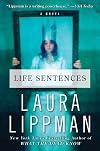
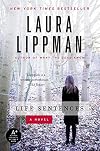
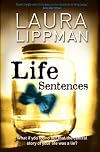
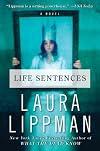
Life Sentences
by Laura Lippman
On This Page
Description
A writer discovers the truth about her past in this haunting and multi-layered thriller.Tags
Recommendations





Member Reviews
view all 4 status updates
review: Some people look forward to the budding trees and warmer days when winter finally rolls around into spring. I look forward to the latest offering by Laura Lippman.
As always with Lippman's novels, I found myself both eager to begin the journey and anxious that the ride would be over far too soon. The best thing you can say about a book is that it never feels too short nor does it overstay its welcome. And that's a praise I can heap on a lot of Lippman's novels.
Cassa...more Some people look forward to the budding trees and warmer days when winter finally rolls around into spring. I look forward to the latest offering by Laura Lippman.
As always with Lippman's novels, I found myself both eager to begin show more the journey and anxious that the ride would be over far too soon. The best thing you can say about a book is that it never feels too short nor does it overstay its welcome. And that's a praise I can heap on a lot of Lippman's novels.
Cassandra Fellows is a successful non-fiction writer, who wrote two staggeringly successful memoirs about her life. One was about growing up in Baltimore and the other was about her various romantic liasons. Now Cassandra is on a book tour for his latest, fictional entry which is neither as critically acclaimed nor as commercially successful as her two autobiographical tomes. One night in a hotel room, cursed with insomnia, Cassandra hears the report of a missing boy in Louisiana and hears it linked to a case in Baltimore years before. The case involved a classmate of Cassandra's, Calliope Jenkins, whose first child was removed from the home by the authorities and her second child disappeared under mysterious circumstances. Calliope never confessed to a crime and was notoriously silent about where the child went. With little evidence, Calliope was held in jail for seven years before being released. Cassandra grew up with Calliope and decides that her next project will be an examination of not only Calliope, but their social group growing up, looking to find some answers to the unsolved crime.
In typical Lippman fashion, the central mystery to the novel is important but it isn't the most vital part of "Life Sentences." Lippman once again examines the impact of a crime or a criminal act can have on the various lives that it touches--from that of Calliope Jenkins to Cassandra to the various people investigating the case or defending Jenkins. Lippman hooks you in right away with the central mystery and with great care and deliberation introduces the various players into the drama. Each character is facing his or her own life sentence based on choices he or she has made over the course of their lives. Lippman also examines how the various characters filter history through their own vantage point and how subjective events and memories can be. To say more would be to give away some of the more intriguing revelations in the story. And that last thing you want is for someone to ruin the joy of finding these things out for yourself.
I've heard it said that Lippman writes mysteries that transcend the genre. I'd argue that while she does that, her novels are far more complex and rewarding than just a simple "who done it?" story. These are carefully crafted, psychological portraits of the impact of various events can have on the its characters. "Life Sentences" is another winner from Lippman and a novel I heartly recommend to anyone who enjoys a well-written, thought-provoking and enjoyable story show less
review: Some people look forward to the budding trees and warmer days when winter finally rolls around into spring. I look forward to the latest offering by Laura Lippman.
As always with Lippman's novels, I found myself both eager to begin the journey and anxious that the ride would be over far too soon. The best thing you can say about a book is that it never feels too short nor does it overstay its welcome. And that's a praise I can heap on a lot of Lippman's novels.
Cassa...more Some people look forward to the budding trees and warmer days when winter finally rolls around into spring. I look forward to the latest offering by Laura Lippman.
As always with Lippman's novels, I found myself both eager to begin show more the journey and anxious that the ride would be over far too soon. The best thing you can say about a book is that it never feels too short nor does it overstay its welcome. And that's a praise I can heap on a lot of Lippman's novels.
Cassandra Fellows is a successful non-fiction writer, who wrote two staggeringly successful memoirs about her life. One was about growing up in Baltimore and the other was about her various romantic liasons. Now Cassandra is on a book tour for his latest, fictional entry which is neither as critically acclaimed nor as commercially successful as her two autobiographical tomes. One night in a hotel room, cursed with insomnia, Cassandra hears the report of a missing boy in Louisiana and hears it linked to a case in Baltimore years before. The case involved a classmate of Cassandra's, Calliope Jenkins, whose first child was removed from the home by the authorities and her second child disappeared under mysterious circumstances. Calliope never confessed to a crime and was notoriously silent about where the child went. With little evidence, Calliope was held in jail for seven years before being released. Cassandra grew up with Calliope and decides that her next project will be an examination of not only Calliope, but their social group growing up, looking to find some answers to the unsolved crime.
In typical Lippman fashion, the central mystery to the novel is important but it isn't the most vital part of "Life Sentences." Lippman once again examines the impact of a crime or a criminal act can have on the various lives that it touches--from that of Calliope Jenkins to Cassandra to the various people investigating the case or defending Jenkins. Lippman hooks you in right away with the central mystery and with great care and deliberation introduces the various players into the drama. Each character is facing his or her own life sentence based on choices he or she has made over the course of their lives. Lippman also examines how the various characters filter history through their own vantage point and how subjective events and memories can be. To say more would be to give away some of the more intriguing revelations in the story. And that last thing you want is for someone to ruin the joy of finding these things out for yourself.
I've heard it said that Lippman writes mysteries that transcend the genre. I'd argue that while she does that, her novels are far more complex and rewarding than just a simple "who done it?" story. These are carefully crafted, psychological portraits of the impact of various events can have on the its characters. "Life Sentences" is another winner from Lippman and a novel I heartly recommend to anyone who enjoys a well-written, thought-provoking and enjoyable story show less
Life Sentences by Laura Lippman is the story of a successful author, Cassandra Fallows. Cassandra’s first two books, memoirs of her own life, have had great success. But when she makes an attempt to write fiction, the book is greeted with a marked lack of enthusiasm. She returns to her hometown of Baltimore to write the story she thinks will be a huge hit and a return to nonfiction.
A childhood acquaintance, Calliope Jenkins, was accused of killing her baby some years ago. The baby’s body was never found, and Calliope spent 7 years in jail on contempt charges because she refused to speak. Cassandra believes that this unsolved mystery will be her next big bestseller. During the course of investigating the story, Cassandra finds that show more her old childhood friends have much different memories that those she had outlined in her previous books, and many are not happy to see Cassandra back in town. Along the way, Cassandra finds out things about her youth, her friendships and her parents she never knew.
Life Sentences wasn’t all that compelling for me. I found the characters mostly unlikable, Cassandra seemed to be clueless and pretty darn self absorbed most of the time. Her father seemed to be more than a little narcissistic and her old friends intolerant. I did like her mother, I think more than Cassandra does. (Possibly because I’ve been known to strip and refinish $25 yard sale finds myself and I’ve spent some time under sinks changing or fixing faucets as well!) I couldn’t figure out why this grown woman would spend so much time trying to gain her “jerk” father’s approval when she had a mother like she did. Cassandra is aware enough of her father’s attitudes, i.e. “My father believed in unconditional love, but only under certain conditions.” She just seems to spend an inordinate amount of time trying to make him approve of her.
I liked the idea behind the plot; the old “whodunit” made a great starting point. I just felt like it sort of fizzled. In the end, it was all pretty mundane, I’d already figured out the “who” and “why”, and felt sort of let down that my ordinary ending was right. I much prefer to be wrong when I think I’ve figured it all out. show less
A childhood acquaintance, Calliope Jenkins, was accused of killing her baby some years ago. The baby’s body was never found, and Calliope spent 7 years in jail on contempt charges because she refused to speak. Cassandra believes that this unsolved mystery will be her next big bestseller. During the course of investigating the story, Cassandra finds that show more her old childhood friends have much different memories that those she had outlined in her previous books, and many are not happy to see Cassandra back in town. Along the way, Cassandra finds out things about her youth, her friendships and her parents she never knew.
Life Sentences wasn’t all that compelling for me. I found the characters mostly unlikable, Cassandra seemed to be clueless and pretty darn self absorbed most of the time. Her father seemed to be more than a little narcissistic and her old friends intolerant. I did like her mother, I think more than Cassandra does. (Possibly because I’ve been known to strip and refinish $25 yard sale finds myself and I’ve spent some time under sinks changing or fixing faucets as well!) I couldn’t figure out why this grown woman would spend so much time trying to gain her “jerk” father’s approval when she had a mother like she did. Cassandra is aware enough of her father’s attitudes, i.e. “My father believed in unconditional love, but only under certain conditions.” She just seems to spend an inordinate amount of time trying to make him approve of her.
I liked the idea behind the plot; the old “whodunit” made a great starting point. I just felt like it sort of fizzled. In the end, it was all pretty mundane, I’d already figured out the “who” and “why”, and felt sort of let down that my ordinary ending was right. I much prefer to be wrong when I think I’ve figured it all out. show less
I had read several favorable reviews in national publications and thought this would be one I couldn't put down. As it turns out, I could, I thought the book was pretty average in terms of plot and writing. The main character is looking back at her childhood through much of the book and I found her ability to remember so many events and conversations from childhood unlikely. It's not a bad read but not one I would recommend to people who have lots in their TBR stack.
Cassandra Fallows is casting around for her next book idea after having published two highly successful memoirs and one floundering novel, when an evening newscast brings up a name from her past. Calliope Jenkins had shared an elementary school classroom with Cassandra. She was later held for seven years in prison for refusing to reveal the whereabouts of her infant son…who is still missing and presumed dead. Now released from prison, Calliope provides the perfect backdrop for another memoir of sorts for Cassandra. Cassandra returns to her childhood home in Baltimore to try to get to the bottom of the mystery surrounding Calliope and her son, and ends up reconnecting with her old friends. What she discovers are buried secrets about show more her own life, and another perspective on what constitutes truth.
Laura Lippman takes her time in developing her characters in Life Sentences, switching back and forth from the past to the present, and giving the reader multiple perspectives of Cassandra’s life. Cassandra is not wholly likable (she has a tendency to go to bed with other women’s husbands and seems oblivious to how her literary portrayal of the people in her life might impact them) yet I found myself wanting to give her a chance at redemption. Part of the conflict in the novel is internal – that which lies within Cassandra herself. Although her goal was to write a book and not rethink her life, Cassandra ultimately is forced to deal with her own weaknesses, learn another way of seeing the world, and revisit her version of the truth.
Lippman apparently used to write straight forward mysteries and suspense novels, but in Life Sentences the mystery takes second stage to the deeper issues raised in the book. Using the historical backdrop of the civil rights movement in Baltimore and the assassination of Martin Luther King, Lippman explores the difficult subject of race relations. Cassandra’s unfaithful father leaves her mother to marry a black woman. Cassandra’s childhood friends are all black (she is white) and the division between them (and their later anger around Cassandra’s memoir) centers largely around unspoken race issues. One huge event in Cassandra’s life (when she is attacked by a group of white girls in her school) takes on a different meaning when seen outside of Cassandra’s narrow view and is explained from the viewpoint of a black friend who witnessed the attack but did nothing to stop it.
Another huge theme in the book is that of memory and perspective – how two people can experience the same thing and yet remember it differently. As Cassandra tries to mine her past for her next book, she discovers her memories about important events vary significantly from that of her friends.
Ultimately Lippman gets to the mystery and provides an answer for her readers, but she arrives there after a meandering journey through the lives of her central characters. And that is perhaps my only complaint with the novel – it moves a bit slowly at times. This is not a book a reader will plow through in one sitting. Despite this minor complaint, I can recommend Life Sentences to those readers who enjoy their mysteries character-driven vs. plot driven. show less
Laura Lippman takes her time in developing her characters in Life Sentences, switching back and forth from the past to the present, and giving the reader multiple perspectives of Cassandra’s life. Cassandra is not wholly likable (she has a tendency to go to bed with other women’s husbands and seems oblivious to how her literary portrayal of the people in her life might impact them) yet I found myself wanting to give her a chance at redemption. Part of the conflict in the novel is internal – that which lies within Cassandra herself. Although her goal was to write a book and not rethink her life, Cassandra ultimately is forced to deal with her own weaknesses, learn another way of seeing the world, and revisit her version of the truth.
Lippman apparently used to write straight forward mysteries and suspense novels, but in Life Sentences the mystery takes second stage to the deeper issues raised in the book. Using the historical backdrop of the civil rights movement in Baltimore and the assassination of Martin Luther King, Lippman explores the difficult subject of race relations. Cassandra’s unfaithful father leaves her mother to marry a black woman. Cassandra’s childhood friends are all black (she is white) and the division between them (and their later anger around Cassandra’s memoir) centers largely around unspoken race issues. One huge event in Cassandra’s life (when she is attacked by a group of white girls in her school) takes on a different meaning when seen outside of Cassandra’s narrow view and is explained from the viewpoint of a black friend who witnessed the attack but did nothing to stop it.
Another huge theme in the book is that of memory and perspective – how two people can experience the same thing and yet remember it differently. As Cassandra tries to mine her past for her next book, she discovers her memories about important events vary significantly from that of her friends.
Ultimately Lippman gets to the mystery and provides an answer for her readers, but she arrives there after a meandering journey through the lives of her central characters. And that is perhaps my only complaint with the novel – it moves a bit slowly at times. This is not a book a reader will plow through in one sitting. Despite this minor complaint, I can recommend Life Sentences to those readers who enjoy their mysteries character-driven vs. plot driven. show less
I just can't be sure of what I think of Laura Lippman.
She writes great stories, richly textured & impressively detailed.
She pulls off some neat tricks, like switching between omniscient narration & first-person narration in this story, deftly.
She sets a good pace & works in some socially relevant topics.
Yet...
She never quite holds her characters accountable.
Take Cassandra. Lippman shows us her flaws skilfully, & raises the spectre of a great fall for her.
Yet... Cassandra comes out of her dalliances with other people's lives with more security, friends, & familial relations than she went into it.
Then there's the climax itself. While it's good, Lippman does a great job of promising a payoff that you expect more. So while it all ties show more together nicely & resolves itself, you can't help thinking there could have been more.
I've noted these things in other Lippman books.
Yet.. I keep reading them. So I guess I must like her after all. show less
She writes great stories, richly textured & impressively detailed.
She pulls off some neat tricks, like switching between omniscient narration & first-person narration in this story, deftly.
She sets a good pace & works in some socially relevant topics.
Yet...
She never quite holds her characters accountable.
Take Cassandra. Lippman shows us her flaws skilfully, & raises the spectre of a great fall for her.
Yet... Cassandra comes out of her dalliances with other people's lives with more security, friends, & familial relations than she went into it.
Then there's the climax itself. While it's good, Lippman does a great job of promising a payoff that you expect more. So while it all ties show more together nicely & resolves itself, you can't help thinking there could have been more.
I've noted these things in other Lippman books.
Yet.. I keep reading them. So I guess I must like her after all. show less
As contemporary literature, Life Sentences is actually quite good. Lippman does a wonderfully thorough job of interrogating the nature of truth, lies, and memory--from the secrets we keep, to the lies we tell ourselves, to the relative value and impact of the unvarnished truth. As mysteries go, this isn't a very satisfying one, but it makes up for it in other surprises. This would be an excellent book club book, as I imagine it would foster a great deal of interesting discussion in a group.
Cassandra Fallows, the gifted daughter of a classics professor and his equally intelligent wife, has used the lives of her and her family for fodder in her first two books and seeks to recapture the public's adoration by getting to the bottom of the tragic circumstances of her childhood friend Callie's life. As a child, Callie was on the outskirts of Cassandra's group, always very quiet and shy. But in more recent times, Callie's son has mysteriously gone missing. Callie, refusing to incriminate herself, remains silent on the question of her son's whereabouts and eventually has to serve seven years in prison for her silence. When Cassandra catches wind of the woman's story, she begins to pursue Callie and those who knew her, hoping to show more uncover the secret that Callie has kept hidden for years. As Cassandra begins to investigate the strange story, she reaches out to the friends she remembers from childhood, only to discover that they are unhappy and sometimes even hostile about their shared past. Each woman contacted has a different grudge against Cassandra and none are willing to furnish the information that she is seeking. Under the guise of camaraderie, Cassandra tries to put the women at ease but discovers that her memories from the past aren't what she remembers them to be, and also discovers the secret that binds all of the women together. Written with literary flourish, Life Sentences tells the story of a group of women whom time has torn asunder.
When I was contacted to review this book by TLC Book Tours, I wasn't exactly sure what I was getting into. On the surface, the story seemed to be a literary one but I couldn't help but glean that it may actually be more of a suspense story, which is not exactly my favorite genre. But after getting sufficiently involved in the narrative, I was pleased to discover that the book actually grabbed elements from many different genres.
From the outset, I felt that I really understood Cassandra. Maybe it's because I am a bookish person by nature, but I felt that as a character, Cassandra was interesting to me for many reasons. One of the reasons, of course, was that she was an author. It was interesting to see how she mined her life and the lives of her acquaintances for fodder for her books and it seemed she was always looking for the literary bottom line in all of her encounters. Another reason her character was so compelling was that she was refreshingly honest about her life and her opinions of others. She didn't try to candy-coat all the unpleasant aspects of her personality or those around her. But for all this, I didn't really like her. She was very wily when it came to the other characters in the book and her motives were always suspect to me. Watching her maneuver through her friends' lives and secrets made me a little uncomfortable, and at best she came off as a bit of an opportunist. She was at times very manipulative, poking and prodding those around her for her own gain. I guess that was why I was a little conflicted when she got her comeuppance. I felt in some ways she deserved to be knocked down, yet in others I felt more than a little sorry for her. She was both a very pleasing and utterly contemptible person to me at times.
Callie's portion of the narrative was, I think, a real highlight for me. I marveled at her ability to remain stanch throuought the book and I really liked her sense of fierce independence. When she finally reveals what happened to her son in the last half of the book, it was hard not to judge her a little bit, but it was also hard not to sympathize with her as well. I liked the frankness of her life, her ability to move on past tragedy and keep herself upright for many long years, just as I admired her for finally getting her story out. Though Cassandra originally wanted to glean Callie's story for her own purposes, I think she ended up having a very positive effect on Callie, and it was through her intervention that the woman was able to reclaim part of her life. There was a great sense of vindication for me when Callie finally revealed her secret.
I also thought that the dynamics of Cassandra's friendship with the other women were well written and provided a lot of tension throughout the story. The other women never really thought of Cassandra as one of them but Cassandra never saw this. She saw only through the rose colored glasses of her past and assumed that their friendship would afford her some liberties among them. She never really saw that the the women only tolerated her and that she was far more out of their circle than in. I guess it would have been fair to say that Callie was more inclusive to the group than Cassandra had been. Each of the three other women begrudged Cassandra for her success, believing her to have rewritten their shared history for her glory. It wasn't really a surprise to me that they closed ranks upon her but it certainly came as a surprise to Cassandra. I got the picture that Cassandra saw only what she wanted to see, not what was actually in front of her.
Towards the end of the book the story took a turn for the suspenseful, which although not my favorite genre, was, I felt, well deserved. As the women begin to slowly leak the unfortunate story of Callie's tragedy to Cassandra, the plot began to move and weave in ways I never saw coming. The secrets that had been hidden begin to come to light, and all the people that Cassandra had carefully canvassed become unmoored and careless with their stories. It was interesting to see who held information and to what lengths they would go to keep it buried. Finally the players begin to turn upon each other, leaving old notions and ideas shattered in their wake. The stunning conclusion to the story left me feeling very satisfied and I marveled at the author's ability to keep so many intertwined events clear and relevant.
Overall, I found this book a really pleasant diversion that was able to make me feel an abundance of conflicting emotions and anticipation. The very literary quality of the writing combined with the elements of suspense and interpersonal relationships within the story made for a great reading experience. I think that readers who like a good dose of realism in their fiction would probably enjoy this book, as well as those who normally gravitate towards mildly suspenseful reads. I think that Lippman did a fantastic job cobbling all of these various elements together in her story and I would definitely recommend this book. It was a highly entertaining read. show less
When I was contacted to review this book by TLC Book Tours, I wasn't exactly sure what I was getting into. On the surface, the story seemed to be a literary one but I couldn't help but glean that it may actually be more of a suspense story, which is not exactly my favorite genre. But after getting sufficiently involved in the narrative, I was pleased to discover that the book actually grabbed elements from many different genres.
From the outset, I felt that I really understood Cassandra. Maybe it's because I am a bookish person by nature, but I felt that as a character, Cassandra was interesting to me for many reasons. One of the reasons, of course, was that she was an author. It was interesting to see how she mined her life and the lives of her acquaintances for fodder for her books and it seemed she was always looking for the literary bottom line in all of her encounters. Another reason her character was so compelling was that she was refreshingly honest about her life and her opinions of others. She didn't try to candy-coat all the unpleasant aspects of her personality or those around her. But for all this, I didn't really like her. She was very wily when it came to the other characters in the book and her motives were always suspect to me. Watching her maneuver through her friends' lives and secrets made me a little uncomfortable, and at best she came off as a bit of an opportunist. She was at times very manipulative, poking and prodding those around her for her own gain. I guess that was why I was a little conflicted when she got her comeuppance. I felt in some ways she deserved to be knocked down, yet in others I felt more than a little sorry for her. She was both a very pleasing and utterly contemptible person to me at times.
Callie's portion of the narrative was, I think, a real highlight for me. I marveled at her ability to remain stanch throuought the book and I really liked her sense of fierce independence. When she finally reveals what happened to her son in the last half of the book, it was hard not to judge her a little bit, but it was also hard not to sympathize with her as well. I liked the frankness of her life, her ability to move on past tragedy and keep herself upright for many long years, just as I admired her for finally getting her story out. Though Cassandra originally wanted to glean Callie's story for her own purposes, I think she ended up having a very positive effect on Callie, and it was through her intervention that the woman was able to reclaim part of her life. There was a great sense of vindication for me when Callie finally revealed her secret.
I also thought that the dynamics of Cassandra's friendship with the other women were well written and provided a lot of tension throughout the story. The other women never really thought of Cassandra as one of them but Cassandra never saw this. She saw only through the rose colored glasses of her past and assumed that their friendship would afford her some liberties among them. She never really saw that the the women only tolerated her and that she was far more out of their circle than in. I guess it would have been fair to say that Callie was more inclusive to the group than Cassandra had been. Each of the three other women begrudged Cassandra for her success, believing her to have rewritten their shared history for her glory. It wasn't really a surprise to me that they closed ranks upon her but it certainly came as a surprise to Cassandra. I got the picture that Cassandra saw only what she wanted to see, not what was actually in front of her.
Towards the end of the book the story took a turn for the suspenseful, which although not my favorite genre, was, I felt, well deserved. As the women begin to slowly leak the unfortunate story of Callie's tragedy to Cassandra, the plot began to move and weave in ways I never saw coming. The secrets that had been hidden begin to come to light, and all the people that Cassandra had carefully canvassed become unmoored and careless with their stories. It was interesting to see who held information and to what lengths they would go to keep it buried. Finally the players begin to turn upon each other, leaving old notions and ideas shattered in their wake. The stunning conclusion to the story left me feeling very satisfied and I marveled at the author's ability to keep so many intertwined events clear and relevant.
Overall, I found this book a really pleasant diversion that was able to make me feel an abundance of conflicting emotions and anticipation. The very literary quality of the writing combined with the elements of suspense and interpersonal relationships within the story made for a great reading experience. I think that readers who like a good dose of realism in their fiction would probably enjoy this book, as well as those who normally gravitate towards mildly suspenseful reads. I think that Lippman did a fantastic job cobbling all of these various elements together in her story and I would definitely recommend this book. It was a highly entertaining read. show less
Members
- Recently Added By
Lists

Secrets Books
94 works; 3 members
Author Information

56+ Works 24,446 Members
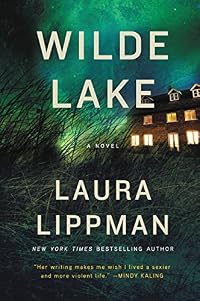
Laura Lippman grew up in Baltimore and returned to her home town in 1989 to work as a journalist. After writing seven books while still a full-time reporter, she left the Baltimore Sun to focus on fiction. Laura is the author of What the Dead Know, 2016 New York Times Bestseller, Another Thing to Fall, After I'm Gone, and Wilde Lake. She also show more writes the Tess Monaghan series. She has won numerous awards for her work including the Edgar, Quill, Anthony, Nero Wolfe, Agatha, Gumshoe, Barry, and Macavity. (Bowker Author Biography) show less
Awards and Honors
Awards
Common Knowledge
- Canonical title
- Life Sentences
- Original title
- Life Sentences
- Original publication date
- 2009-03-10
- People/Characters
- Cassandra Fallows; Calliope Jenkins; Gloria Bustamante; Reg Barr; Donna Howard Barr; Cedric Fallows (show all 7); Lenore Fallows
- Important places
- Baltimore, Maryland, USA; Maryland, USA
- Important events
- Assassination of Martin Luther King, Jr.
- Epigraph
- I detest the man that hides one thing in the depths of his heart, and speaks for another. ~The Iliad
- Dedication
- In loving memory of James Crumley, 1939-2008. Take my word. It was fun.
- First words
- "Well, " the bookstore manager said, "it is Valentine's Day."
- Last words
- (Click to show. Warning: May contain spoilers.)She was.
- Blurbers
- Bell, Madison Smartt; Coben, Harlan
Classifications
Statistics
- Members
- 820
- Popularity
- 33,483
- Reviews
- 43
- Rating
- (3.27)
- Languages
- Dutch, English, Italian
- Media
- Paper, Audiobook, Ebook
- ISBNs
- 32
- ASINs
- 11