Renegade Champion: The Unlikely Rise of Fitzrada
by Richard R. Rust
On This Page
Description
"If you buy that horse, you're buying your daughter's death warrant," Jane Pohl's father was warned at the army barracks in the spring of 1941. But the potential that his teenage daughter Jane saw in the small, temperamental Thoroughbred was enough to convince him otherwise. Earlier that year, when Fitzrada arrived at the army base where Jane's family lived, the horse was stubborn, unpredictable, and dangerous. Any man who dared addle him up soon found himself face down in the dirt. Jane, show more excited to ride any horse and up for the challenge, had the most success with Fitz. She was patient and consistent, and the horse responded well at last, showing a great affinity for jumping. Then, inexplicably, a terrible riding accident resulted in serious injuries for both Jane and Fitz, and the army decide that it was time to destroy the horse. Heartbroken, Jane pleaded with her reluctant father: the only way to save Fitz was to buy him from the army. Jane Pohl's foresight proved to be correct. Jane and Fitz went on to take the Virginia show-jumping circuit by storm, winning 37 jumper and 6 hinter championships. At a time when women were rarely seen in jumping classes at horse shows and were not taken seriously by male competitors, Jane and Fitz helped to break down barriers against women riders competing in the Olympics. In 1946, Jane and Fitz found themselves at the Jumper Championship at the prestigious National Horse Show in Madison Square Garden--the highest jumping title in North America. The road there for horse and rider was a five-year test of faith, patience, and understanding friendship. show lessTags
Recommendations
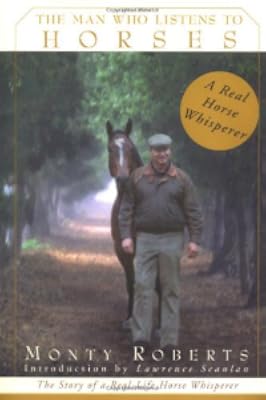
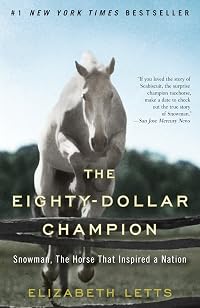
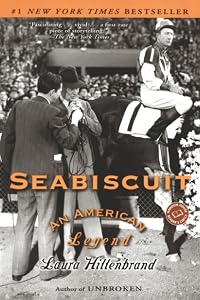
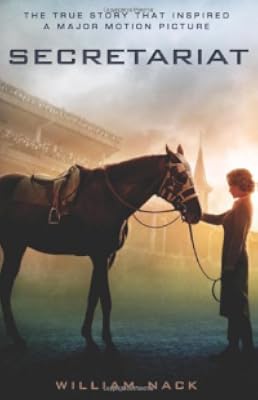






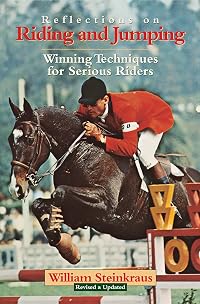
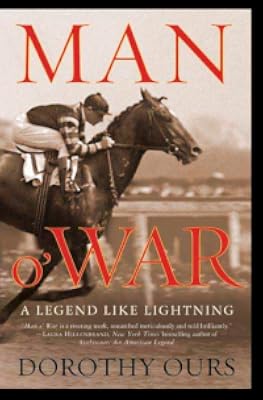
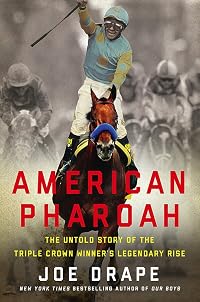


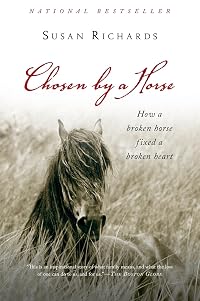




Member Recommendations
Member Reviews
I love a good horse book, and when I received this book through the LibraryThing Early Reviewers program I was thrilled. Renegade Champion is the "dramatized" biography of a girl and her horse: Jane Pohl Rust, and Fitzrada, champion showjumper/hunter of the 1940s. The author, Jane's son, says in his author's note that he had to choose from different versions of certain scenes, and he made it read more like a novel by giving us Jane's thoughts and by inventing likely dialogue. But all of the major events really took place, so it is mostly biography, and it is a fascinating read.
Much like The Eighty-dollar Champion by Elizabeth Letts, the book takes you to the horse show world of the 1940s (a decade earlier than Letts' book), and in show more particular, talks about how very few women rode jumpers at the time. It was a military-based sport and considered very dangerous, thus was dominated by men. Also, they actually forbade women from entering some of the shows, and women weren't allowed to be professional riders! Rust explains how Jane made inroads to that. Also, much like Snowman in Letts' book, Fitz was not from a wealthy stable, and had that disadvantage. He started out as an Army Cavalry horse, but after accidents and rough handling, became so jaded and intractable that the Army was ready to put him down. But luckily a General at Pearl Harbor needed a new horse, and the Army guys took a chance and shipped him Fitz, wanting to get Fitz out of their hair but not willing to kill him. Jane met Fitz in Hawaii, when she was 17 and he was already an older horse at 11, when she was asked to try to calm him down enough for the General (or anyone!) to ride him. Thus began quite an interesting and fruitful relationship, although it took her five years of patience and hard work to get him to show quality. I loved the details of Army horse life, and then the trials of Jane and Fitz as they worked together, and the details of showing back then.
Jane was one tough woman! Not only did she do everything for her horse, from feeding and grooming and boarding him and driving him to shows, to of course training and riding him, but they also foxhunted for years, and sometimes to get home from a show or a hunt, it was easier for her to just RIDE HIM HOME MILES IN THE DARK! Once they even got stuck in quicksand! And when Jane became pregnant, as an unmarried Catholic woman in 1947, it was right in the middle of show season so she kept showing and jumping her horse (even after a fall where a horse rolled onto her!) so as to keep her condition secret... and also to not miss winning points toward his championship. (They had to win enough to qualify for bigger shows.) (The baby was fine, he's who wrote this book ☺) Amazing. Then she had trouble getting non-horse jobs as a scandalously single divorced mother, in the prim and proper late 1950s. Throughout the book you get to see her fierce personality and work ethic, and her son's love for her and her accomplishments. I think the book's title and subtitle are misleading; it should have been called Renegade Champions, plural, and included Jane's name, as it is really all about Jane. Her successes led to the inclusion of women riders in shows and the Olympics, although sadly she never got to compete in the Olympics herself.
The only thing that keeps me from giving it five stars is that it really needed some editing help: several times there are scenes repeated almost verbatim, as the storyline goes forward and backward in time from Jane's prime years with Fitz to her later years as an old woman, and it became repetitive. I'd think, "oh I know this story, he already told us this in that flashback," so why repeat it? If he wanted to put it in its proper chronological spot in the story, then he should have only hinted at the contents in the first mention of it. Or vice versa. I have no quibble with the jumping of timelines, it was well-written in that regard. But there was too much repetition; a good editor could have said "how about rewriting this paragraph so that it's not so identical" or better yet, skip the repeat stories, just allude to them on the second time through. But this is his first book (and only book, as he died the same year it was published), so I don't like to be nitpicky. Compared to the beautifully professional work of the writer Elizabeth Letts, who included extensive source notes and bibliography in her Snowman book, Rust's book is certainly more amateur, as it was written using mostly memories, newspaper clippings, and interviews with people who knew his mother. (And that was another thing I think an editor should have caught: the way every quote from a fellow rider or family friend would be introduced by stating "X was interviewed in 2010". This is unduly repetitive; footnotes would have been the better way to acknowledge the source without having to say this every time. But a minor thing!) But overall I loved the book and didn't want to put it down. It astounded me to learn of some of the grueling things showjumpers had to do in those early shows, especially some practices that would be totally against today's modern safety practices. But I sure would have liked to see horses do the "Skyscraper" class, where they were asked to jump the same bar set successively higher and higher; it looks crazy impossible for a horse to jump straight up over a six feet ten inch high obstacle! I have looked this up and I guess now it's called High Jump or Puissance competitions, but I don't know how often it's done any more. But little Fitzrada (15.2 hands) jumped 6'10"! That's a jump that stands one foot 8 inches taller than himself! Also in his repertoire: "the Pen," which sounds crazy to me--a series of quick jumps, sometimes U-turns even, to jump a prescribed course in and out of a square box or pen formed by rails. It took him four years to master it. Amazing horse, and amazing gutsy groundbreaking rider. Caveat for sensitive animal lovers who may read this book: there are two very sad scenes. show less
Much like The Eighty-dollar Champion by Elizabeth Letts, the book takes you to the horse show world of the 1940s (a decade earlier than Letts' book), and in show more particular, talks about how very few women rode jumpers at the time. It was a military-based sport and considered very dangerous, thus was dominated by men. Also, they actually forbade women from entering some of the shows, and women weren't allowed to be professional riders! Rust explains how Jane made inroads to that. Also, much like Snowman in Letts' book, Fitz was not from a wealthy stable, and had that disadvantage. He started out as an Army Cavalry horse, but after accidents and rough handling, became so jaded and intractable that the Army was ready to put him down. But luckily a General at Pearl Harbor needed a new horse, and the Army guys took a chance and shipped him Fitz, wanting to get Fitz out of their hair but not willing to kill him. Jane met Fitz in Hawaii, when she was 17 and he was already an older horse at 11, when she was asked to try to calm him down enough for the General (or anyone!) to ride him. Thus began quite an interesting and fruitful relationship, although it took her five years of patience and hard work to get him to show quality. I loved the details of Army horse life, and then the trials of Jane and Fitz as they worked together, and the details of showing back then.
Jane was one tough woman! Not only did she do everything for her horse, from feeding and grooming and boarding him and driving him to shows, to of course training and riding him, but they also foxhunted for years, and sometimes to get home from a show or a hunt, it was easier for her to just RIDE HIM HOME MILES IN THE DARK! Once they even got stuck in quicksand! And when Jane became pregnant, as an unmarried Catholic woman in 1947, it was right in the middle of show season so she kept showing and jumping her horse (even after a fall where a horse rolled onto her!) so as to keep her condition secret... and also to not miss winning points toward his championship. (They had to win enough to qualify for bigger shows.) (The baby was fine, he's who wrote this book ☺) Amazing. Then she had trouble getting non-horse jobs as a scandalously single divorced mother, in the prim and proper late 1950s. Throughout the book you get to see her fierce personality and work ethic, and her son's love for her and her accomplishments. I think the book's title and subtitle are misleading; it should have been called Renegade Champions, plural, and included Jane's name, as it is really all about Jane. Her successes led to the inclusion of women riders in shows and the Olympics, although sadly she never got to compete in the Olympics herself.
The only thing that keeps me from giving it five stars is that it really needed some editing help: several times there are scenes repeated almost verbatim, as the storyline goes forward and backward in time from Jane's prime years with Fitz to her later years as an old woman, and it became repetitive. I'd think, "oh I know this story, he already told us this in that flashback," so why repeat it? If he wanted to put it in its proper chronological spot in the story, then he should have only hinted at the contents in the first mention of it. Or vice versa. I have no quibble with the jumping of timelines, it was well-written in that regard. But there was too much repetition; a good editor could have said "how about rewriting this paragraph so that it's not so identical" or better yet, skip the repeat stories, just allude to them on the second time through. But this is his first book (and only book, as he died the same year it was published), so I don't like to be nitpicky. Compared to the beautifully professional work of the writer Elizabeth Letts, who included extensive source notes and bibliography in her Snowman book, Rust's book is certainly more amateur, as it was written using mostly memories, newspaper clippings, and interviews with people who knew his mother. (And that was another thing I think an editor should have caught: the way every quote from a fellow rider or family friend would be introduced by stating "X was interviewed in 2010". This is unduly repetitive; footnotes would have been the better way to acknowledge the source without having to say this every time. But a minor thing!) But overall I loved the book and didn't want to put it down. It astounded me to learn of some of the grueling things showjumpers had to do in those early shows, especially some practices that would be totally against today's modern safety practices. But I sure would have liked to see horses do the "Skyscraper" class, where they were asked to jump the same bar set successively higher and higher; it looks crazy impossible for a horse to jump straight up over a six feet ten inch high obstacle! I have looked this up and I guess now it's called High Jump or Puissance competitions, but I don't know how often it's done any more. But little Fitzrada (15.2 hands) jumped 6'10"! That's a jump that stands one foot 8 inches taller than himself! Also in his repertoire: "the Pen," which sounds crazy to me--a series of quick jumps, sometimes U-turns even, to jump a prescribed course in and out of a square box or pen formed by rails. It took him four years to master it. Amazing horse, and amazing gutsy groundbreaking rider. Caveat for sensitive animal lovers who may read this book: there are two very sad scenes. show less
 This review was written for LibraryThing Early Reviewers.
"Renegade Champion: The Unlikely Rise of Fitzrada" is the story of a talented Army horse that was drilled until he soured and became dangerous. It took a patient and determined 15 year old girl named Jane Pohl to rehabilitate him and turn him into a top show jumper. This book will appeal to any lover of the old classic horse stories, such as “National Velvet" and Disney’s “Horse with the Flying Tail” as well as more recent accounts of the triumphs of equine underdogs like "Seabiscuit" or "Snowman: The Eighty Dollar Champion." "Renegade Champion" is full of anecdotes describing Jane’s hair raising attempts to reform Fitzrada’s wicked ways, as well as thrilling tales of their successes in the show ring.
But the book is so much show more more than that. Told with frankness and authenticity, "Renegade Champion" is the biography of Jane Pohl, one of the first women to compete with men on the show jumping circuit. Although the author is her son, he is forthright about her shortcomings, as well as her two failed marriages, and her struggles as a single mother. The book provides insight into the routine sexism accepted at the time that would be almost unimaginable today. Equestrians will be interested in the historical tidbits about the National Horse Show and the United States Equestrian Team as well as the way that the show jumping events have evolved to become much safer, but not quite as exciting as they were in the 1940s. show less
But the book is so much show more more than that. Told with frankness and authenticity, "Renegade Champion" is the biography of Jane Pohl, one of the first women to compete with men on the show jumping circuit. Although the author is her son, he is forthright about her shortcomings, as well as her two failed marriages, and her struggles as a single mother. The book provides insight into the routine sexism accepted at the time that would be almost unimaginable today. Equestrians will be interested in the historical tidbits about the National Horse Show and the United States Equestrian Team as well as the way that the show jumping events have evolved to become much safer, but not quite as exciting as they were in the 1940s. show less
This review was written for LibraryThing Early Reviewers.The tale of Jane Pohl and Fitzrada is one of true sportsmanship, of a woman proving herself as strong and capable in a man's sport, and of a horse so intelligent and obstinate that it was almost his undoing. Fitz had nearly been ruined through rough handling and developed an intense fear of men and most people; it took Jane over four years of constant effort to win Fitz's trust. The book excels at describing the culture of jumping and foxhunting through the 1940s into the 1950s. Horse shows are evoked through vivid, visceral detail. Jane is a complex character herself. The author is her son, and he does a fairly good job of keeping his distant to tell the story with both the positive and the negative. Family dynamics and pressures of show more the time period (i.e. proper things a woman should do) constrained Jane and her career.
At times, though, Rust is too close to the story and the details are excessive. This especially bogged down the end of the book--it lost focus after Fitzrada's passing. In particular, I really didn't want to know about Jane's deathbed request regarding her beloved dog and it made the book end on a very sour note for me.
That said, it's worth reading if you love horses and history. It's fascinating to find out how the military's horsemen participated in the Olympics up through World War II, after which the equine divisions were dissolved. At some point I'd love to use the horse show details as a backdrop for a story of my own. show less
At times, though, Rust is too close to the story and the details are excessive. This especially bogged down the end of the book--it lost focus after Fitzrada's passing. In particular, I really didn't want to know about Jane's deathbed request regarding her beloved dog and it made the book end on a very sour note for me.
That said, it's worth reading if you love horses and history. It's fascinating to find out how the military's horsemen participated in the Olympics up through World War II, after which the equine divisions were dissolved. At some point I'd love to use the horse show details as a backdrop for a story of my own. show less
This review was written for LibraryThing Early Reviewers.Renegade Champion is a wonderful book for horse lovers, for lovers of horse sport, for riders, for just about anyone who is interested in the history of a sport, or even for those who are interested in the history of women in sports. It is much less about the horse than it is about his rider, Jane, but it is still a very good story, which is also very well told.
As a fan of horse sports and a lover of horse stories, I was very happy to have been given a chance to review this book and I dove right in. Though the book is written by the author's son, it is (for the most part) written in the third person. The storytelling is catchy and calmly draws you in to the lives of Jane and her family. There is some jumping around in history, as the show more book begins in the recent-past, then moves to the beginning of Jane's life with Fitzrada, and concludes with what has happened after Jane's passing. (I give nothing away in that statement, it is clear from the beginning that she has passed away.) But the jumble of history isn't difficult to handle, in fact it flows very well.
I had one serious issue with this book, which came after what I thought should have been the ending. Please keep in mind that I had an early review copy of this book and it might change before it is sent out for the general public, but I was very upset by the change in tone at the end of the book. I am not going to surprise anyone to say that the horse is no longer alive, so I will say that after the death of Fitz, the story takes an unusual twist and turn. It continues with the story of Jane Rust until her passing and then becomes a rambling of sorts on the author's experiences in dealing with feelings and the estate and whatnot after his mother's passing. The storytelling in my early review copy starts jumping at that point from third person to first person and back again, making for very frustrating reading, and giving the feel of being more of a pile of notes from the author's journal, than anything that should be called a book. Part of this overly emotional, odd rambling is a certain situation right after Jane's death that I thought was completely unnecessary to include and I found it somewhat offensive on top of that. It is one thing to take actions based on someone's last request, it is another thing to admit to such things in front of the public and put them on display in front of those who could be a sensitive audience. The incident put me off of the rest of the book. Though I finished it, I couldn't feel comfortable with it any more.
I am confident that readers will enjoy most of the book, but if your copy of this book continues on beyond Fitzrada's passing, you might want to stop at a good point soon after. The book seems to have one ending after another and most of the book is just too good to taint with a jumbled, overly emotional ending. I don't mind being moved as a reader, but I do mind being forcibly thrust into an author's state of emotional flux. I felt as if I was invading his privacy. show less
As a fan of horse sports and a lover of horse stories, I was very happy to have been given a chance to review this book and I dove right in. Though the book is written by the author's son, it is (for the most part) written in the third person. The storytelling is catchy and calmly draws you in to the lives of Jane and her family. There is some jumping around in history, as the show more book begins in the recent-past, then moves to the beginning of Jane's life with Fitzrada, and concludes with what has happened after Jane's passing. (I give nothing away in that statement, it is clear from the beginning that she has passed away.) But the jumble of history isn't difficult to handle, in fact it flows very well.
I had one serious issue with this book, which came after what I thought should have been the ending. Please keep in mind that I had an early review copy of this book and it might change before it is sent out for the general public, but I was very upset by the change in tone at the end of the book. I am not going to surprise anyone to say that the horse is no longer alive, so I will say that after the death of Fitz, the story takes an unusual twist and turn. It continues with the story of Jane Rust until her passing and then becomes a rambling of sorts on the author's experiences in dealing with feelings and the estate and whatnot after his mother's passing. The storytelling in my early review copy starts jumping at that point from third person to first person and back again, making for very frustrating reading, and giving the feel of being more of a pile of notes from the author's journal, than anything that should be called a book. Part of this overly emotional, odd rambling is a certain situation right after Jane's death that I thought was completely unnecessary to include and I found it somewhat offensive on top of that. It is one thing to take actions based on someone's last request, it is another thing to admit to such things in front of the public and put them on display in front of those who could be a sensitive audience. The incident put me off of the rest of the book. Though I finished it, I couldn't feel comfortable with it any more.
I am confident that readers will enjoy most of the book, but if your copy of this book continues on beyond Fitzrada's passing, you might want to stop at a good point soon after. The book seems to have one ending after another and most of the book is just too good to taint with a jumbled, overly emotional ending. I don't mind being moved as a reader, but I do mind being forcibly thrust into an author's state of emotional flux. I felt as if I was invading his privacy. show less
This review was written for LibraryThing Early Reviewers.Renegade Champion by Richard R. Rust. Oh, my, what to say? You remember in Black Beauty the story is one of an abused horse taken and given a better home? Well, this is kind of like that + a young woman proving to her father's Army colleagues that she could do what they could not. So this little, runt of the litter horse, a thoroughbred gelding was to be trained to be an officer's horse, before World War II; however, Fitzrada had other ideas. When he would "not learn" the Army decided to give up but first a general with some common horse sense suggested that a daughter of a major who loved horses and worked in the barn as a volunteer be given a chance to train this horse. He said, "I wonder if a girl's demeanor might be a way to reach show more this horse?"
How can I not love this story? Lovingly told by Jane Pohl's son it follows her heartbreakingly patient schooling of the horse as a jumper over five years. It took that long for the horse to decide to trust her. And then they had a lovely career with him as a jumper and a hunter and Jane as a world class rider. Jane Pohl was a gutsy woman when it was not fashionable to be so. Fitzrada was a talented and gutsy athletic horse when no one thought he could be.
There are many twists and turns in this story of the American horse culture during the 1940s, 50s and after. I was emotionally entraped and enjoyed the book immensely, not able to put it down even when there were other things to do. Don't you love it when that happens? show less
How can I not love this story? Lovingly told by Jane Pohl's son it follows her heartbreakingly patient schooling of the horse as a jumper over five years. It took that long for the horse to decide to trust her. And then they had a lovely career with him as a jumper and a hunter and Jane as a world class rider. Jane Pohl was a gutsy woman when it was not fashionable to be so. Fitzrada was a talented and gutsy athletic horse when no one thought he could be.
There are many twists and turns in this story of the American horse culture during the 1940s, 50s and after. I was emotionally entraped and enjoyed the book immensely, not able to put it down even when there were other things to do. Don't you love it when that happens? show less
This review was written for LibraryThing Early Reviewers.As the author mentions in "Note to the Reader," this is a dramatized biography. The author is probably too close to the subject (it is his mother, after all); but the detail and emotions build an almost tangible narrative. There are two parts about this book that are extremely painful: Fitz's death and Sindy's euthanasia. Both events are perpetuated by Jane. Both avoidable and sad. This is well worth the read, but you may find parts hard to continue.
**This was an advanced reader copy won through the LibraryThing Early Reviewers program.**
**This was an advanced reader copy won through the LibraryThing Early Reviewers program.**
This review was written for LibraryThing Early Reviewers.I received this wonderful true story yesterday through Library thing early reviewers.
From the opening forward to the last page I was enthralled with the plucky Jane Pohl and Fitz. I should clarify that I grew up with horses in the 50's and beyond to the present day.
In Rita Mae Brown's forward she nails the essence of being a horseman (Horsewoman), in tune with nature and equines.
Jane from a background of military families on the move..entreats the Officers of the Stable to let her ride. As she learns she has a dream of having her own horse. The remount squad trains horses for Officers and for the war effort.
Along comes Fitzada, A TB with high intelligence. At first he learns quickly then the horse breakers take him and whip his heels show more and jab at his mouth to make him learn. He turns sullen and devises ways to unseat his riders.
Then an Officer requests a mount and they see a way to get rid of him. When Fitz arrives at the stables the Officer requests him saddled. This Officer weights 200 pounds and Fitz is a thin 15 hand 2 inch TB. The ride ends in disaster AND Fitz is scheduled to be destroyed.
Jane begs her Father to buy him. Remount horses are sold for the sum of $160 plus.. They arrange to have him shiped to her father's next post.
I should explain that Jane's Dad is old school and only praises Jane for excelling & trying.
If you want an exciting read filled with real life, horses, horror, marriages and the jealousy of siblings..this is the book!
Paul Brown the great Illustrator did several sketches of Fitzrada when he was winning at the great shows for Hunters & Jumpers.
This woman was filled with honor, courage, a code of ethics that wouldn't quit.
Fitz and Jane were headed to greatness..after years of gaining Fitz's trust. show less
From the opening forward to the last page I was enthralled with the plucky Jane Pohl and Fitz. I should clarify that I grew up with horses in the 50's and beyond to the present day.
In Rita Mae Brown's forward she nails the essence of being a horseman (Horsewoman), in tune with nature and equines.
Jane from a background of military families on the move..entreats the Officers of the Stable to let her ride. As she learns she has a dream of having her own horse. The remount squad trains horses for Officers and for the war effort.
Along comes Fitzada, A TB with high intelligence. At first he learns quickly then the horse breakers take him and whip his heels show more and jab at his mouth to make him learn. He turns sullen and devises ways to unseat his riders.
Then an Officer requests a mount and they see a way to get rid of him. When Fitz arrives at the stables the Officer requests him saddled. This Officer weights 200 pounds and Fitz is a thin 15 hand 2 inch TB. The ride ends in disaster AND Fitz is scheduled to be destroyed.
Jane begs her Father to buy him. Remount horses are sold for the sum of $160 plus.. They arrange to have him shiped to her father's next post.
I should explain that Jane's Dad is old school and only praises Jane for excelling & trying.
If you want an exciting read filled with real life, horses, horror, marriages and the jealousy of siblings..this is the book!
Paul Brown the great Illustrator did several sketches of Fitzrada when he was winning at the great shows for Hunters & Jumpers.
This woman was filled with honor, courage, a code of ethics that wouldn't quit.
Fitz and Jane were headed to greatness..after years of gaining Fitz's trust. show less
This review was written for LibraryThing Early Reviewers.Members
- Recently Added By
Author Information
1 Work 27 Members
Richard R. Rust was a graduate of the United States Military Academy at West Point, a practicing civil engineer, and an amateur sportsman. As a child, he rode his tricycle under Fitz's belly and started riding ponies at age four. His mother, Jane Pohl, is the subject of this book, and his father, D.N. Rust III, was an amateur steeple-chase trainer show more and rider with two wins of the Virginia Gold Cup. the author died in 2008. show less
Classifications
- Genres
- Nonfiction, Sports and Leisure, Biography & Memoir, General Nonfiction
- DDC/MDS
- 798.2 — Arts & recreation Recreation, sports, and performing arts Equestrian sports and animal racing Horsemanship
- LCC
- SF295.565 .F52 .R87 — Agriculture Animal husbandry. Animal science Animal culture Horses Horse sports. Horse shows
- BISAC
Statistics
- Members
- 27
- Popularity
- 1,011,082
- Reviews
- 9
- Rating
- (3.71)
- Languages
- English
- Media
- Paper, Ebook
- ISBNs
- 3
- ASINs
- 1