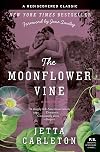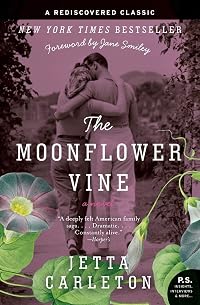
The Moonflower Vine
by Jetta Carleton
On This Page
Description
A timeless American classic rediscovered — an unforgettable saga of a heartland familyOn a farm in western Missouri during the first half of the twentieth century, Matthew and Callie Soames create a life for themselves and raise four headstrong daughters. Jessica will break their hearts. Leonie will fall in love with the wrong man. Mary Jo will escape to New York. And wild child Mathy's fate will be the family's greatest tragedy. Over the decades they will love, deceive, comfort, forgive show more — and, ultimately, they will come to cherish all the more fiercely the bonds of love that hold the family together.
. show less
Tags
Recommendations

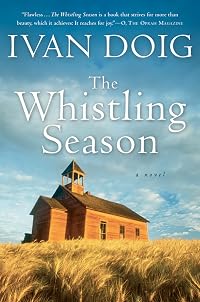
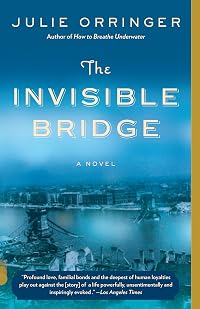
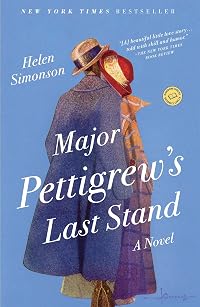
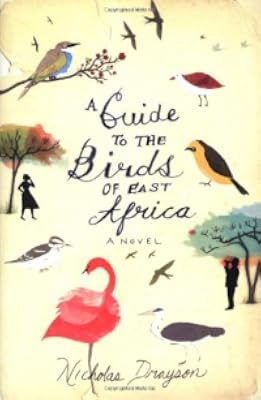

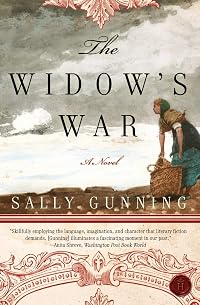
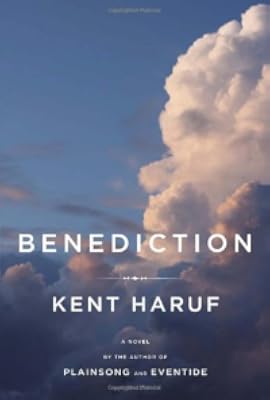
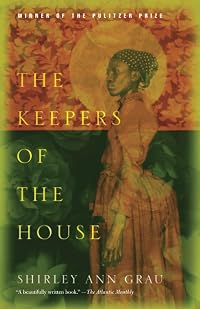
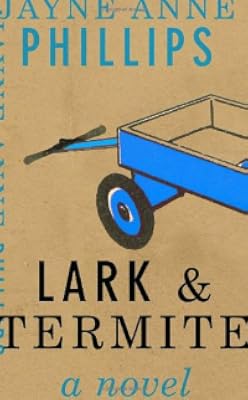






Member Recommendations
Member Reviews
I read a lot of books, both old and new, some are good, some not so good, but this one, Jetta Carleton's THE MOONFLOWER VINE (first published in 1962), is simply one of the best damn Stories I've read in a long time. And I capitalized Story purposely, because Carleton could flat out tell a STORY that made you care about her real-as-life characters that kept you rooting for them and turning the pages to find out what happens to them next. The Soames family is one you'll be thinking about for a long time once you close the covers of this book. There's Matthew, a dirt poor west Missouri farmer who pulls himself up by his own bootstraps (I've always liked that old expression, which certainly fits here) and his unusual love of learning to show more become a teacher (as well as a school superintendent eventually). But he also hangs onto his farming roots, moving from town back to the farm every summer. His wife, Callie, nearly illiterate, seems an unlikely match for Matthew, but she loves him with a fierceness and loyalty that is a mix of pleasure and pain, and in spite of her knowledge of his various annual infatuations with pretty female students. Part of her forbearance is because she harbors a dark and painful secret of her own. They have four daughters: Jessica, Leonie, Mathy, and Mary Jo - every one of them very different individuals. In a story that begins at the end of the 19th century and covers more than fifty years, Carleton lays bare all the longings, frustrations, heartreaks and painful history of the Soames family as the daughters grow up, marry and begin lives of their own, and Matthew and Callie grow old together, finally finding a kind of peace in their shared sorrows and long history together.
Carleton's tale of the Soameses reminded me of various other books - James Drought's THE GYPSY MOTHS, John Williams's STONER, and maybe a little bit of Grace Metallious's PEYTON PLACE. Or perhaps the film, MR. HOLLAND'S OPUS. The truth is THE MOONFLOWER VINE is a one of a kind book. And in fact it was the only published work of Jetta Carleton, who died in 1999. Maybe that's why it has been compared to TO KILL A MOCKING BIRD. To my mind, this was not really an apt comparison, as Matthew Soames seemed a much more fallible and human hero that the redoubtable Atticus Finch. Nope, with the Soameses Carleton has created some of the most memorable and unique fictional characters of the twentieth century. THE MOONFLOWER VINE is a book that deserves its present resurgence and more: attention from generations of readers to come. Very highly recommended. show less
Carleton's tale of the Soameses reminded me of various other books - James Drought's THE GYPSY MOTHS, John Williams's STONER, and maybe a little bit of Grace Metallious's PEYTON PLACE. Or perhaps the film, MR. HOLLAND'S OPUS. The truth is THE MOONFLOWER VINE is a one of a kind book. And in fact it was the only published work of Jetta Carleton, who died in 1999. Maybe that's why it has been compared to TO KILL A MOCKING BIRD. To my mind, this was not really an apt comparison, as Matthew Soames seemed a much more fallible and human hero that the redoubtable Atticus Finch. Nope, with the Soameses Carleton has created some of the most memorable and unique fictional characters of the twentieth century. THE MOONFLOWER VINE is a book that deserves its present resurgence and more: attention from generations of readers to come. Very highly recommended. show less
Maybe that was the way it went, that all your life you heard the singing and never got any closer. There were things you wanted all your life, and after a while and all of a sudden, you weren’t any closer than you ever were and there was no time left.
This is a novel about life, the messy, chaotic, craziness; the infinite variety; the joy and the sorrow. It is a novel about understanding how lives intertwine and yet how they remain separate; how we depend upon one another, and how we wish to spread our own wings and find our own way. It is about motherhood, fatherhood, sisterhood, and marriage, and the secret, internal lives, each of us lives, whether we intend to or not.
Beautifully written and deeply thoughtful, there are sections of show more this book that made me feel I was looking at my own reflection, even though none of the events that make up the plot had any semblance to my own life at all. There is a discussion of the nature of God that must surely be among the best treatments of the subject in print, for at its premise lies the essential question that guides belief and faith in the face of all the unfair and inexplicable tragedies every man is sure to know.
Perhaps the greatest struggle in our lives is to come to terms with who we are, as an individual, as a person unique from but in concert with others, a person with faults that we struggle not to have define us. Perhaps the only way to discover that person is to live long enough and to look backward, and perhaps all the looking back in the world will not truly tell us who we are in time. I found this book to be peopled with some of the most realistic characters in fiction--not a perfect saint or an absolute devil among them.
Suddenly it seemed to me that I looked back from a great distance on that smile and saw it all again - the smile and the day, the whole sunny, sad, funny, wonderful day and all the days that we had spent here together. What was I going to do when such days came no more? There could not be many; for we were a family growing old. And how would I learn to live without these people? I who needed them so little that I could stay away all year - what should I do without them?
My immediate reaction was that I would gladly read every word Jetta Carlton had ever written, then sadly discovered that would entail reading only one more book. I could wish for dozens, should they all be as brilliant as this. show less
This is a novel about life, the messy, chaotic, craziness; the infinite variety; the joy and the sorrow. It is a novel about understanding how lives intertwine and yet how they remain separate; how we depend upon one another, and how we wish to spread our own wings and find our own way. It is about motherhood, fatherhood, sisterhood, and marriage, and the secret, internal lives, each of us lives, whether we intend to or not.
Beautifully written and deeply thoughtful, there are sections of show more this book that made me feel I was looking at my own reflection, even though none of the events that make up the plot had any semblance to my own life at all. There is a discussion of the nature of God that must surely be among the best treatments of the subject in print, for at its premise lies the essential question that guides belief and faith in the face of all the unfair and inexplicable tragedies every man is sure to know.
Perhaps the greatest struggle in our lives is to come to terms with who we are, as an individual, as a person unique from but in concert with others, a person with faults that we struggle not to have define us. Perhaps the only way to discover that person is to live long enough and to look backward, and perhaps all the looking back in the world will not truly tell us who we are in time. I found this book to be peopled with some of the most realistic characters in fiction--not a perfect saint or an absolute devil among them.
Suddenly it seemed to me that I looked back from a great distance on that smile and saw it all again - the smile and the day, the whole sunny, sad, funny, wonderful day and all the days that we had spent here together. What was I going to do when such days came no more? There could not be many; for we were a family growing old. And how would I learn to live without these people? I who needed them so little that I could stay away all year - what should I do without them?
My immediate reaction was that I would gladly read every word Jetta Carlton had ever written, then sadly discovered that would entail reading only one more book. I could wish for dozens, should they all be as brilliant as this. show less
Though I'd never heard of this "timeless American classic" before, thanks to the Missouri Readers group, I picked it up and read it. I'm glad I did as it deserves every bit of praise, and more.
I tend to prefer plot-driven books with fairly well-drawn characters secondary so, during the first part of the book, I wasn't very happy. The book about a family on a western Missouri farm during the first half of the 20th century is told at a slow pace. I griped that there was no plot but suddenly realized that there was plot and I just hadn't realized it.
The characters--a farmer/schoolteacher and his wife and their daughters--are extremely well drawn. Each section is told from the point of view of one of the characters but the events often show more don't overlap. The whole family seems quite ordinary but, like any family, there are secrets and there's more going on than appears on the surface.
This is a haunting, unforgettable book and it's likely to be one of my favorite fictional works of the year. It is an American masterpiece from a "one-hit wonder" author. show less
I tend to prefer plot-driven books with fairly well-drawn characters secondary so, during the first part of the book, I wasn't very happy. The book about a family on a western Missouri farm during the first half of the 20th century is told at a slow pace. I griped that there was no plot but suddenly realized that there was plot and I just hadn't realized it.
The characters--a farmer/schoolteacher and his wife and their daughters--are extremely well drawn. Each section is told from the point of view of one of the characters but the events often show more don't overlap. The whole family seems quite ordinary but, like any family, there are secrets and there's more going on than appears on the surface.
This is a haunting, unforgettable book and it's likely to be one of my favorite fictional works of the year. It is an American masterpiece from a "one-hit wonder" author. show less
The cover of my Harper Perennial edition calls this book "a rediscovered classic." After reading it, I have a hard time understanding why it became obscure enough to require rediscovery. It is an outstanding work of 20th-century American literature and it deserves a wide readership.
Each section of the novel could stand alone as a short story or novella. Yet each section is also inextricably connected to the others. The author forms the shape in the opening section, as youngest daughter Mary Jo introduces the reader to her parents and her older sisters near the end of the girls' annual summer visit at their parents' Missouri farm. The author continues to add color and texture in subsequent sections as, one by one, a third person narrator show more tells the story of each individual in the family (except for Mary Jo, who was much younger than her sisters). All of the individual stories are necessary for a complete family portrait -- respected school superintendent and aloof father Matthew, practical farm wife Callie, oldest daughter Jessica, good girl Leonie, and rambunctious Mathy. The novel illustrates what it means to belong to a family, and how each person's choices affect, not just him or herself, but also the family unit and each individual family member.
Highly recommended, especially as a model for aspiring writers. show less
Each section of the novel could stand alone as a short story or novella. Yet each section is also inextricably connected to the others. The author forms the shape in the opening section, as youngest daughter Mary Jo introduces the reader to her parents and her older sisters near the end of the girls' annual summer visit at their parents' Missouri farm. The author continues to add color and texture in subsequent sections as, one by one, a third person narrator show more tells the story of each individual in the family (except for Mary Jo, who was much younger than her sisters). All of the individual stories are necessary for a complete family portrait -- respected school superintendent and aloof father Matthew, practical farm wife Callie, oldest daughter Jessica, good girl Leonie, and rambunctious Mathy. The novel illustrates what it means to belong to a family, and how each person's choices affect, not just him or herself, but also the family unit and each individual family member.
Highly recommended, especially as a model for aspiring writers. show less
Matthew and Callie Soames' three daughters are home for their annual two weeks at the farm, and it's the last few days of their visit. They have their time all planned out, but as usual, other things come up. The first part of the book, narrated by daughter Mary Jo, is just about those two ordinary days.
Then the book splits off into characters, and each of the remaining sections is a story of the other members of the family. It sounds ordinary, but, as we would find if we looked back on our own lives, nothing about life is ordinary. When the book ended, I was compelled to go back and read the first section again.
All I could think of when I read this book was my grandparents (long-deceased). I have multiple memories of them, but my show more memories are from the "autumn" of their lives. I think that we forget that they were young once. I keep wondering what secrets they had. Periodically, one of my parents will mention an incident from their childhood, and it startles me to connect it to my grandparents.
I know this review sounds more like my own memoir, but that's my point. This is a wonderfully written, ordinary story about ordinary people, and the small occurrences in their lives that affect everything. show less
Then the book splits off into characters, and each of the remaining sections is a story of the other members of the family. It sounds ordinary, but, as we would find if we looked back on our own lives, nothing about life is ordinary. When the book ended, I was compelled to go back and read the first section again.
All I could think of when I read this book was my grandparents (long-deceased). I have multiple memories of them, but my show more memories are from the "autumn" of their lives. I think that we forget that they were young once. I keep wondering what secrets they had. Periodically, one of my parents will mention an incident from their childhood, and it startles me to connect it to my grandparents.
I know this review sounds more like my own memoir, but that's my point. This is a wonderfully written, ordinary story about ordinary people, and the small occurrences in their lives that affect everything. show less
The moonflower vine, like much of life, is a thing of fleeting beauty, releasing its bloom and fragrance for a limited time to those who patiently wait for the things that matter. This exquisite portrait of a Missouri farm family also reveals its worth and beauty slowly. It may take place in a different time (a span of 50 years in the early part of the 20th Century), but values and family dynamics haven't changed all that much since then.
It was a simpler time, but the lives of Matthew and Callie Soames and their four daughters were anything but simple. The tragedies and triumphs unfold slowly as each of the character's stories are told. Jetta Carleton quietly nurtures a surprisingly complex story with her gentle, flowing prose. I show more didn't even realize there was a mystery to be solved until its disclosure in the final chapter.
There's an undercurrent of sin and repentance in The Moonstone Vine, but it isn't heavy-handed fire and brimstone. Despite the morality theme and scripture references, the book doesn't preach to the reader. It is all about the strength of family ties and a willingness to forgive, along with the realization that sometimes it is best to let sleeping sorrows and secrets lie and just get on with the goodness of life. show less
It was a simpler time, but the lives of Matthew and Callie Soames and their four daughters were anything but simple. The tragedies and triumphs unfold slowly as each of the character's stories are told. Jetta Carleton quietly nurtures a surprisingly complex story with her gentle, flowing prose. I show more didn't even realize there was a mystery to be solved until its disclosure in the final chapter.
There's an undercurrent of sin and repentance in The Moonstone Vine, but it isn't heavy-handed fire and brimstone. Despite the morality theme and scripture references, the book doesn't preach to the reader. It is all about the strength of family ties and a willingness to forgive, along with the realization that sometimes it is best to let sleeping sorrows and secrets lie and just get on with the goodness of life. show less
In the first section of this novel, we meet Matthew and Callie Soames as they welcome their three grown daughters back to their western Missouri farm for a visit. This snapshot of their lives is rich with details. With only a few lines, Carleton brings each character to life. But we are also left with questions about the events that brought the family to this point. These details are gradually filled in as Carleton focuses on each family member in a section that describes their life and their loves. Not until the last chapter do we understand the complex events that have made up the lives of the Soames family.
From the very beginning Carleton writes with an attention to detail that makes the scene come to life. I could practically feel show more the summer heat on the front porch of the Soames house. A telephone on a party line rings with two shorts and a long. (Our ring was two longs and a short when I was a kid.) A farmer greets a friend by saying, "Christamighty, Walt. What'd you let it get so hot for?" (I know at least a dozen people from my small home town who I can picture delivering that line.) The story feels authentic - perhaps unsurprisingly given that this is the only book that Carleton wrote and is likely highly autobiographical.
I also loved the care with which each member of the Soames family is brought to life on the page. Carleton focuses on their romantic relationships and shows us just how much we can learn about people by watching them fall in (and sometimes out of) love. Each section could stand alone as a rich character study. But together, they are more than the sum of their parts - just as the Soames family is more than six individuals. The decisions of each one impacts all of the others, but together they also share the small joys of life, watching with wonder as the blooms appear on the moonflower vine.
I recommend this book highly. It will almost certainly be on my list of favorites for the year. show less
From the very beginning Carleton writes with an attention to detail that makes the scene come to life. I could practically feel show more the summer heat on the front porch of the Soames house. A telephone on a party line rings with two shorts and a long. (Our ring was two longs and a short when I was a kid.) A farmer greets a friend by saying, "Christamighty, Walt. What'd you let it get so hot for?" (I know at least a dozen people from my small home town who I can picture delivering that line.) The story feels authentic - perhaps unsurprisingly given that this is the only book that Carleton wrote and is likely highly autobiographical.
I also loved the care with which each member of the Soames family is brought to life on the page. Carleton focuses on their romantic relationships and shows us just how much we can learn about people by watching them fall in (and sometimes out of) love. Each section could stand alone as a rich character study. But together, they are more than the sum of their parts - just as the Soames family is more than six individuals. The decisions of each one impacts all of the others, but together they also share the small joys of life, watching with wonder as the blooms appear on the moonflower vine.
I recommend this book highly. It will almost certainly be on my list of favorites for the year. show less
Members
- Recently Added By
Lists

Books Set in Missouri
29 works; 4 members

Schwob Nederland
207 works; 2 members
Author Information

3+ Works 742 Members
Some Editions
Awards and Honors
Distinctions
Series
Belongs to Publisher Series
rororo (1522)
Work Relationships
Is abridged in
Common Knowledge
- Canonical title
- The Moonflower Vine
- Original title
- The Moonflower Vine
- Original publication date
- 1962
- People/Characters
- Callie Soames; Matthew Soames; Jessica Soames; Mathie Soames; Leonie Soames; Ed (show all 7); Mary Jo Soames
- Important places
- Missouri, USA; Ozark Mountains, Missouri, USA
- Dedication
- This book is for my father and my sisters
and in memory of my mother - First words
- "My father had a farm on the western side of Missouri, below the river, where the Ozark Plateau levels to join the plains."
- Last words
- (Click to show. Warning: May contain spoilers.)"'Thank you,' she said and went home to breakfast."
- Blurbers
- Brown, Rita Mae
- Original language*
- Amerikanisch
*Some information comes from Common Knowledge in other languages. Click "Edit" for more information.
Classifications
Statistics
- Members
- 667
- Popularity
- 43,152
- Reviews
- 33
- Rating
- (3.94)
- Languages
- 7 — Catalan, Dutch, English, Finnish, French, German, Spanish
- Media
- Paper, Audiobook, Ebook
- ISBNs
- 28
- ASINs
- 14